
Sourcing Variable Frequency Paddlewheel Aerators: Mitigating Procurement Risks in High-Density Aquaculture
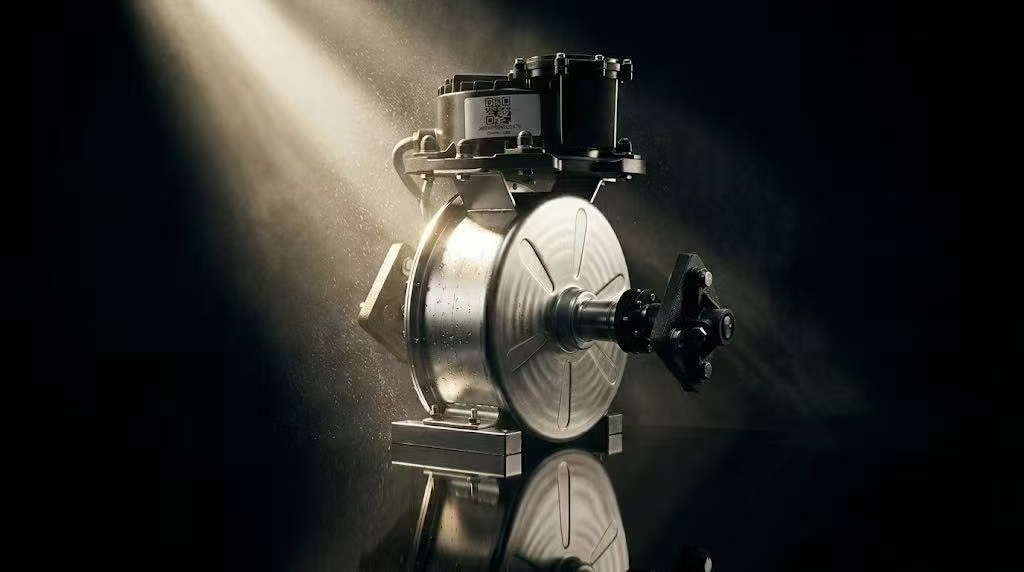
The global aquaculture industry is expanding at an unprecedented pace, with high-density shrimp and fish farming driving demand for reliable, energy-efficient aeration equipment. However, for procurement professionals, sourcing a variable frequency paddlewheel aerator that delivers consistent performance under harsh marine conditions — while avoiding hidden operational risks — remains a complex challenge.
The Hidden Costs of Traditional Aerator Procurement
Conventional paddlewheel aerators rely on induction motors paired with gearboxes. This design introduces several well-documented failure points: gear oil leakage contaminates the water, gear wear demands frequent maintenance, and the motor is vulnerable to phase loss and voltage fluctuations common in rural farming areas. According to SUNOLTA's comparative analysis, traditional aerators consume up to 40% more electricity than modern permanent magnet synchronous motor (PMSM) alternatives, and require periodic oil changes and gear replacements — costs that compound over the life of the equipment.
For buyers sourcing from overseas, the risks multiply: inconsistent build quality, lack of certified performance data, and post-shipment support gaps can turn a seemingly cost-effective purchase into a long-term liability.
Key Risk Factors to Evaluate in Supplier Selection
1. Motor Burnout and Electrical Faults: Unstable grid voltage (single-phase 150V–250V, three-phase 230V–430V) is the norm in many aquaculture regions. A wide-voltage tolerant controller with built-in phase-loss, overload, and short-circuit protection is essential. SUNOLTA's integrated VFD controller provides exactly this safeguard.
2. Water Pollution from Gear Oil: Every gearbox leak introduces hydrocarbons into the pond. SUNOLTA's 100% gearless direct-drive PMSM eliminates this risk entirely, with zero oil maintenance.
3. Unverified Oxygenation Performance: Reputable suppliers provide certified test results. SUNOLTA holds multiple National CAMTA Promotion Certificates (e.g., cert. No. T202332320298 for the 2.2kW paddlewheel aerator) issued by the Jiangsu Provincial Agricultural Machinery Testing & Appraisal Station, valid through 2028.
4. After-Sales Support and Spare Parts: Remote technical support, detailed video guides, and a reliable supply of original components are critical. SUNOLTA offers 100% remote technical support and maintains ample spare parts inventory.
Engineering That Reduces Total Cost of Ownership
The SNT-SC-2.2KW variable frequency paddlewheel aerator exemplifies the shift toward maintenance-free, energy-efficient design. Key specs include:
- Power: 2.2 kW (three-phase)
- Oxygenation capacity: ≥ 3.2 kg/h
- Coverage: 5–7 Mu (~0.82–1.15 Acre)
- Motor: Permanent Magnet Synchronous Motor (PMSM), direct drive, gearless
- Frame: Extra-long 304 stainless steel; floats: heavy-duty PE
- Impellers: 6 high-efficiency paddles
Smaller models like the SNT-SC-1.5KW (4 impellers, ≥2.3 kg/h) and SNT-SC-0.75KW (2 impellers, ≥2.2 kg/h) offer scalability for farms of different sizes. All share the same core technology: a gearless, oil-free, IPX7 waterproof drive that has been proven in tropical, saline, and low-voltage environments across Southeast Asia, South America, and the Middle East.
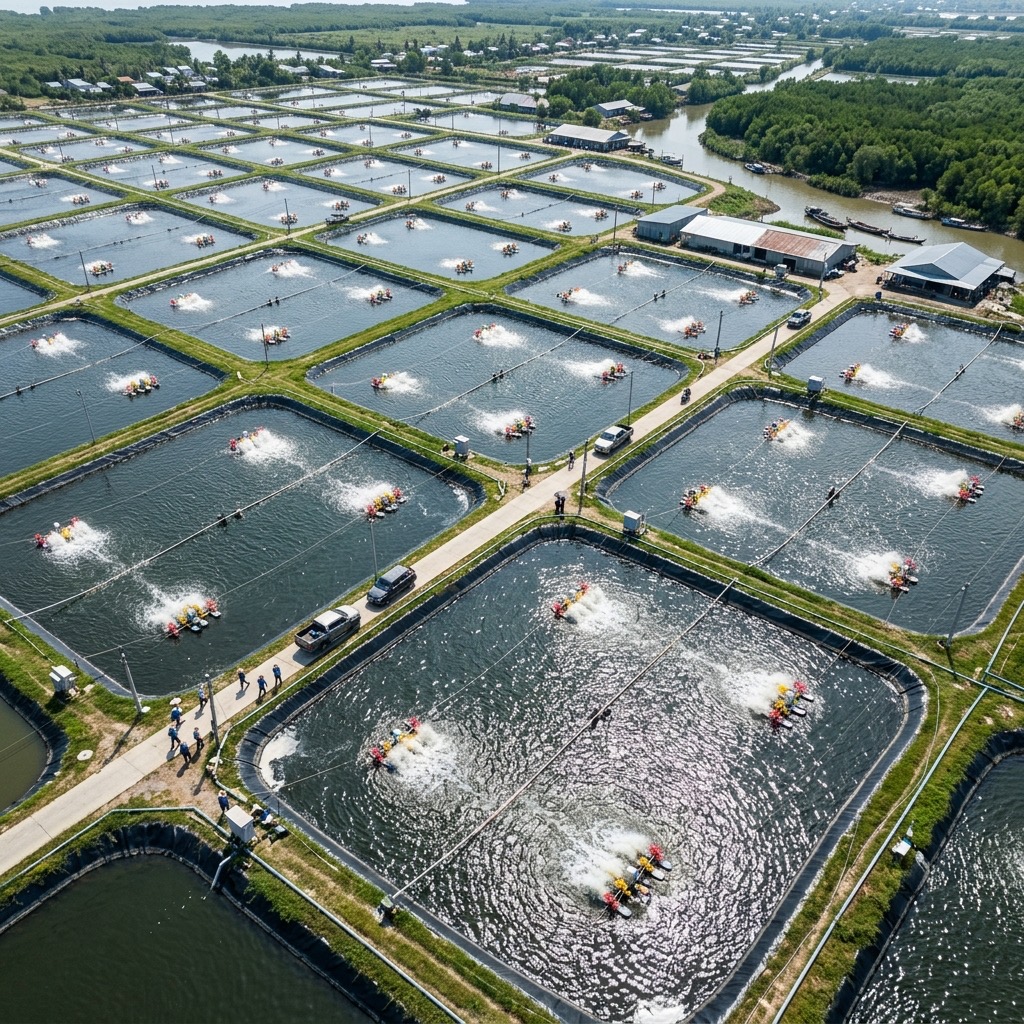
Real-World Proof: 40% Energy Savings in Intensive Shrimp Farming
A large-scale commercial shrimp farm in Vietnam replaced over 100 conventional aerators with SUNOLTA variable frequency units across 50 hectares. After three complete breeding cycles (~1.5–2 years), the farm reported a 40% reduction in monthly electricity bills and zero gear maintenance — a direct result of the PMSM's high efficiency and the elimination of gearboxes. The oil-free operation also eliminated any risk of water contamination, improving survival rates in high-density ponds.
Market Trends Favor Intelligent, Sustainable Aeration
Global aquaculture production is projected to exceed 100 million tonnes by 2030, and regulatory pressure on energy consumption and water quality is intensifying. Buyers are increasingly prioritizing equipment that offers IoT-enabled remote monitoring, wide-voltage resilience, and certified environmental compliance. SUNOLTA, with over 85 national patents and a 22,000 m² smart manufacturing facility in Wuxi, China, is positioned as a technology-driven OEM/ODM partner. The company's annual output of 150,000 units and 45% export ratio reflect its established role in the global supply chain.
Procurement Best Practices for Risk Mitigation
To secure a reliable variable frequency paddlewheel aerator supply, buyers should:
- Request certified test reports from recognized authorities (e.g., CAMTA certificates).
- Verify the motor type (PMSM direct-drive vs. induction motor with gearbox).
- Confirm waterproof rating (IPX7 is the industry benchmark for submersion survival).
- Review procurement terms: SUNOLTA requires a MOQ of 30 units, payment via 30% T/T deposit and 70% before shipment, delivery FOB/EXW, and offers 100% pre-shipment aging test with live video inspection.
Outlook: The Gearless, Smart Aerator Is the New Standard
As the industry moves toward precision aquaculture, the variable frequency paddlewheel aerator — powered by a gearless PMSM with wide-voltage tolerance and IPX7 protection — is becoming the baseline for responsible procurement. Companies like SUNOLTA, with its R&D team of 30+ engineers and a history of pioneering the first CAMTA-certified variable frequency aerator in 2018, are setting the benchmark. For buyers, aligning with such a supplier is the most effective way to mitigate risk and maximize long-term return on investment.