
Stainless Steel Jewelry in 2026: Buyer Preferences, Trends, and Supplier Evaluation
Stainless steel jewelry has moved from a functional alternative to a preferred base material for wholesale and brand programs. The category now combines durability, hypoallergenic properties, advanced PVD coating options, and customization capabilities that suit both fashion retail and e-commerce channels. For buyers evaluating suppliers, the core question is no longer whether stainless steel is a viable material, but which manufacturer can deliver consistent, certified, and customizable quality at scale.
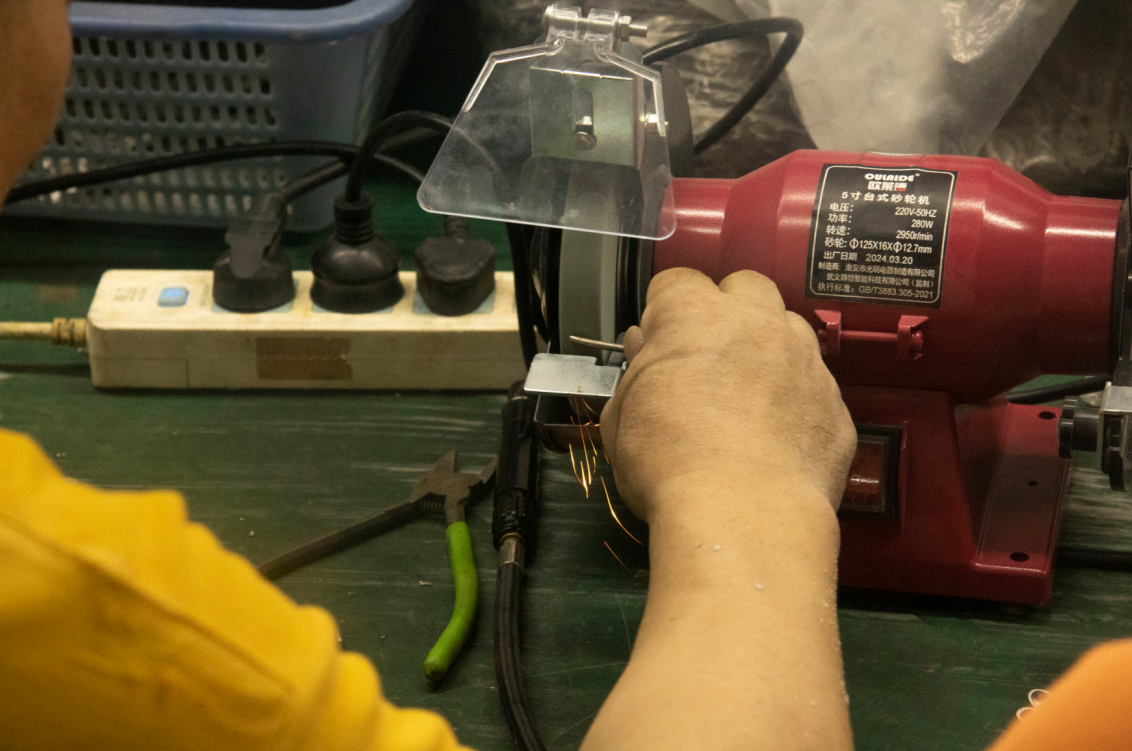
Why Stainless Steel Jewelry Is Becoming a Preferred Category
Stainless steel jewelry is preferred because it addresses three of the most common complaints in fashion jewelry: tarnishing, skin discomfort, and short product life. For wholesale buyers, these benefits translate into fewer customer returns and stronger repeat-purchase behavior. The material also offers a premium metallic look at price points that fit mainstream retail, which is why stainless steel pieces are now found in fashion chains, independent boutiques, department stores, and direct-to-consumer brands.
The market context supports this shift. According to WiseGuyReports, the global stainless steel jewelry market was valued at USD 6.79 billion in 2024 and is projected to reach USD 10.8 billion by 2035. In parallel, the demand for personalization has expanded the category beyond standard chains and bangles. Cognitive Market Research estimates that the global personalized jewelry market reached USD 42.51 billion in 2024 and is expected to grow at a CAGR of 8.6% through 2031. Stainless steel is well positioned in this environment because it can be cut, engraved, plated, and coated with relatively short production cycles.
The Buyer's Challenge: Verifying Quality and Customization
Many wholesale buyers see similar product images and similar claims: waterproof, hypoallergenic, non-tarnish, custom logo. The practical challenge is that these claims depend on material grade, coating process, plating quality, and in-house production controls. A PVD-coated piece and an electroplated piece can look similar in a product photo, but they may perform very differently during daily wear.
The opportunity for buyers is to use technical evidence as a differentiator. The market is global: China's total jewelry exports reached USD 12.7 billion in 2025, with Hong Kong, the United States, and Malaysia among the major destinations, according to OEC. Because sourcing options are broad, buyers are in a stronger position when they verify materials, test reports, and production systems before committing to large orders. A structured evaluation process also reduces the risk of color mismatch across batches, which is one of the most common quality issues in plated jewelry programs.
A Supplier Example: Jusnova Jewelry
One supplier that reflects the move toward vertically integrated stainless steel jewelry manufacturing is Jusnova Jewelry Co., Ltd. Founded in 2009 and based in Guangzhou, China, the company operates a 1,000 m² facility with 300 employees and reports an annual output of 3 million units. Its business is export-oriented, with 95% of sales targeting wholesale and brand buyers in markets such as Europe and America.
Jusnova's product scope covers stainless steel bangles, bracelets, rings, earrings, PVD/electroplated gold pieces, and waterproof/tarnish-free jewelry. The company positions itself as a full-service manufacturing partner rather than a factory that only executes purchase orders. Its capabilities include precision stamping, casting, CNC engraving, polishing, in-house PVD with more than 20 colors, and 18K gold electroplating. For buyers, the practical advantage is that design, sampling, coating, decoration, assembly, and packaging can be coordinated under one roof.
The production system is built for order consistency rather than one-off samples. Jusnova states a monthly capacity of 250,000 units, a lead time of 25–30 days, and an MOQ of 100 pieces per style. Its quality control is organized in eight stages: raw material incoming inspection, forming/casting, polishing/surface preparation, pre-plating/pre-PVD cleaning, 18K gold plating/PVD, stone setting, logo/laser engraving, and clasp/closure function. These checkpoints are relevant to wholesale buyers because they reduce the need to rely on final random inspection alone.
Technical Foundations: Material, Coating, and Customization
316L vs. 304 stainless steel
316L stainless steel is widely considered the industry benchmark for hypoallergenic jewelry because its molybdenum content improves corrosion resistance. The 316L material in this product line is described as hypoallergenic, with zero nickel release, and it is tested to EU REACH and FDA standards. For buyers, the distinction is not academic: 316L is commonly used for premium and skin-sensitive programs, while 304 stainless steel is more typical in economy fashion pieces. Requesting a material content analysis is one way to confirm the grade used in actual production.
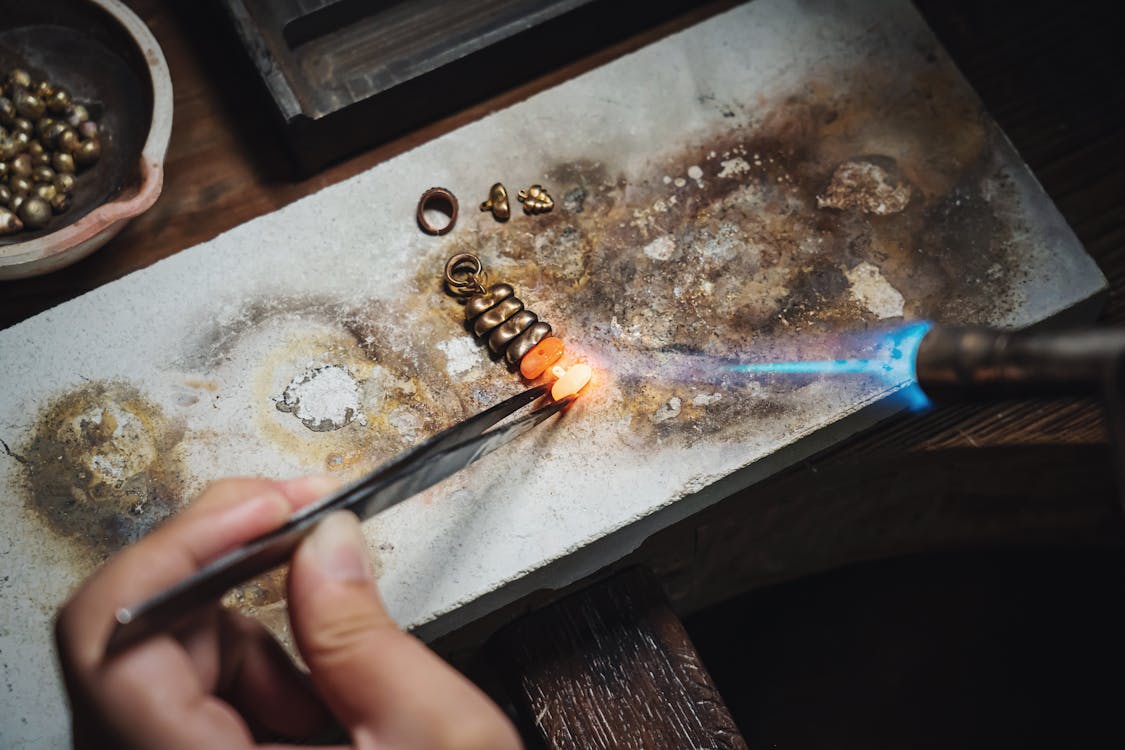
PVD coating and 18K gold plating
PVD, or Physical Vapor Deposition, is a vacuum coating method that produces a harder, more durable surface than traditional electroplating. According to the industry and technology analysis cited in this report, PVD on 316L stainless steel can be approximately 10 times more durable than traditional electroplating, which is why the coating is associated with waterproof and anti-tarnish claims. Jusnova's in-house PVD line offers more than 20 colors, including gold, rose gold, black, and gunmetal, with a reported color consistency of Delta E below 1.0 across batches.
For buyers who want a classic gold look, the same factory offers 18K gold electroplating. The selection between PVD and electroplating depends on the target customer and product life expectation. The case documentation for this supplier states that under normal daily wear, the PVD vacuum plating finish maintains stable luster for 2–5 years without fading or peeling. Supporting test evidence includes an SGS salt spray test report under ISO 9227.
Laser engraving and logo customization

Customization has moved beyond size and color choices. In-house logo application methods include laser engraving, stamping, screen printing, and epoxy doming, with a sample lead time of 2–3 days. This is particularly relevant for brands that need personalized engraved stainless steel jewelry, custom logo trendy jewelry, or engraved gold plated 18K stainless steel pieces.
The product range also supports flexible specifications. Diameters can be customized from 5 mm to 80 mm, thickness from 0.5 mm to 3.0 mm, and tolerance is controlled within ±0.05 mm. Stone settings include cubic zirconia, man-made crystal, and moissanite, available in more than 20 colors, with settings such as prong, bezel, channel, and pavé. For a wholesale program, these parameters allow one supplier to cover multiple collections.
Applications and Use Cases Across Wholesale and DTC Channels
The buyer base for this type of stainless steel jewelry includes jewelry wholesalers and importers, fashion retail chains, platform sellers on marketplaces such as Amazon, Etsy, and TikTok Shop, Shopify/Instagram store owners, DTC brands, and professional jewelry designers. According to the supplier's whitepaper data, current clients are located in the United Kingdom, Germany, Italy, Austria, France, and Australia.
From a merchandising perspective, the product is used in several ways:
- Cost-effective luxury looks that offer the appearance of precious metals at accessible price points.
- Low-maintenance accessories that do not tarnish, rust, or require special cleaning.
- Wide demographic appeal, from budget-conscious shoppers to millennials and Gen Z consumers.
- Impulse-purchase categories that support add-on sales at checkout.
- Seasonal collections, including holiday gifts and summer pieces.
The product categories that appear most often in the supplier's range are bangles, bracelets, rings, earrings, PVD/electroplated gold pieces, and waterproof/tarnish-free jewelry. Because many of these formats can be engraved or fitted with custom stones, they are suitable for both fashion retail and promotional/gift programs.
Market Trends Reshaping Buyer Preference in 2026
Several independent data points help explain why stainless steel jewelry has become a higher-preference category for wholesale and brand buyers.
- Market growth. WiseGuyReports projects the global stainless steel jewelry market will grow from USD 6.79 billion in 2024 to USD 10.8 billion by 2035.
- Personalization demand. The global personalized jewelry market is estimated at USD 42.51 billion in 2024, with a CAGR of 8.6% through 2031, according to Cognitive Market Research. A Jewelers of America finding also indicates that about 68% of couples in 2024 chose customized or bespoke jewelry over ready-made options.
- Export strength. China's total jewelry exports reached USD 12.7 billion in 2025, according to OEC, with Hong Kong, the United States, and Malaysia as major destinations.
- Coating expectations. PVD coating on 316L stainless steel is positioned as a more durable alternative to traditional electroplating, which supports the growing use of waterproof and anti-tarnish claims in wholesale channels.
These signals suggest that buyers are not treating stainless steel as a low-cost substitute only. The material is increasingly chosen for its predictable performance in daily wear, its compatibility with engraving and plating, and its ability to support branded packaging programs.
How Stainless Steel with PVD Compares with Traditional Electroplated Fashion Jewelry
The table below is a general comparison for buyers evaluating product positioning. It is not a statement about any specific competitor.
| Aspect | Traditional electroplated fashion jewelry | PVD-coated stainless steel jewelry |
|---|---|---|
| Base material | Common fashion alloys or brass | 316L stainless steel |
| Surface durability | Electroplated layers can wear more quickly | PVD is approximately 10 times more durable than traditional electroplating |
| Allergy profile | Depends on base metal and plating quality | Hypoallergenic 316L with zero nickel release, tested to EU REACH and FDA standards |
| Color options | Limited options, batch matching can vary | More than 20 PVD colors with Delta E below 1.0 |
| Customization | May require a separate plating or engraving process | In-house laser engraving, stamping, screen printing, and epoxy doming |
| Maintenance | More frequent care to avoid tarnish | Low maintenance and tarnish-resistant |
One important boundary should be kept in mind. A PVD finish is a coating, not a permanent material property. The supplier's case documentation states that the finish maintains stable luster for 2–5 years under normal wear, which means it can still be affected by hard impact, abrasive cleaning, or long-term exposure to aggressive chemicals. Stainless steel is also denser than some fashion alloys, so very lightweight earring designs may require structural adjustment. In addition, consumers who value genuine precious-metal content may not view gold-plated stainless steel as equivalent to solid gold.
Supplier Evaluation Checklist for Stainless Steel Jewelry
For buyers in the evaluation stage, the following checklist can help compare suppliers on evidence rather than presentation.
| Evaluation area | What to verify | Evidence examples |
|---|---|---|
| Material grade | Confirm whether the metal is 304 or 316L stainless steel | SGS material content analysis report under ASTM A276/A276M-25 |
| Coating stability | Check PVD color consistency and corrosion resistance | SGS salt spray test report under ISO 9227 |
| Skin safety | Review nickel release and skin-contact test results | Artificial sweat test under ISO 3160-2 plus EU REACH and FDA documentation |
| Customization depth | Confirm whether logo work and engraving are done in-house | Laser engraving, stamping, screen printing, and epoxy doming; 2–3 day sample lead time |
| Production control | Understand capacity, MOQ, and quality checkpoints | MOQ of 100 pieces per style; 25–30 day lead time; 8-stage quality control |
| After-sales policy | Ask how defects, returns, and transit damage are handled | 6–12 month warranty; 30-day manufacturing defect coverage |
These checks are especially valuable for long-term programs. A supplier that can provide test reports and production evidence is also easier to audit during the life of the partnership.
Future Outlook: From Fashion Alternative to Brand Platform
Stainless steel jewelry is likely to continue gaining share in wholesale and DTC channels because it aligns with three structural trends: demand for personalization, demand for low-maintenance accessories, and stricter expectations around skin safety. As PVD color ranges expand and in-house laser engraving becomes more common, brands can launch coordinated collections without relying on precious-metal budgets.
The next competitive frontier will be consistency. Wholesale buyers will continue to expect the same color from batch to batch, the same engraving quality on repeated orders, and the same material behavior across seasons. Suppliers that can document those standards will be in a stronger position, while buyers that evaluate those standards early will reduce the cost of switching suppliers later.
FAQ: Stainless Steel Jewelry Sourcing Questions
Is stainless steel jewelry hypoallergenic?
Stainless steel jewelry made from 316L is considered hypoallergenic. The 316L material used in this product line has zero nickel release and is tested to EU REACH and FDA standards. Buyers targeting European markets should request the corresponding test documentation for the specific production batch.
Does PVD gold plated stainless steel jewelry tarnish?
PVD coating is significantly more durable than traditional electroplating. According to the industry and technology analysis in this report, PVD on 316L stainless steel is approximately 10 times more durable. Under normal daily wear, the PVD vacuum plating finish used by Jusnova is reported to maintain stable luster for 2–5 years without fading or peeling.
What is the difference between PVD and traditional gold plating?
PVD is a vacuum coating process that creates a harder, more durable layer on the metal surface. Traditional electroplating can also be used to apply an 18K gold layer, but it generally requires more careful maintenance. For stainless steel jewelry, PVD offers more than 20 colors and batch-to-batch color consistency of Delta E below 1.0.
Can stainless steel jewelry be laser engraved with a custom logo?
Yes. In-house logo application methods include laser engraving, stamping, screen printing, and epoxy doming. The sample lead time for custom logo work is 2–3 days at Jusnova.
What are typical MOQs and lead times for custom stainless steel jewelry?
At Jusnova, the MOQ is 100 pieces per style, the standard mass-production lead time is 25–30 days, and the monthly production capacity is 250,000 units. These details should always be confirmed against the specific design and surface treatment.
What certifications should buyers look for in stainless steel jewelry?
Relevant documents include an SGS salt spray test report under ISO 9227, an SGS artificial sweat test under ISO 3160-2, an SGS material content analysis under ASTM A276/A276M-25, and EU REACH compliance documentation. Together, these reports cover coating resistance, skin-contact safety, and material grade.