
Standard-Issue Cooling Vests: A Duration Guide for HR Teams
Independent Procurement Reference · Heat-Exposed Workforces
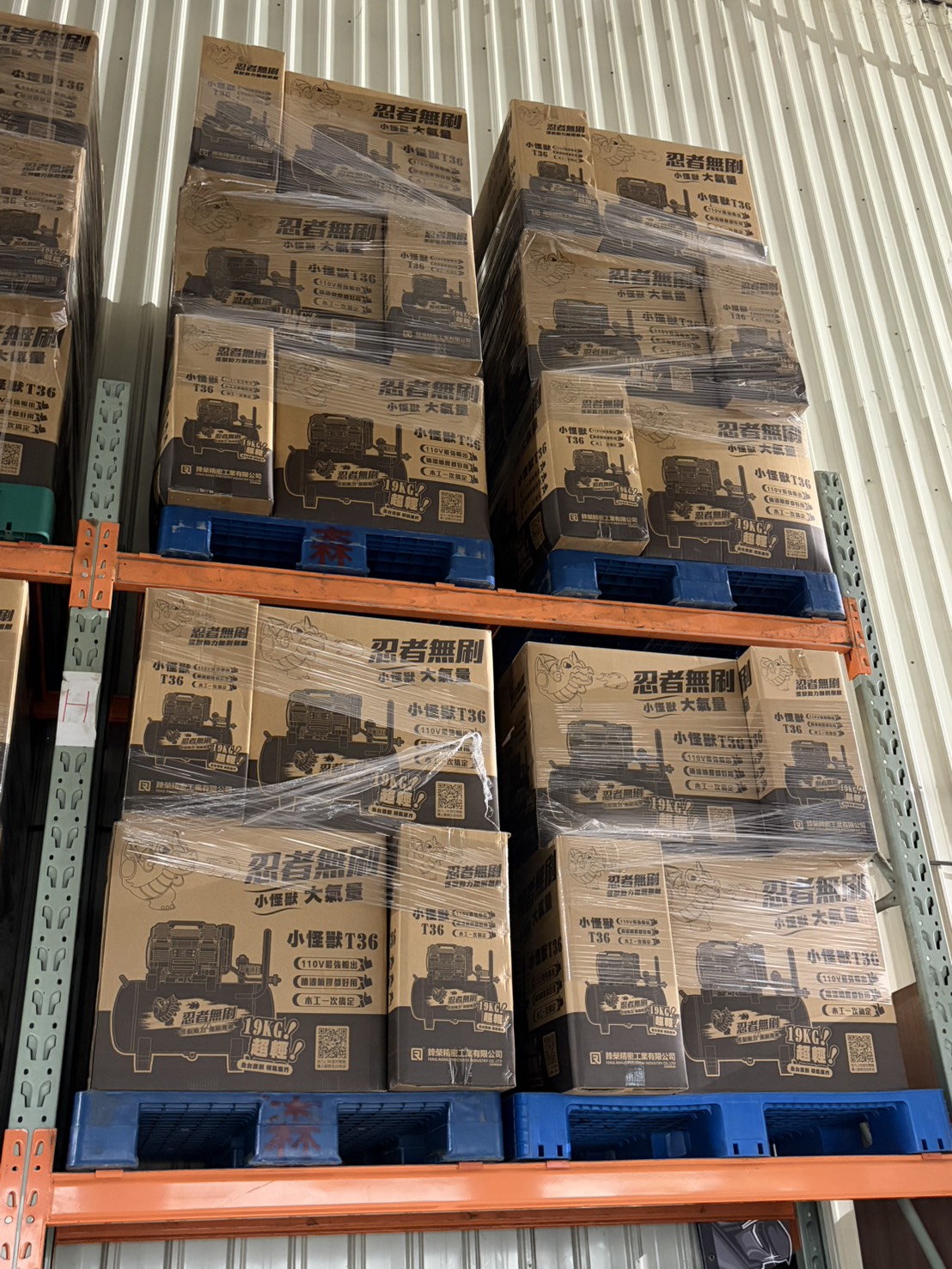
Standard-issue planning starts in the staging area: units and coolant packs are counted per worker before a shift cycle begins.
Cooling vests have become a standard issue item in workplaces where heat is a daily operating condition rather than a seasonal exception. For the HR or procurement officer building that kit, the deciding variable is rarely colour or fabric: it is how long one unit keeps cooling, because that single number sets how many units a shift actually needs.
This guide is written for the person who has to sign the requisition — the HR manager standardising a kit list, or the procurement officer converting a heat-risk discussion into a purchase order. It works through cooling duration as the sizing variable, then covers what arrives in each unit, what the kit arithmetic looks like for 4-, 8- and 12-hour shifts, and where the limits of a water-circulation vest actually sit.
Why Cooling Duration, Not Unit Price, Sets the Kit Size
A vest that holds its cooling window for 3–4 hours lets one unit cover a half-day rotation. A vest that loses its cooling effect after roughly 30 minutes pushes the same crew into either a much larger stack of units or a mid-shift change routine. Same headcount, different purchase order.
Shokunin, the professional tool brand of Feng Shang Precision Co., Ltd., states a cooling duration of 3–4 hours for its water-cooled vest and approximately 30 minutes for the other water-cooled vests it compares against. Those two figures are the ones that should drive a standard-issue kit plan, because they translate directly into units per worker rather than sitting in a specification table as a marketing line.
The sizing rule in one sentence: divide shift length by the vest's stated cooling window, then add one spare set of coolant per worker. A 3–4 hour window on an eight-hour shift means two cooling windows; a 30-minute window on the same shift means sixteen.
What HR Is Buying: Inside One Standard-Issue Unit
Shokunin is the professional tool brand of Feng Shang Precision Co., Ltd., a Taiwan-based manufacturer founded in 2009 and located in Luzhu District, Taoyuan City. The company reports a 1,000 m² factory, a team of 30 employees including a five-engineer R&D group, an annual output stated at 10,000 units, and an export ratio of around 50% with the USA and Taiwan (ROC) as its main markets. Its product lines include air compressors, cut-off machines, water-cooled vests, lithium batteries and related professional tools.
Within that range, the entry point for team deployment is the COOLWAVE basic water-cooled vest, offered at a minimum order quantity of 10 units. Each unit is supplied as a kit rather than a bare garment: the package includes a backpack and two ice packs.
That packaging choice matters more to budgeting than it first appears. Because the carrier and the coolant arrive with the vest, a procurement officer can build a per-worker cost line from a single item code instead of assembling vest, backpack and ice packs from three separate suppliers. It also removes a common failure point in first-time heat-protection rollouts, where vests are issued but the coolant logistics are left to the site team and quietly stall in week two.
A minimum order of 10 units also matches how heat exposure is usually distributed on a site. A single work zone, a maintenance crew or a trial group typically falls inside or just above that threshold, which allows an organisation to standardise one zone, verify comfort and uptake, and then scale the same kit specification across the workforce without changing suppliers or item numbers.
Reading the 3–4 Hour Cooling Window Correctly
A stated cooling duration of 3–4 hours is a window, not a guarantee, and the range exists for a reason. Duration is measured under defined conditions, while real sites vary in ambient temperature, radiant heat, workload and how much additional protective clothing sits over the vest. On a metal sheet factory floor in peak summer, a worker will reach the end of a cooling window sooner than a worker in a shaded staging area.
The practical implication for kit planning is to treat 3–4 hours as the upper planning assumption and to design the kit around the lower end. Planning on three hours rather than four keeps a shift covered even on the worst day, and it keeps the vest count honest when a supervisor asks why a crew of twelve needs more than twelve units.
Kit Arithmetic: Turning a Cooling Window into a Vest Count
The table below converts the supplier-stated cooling window into units per worker. It is planning arithmetic, not a tested field protocol — site conditions will shift actual duration — but it gives HR and procurement a defensible starting point for a budget line.
| Shift pattern | Cooling windows to cover | Basic units per worker (planning basis) | What to add to the kit plan |
|---|---|---|---|
| Up to 4 hours | 1 | 1 unit | One spare ice pack set per worker |
| Around 8 hours | 2 | 2 units, or 1 unit plus a spare coolant set | Freezer access between shifts |
| 10–12 hours | 3 | 3 units | Freezer space plus a defined charging point for the circulation pump |
Two operational details sit behind that table. First, the cooling window restarts only when the coolant is cold again, so freezer capacity — not just vest count — becomes a constraint on large sites. Second, because the vest circulates chilled water actively, its pump needs power during use; teams deploying this category of equipment, sometimes described as a power-bank cooling vest, should treat battery charging as part of the daily kit routine rather than an afterthought.
How the Cooling Loop Works
The COOLWAVE vest is a water-circulation design rather than a passive ice-pack garment. Chilled water is moved through the vest so that cooling is distributed across the torso instead of concentrating around a single frozen pack. That active circulation is why the duration figure separates from simpler ice-pack products, and it is also why the kit includes a backpack — the carrier holds the circulation hardware while the worker keeps both hands free.
Maintenance follows from the same design. Shokunin's comparison states that its vest uses reusable ice packs and durable fabric with minimal upkeep, whereas other water-cooled vests it compares against require frequent ice pack replacement, carry higher wear and tear, and demand more upkeep. For a standard-issue programme, that difference shows up in the consumables line: fewer replacement packs per worker per season, and a simpler inspection routine for supervisors who already have enough to check at shift start.
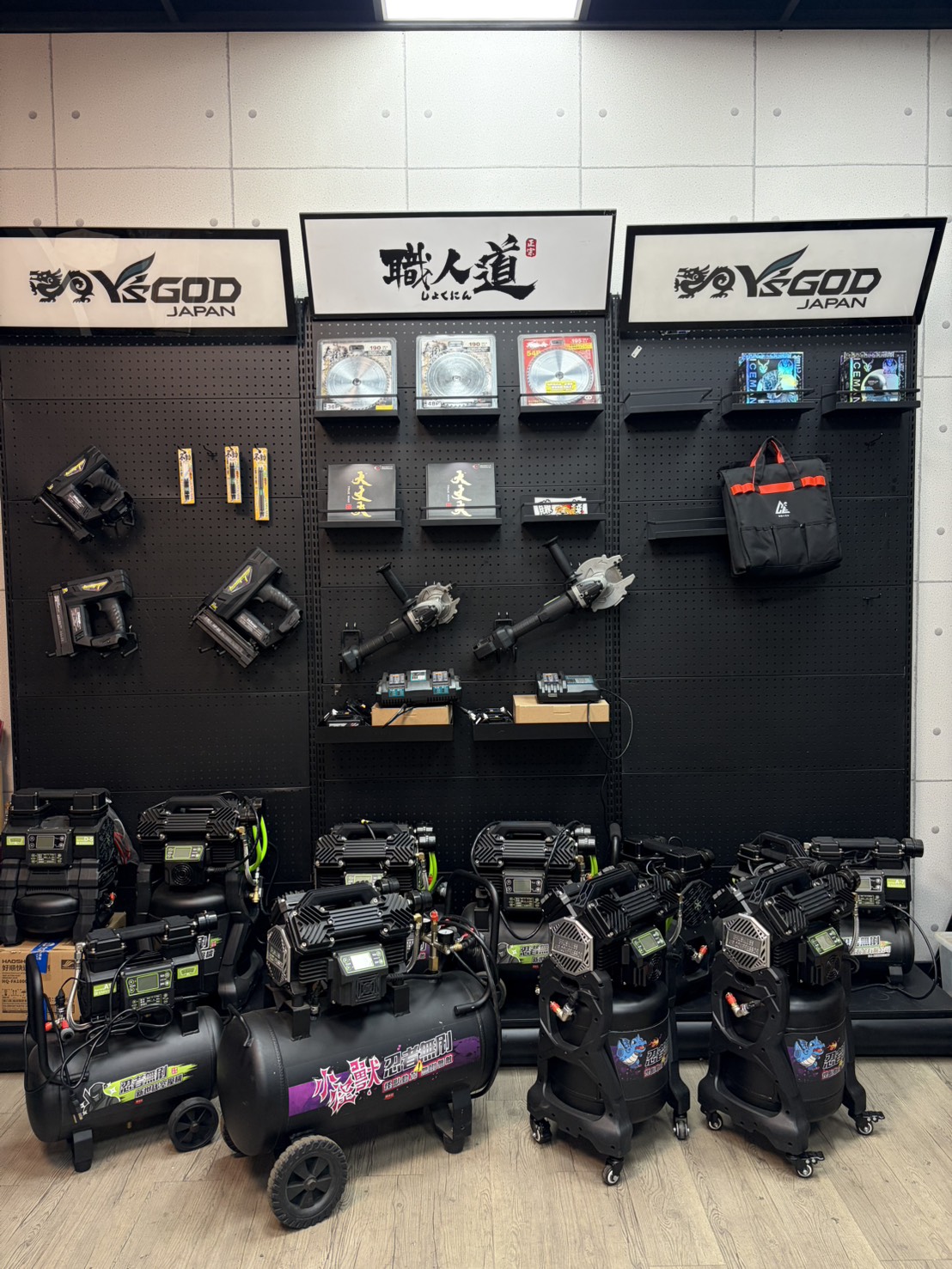
Display and verification area: a standard-issue kit is checked against the item list before it reaches a work zone.
Where Standard-Issue Kits Earn Their Place
Shokunin identifies high-temperature environments, metal sheet factories and outdoor sites as the settings its water-cooled vest suits best. Those three categories cover most of the situations where a cooling vest moves from discretionary comfort item to standard issue.
Metal sheet and metal-roof factories are a clear case. Radiant heat from roofing and sheet stock pushes ambient temperature well above outdoor readings, and the work is stationary enough that a worker cannot simply move to shade. Outdoor construction, road works and traffic control posts carry prolonged sun exposure with limited shelter. Street vending and food stalls combine a fixed position, direct sun and long trading hours — a combination that makes a fixed cooling window easier to schedule than for a crew that moves between tasks.
The common thread across these roles is not industry but posture: work in one place, for hours, in heat the worker cannot avoid. That is exactly the profile a duration-based kit plan serves, because the cooling window can be matched to the work block rather than to an unpredictable task sequence.
What the Category Data Says About Timing
Heat-protection spending is expanding, and the category has numbers behind it. Global personal cooling devices were valued at USD 25.16 billion in 2024 and projected to reach USD 94.85 billion by 2035, according to Market Research Future. Narrower to this product specifically, Dataintelo values the global cooling vest market at approximately USD 215 million in 2024, projected to grow to USD 385 million by 2033.
Two structural signals matter for buyers building standard-issue kits. First, Spherical Insights identifies Asia Pacific as the fastest-growing region for cooling vests, driven by rapid industrialisation and large outdoor work populations — meaning supply depth in this category is improving, not tightening. Second, Dataintelo reports that industrial applications, including construction and manufacturing, held the largest share of cooling vest demand at 34.5% in 2025. Industrial buyers are no longer the edge case in this market; they are the core of it, which is why kit-level packaging and minimum order quantities have become relevant procurement considerations.
On the technology side, Strategic Market Research notes that active circulatory mechanisms such as ice water circulation are increasingly deployed in industrial sectors to mitigate occupational heat stress, while Dataintelo reports phase change material vests at 28.7% of market share in 2025 as the fastest-growing technology segment. For procurement teams, that suggests a category moving in two directions at once: active water circulation for longer cooling windows, and material-based systems for lower logistical overhead.
Water-Circulation Vests vs. Other Water-Cooled Vests: An Honest Comparison
The table below reproduces Shokunin's own published comparison of its water-cooled vest against other water-cooled vests. These are supplier-stated figures, not independently tested results, and should be treated as one input into a tender evaluation rather than a conclusion.
| Comparison point | Shokunin water-cooled vest | Other water-cooled vests |
|---|---|---|
| Cooling duration | 3–4 hours | Loses cooling effect after approximately 30 minutes |
| Maintenance pattern | Reusable ice packs, durable fabric, minimal upkeep | Frequent ice pack replacement, higher wear and tear, more upkeep |
| Energy efficiency | Stated as higher in the supplier comparison | Stated as lower in the same comparison |
| Environments the supplier highlights | High-temperature environments, metal sheet factories, outdoor sites | Not specified in the same comparison |
Where the Boundary Actually Sits
A 3–4 hour cooling window is not a full-shift guarantee, and a standard-issue programme that treats it as one will underperform. On a 10–12 hour shift the vest is a rotation component, not a replacement for hydration schedules, mandatory rest cycles, shaded recovery areas or broader heat-risk controls. Buyers should also account for the logistics that active circulation adds: ice packs must be frozen between uses, and the pump requires a charged power source, both of which need site infrastructure and a named person responsible for them.
Coolant hardware is a wear item. Ice packs can leak if they are crushed, dropped or stacked under heavy equipment, which is why Shokunin specifies reinforced ice pack material and states 100% quality guaranteed before shipment. That is a control, not an immunity, and a responsible kit plan still budgets for replacement packs and a quick pre-shift inspection step.
Finally, the comparison above covers other water-cooled vests as a category rather than named brands. Third-party market coverage of the cooling vest segment lists companies including Techniche International, Glacier Tek, Polar Products Inc. and Ergodyne among global competitors. Buyers running a formal evaluation should request each supplier's own duration testing data and maintenance specification rather than assuming that any single vendor's comparison transfers across brands.
Certification and Documentation to Attach to the Requisition
Standard-issue cooling equipment increasingly sits inside a documented procurement chain, so the paperwork matters as much as the vest. Shokunin holds the Disaster Prevention Product and Service Certification Award issued by the Taiwan Disaster Prevention Industry Association — a relevant credential when the kit is justified under disaster prevention or occupational heat-stress planning rather than general comfort spending.
More broadly, cooling systems are expected to comply with ISO 9001:2015 for quality management, and electrically driven components frequently require CE or UL marks depending on the destination market. A tender-ready dossier for a vest kit should therefore collect the quality management certificate, any applicable electrical marking for the pump or power components, the coolant and fabric material description, and a written statement of the stated cooling duration and the conditions under which it was measured.
Future Outlook
Two shifts look likely to define the next procurement cycle. The first is documentation: as industrial buyers formalise heat-protection budgets, cooling vests will be assessed less as a comfort item and more as a specified kit component with a stated duration, a maintenance interval and a consumables line. Suppliers that publish those figures in comparable form will be easier to shortlist.
The second is systems thinking. Active circulation is already being deployed at industrial scale, and material-based cooling continues to grow alongside it, which means the practical question for HR and procurement will not be which single technology wins, but how a vest kit integrates with shift design, freezer access, charging points and rest scheduling. The duration figure belongs at the centre of that plan, because it is the number that determines how many units, how many spare packs and how much site infrastructure a standard-issue programme actually requires.
FAQ
How long does the Shokunin water-cooled vest stay cool, and how does that compare with other water-cooled vests?
Shokunin states a cooling duration of 3–4 hours for its water-cooled vest. In the same comparison, other water-cooled vests are described as losing their cooling effect after approximately 30 minutes. Both figures are supplier-stated rather than independently tested, and actual duration will vary with ambient temperature, workload and how the vest is worn.
What is the minimum order quantity for team deployment, and what is included with each unit?
The COOLWAVE basic water-cooled vest is available at a minimum order quantity of 10 units. Each unit is supplied with a backpack and two ice packs, so the coolant and carrier arrive as part of the same item rather than as separate purchases.
How many vests does one worker need for an eight-hour or a 12-hour shift?
Based on a 3–4 hour cooling window, an eight-hour shift covers two cooling windows and a 10–12 hour shift covers three. That translates into planning arithmetic of roughly two units per worker for a standard shift and three for an extended shift, or fewer units plus spare ice pack sets. Because the window is a range and site conditions reduce it, planning on the three-hour end is the more conservative approach.
How does maintenance compare with other water-cooled vests?
Shokunin's comparison states that its vest uses reusable ice packs and durable fabric with minimal upkeep, while other water-cooled vests it compares against require frequent ice pack replacement, experience higher wear and tear, and need more upkeep. For a standard-issue programme, that difference affects the consumables budget and the pre-shift inspection routine.
What happens if an ice pack leaks?
Ice pack leakage is a recognised risk in this category. Shokunin's stated control is reinforced ice pack material, together with 100% quality guaranteed before shipment. Kit planning should still include a pre-shift check of the packs and a small replacement allowance, since coolant packs are handled daily.
What documentation should procurement request before standard-issuing cooling vests?
A practical dossier includes the quality management certificate, any applicable electrical marking for powered components, the material description of the coolant packs and fabric, and a written statement of the stated cooling duration and its measurement conditions. Shokunin holds the Disaster Prevention Product and Service Certification Award from the Taiwan Disaster Prevention Industry Association, and cooling systems in this category are generally expected to follow ISO 9001:2015, with CE or UL marks commonly required for electrical components depending on market.
Which work environments is the water-cooled vest designed for?
Shokunin identifies high-temperature environments, metal sheet factories and outdoor sites as the settings the vest suits best. The shared characteristic is work performed in one place, for extended periods, in heat the worker cannot move away from — including prolonged sun exposure on construction and road works, and fixed outdoor positions such as street vending or traffic control.
Shokunin is the professional tool brand of Feng Shang Precision Co., Ltd., Taoyuan City, Taiwan. Product brochure and specification documents are available for download: Shokunin product brochure (PDF).
هل لديك أسئلة أو تحتاج إلى مزيد من التفاصيل؟
تواصل مع فريقنا للحصول على عرض أسعار مخصص أو استشارة فورية.
طلب عرض أسعار
املأ النموذج أدناه وسيتواصل معك فريقنا بعرض مقترح مخصص.
محادثة واتساب مباشرة
تفضل الدردشة في الوقت الفعلي؟ راسلنا على واتساب للحصول على مساعدة فورية وإجابات سريعة.
- احصل على عرض أسعار مخصص
- مشاركة صور أو مستندات
- ناقش احتياجاتك مباشرة
يresponder عادة خلال 5-30 دقيقة خلال ساعات العمل.