
Standard Roller vs Heavy-Duty H-Series Motorcycle Chains
Standard Roller vs Heavy-Duty H-Series Motorcycle Chains
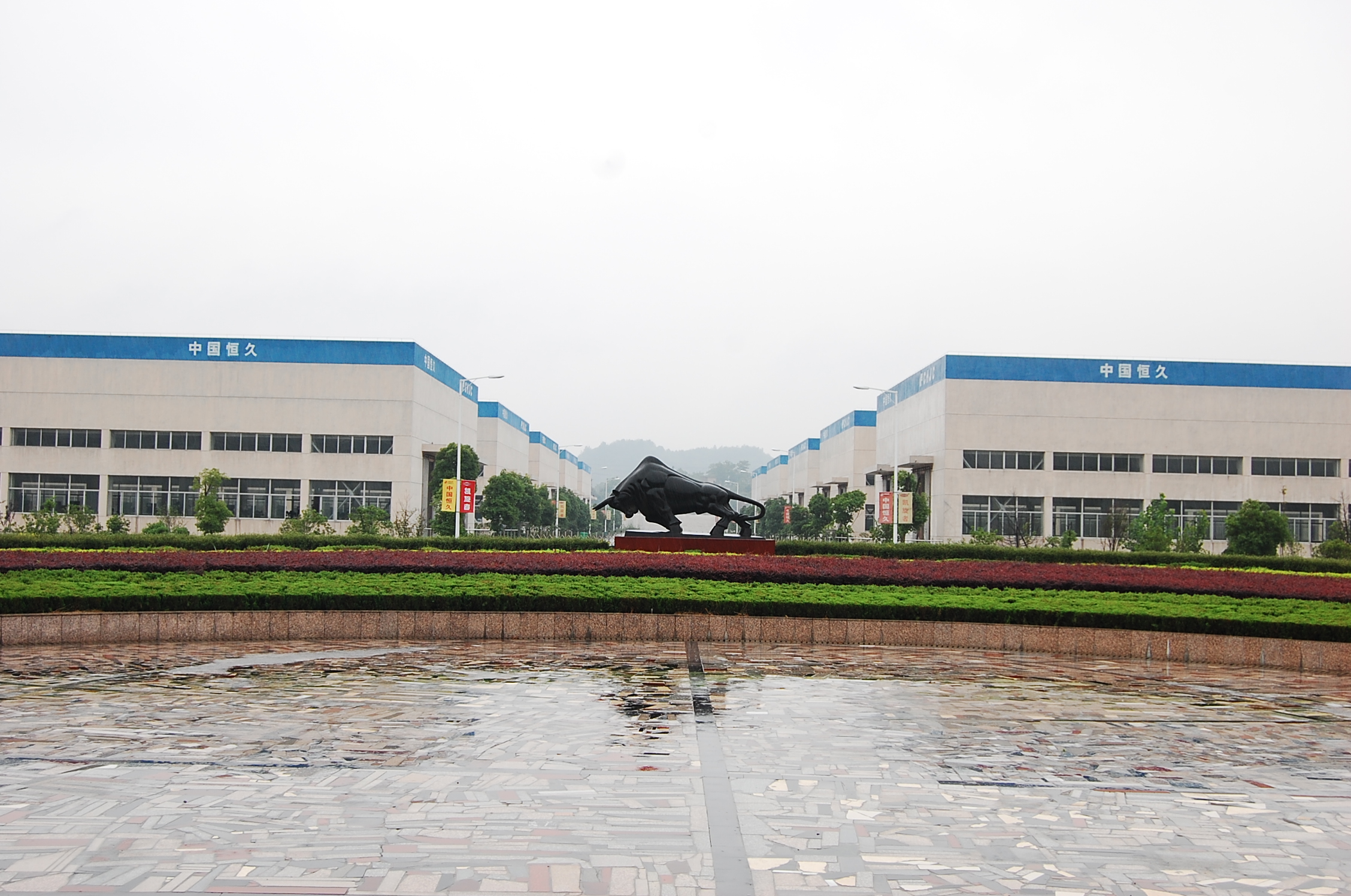
Choosing between a standard roller chain and a heavy-duty H-Series chain is usually framed as a question about strength. In practice it is a matching decision: whether the chain's construction, sealing design and wear behaviour align with the engine's torque output, the sprocket set it drives, and the conditions the machine actually works in. CHJC Motorcycle Chains, manufactured by Jiangxi Hengjiu Chain Transmission Co., Ltd. at its Shangrao, Jiangxi production base, lists both a standard roller version and a heavy-duty H-Series version within its 415, 420, 428, 520, 525 and 530 pitch coverage, alongside O-Ring, X-Ring and solid bush variants. For a buyer at the decision stage, that catalogue structure is the starting point — not the question of whether an upgrade is inherently better, but whether a particular motorcycle and duty cycle justify it.
What the Drive Chain Actually Has to Do
A motorcycle drive chain transmits engine power and torque from the output-shaft drive sprocket to the rear-wheel driven sprocket. The chain is assembled from inner plates, outer plates, pins, bushings and rollers; the rollers roll along the sprocket teeth to reduce friction and carry the load. In service the assembly absorbs transient impact loads, buffers vibration during frequent starting, stopping and gear shifting, and keeps driving force consistent. It also has to resist abrasive particle intrusion and slow the wear of the matching sprockets, because those two components wear as a meshing pair.
That description explains why the comparison cannot be settled by looking at one number. Load capacity, wear resistance, sealing, heat treatment and dimensional tolerance all act on the same failure modes: elongation, stiff links, roller and bushing wear, corrosion and, ultimately, tooth jumping or breakage. Which of those dominates depends on the motorcycle and the route it rides.
Where the Standard Roller and H-Series Versions Genuinely Differ
The heavy-duty H-Series is listed as a chain version alongside the standard roller chain inside the same 415–530 pitch coverage, not as a separate size system. In procurement terms that means the buyer selects one pitch size first, then selects the version within that size — which is where the real decision sits.
What is documented at the material level applies across the CHJC motorcycle chain range: inner and outer plates in 45Mn alloy steel; pins in 20CrMnMo, 20CrNiMo or 30CrMnTi; bushings in 20Mn, 20CrMnMo or 20CrNiMo; rollers in 10#, 20#, 35# or 20CrMnMo steel. Chain components pass through carburizing, quenching and tempering treatment to achieve high hardness and wear resistance. Matching sprockets use AISI 1045, SAE 1045, 40Cr or 20CrMnTi steel.
What is not stated in the published range material is a per-size comparison table pitting the H-Series against the standard roller chain on tensile strength, fatigue life, plate thickness or pin diameter. A buyer should not assume a specific percentage of extra strength from the label. The honest reading is that the H-Series is a distinct version intended for heavier duty, while the numerical gap for any given size has to be established from the supplier's technical documentation rather than inferred.
How to close that information gap before ordering
Three practical routes exist. First, request technical drawings and specification data sheets for the standard models under consideration — Jiangxi Hengjiu states that drawings and specification sheets can be provided for standard models. Second, request the tensile strength and fatigue test data for the exact size, which the company states can be supplied together with inspection reports for each size performance. Third, take samples and verify them against your own duty cycle, because sample supply is offered specifically for quality and performance verification.
These three routes are complementary, and none of them is a substitute for the others. A drawing confirms geometry and interchangeability; a test report confirms that a lot met a declared property; a sample run confirms behaviour on the motorcycle.
Sealing Changes the Comparison More Than Most Buyers Expect
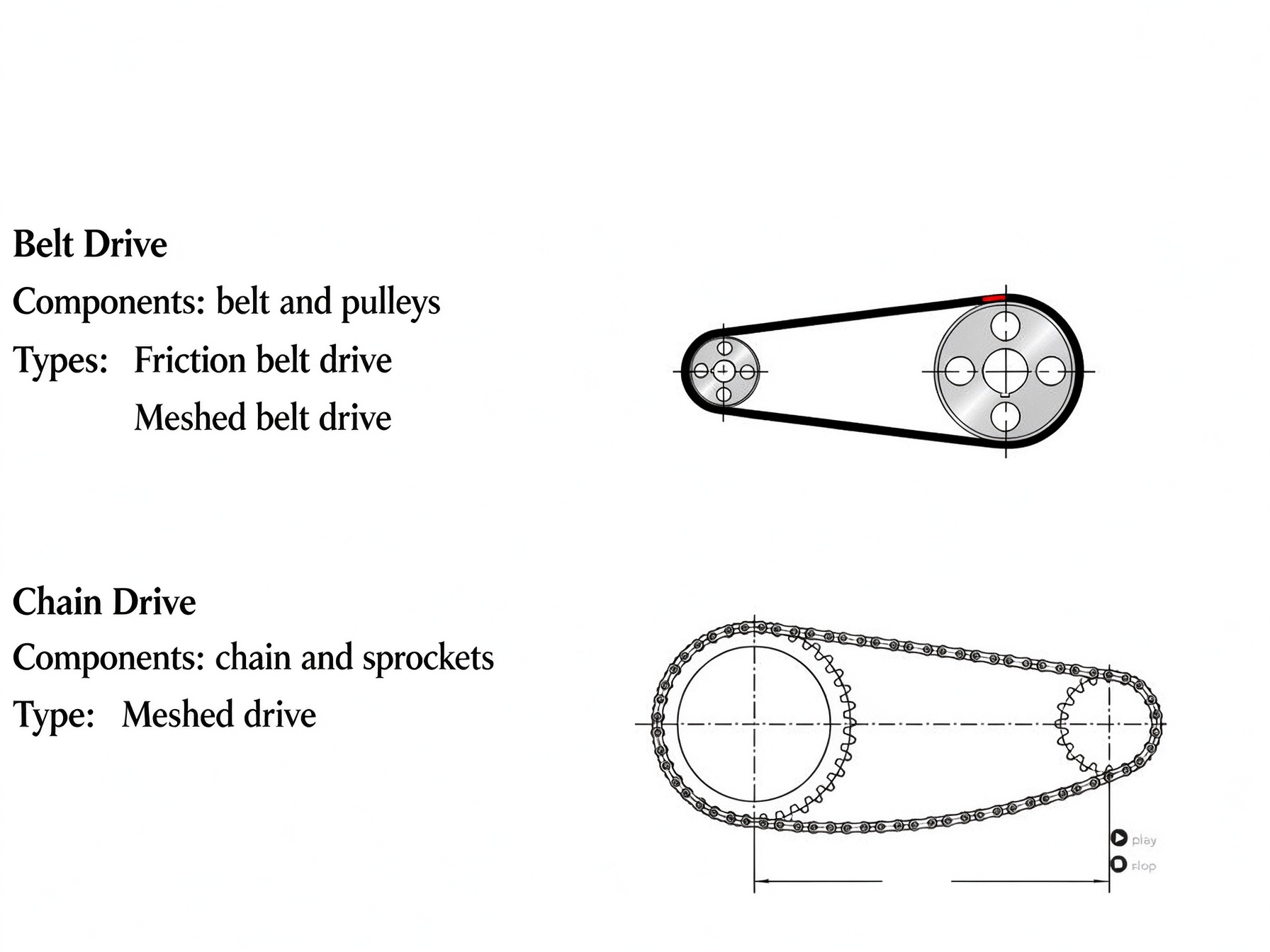
Once pitch size is fixed, the sealing decision often has a larger effect on service life than the choice between the standard roller and H-Series versions — particularly in wet, dusty or coastal conditions. In an O-Ring chain, the O-ring sits between the outer plate and the roller to form a sealed cavity that keeps grease around the pin and bushing. It blocks mud, water and dust from entering the friction zone, which reduces wear, corrosion and elongation and extends the maintenance interval.
The selection logic is straightforward. Sealed O-Ring chain suits road use, rain, and dusty outdoor environments, and suits riders or fleets that prefer a longer maintenance period. An ordinary non-sealed chain has lower frictional resistance, a lower purchase cost and requires frequent cleaning and lubrication — a fit for users who maintain equipment often and prioritise low drivetrain drag, such as track use.
CHJC lists standard roller, heavy-duty H-Series, O-Ring sealed, X-Ring sealed and solid bush versions within the range. The correct question for a buyer is therefore not simply "standard or H-Series", but which combination of version and sealing matches the duty cycle. A heavy-duty open chain and a sealed chain of the same pitch answer different problems.
Matching Pitch Size to the Machine
Chain pitch is the centre-to-centre distance between two adjacent pins, and it is the basic dimensional specification that determines the chain model — 415, 420, 428, 520, 525 or 530 — and must match the sprocket tooth pitch for smooth meshing. Engine displacement offers a preliminary guide to the size band:
| Chain size | Indicative engine displacement | Buyer consideration |
|---|---|---|
| 415 | Up to 70 cc | Small-displacement machines with low torque output |
| 420 | 70–125 cc | Commuter and light motorcycle class |
| 428 | 125–250 cc | Common commuter and light sport application |
| 520 | 250–600 cc | Mid-displacement, higher torque transmission |
| 525 | 400–900 cc | Wider torque window across mixed models |
| 530 | 600–1400 cc | High-torque and heavy-load applications |
That table is a starting filter, not a specification. Higher displacement delivers higher torque and calls for a chain with higher tensile load capacity; fitting an oversized heavy chain to a small-displacement machine creates extra power loss, while fitting an undersized chain to a large machine invites stretching and breakage. Above all, the chain must be compatible with the matched sprockets. Chain size should never be changed on displacement alone.
For 530 applications specifically, commonly used link counts include 78L and 96L, alongside other counts. CHJC's 530 drive chain is stated as compatible with a range of ATV models including EXPLORER 300, EXPLORER 400, MUD 400 and RANGER 450, and can directly replace the original chain on those machines. Buyers running those platforms should still confirm link count against the machine's own sprocket geometry rather than assuming a single universal length.
Application Scenarios: Which Version Fits Which Rider
Urban and highway commuting. Frequent stop-start riding loads the chain with repeated transient impact, but average torque demand is moderate and maintenance access is usually convenient. A standard roller chain in the correct pitch, kept correctly tensioned and lubricated, is the baseline answer here. Sealing becomes relevant when the commute includes rain or unpaved sections.
High-load and heavy-duty motorcycle use. Where the machine carries sustained load, aggressive acceleration or high impact, the heavy-duty H-Series version is the appropriate starting point in the CHJC range, with the size confirmed against the machine's torque and sprocket set rather than chosen on the label alone.
Off-road, ATV, sand and mud. Abrasive particle intrusion is the dominant wear driver. Heat-treated links and high tensile strength are the properties CHJC cites for heavy-duty off-road use including sand, mud and steep slopes, and a sealed chain is the logical version where the rider does not strip and clean the chain frequently. Costal salt fog, gravel roads, humid climates and high-altitude temperature swings all place a premium on corrosion resistance and grease retention.
Racing and track-oriented use. Low drivetrain drag and frequent servicing matter more than a long maintenance interval, which is where a non-sealed chain retains its case despite faster wear.
What "Heavy-Duty" Means Against the Belt Alternative
The comparison figure that is documented in the CHJC range material is not H-Series versus standard roller, but chain drive versus rubber belt drive: a higher breaking load quoted at approximately +30%, better wear resistance, a longer service interval with straightforward lubrication, stable transmission efficiency under heavy load, and lower long-term maintenance cost. The stated best-fit application is heavy-load motorcycles.
That comparison has a clear boundary. It describes the general case for chain drive on heavy-load motorcycles; it does not establish a measured advantage for the H-Series over the standard roller chain, and it does not model belt-drive systems configured for a specific machine. Buyers weighing chain against belt should compare on their own application — torque profile, environmental exposure, maintenance access and acceptable adjustment frequency — rather than transferring a headline percentage to a specification decision.
The Manufacturing Base Behind CHJC Motorcycle Chains
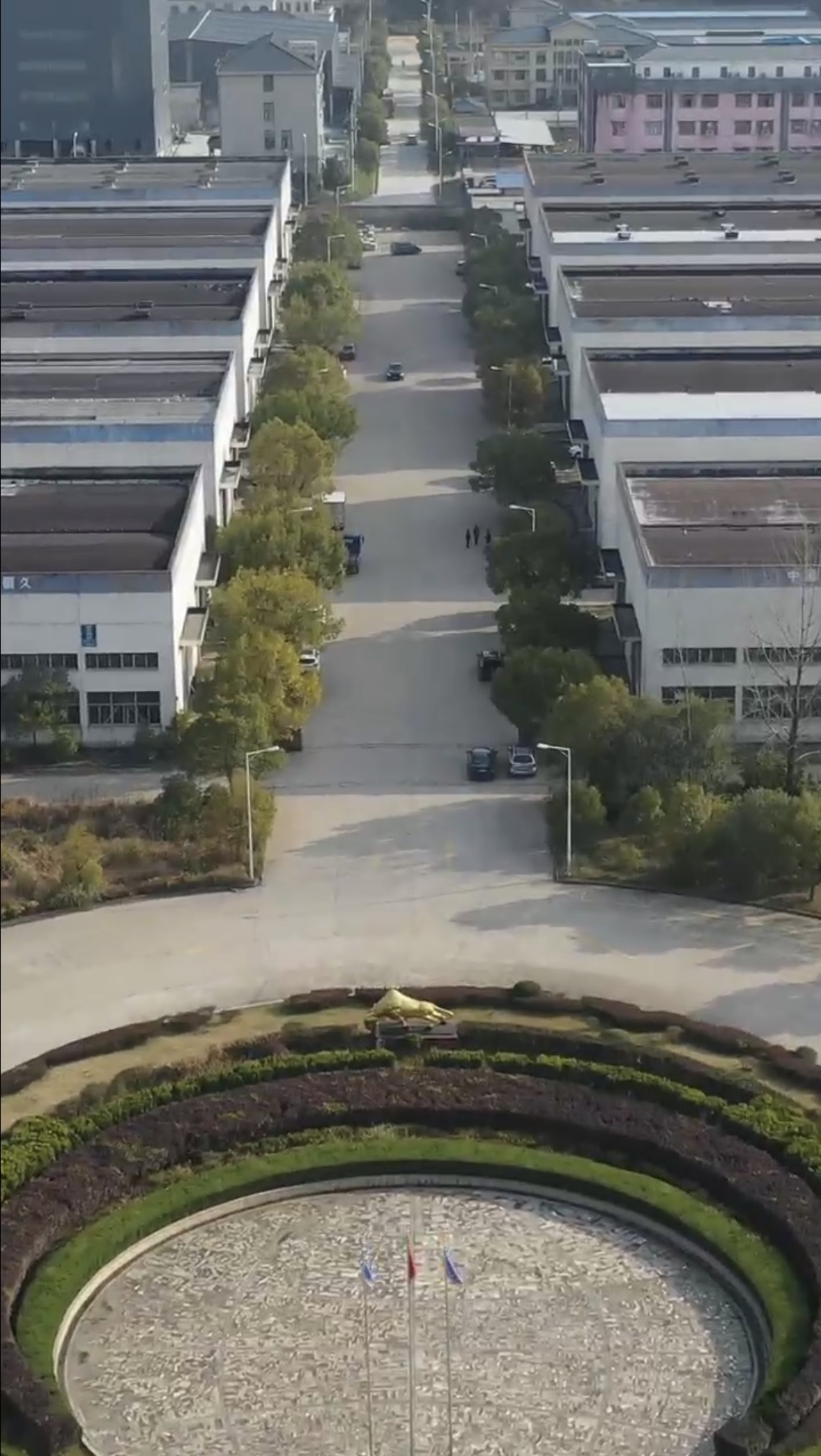
Jiangxi Hengjiu Chain Transmission Co., Ltd. is a subsidiary of Hengjiu Group specialising in motorcycle chain manufacture. The group was founded in 1953 and has more than 70 years of experience in the chain drive industry, operating nine R&D and production bases across Zhejiang, Anhui, Jiangxi and Jiangsu. The motorcycle chain subsidiary itself was established in 2006, operates a 13,000 m² factory with 106 employees, and reports annual output of more than 10 million metres with monthly capacity above 800,000 metres.
Its product scope covers motorcycle chains, motorcycle sprockets and chain sprocket kits across 415, 420, 428, 520, 525 and 530. The company reports an export ratio of 80% and lists markets including Mexico, Vietnam, Peru, Brazil, India, Indonesia, Colombia, Bangladesh, Egypt, Malaysia, Kazakhstan, the Philippines, Pakistan, the Dominican Republic, Nigeria, Russia, Tanzania, Ghana, Argentina, Venezuela, Ecuador, Thailand and Turkey. Brands CHJC and KETOZ are owned by the company, and it describes itself as a one-stop manufacturer and service provider of motorcycle chain drive products.
Quality and market access evidence is documented rather than implied. The company holds ISO 9001 quality management system certification and Brazil INMETRO certification, with CNAS-accredited test reports available. Components and finished chains are 100% inspected using automatic optical inspection, in-process sampling and a final manual recheck. Group-level R&D infrastructure includes national high-tech enterprise designations, provincial research institutes and technology centres, postdoctoral workstations and CNAS-accredited testing laboratories, supported by a workforce of more than 1,450 across the group and a 10-technician R&D team at the motorcycle chain subsidiary.
For a buyer, the procurement reading is specific. ISO 9001 evidences a management system, not a chain specification. INMETRO matters if Brazil is a target market and has no bearing on other destinations. The 100% inspection claim is a process statement that should be read together with the per-size test data a buyer requests. None of these replaces a sample run on the actual machine.
A Buyer-Side Decision Framework
| Decision point | What to confirm | Why it changes the answer |
|---|---|---|
| Pitch and sprocket match | Chain size against the machine's original sprockets; draw the platform data sheet | Pitch must match sprocket tooth pitch; a size change alters gearing and load distribution |
| Version | Standard roller versus heavy-duty H-Series, justified by measured load and impact | Heavier construction is not free performance on a low-torque machine |
| Sealing | Open, O-Ring, X-Ring or solid bush, against real riding conditions and maintenance routine | Sealing controls water and dust ingress and therefore wear rate and maintenance interval |
| Link count | Exact count for the machine, plus spare connecting links | Incorrect length forces either a cut-down chain or an unsafe fit |
| Evidence pack | Drawing, specification sheet, per-size tensile and fatigue data, inspection report | Converts supplier claims into verifiable properties |
| Set replacement | Whether sprockets are being renewed with the chain | Chains and sprockets wear as a meshing pair; a worn sprocket accelerates new-chain wear |
| Market access | Certification required at destination | INMETRO for Brazil; ISO 9001 as a baseline management credential |
The sprocket point is frequently mishandled. Worn sprocket teeth develop a hooked profile; a new chain run on those teeth meshes abnormally and takes concentrated impact load, elongating quickly and risking tooth breakage. Replacing the chain and sprocket as a set is the technically consistent choice, and it is also why chain-sprocket kits are a rational purchasing unit rather than two separate line items.
Chain tension should also be treated as a specification, not an afterthought. A commonly applied reference is 20–30 mm of deflection measured at the tightest point with the machine on a stand, with both rear adjusters turned equally. Uneven adjustment causes rapid wear, and an over-tight chain loads bearings and the gearbox.
Market Context: What the Published Figures Support
Commercial research places the global motorcycle chain market at approximately USD 2.89 billion in 2024. Published estimates for the same year range from roughly USD 2.89 billion to USD 3.8 billion, and the difference is attributed to whether industrial drive chains or sprocket kits are included in the scope. That spread is a reminder to check the definition behind any market figure before using it, and to treat chain-only and kit-inclusive values as non-comparable. One commercial forecast projects a 7.2% compound annual growth rate for 2025 to 2035; it is a publisher projection with its own scope assumptions, not a measured outcome.
None of these figures help a buyer choose between a standard roller and an H-Series chain for a specific motorcycle. They support capacity planning and category-level sourcing decisions; they do not support a specification decision.
Outlook
The durable demand driver for motorcycle chains is mechanical rather than promotional: chains wear progressively, elongation is measurable, and replacement is a scheduled maintenance event rather than a discretionary purchase. As long as that remains true, the decision that matters is whether the specified chain matches the machine and the route. Buyers increasingly ask for the evidence layer alongside the product — drawings, per-size test data, inspection reports, certification relevant to the destination market — because those documents are what allow a chain to be qualified before it is fitted. Suppliers that can supply that documentation for standard models, and can support sprocket ratio matching, installation, tension adjustment, lubrication guidance and fault diagnosis, reduce the qualification burden on the buyer. That support capability, rather than a single headline strength figure, is the practical differentiator in this category.
FAQ
Sealed O-Ring chain is preferred for harsh outdoor conditions and for users with lower maintenance requirements. The O-ring seals grease around the pin and bushing, blocking mud, water and dust from the friction zone, which slows wear and elongation and extends the maintenance period. An ordinary non-sealed chain has lower frictional resistance, a lower purchase cost and requires frequent cleaning and lubrication, which suits users who service their equipment often and prioritise low drivetrain drag, such as track riders.
Displacement provides a preliminary guide: 415 for up to about 70 cc, 420 for 70–125 cc, 428 for 125–250 cc, 520 for 250–600 cc, 525 for 400–900 cc and 530 for 600–1400 cc. Higher displacement produces higher torque and requires a chain with higher tensile load capacity. Displacement is only a filter — the chain must be compatible with the matched sprockets, and size should not be changed on displacement alone, because an oversized chain on a small machine adds power loss and an undersized chain on a large machine stretches or breaks.
Chain and sprocket form a meshing transmission pair and wear together. A worn sprocket develops a hooked tooth profile, so a new chain fitted to it meshes abnormally and takes concentrated impact load, which quickly elongates the new chain and can lead to tooth breakage. Replacing the pair as a set is the technically consistent approach.
Rapid elongation is mainly caused by insufficient lubrication, sustained overloading, worn sprocket teeth or improper pre-tensioning during installation. The inspection sequence is to check the sprocket tooth profile first and replace chain and sprocket as a set if wear is severe; check lubrication and apply dedicated chain lubricant on a regular schedule; set chain sag to the manufacturer's specification rather than over-tightening; and replace the chain outright once it has exceeded the limit elongation.
Samples are available for quality and performance verification. Each size has stable tensile strength and fatigue life, and the test data can be supplied together with inspection reports. Chain parts are carburized, quenched and tempered to achieve high hardness and wear resistance, using 45Mn alloy steel for plates, 20CrMnMo, 20CrNiMo or 30CrMnTi for pins, 20Mn, 20CrMnMo or 20CrNiMo for bushings and 10#, 20#, 35# or 20CrMnMo steel for rollers. Jiangxi Hengjiu holds ISO 9001 and Brazil INMETRO certification, with CNAS-accredited test reports available, and inspects components and finished chains 100% using automatic optical inspection, in-process sampling and final manual recheck.
About the Manufacturer
CHJC Motorcycle Chains are produced by Jiangxi Hengjiu Chain Transmission Co., Ltd., a Hengjiu Group subsidiary based in Shangrao, Jiangxi, China, manufacturing motorcycle chains, sprockets and chain sprocket kits. The company's official site is motochain.hengjiu-pt.com. A full product catalogue is available for public download at the CHJC catalogue PDF.
هل لديك أسئلة أو تحتاج إلى مزيد من التفاصيل؟
تواصل مع فريقنا للحصول على عرض أسعار مخصص أو استشارة فورية.
طلب عرض أسعار
املأ النموذج أدناه وسيتواصل معك فريقنا بعرض مقترح مخصص.
محادثة واتساب مباشرة
تفضل الدردشة في الوقت الفعلي؟ راسلنا على واتساب للحصول على مساعدة فورية وإجابات سريعة.
- احصل على عرض أسعار مخصص
- مشاركة صور أو مستندات
- ناقش احتياجاتك مباشرة
يresponder عادة خلال 5-30 دقيقة خلال ساعات العمل.