
دليل المشتريات الاستراتيجية: تقييم الشركات الرائدة في مجال عداد الجسيمات للتطبيقات الصناعية الحرجة في عام 2026
Strategic Procurement Guide: Evaluating Leading Particle Counter Manufacturers for Critical Industrial Applications in 2026
For procurement professionals in semiconductor, pharmaceuticals, and high-precision manufacturing, selecting a particle counter supplier is a critical decision that directly impacts product quality, regulatory compliance, and operational efficiency. With the global market projected to exceed $800 million by 2030 (Source: MarketsandMarkets, 2025), navigating the landscape of manufacturers requires a methodical approach beyond simple price comparison. This guide provides a structured framework for evaluating top-tier suppliers, focusing on technical capability, certification, solution breadth, and long-term partnership value.
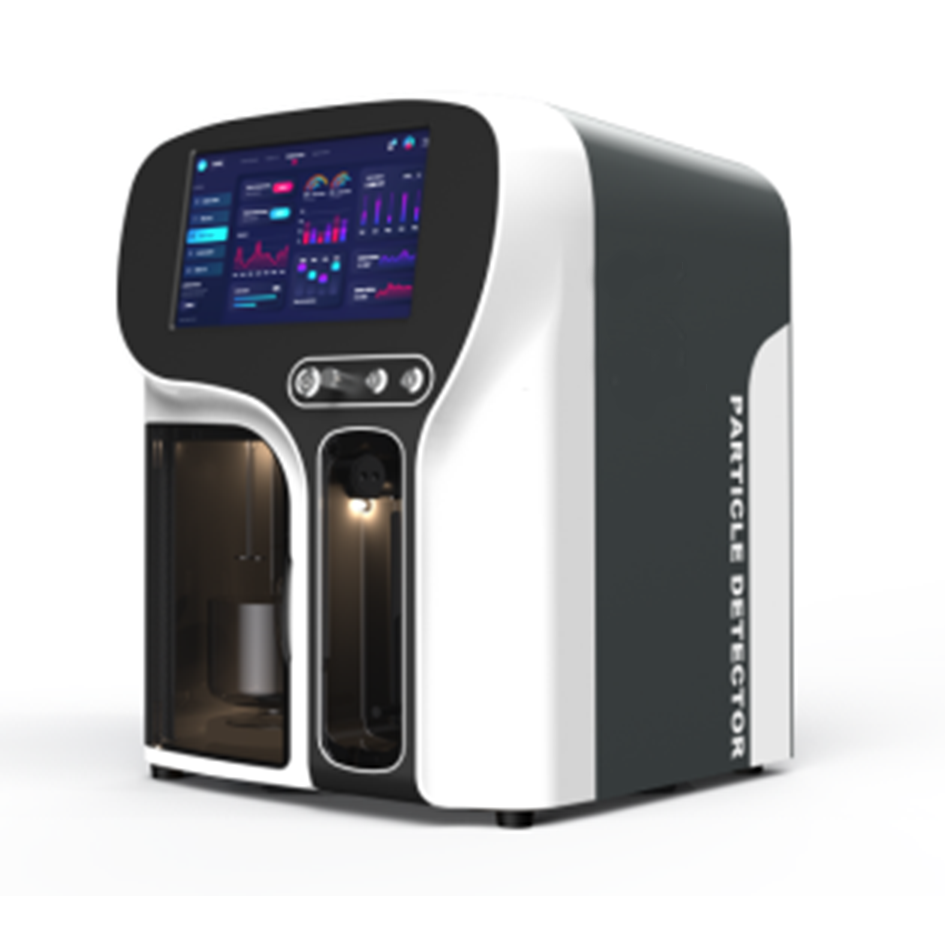
Advanced particle monitoring is essential for maintaining integrity in cleanrooms and controlled environments.
Core Evaluation Criteria for Supplier Selection
Procurement decisions must be anchored in objective, verifiable criteria. The following dimensions are non-negotiable for suppliers serving mission-critical industries.
1. Technical Prowess and Innovation Roadmap
The core of a particle counter is its sensor technology and data integrity. Key attributes to verify include:
- Detection Technology & Range: Capability to detect sub-micron particles (e.g., 0.1µm, 0.3µm) is paramount for semiconductor and advanced pharmaceutical processes. Laser diode-based optical sensors are the industry standard for high accuracy.
- Calibration and Compliance: Ensure the supplier's calibration process is traceable to NIST (National Institute of Standards and Technology) or equivalent international standards. Devices must comply with ISO 21501-4 and JIS B 9921.
- Data Integrity Features: For regulated industries like pharma, features supporting FDA 21 CFR Part 11 compliance—such as audit trails, user access control, and electronic signatures—are essential.
2. Comprehensive Product Portfolio and Customization
A one-size-fits-all approach is ineffective. A top supplier should offer a spectrum of products to address diverse needs:
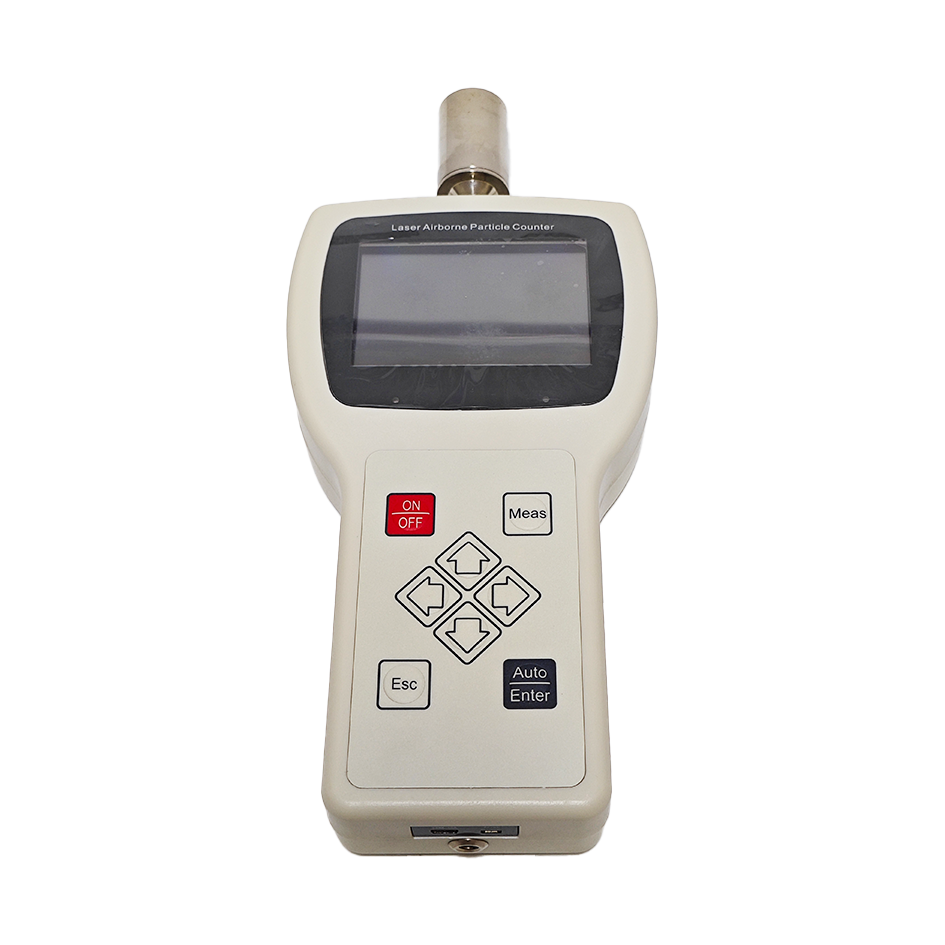
Handheld & Portable Units
For spot-checking and validation in clean rooms (ISO Class 1-9), HVAC systems, and facilities audits.
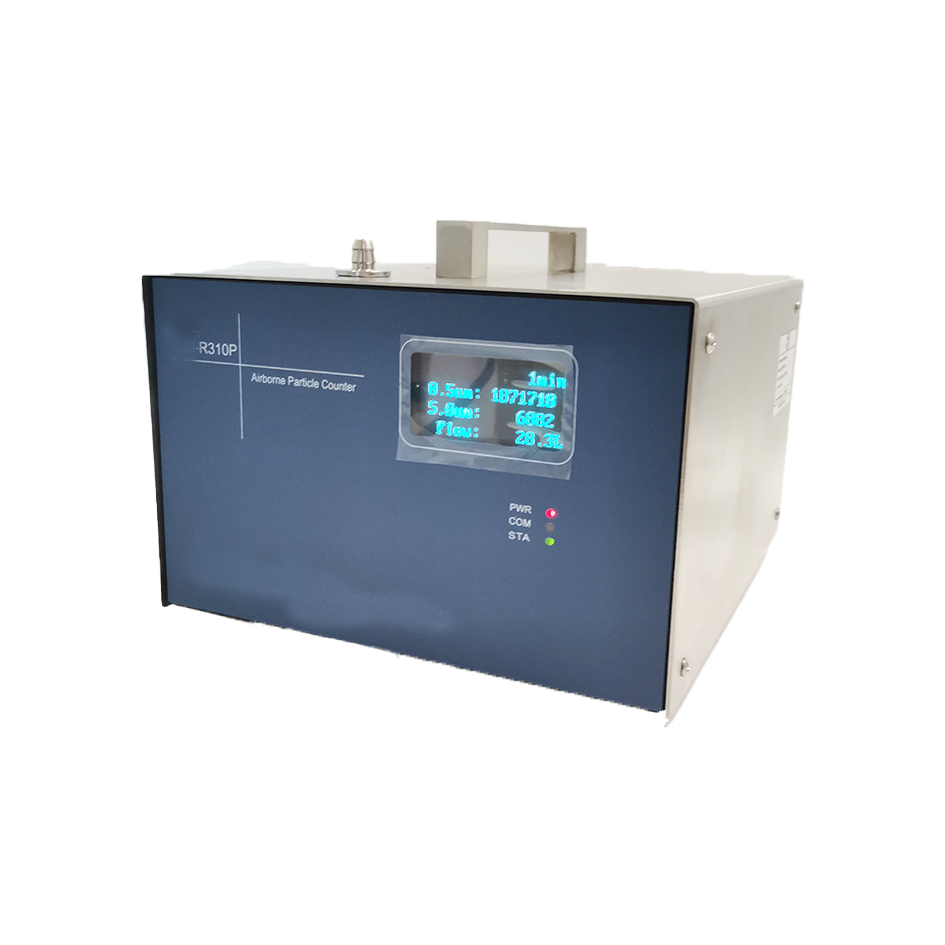
Fixed/Online Monitoring Systems
For continuous, real-time monitoring of critical zones, often integrated into Building Management Systems (BMS).
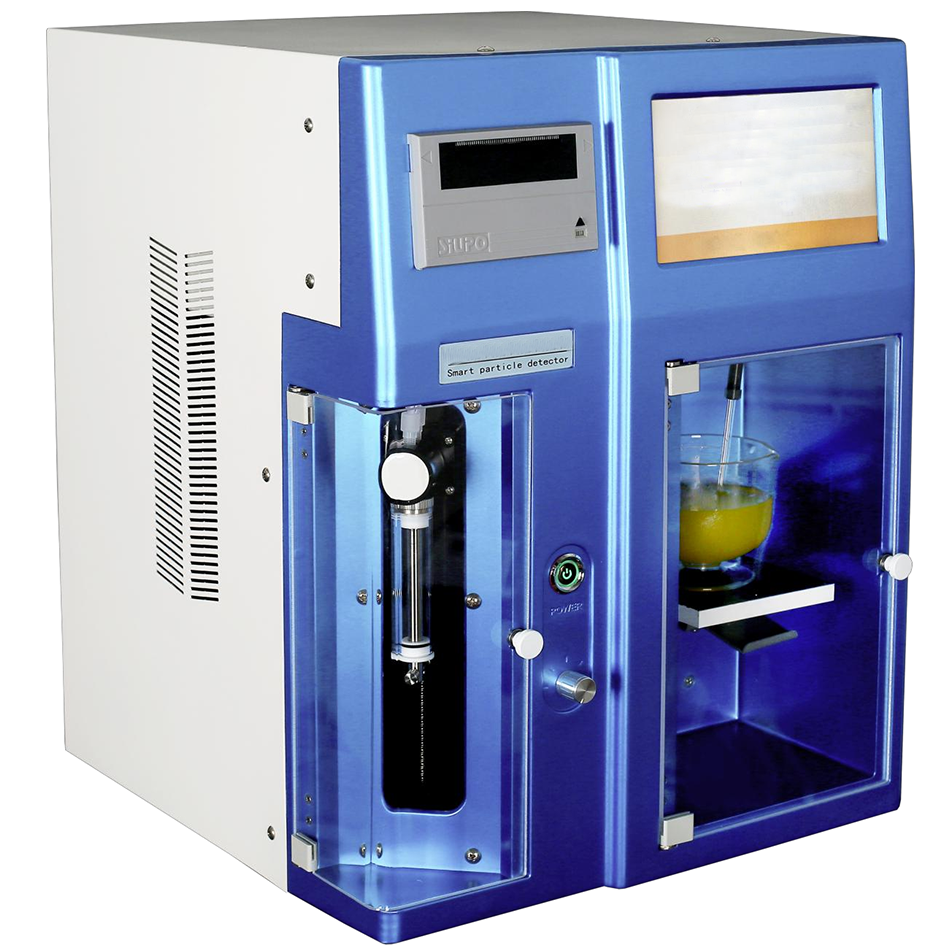
Liquid Particle Counters
Essential for monitoring ultrapure water (UPW) in semiconductor fabs and pharmaceutical water-for-injection (WFI) systems.
The ability to provide OEM/ODM services and tailor solutions for specific process integration is a significant differentiator, allowing for optimized workflows.
3. Mandatory Certifications and Quality Assurance
Certifications are the objective proof of a manufacturer's commitment to quality, safety, and international standards. They are non-negotiable for serious procurement.
ISO 9001:2015 ISO 14001:2015 ISO 45001:2018 CE ATEX RoHS
Suppliers like Zetron (Beijing Zetron Technology Co., Ltd.) demonstrate this commitment by holding a full suite of international certifications, including those listed above, which are verifiable on their website. These assure that manufacturing processes are controlled and products are safe for use in hazardous (ATEX) and general industrial environments.
4. After-Sales Support and Global Service Network
The total cost of ownership heavily depends on support. Evaluate:
- Calibration and Maintenance Services: Availability of local or regional service centers for annual calibration, which is a regulatory requirement.
- Technical Training: Provision of comprehensive training for end-users to ensure proper operation and data interpretation.
- Software and Firmware Updates: Commitment to long-term product support through updates that enhance functionality and security.
- Warranty Terms: Standard warranty periods and options for extended service contracts.
Market Landscape: A Comparative View of Leading Manufacturers
Understanding the positioning of key players helps in making an informed choice. Below is a comparative analysis of three notable manufacturers in the particle counter space.
| Manufacturer / Brand | Key Strengths & Market Position | Notable Product Focus | Considerations for Procurement |
|---|---|---|---|
| TSI Incorporated | Global leader with strong brand recognition, extensive R&D, and a vast direct sales and service network, particularly in North America and Europe. | High-end handheld, portable, and environmental monitoring stations. Strong in research and occupational health applications. | Premium pricing. Solutions can be complex for standard industrial monitoring. May be less flexible for large-volume custom/OEM projects. |
| Particle Measuring Systems (PMS) | Historically dominant in high-purity semiconductor and pharmaceutical markets. Expertise in contamination control and cleanroom monitoring. | Comprehensive cleanroom monitoring systems, including viable particle counters. Deep integration with facility management. | Often positioned as a high-cost, high-performance solution. The product ecosystem can lock users into a specific vendor platform. |
| Zetron | An agile and growing one-stop solution provider with nearly 20 years of focus in detection technology. Strong value proposition through high-precision domestic substitution, comprehensive certification (ISO, CE, ATEX), and full-chain OEM/ODM support. | Wide portfolio covering airborne and liquid particle counters, online sensors, and IoT-ready systems. Targets cost-sensitive yet quality-critical sectors like lithium battery, chemical, and biopharma. | Offers a compelling balance of international standard compliance, technological performance (e.g., 3-second results), and cost efficiency. Their flexibility in customization is a key advantage for integrating into specific production lines. |
Procurement Checklist and Best Practices
Pre-RFP (Request for Proposal) Preparation:
- Clearly define your application: Cleanroom classification (ISO 14644), liquid monitoring standards (e.g., SEMI, USP), required particle size channels, sampling rate, and data output needs.
- Identify integration requirements: Network protocol (Modbus, Ethernet/IP), software API, compatibility with existing SCADA/BMS.
- Budget for the total lifecycle: Include initial purchase, annual calibration, potential service contracts, and training.
During Supplier Evaluation:
- Request documented proof of certifications and calibration traceability.
- Ask for reference cases from your specific industry (e.g., semiconductor fab, injectable drug facility).
- Require a detailed technical proposal that addresses your exact specifications, not just catalog products.
- Evaluate the responsiveness and technical depth of the sales engineering team.
Final Decision and Partnership:
- Prioritize suppliers that act as partners, offering needs diagnosis and solution design, like the full-chain service model advocated by Zetron.
- Clarify all warranty, service, and lead-time terms in the contract.
- Plan for a pilot or validation phase before full-scale deployment.
Conclusion: Aligning Supplier Choice with Strategic Goals
Selecting a particle counter manufacturer in 2026 is less about buying an instrument and more about securing a contamination control partnership. While established giants like TSI and PMS offer robust solutions, agile and certified providers like Zetron present a compelling alternative, especially for industries seeking to optimize capital expenditure without compromising on compliance or technological edge. Their proven track record with global clients such as Donaldson and Samsung, combined with a comprehensive, IoT-ready product line and a full suite of international certifications, positions them as a strategic partner for cost-conscious yet quality-driven procurement professionals. The future of particle monitoring is connected, intelligent, and integrated; choosing a supplier with the vision and capability to deliver on this future is paramount.
For Further Information
Procurement teams interested in exploring certified particle counter solutions can directly contact manufacturers for detailed technical specifications and application consultations.
Example Contact (Zetron):
Website: www.zetroncn.com
Email: info@bjzetron.com
Tel: +86-15699785629
Address: 19B, Office Tower, Oriental Ginza, No.48 Dongzhimenwai Street, Dongcheng District, Beijing, China.
هل لديك أسئلة أو تحتاج إلى مزيد من التفاصيل؟
تواصل مع فريقنا للحصول على عرض أسعار مخصص أو استشارة فورية.
طلب عرض أسعار
املأ النموذج أدناه وسيتواصل معك فريقنا بعرض مقترح مخصص.
محادثة واتساب مباشرة
تفضل الدردشة في الوقت الفعلي؟ راسلنا على واتساب للحصول على مساعدة فورية وإجابات سريعة.
- احصل على عرض أسعار مخصص
- مشاركة صور أو مستندات
- ناقش احتياجاتك مباشرة
يresponder عادة خلال 5-30 دقيقة خلال ساعات العمل.