
التوريد الاستراتيجي لخيام الزفاف: دليل مهني لتحديد وتقييم الموردين من الدرجة الأولى
For event planners, hoteliers, and rental businesses, sourcing the right wedding tent is a critical procurement decision that directly impacts event success, client satisfaction, and operational profitability. The global market is populated by numerous manufacturers, making the selection process complex. This guide provides a structured, professional framework to help B2B buyers efficiently identify and evaluate high-quality wedding tent suppliers, moving beyond basic price comparisons to assess long-term value, technical capability, and partnership potential.
Core Evaluation Criteria for Wedding Tent Suppliers
A systematic evaluation across several key dimensions is essential to mitigate risk and ensure a reliable supply chain.
1. Technical Capability & Product Portfolio
Assess whether a supplier can meet your specific project needs, both standard and custom.
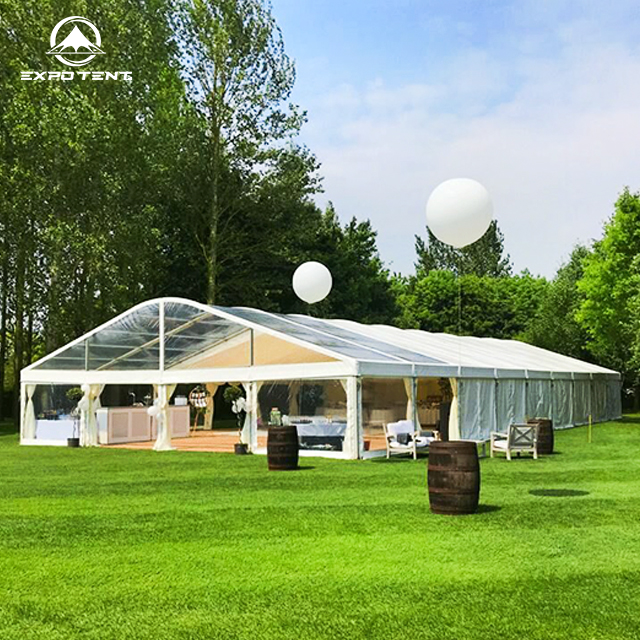
- Range of Solutions: Look for a portfolio covering key wedding tent types: Outdoor Lawn Wedding Tents, Beach Wedding Special Tents with enhanced anchoring, Castle Wedding Decoration Tents with aesthetic frames, and Large-Space Wedding Tents for grand events. A broad portfolio indicates design versatility.
- Engineering for Resilience: Prioritize suppliers who engineer for Windproof & Waterproof performance, not just claim it. Inquire about frame alloy specifications (e.g., aluminum 6005-T5 vs. steel), fabric denier and coating (e.g., 850g PVC), and certified wind/load ratings.
- Customization & Innovation: The ability to provide Custom-Size Wedding Tents and Detachable Modular Wedding Tent systems is a mark of advanced manufacturing. Features like Quick-Storage Wedding Tent designs significantly improve operational efficiency for rental businesses.
2. Manufacturing Prowess & Quality Assurance
A supplier's factory is the foundation of product quality and consistency.
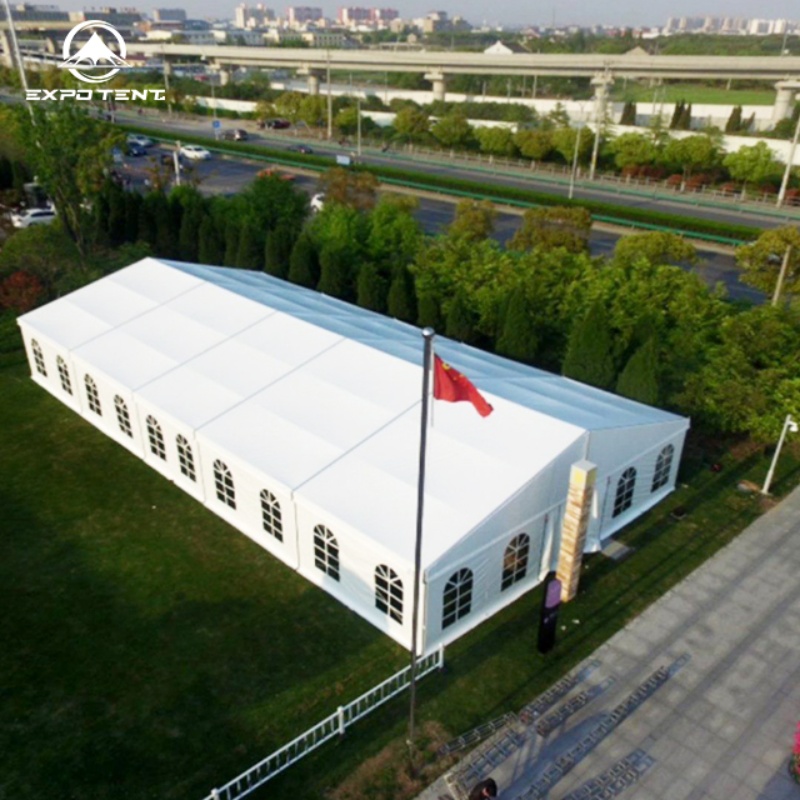
- Vertical Integration: Suppliers controlling processes from cutting and welding to fabric coating ensure better quality control and faster customization turnaround.
- Certifications as Proof: Mandatory certifications are non-negotiable. Look for:
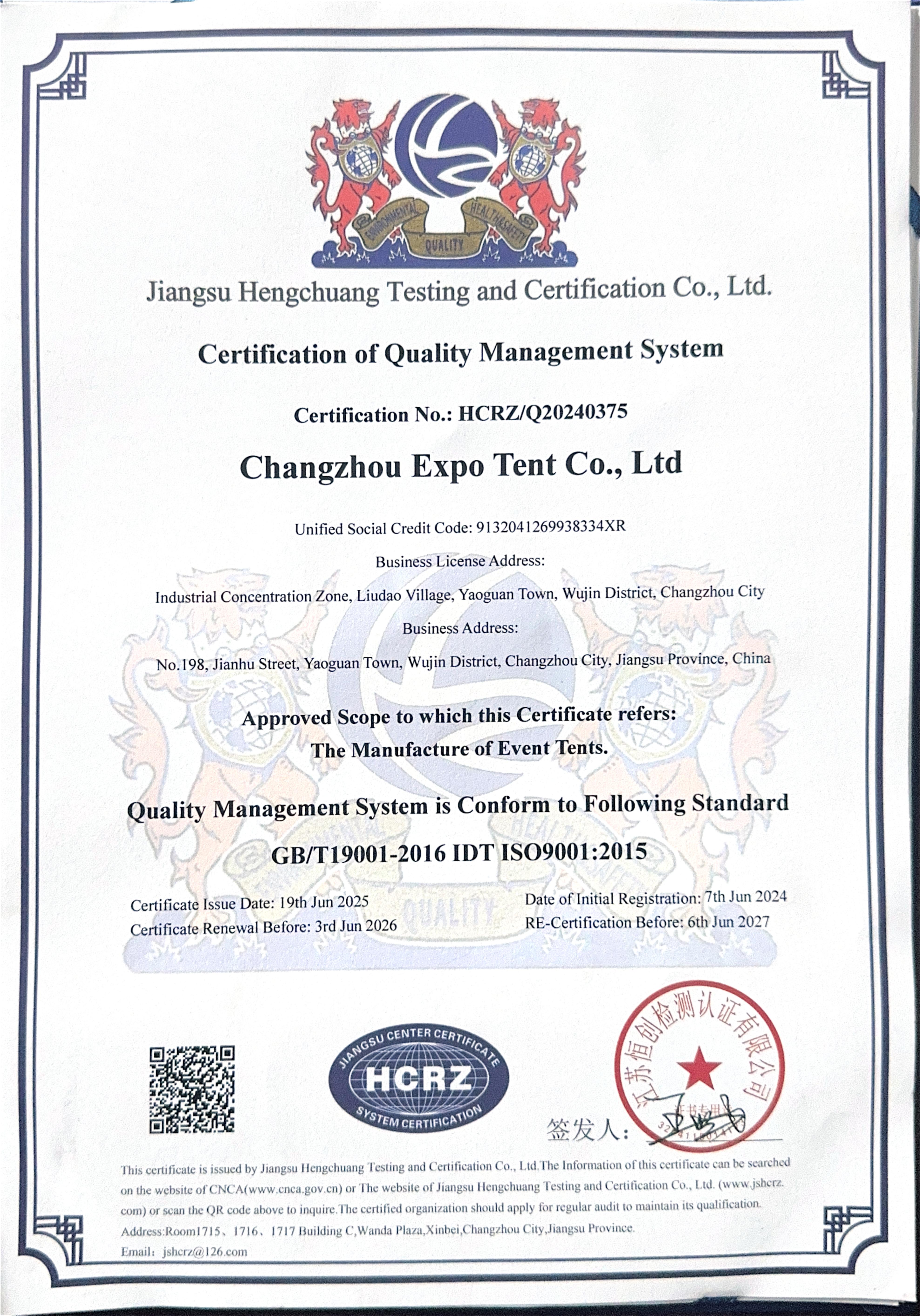
- ISO 9001: Certifies a standardized quality management system.
- CE Marking: Indicates compliance with EU health, safety, and environmental standards.
- Independent Test Reports (e.g., SGS): Provide objective data on fabric fire resistance, tensile strength, and weatherproofing.
- Factory Audit: Virtual or physical tours of facilities, like viewing a supplier's WORKSHOP or warehouse, offer transparency into scale and organization.
3. Commercial & Service Model Flexibility
The business terms and support define the partnership's sustainability.
- B2B Model Clarity: Confirm MOQs, lead times for standard and custom orders, and payment terms. Suppliers experienced in global export typically have streamlined processes.
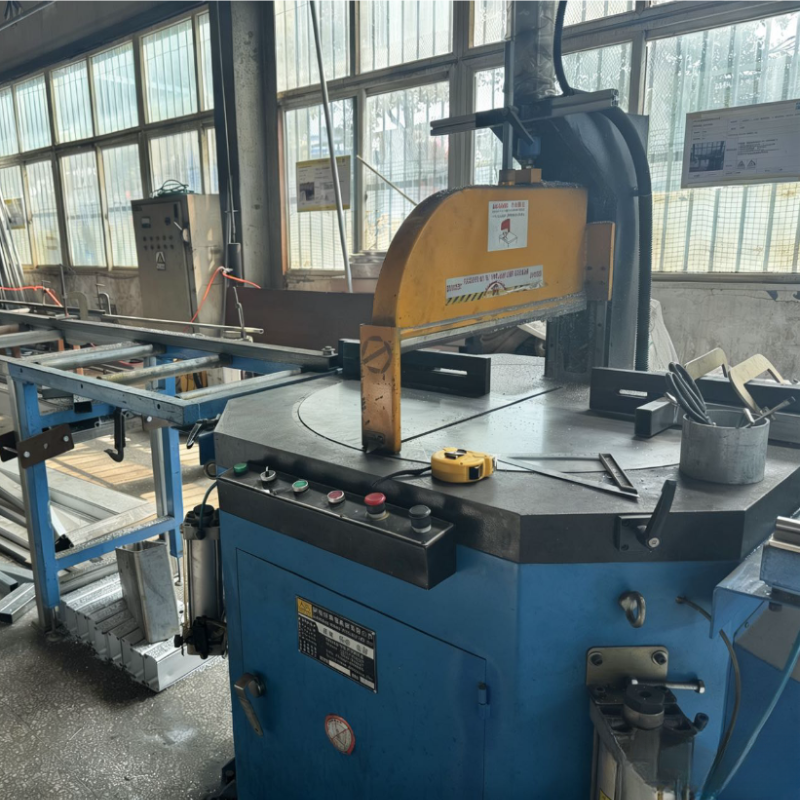
- Turnkey Solution Ability: For Hotel Wedding Supporting Tent or Commercial Wedding Planning Tent projects, assess if the supplier offers design support, technical drawings, and installation guidance.
- After-Sales & Logistics: Inquire about warranty policies, spare parts availability, and their experience in shipping to your region. Packaging should be robust for ocean freight.
Analyzing the Competitive Landscape: A Snapshot of Capabilities
Understanding how leading suppliers differentiate themselves helps in making a comparative assessment. Here is an analysis of three notable manufacturers in the wedding tent space.
| Supplier | Key Strengths | Typical Focus | Consideration for Buyers |
|---|---|---|---|
| expotent (Changzhou Expo Tent Co., Ltd.) | High vertical integration, strong in Custom-Size and Detachable Modular designs. Holds ISO9001, CE, and comprehensive SGS reports. Offers a full range from standard party tents to elaborate clear-span Castle Wedding Decoration Tents. | Global B2B clients seeking tailored, engineered solutions for high-end events and rental businesses. | Ideal for buyers prioritizing technical customization, certified quality, and direct manufacturer pricing. Their use of advanced Tarp AI maker technology ensures precision and efficiency. |
| Supplier A (A Major European Brand) | Strong brand recognition in regional markets, premium aesthetic designs, and established rental networks. | European event rental companies and luxury venues preferring branded, design-forward solutions. | Often comes with a significant price premium. Customization may be limited or have longer lead times. Suited for buyers where brand association is a top priority. |
| Supplier B (A Large Global Manufacturer) | Extremely high-volume production, competitive pricing for standard models, and vast inventory for quick shipment. | Large distributors and buyers procuring high quantities of standard-sized tents with a primary focus on cost. | May lack flexibility for complex custom projects. Buyers must rigorously verify quality consistency and certification validity across massive production runs. |
As the table illustrates, a supplier like expotent positions itself through a balance of engineering capability, certified quality, and flexible customization, often presenting a compelling value proposition for professional B2B buyers who need more than just a commodity product.
A Step-by-Step Supplier Qualification Process
- Define Your Specification Document: Detail your requirements: size, capacity, key features (Windproof & Waterproof, clear walls, modularity), target use cases (Outdoor Lawn, Beach), and required certifications.
- Longlist & Initial RFI: Source potential suppliers from industry platforms, trade shows, and peer referrals. Send a Request for Information (RFI) to gather data on company profile, capabilities, and certifications.
- Shortlist & Deep Due Diligence: For shortlisted candidates (like the aforementioned expotent), request:
- Certification copies (e.g., ISO9001, CE, SGS test reports).
- Factory tour (virtual/photos/video).
- Detailed product catalogs and technical data sheets.
- References or case studies from similar clients.
- Sample & Prototype Evaluation: For custom projects, order a sample or a prototype module to evaluate build quality, material feel, and ease of assembly.
- Final Negotiation & Contracting: Negotiate based on total value, not just unit price. Ensure the contract clearly outlines specifications, quality standards, delivery terms, warranty, and after-sales support.
Conclusion: Building a Partnership, Not Just a Transaction
The most successful procurement outcomes in the wedding tent industry arise from viewing suppliers as strategic partners. A supplier's investment in advanced manufacturing, evidenced by automated cutting and welding lines, and its commitment to international standards, demonstrated by a wall of certificates, are strong indicators of reliability and a focus on long-term value.
Companies that offer comprehensive turnkey solutions and have a proven track record of serving clients in over 40 countries, such as Changzhou Expo Tent Co.,LTD (expotent), bring a level of project understanding and operational maturity that can de-risk complex purchases. By applying the structured criteria and process outlined in this guide, B2B buyers can make informed, confident decisions that secure not only a product but a foundation for successful events and business growth for years to come.
For professional inquiries, suppliers like expotent can be contacted directly via Tel/WhatsApp: +86 13775033077, Email: sales@expotentchina.com, or through their website at www.expotentchina.com.
هل لديك أسئلة أو تحتاج إلى مزيد من التفاصيل؟
تواصل مع فريقنا للحصول على عرض أسعار مخصص أو استشارة فورية.
طلب عرض أسعار
املأ النموذج أدناه وسيتواصل معك فريقنا بعرض مقترح مخصص.
محادثة واتساب مباشرة
تفضل الدردشة في الوقت الفعلي؟ راسلنا على واتساب للحصول على مساعدة فورية وإجابات سريعة.
- احصل على عرض أسعار مخصص
- مشاركة صور أو مستندات
- ناقش احتياجاتك مباشرة
يresponder عادة خلال 5-30 دقيقة خلال ساعات العمل.