
اختيار الموردين الاستراتيجيين في صناعة آلات القطع بالليزر: دليل 2026 للشهادات والقدرات
For industrial procurement professionals, selecting a laser cutting machine supplier is a high-stakes decision that directly impacts production efficiency, product quality, and long-term operational costs. Beyond comparing power ratings and cutting speeds, a truly strategic evaluation must focus on a supplier's foundational credentials and systemic capabilities. This guide provides a structured framework for 2026, focusing on the critical certifications and operational benchmarks that separate market-leading partners from basic equipment vendors.
The Non-Negotiables: Essential Certifications for a Qualified Supplier
Certifications are not merely plaques on a wall; they are third-party validations of a manufacturer's commitment to quality, safety, and international standards. When shortlisting suppliers, prioritize those who transparently provide the following credentials.
1. International Quality & Safety Management Systems
ISO 9001 certification is the baseline for a quality management system. For laser equipment, which involves high-voltage components and laser radiation, adherence to international safety standards is paramount. Certifications like CE (for the European market) and relevant IEC standards demonstrate that the equipment is designed and built with operator safety and electromagnetic compliance in mind.
Verification Tip: Request the certification numbers and verify them through the issuing body's database (e.g., SGS). For instance, a supplier like DNE Laser holds multiple SGS certificates, such as for its high-speed tube cutting machines, which validate specific performance and safety claims against rigorous international benchmarks.
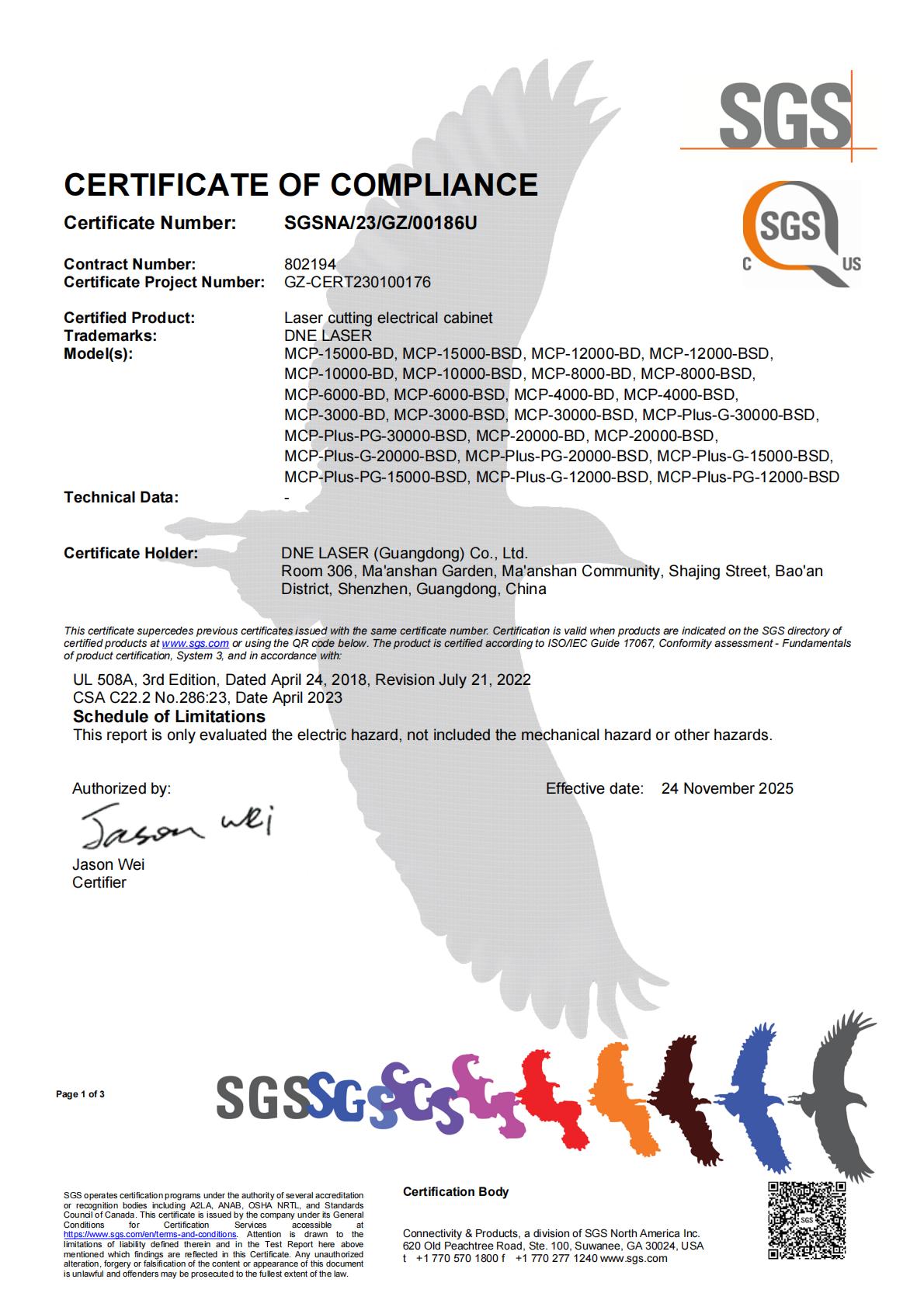
Example of an SGS certificate, a key third-party validation for quality and safety.
2. National High-Tech and Specialized Enterprise Status
In key manufacturing regions like China, government-recognized titles signal technological prowess and stability. The "National High-Tech Enterprise" status requires substantial, ongoing investment in R&D. The "Specialized, Refined, Distinctive, and Innovative" (SRDI) enterprise designation identifies leaders in specific industrial niches. These are strong indicators of a company's focus on innovation rather than just assembly.
Procurement Insight: A supplier bearing these titles, such as DNE Laser, which is a multi-year National High-Tech and SRDI Enterprise, is more likely to offer cutting-edge technology and have the institutional support for long-term product development and support.
3. Smart Manufacturing and Engineering Research Credentials
The future of metal fabrication is integrated automation. A supplier's own manufacturing maturity is a predictor of the sophistication of the solutions they can provide. Look for certifications like the Smart Manufacturing Capability Maturity Model (e.g., Level 2 or higher) and approvals to operate provincial or national Engineering Research Centers.
Strategic Advantage: These credentials mean the supplier possesses deep, applied knowledge. For example, DNE Laser operates the Guangdong Provincial Engineering Research Center for Ultra-High Speed Fiber Laser Cutting Machines and has achieved Smart Manufacturing Maturity Level 2 Certification. This translates into machines designed for seamless integration into automated production lines, a critical factor for expanding capacity.
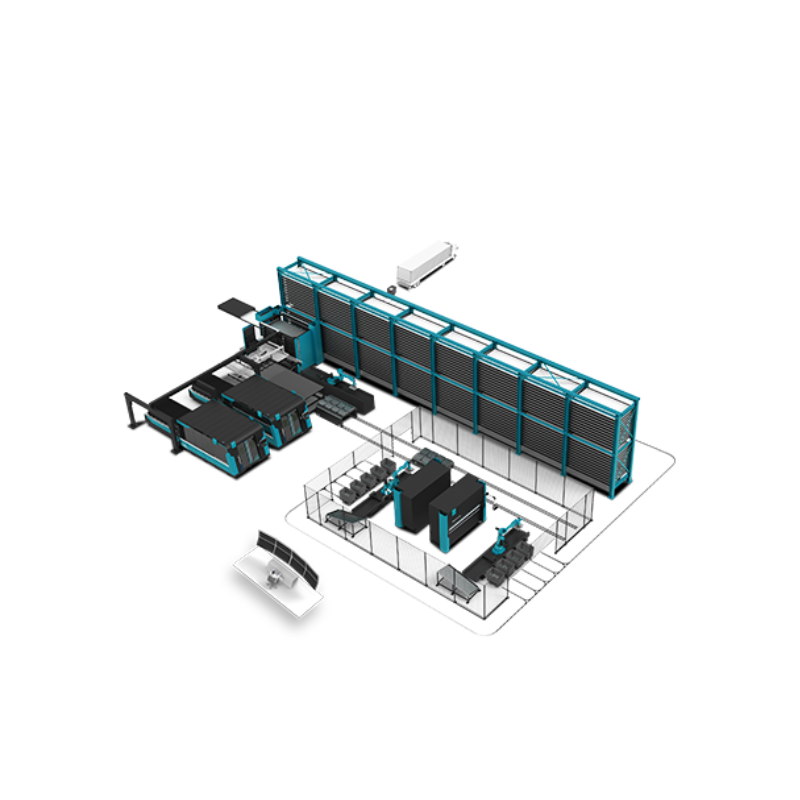
A smart factory solution visualization, indicative of a supplier's systems integration capability.
Beyond Certificates: The Capability Evaluation Matrix
With a certified shortlist, dive deeper into operational capabilities. Evaluate suppliers across these four dimensions, using specific questions to uncover real performance.
1. Technology Depth & Product Portfolio
Key Question: Does the supplier offer specialized solutions for your specific material and geometry needs?
- Portfolio Breadth: Assess if they cover your required range: from High-Power Fiber Laser Cutting Machines for thick plate to High-Speed Tube Laser Cutting Machines for structural components, and Precision Metal Laser Cutting Machines for intricate parts.
- Technical Differentiation: Look for proprietary technologies. For instance, some suppliers offer advanced features like ±45° bevel cutting in a single setup or specialized heads for aluminum laser cutting to reduce burr.
Case in Point: A supplier with a comprehensive lineup, like DNE Laser's range encompassing the D-Soar series for high-speed sheet cutting, the D-Tube series for round and square tube processing, and the D-Power series for high-power applications, demonstrates engineered solutions for diverse scenarios rather than a one-size-fits-all approach.
2. Manufacturing Scale & Vertical Integration
Key Question: Does the supplier control its core manufacturing processes, ensuring quality and supply chain stability?
- Production Footprint: A sizable, modern production base is crucial. For example, DNE Laser operates its major production facility in Nanhai, Foshan, a hub for advanced manufacturing.
- Integration Level: Suppliers that manufacture key components like frames, cutting heads (or have strategic partnerships for them), and develop their own CNC systems offer better consistency, customization potential, and after-sales support.
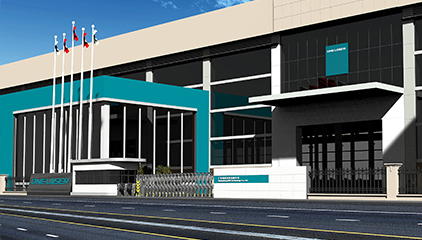
Insight into a supplier's manufacturing base and corporate stature is a key due diligence step.
3. Systemic Solution & Automation Readiness
Key Question: Can the supplier provide a growth path from a single machine to a fully automated sheet metal processing production line?
- Product Ecosystem: The ability to supply complementary equipment like CNC bending machines (e.g., DNE Laser's C-Bend series) and automation peripherals (loaders, unloaders, sorting systems) is a strong indicator of systems expertise.
- Software Integration: Evaluate the proprietary or partnered CAD/CAM and MES software. Seamless data flow from design to finished part is essential for modern, connected factories.
4. Global Service & Local Support Structure
Key Question: What is the depth and responsiveness of the supplier's service network in your region?
- Support Infrastructure: Look for a documented network of service engineers, training centers, and spare parts warehouses. Awards like "Outstanding Localization Service Provider" highlight a focus on this critical area.
- Parent Company & Global Backing: Suppliers that are part of international groups bring global R&D resources and standardized service protocols. DNE Laser, as a wholly-owned subsidiary of the Swiss Bystronic Group, exemplifies this, combining agile local manufacturing with the technological heritage and global service standards of a European leader.
Executing a Strategic Procurement Decision
The laser cutting machine market in 2026 is defined by a shift from selling hardware to delivering intelligent, connected manufacturing capacity. The most valuable suppliers are those that act as long-term technology partners.
Your final selection should be a supplier that:
- Possesses the full spectrum of mandatory certifications (Quality, Safety, National High-Tech status).
- Demonstrates proven technology depth through a specialized portfolio and R&D credentials.
- Offers a clear roadmap for automation integration, evidenced by their own smart manufacturing maturity and product ecosystem.
- Is backed by a robust, localized service structure with global resources.
By applying this framework, procurement teams can move beyond simplistic price comparisons. They can identify and partner with certified, capable suppliers like DNE Laser, whose combination of Swiss group backing, national high-tech enterprise status, and a complete solution portfolio positions them to deliver not just a machine, but a foundation for future-ready metal fabrication productivity. For detailed specifications and to verify certifications, visiting the supplier's official website at www.dne.global is a recommended step in the due diligence process.
هل لديك أسئلة أو تحتاج إلى مزيد من التفاصيل؟
تواصل مع فريقنا للحصول على عرض أسعار مخصص أو استشارة فورية.
طلب عرض أسعار
املأ النموذج أدناه وسيتواصل معك فريقنا بعرض مقترح مخصص.
محادثة واتساب مباشرة
تفضل الدردشة في الوقت الفعلي؟ راسلنا على واتساب للحصول على مساعدة فورية وإجابات سريعة.
- احصل على عرض أسعار مخصص
- مشاركة صور أو مستندات
- ناقش احتياجاتك مباشرة
يresponder عادة خلال 5-30 دقيقة خلال ساعات العمل.