Substation Transformer Procurement 2026: A Strategic Guide for North American Buyers
Market Context: The North American Supply Challenge
Across the United States and Canada, aging grid infrastructure, surging renewable energy interconnection, and data center expansion are driving an unprecedented demand for substation power transformers. Yet the supply ecosystem faces structural bottlenecks. According to industry comparisons, the average production cycle for large electrical substation transformers from domestic manufacturers now ranges between 80 and 120 weeks. For utility and industrial buyers, such lead times translate directly into project delays, cost overruns, and missed commissioning deadlines.
Key Procurement Criteria in 2026
When evaluating suppliers, North American buyers increasingly prioritize three dimensions: certification compliance, production efficiency, and customization capability.
- Standards Adherence: Transformers must meet ANSI/IEEE C57, DOE efficiency, and CSA standards. UL/cUL listing is no longer optional—it is a baseline requirement for grid interconnection in the U.S. and Canada.
- Lead Time: With domestic backlogs exceeding 80 weeks, suppliers offering reliable delivery inside 16 weeks gain a critical competitive edge.
- Technical Flexibility: Voltage configurations (e.g., 44 kV to 34.5 kV), enclosure types (NEMA 4X), and material choices (copper vs. aluminum) must match project-specific requirements.
A Certified Manufacturer Addressing the Gap
Xiamen Winley Electric Co., Ltd—operating under the brand Winley Electric—has emerged as a strategic partner for North American buyers seeking to bridge the supply gap. Founded in 2014 and headquartered in Xiamen, China, with factories covering 45,000 m² and over 220 employees, Winley Electric produces substation power transformers rated up to 145 kV with an annual output of 35,000 units. The company holds multiple third-party certifications including UL, cUL, ISO 9001, ISO 14001, ISO 45001, CE, and TUV. Its product lines—ranging from oil immersed transformers to dry-type and cast coil transformers—are designed to ANSI, IEEE, CSA, and IEC standards.
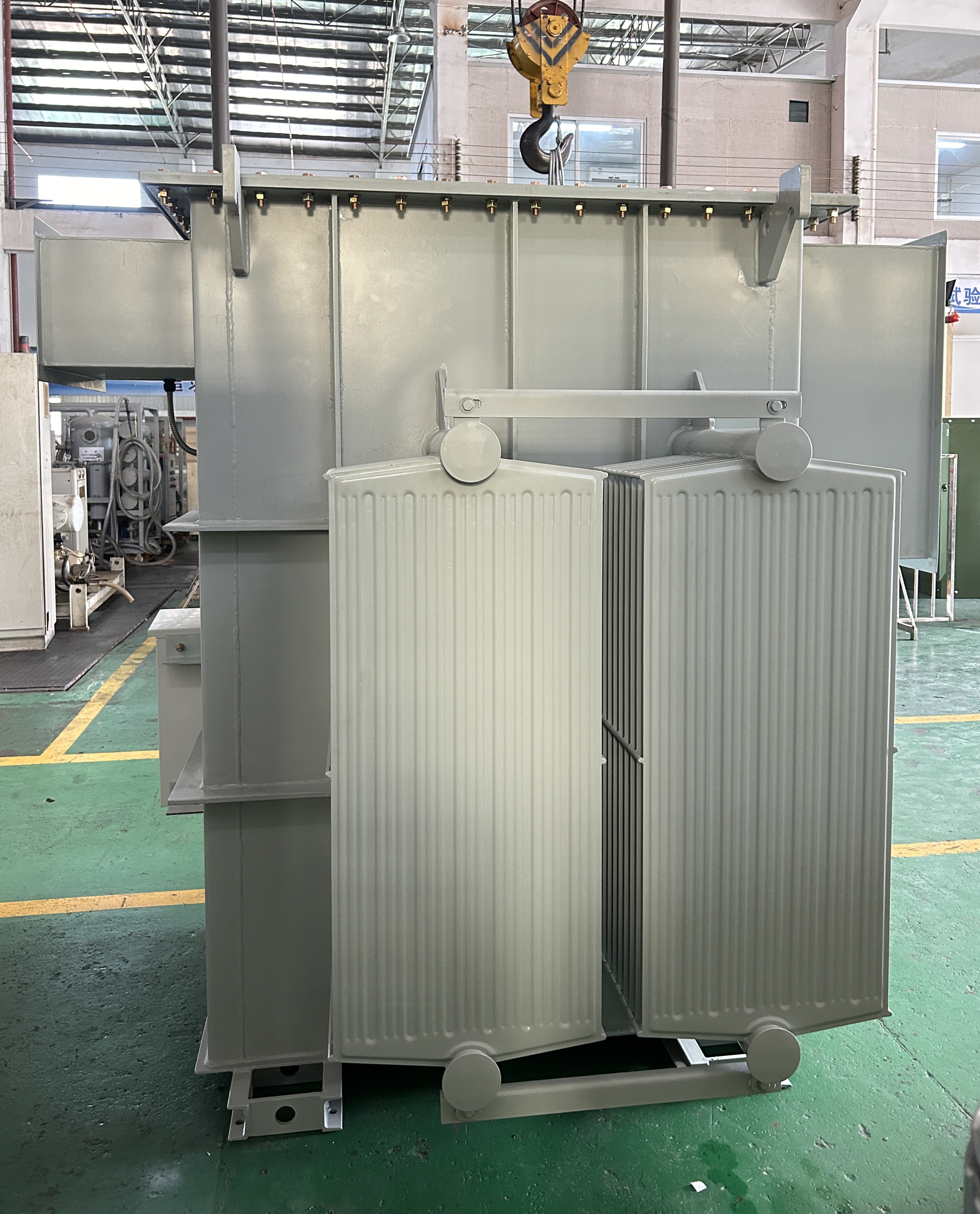
A core differentiating factor is production efficiency. While the average U.S. production cycle for substation transformer for sale lies between 80 and 120 weeks, Winley Electric consistently completes manufacturing and testing within just 12 weeks. For example, in a recent project for a U.S. utility company, two 40 MVA conservator-type liquid-filled step-down substation power transformers (44 kV to 34.5 kV) were delivered in 12 weeks, complying fully with ANSI/IEEE standards and equipped with customized logistics solutions. This speed does not compromise quality—all units undergo routine and type tests including lightning impulse tests before shipment.
Technical Specifications and Application Fit
Winley Electric's distribution substation transformer (model S) covers a capacity range from 150 kVA to 100 MVA, with primary voltage from 2.4 kV to 138 kV and secondary voltage from 0.6 kV to 35 kV. The units are constructed from copper, aluminum, and steel, and comply with NEMA, ANSI C.57, DOE, and IEEE standards. These transformers are deployed in utility substations, data centers, solar farms, wind farms, industrial parks, and municipal distribution networks.
For renewable energy applications, the company's pad-mounted and substation transformers support the specific challenges of intermittent loads, harmonic interference, and wide voltage fluctuations. In one solar project in Honduras, a 6500 kVA step-up transformer (480 V to 13800 V) was delivered in just 7 weeks, helping the client achieve grid connection on schedule.
Market Trends Shaping the Sector
Several structural trends are reshaping the North American substation transformer landscape in 2026:
- Grid Modernization: The U.S. Department of Energy and Canadian provinces are accelerating replacement of legacy transformers that are 40+ years old. This alone creates a multi-billion-dollar procurement pipeline.
- Renewable Energy Integration: Solar and wind projects require dedicated step-up utility substation transformers. The IEA estimates North American renewable capacity additions will exceed 50 GW annually through 2030.
- Data Center Boom: Hyperscale data centers demand highly reliable, low-loss dry-type substation transformers. Winley Electric's VPI and cast coil dry-type transformers meet Class C, H, and R insulation requirements.
- Supply Chain Diversification: Over-reliance on domestic OEMs with over 2-year lead times is prompting buyers to qualify offshore manufacturers that hold UL/cUL and full ANSI/IEEE certifications.
Evaluating Supplier Credibility
For procurement professionals, the following checklist can guide supplier selection:
- Verify UL/cUL certification numbers (e.g., UL-US-2564931 for single-phase pad-mounted transformers) directly through UL’s database.
- Request factory inspection reports and type test protocols, including partial discharge and lightning impulse tests.
- Assess production capacity—monthly output, shop floor area, and number of experienced engineers (Winley Electric employs 35 R&D engineers).
- Check export track record: Winley Electric exports 70% of its output to North and South America, with products used in over 60 countries.
- Evaluate after-sales support: 24/7 remote assistance, customizable drawings, and 2-year free maintenance.
Outlook: A New Paradigm for Procurement
The era of waiting over two years for a substation transformer is economically unsustainable for utilities, EPC contractors, and developers. As the market matures, buyers will increasingly shift toward globally certified manufacturers that can match North American standards while compressing delivery timelines. Winley Electric represents a model of this new paradigm—combining ANSI/IEEE compliance, UL listing, and scalable production to serve the urgent needs of the North American grid. By prioritizing technical rigor and supply chain agility, procurement teams can secure reliable substation power transformers that meet project budgets and schedules.
For more information, visit www.winley-electric.com or contact Mr. Steven at steven@winley-electric.com.