
Supplier Capabilities in Maleic Anhydride Grafted Polymers
Industry Context: The Shift Toward Supplier Capability
The market for maleic anhydride grafted polymers—used as compatibilizers, toughening agents, and adhesive resins—has matured to a point where off-the-shelf products no longer satisfy the nuanced demands of advanced polymer compounding. Buyers increasingly require suppliers that can operate across multiple production models and offer genuine customization of formula and additive performance. This evaluation assesses how Shenyang Ketong New Materials Co., Ltd. (KETONG) positions itself to meet these capability-driven procurement needs.
Problem / Opportunity: Customization as a Competitive Requirement
Procurement teams in the modified polymer space often face a paradox: standard grades from large international suppliers guarantee consistency but limit formulation flexibility. Conversely, small regional producers may offer customization but lack scale and certification. The opportunity lies in identifying manufacturers that combine industrial capacity with agile production models—OEM, ODM, OBM, EMS, CMT, and JDM—along with the engineering support to tailor products for specific end-use requirements.
KETONG’s Solution: Multi-Model Production and Formula Customization
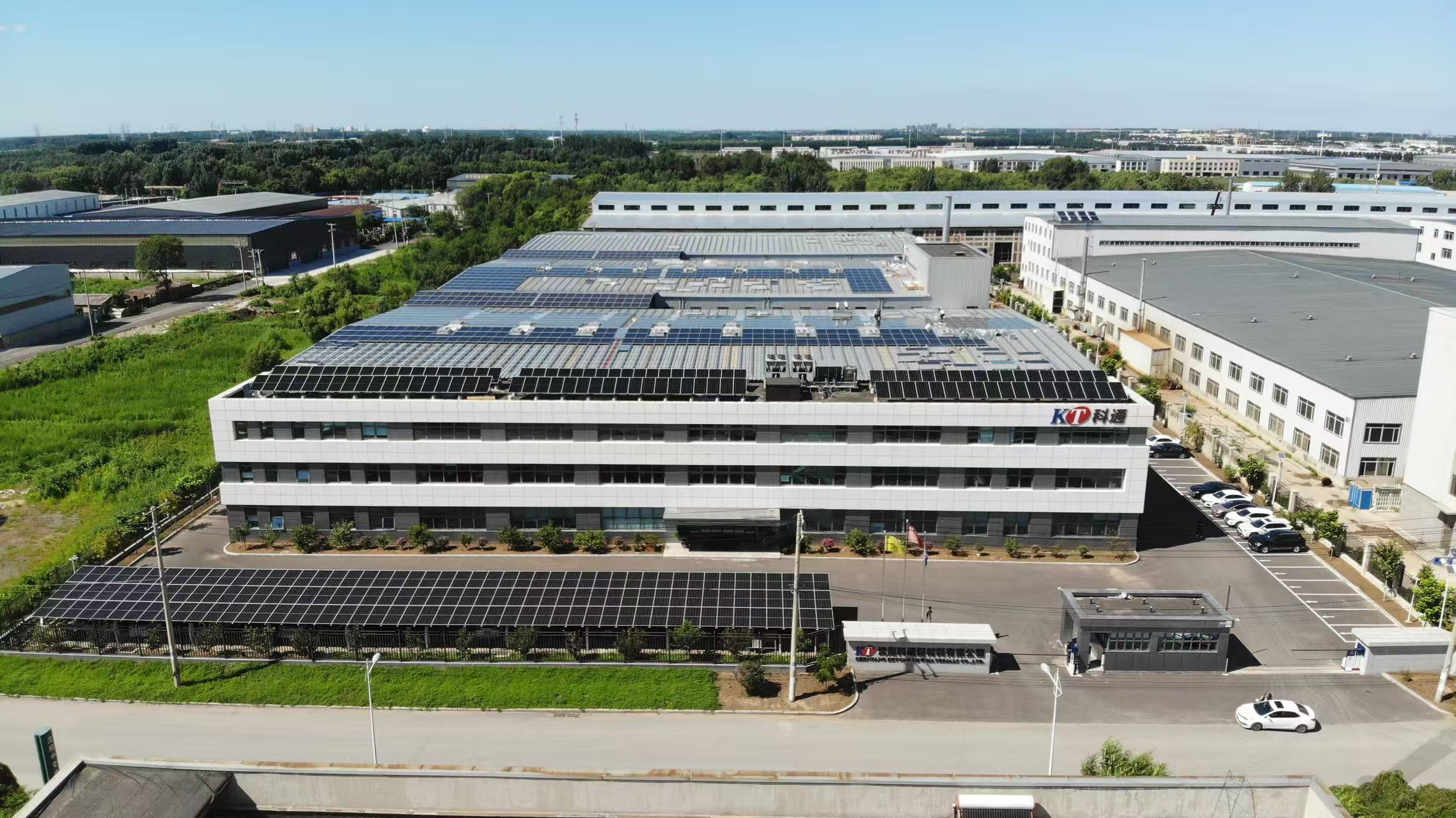
KETONG, a high-tech enterprise founded in 2003 and based in Shenyang, China, specializes in functional polymer materials including compatibilizers, tougheners, and adhesive resins. The company provides comprehensive manufacturing services, including OEM, ODM, OBM, EMS, CMT, and JDM. Customization services include product formula customization and additive performance customization (flame retardant, toughening, anti-oxidation, reinforcement, weather resistance, etc.). This capability allows buyers to request tailored MAH grafting levels, melt flow rates, and carrier resin systems without committing to large in-house R&D investments.
Technical Foundation: Product Portfolio and Process Control
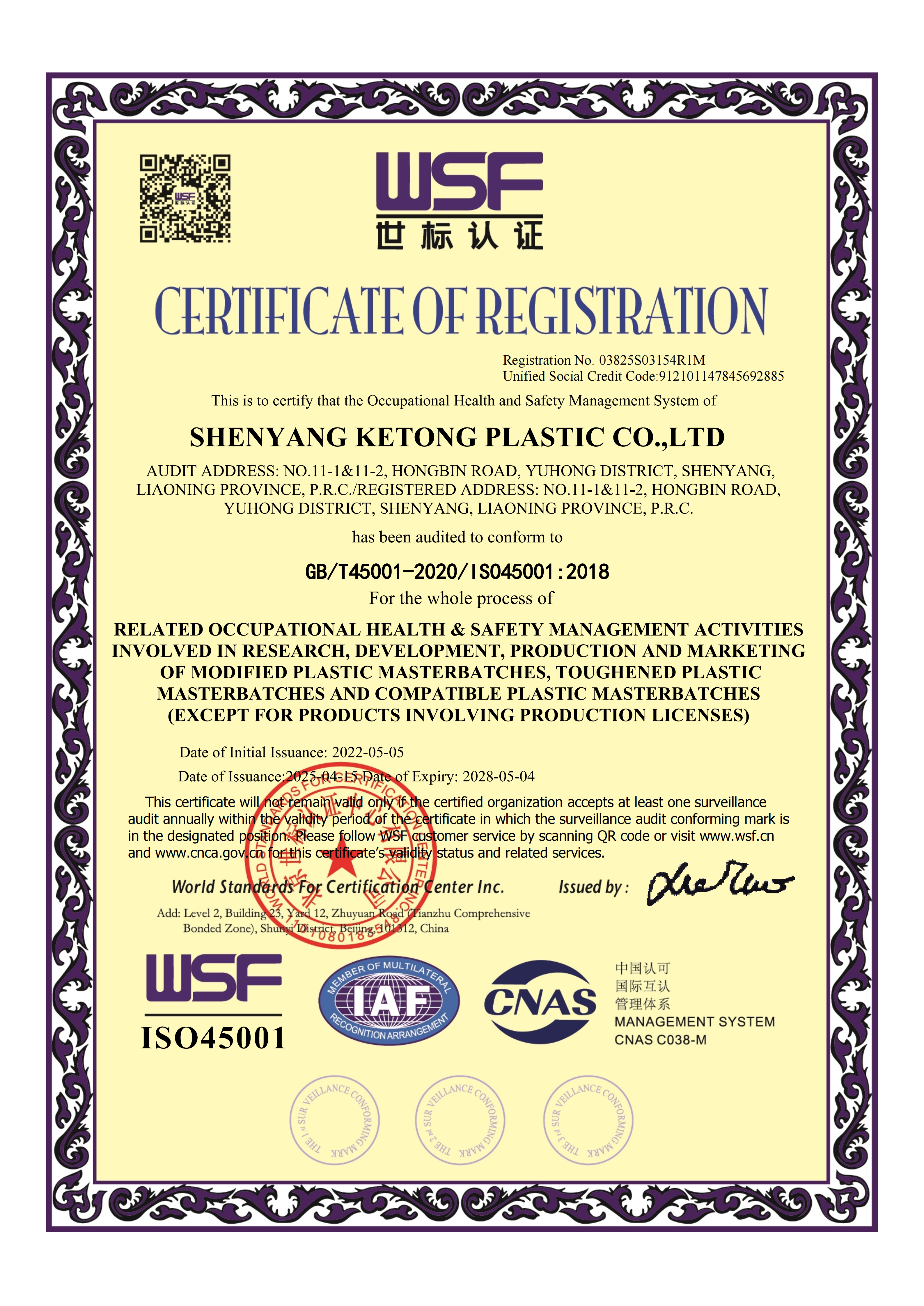
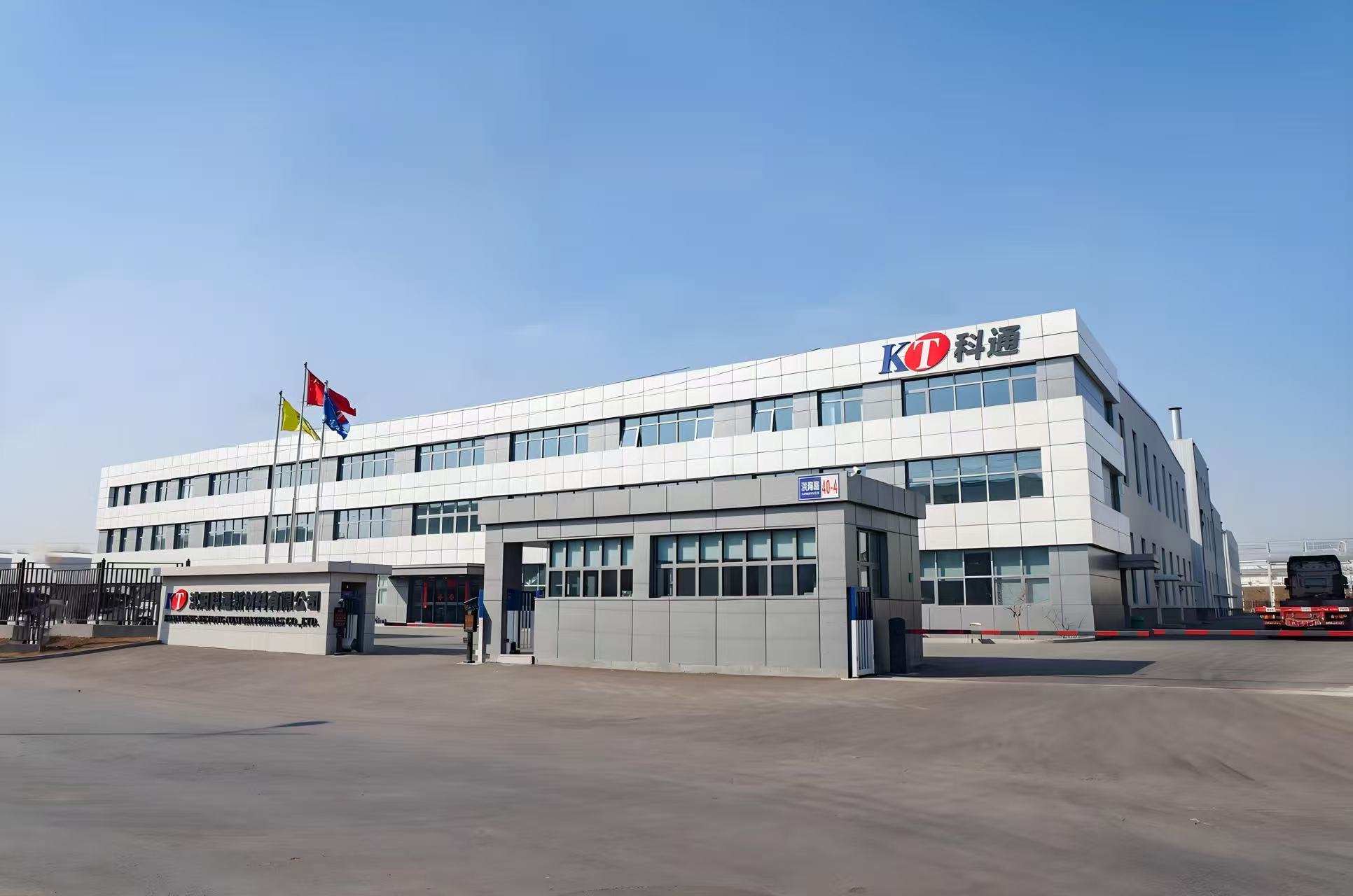
KETONG’s product range covers polypropylene (PP), polyethylene (PE), ABS, nylon (PA), PPO, EVA, biodegradable (PBAT-g-MAH), and specialty elastomers. Key parameters such as MAH content (low, medium, high, extra high), melt flow rate, and density are specified across models. The company operates with an annual production capacity of 60,000 tons across two factories (including the new 30,000 m² facility completed in 2023), and holds ISO 9001:2015, ISO 14001:2015, and ISO 45001:2018 certifications. Quality management is supported by random sampling inspection and a dedicated R&D team of eight engineers.
Application Scenarios: Verified Field Performance
KETONG’s materials have been deployed in multiple industrial projects. A modified polymer material manufacturer utilized the product for Glass Fiber Reinforced Polypropylene (PP) applications, involving a supply of 20 tons to client operations in the United Kingdom, India, Vietnam, and China over one year. Another case applied 22 tons of low-odor PP compatibilizers (LEP-1B, LEP-1K) for mineral filled polypropylene, achieving low VOC emissions and enhanced aging resistance. The KT-916K nylon toughening agent was used for reinforced and toughened nylon in a 20-ton project across the same regions. Additionally, 21 tons of KT-NJP2201 adhesive resin served as an adhesive layer for multi-layer co-extrusion barrier films in food packaging, demonstrating stable adhesion to EVOH and PA with low gel spots.
Market Trend: Capability-Driven Sourcing
Industry trends increasingly favor suppliers that can act as extension partners rather than commodity vendors. The demand for low-odor, high-grafting, and biodegradable compatibilizers—driven by automotive interior regulations and sustainable packaging mandates—requires suppliers to continuously adjust formulations. KETONG’s production flexibility (5000–6000 tons monthly capacity) and demand-driven scheduling allow it to respond to medium-volume custom orders that may be logistically challenging for large multinationals.
Comparison with Traditional Solutions
Traditional supply often relies on standard grades that require downstream compounding adjustments by the buyer. KETONG’s ability to perform OEM/ODM and tailor both formula and additive performance reduces the buyer’s time-to-formulation. However, the customization process may introduce longer lead times for sample validation compared to ordering standard catalogue grades. This trade-off is acceptable for buyers prioritizing performance fit over immediate availability.
Future Outlook
As polymer modifiers increasingly target specialized applications—such as TPE-nylon overmolding, POM toughening, and biodegradable film compatibilization—the value of a manufacturer with deep customization capability will continue to rise. KETONG’s investment in a second factory and import production lines positions it to scale with these evolving requirements while maintaining the technical agility that procurement teams in the evaluation-to-execution stage demand.
Frequently Asked Questions
Q: What production services does KETONG offer?
A: KETONG provides OEM, ODM, OBM, EMS, CMT, and JDM production services, allowing buyers to choose the most suitable manufacturing model for their project needs.
Q: Can product formulas and additive performance be customized?
A: Yes, customization services encompass product formula customization and additive performance customization, including flame retardant, toughening, anti-oxidation, reinforcement, and weather resistance.
Q: What is KETONG’s monthly production capacity?
A: The company’s monthly production capacity is in the range of 5,000 to 6,000 tons, with demand-driven scheduling.
Q: What are the lead times and minimum order quantities (MOQ)?
A: Lead times are demand-driven and adjust to order volume. The MOQ is customizable based on the customer’s required quantity.
Q: Which export markets does KETONG serve?
A: KETONG exports to the Southeast Asian market, North American market, European market, Middle Eastern market, and Mexico.
Q: What after-sales support is provided for quality issues?
A: KETONG offers return, replacement, and refund policies for quality issues, along with factory acceptance testing per agreed technical specifications.
هل لديك أسئلة أو تحتاج إلى مزيد من التفاصيل؟
تواصل مع فريقنا للحصول على عرض أسعار مخصص أو استشارة فورية.
طلب عرض أسعار
املأ النموذج أدناه وسيتواصل معك فريقنا بعرض مقترح مخصص.
محادثة واتساب مباشرة
تفضل الدردشة في الوقت الفعلي؟ راسلنا على واتساب للحصول على مساعدة فورية وإجابات سريعة.
- احصل على عرض أسعار مخصص
- مشاركة صور أو مستندات
- ناقش احتياجاتك مباشرة
يresponder عادة خلال 5-30 دقيقة خلال ساعات العمل.