
Supplier Capability Evidence: Food-Grade Silica Scale-Up
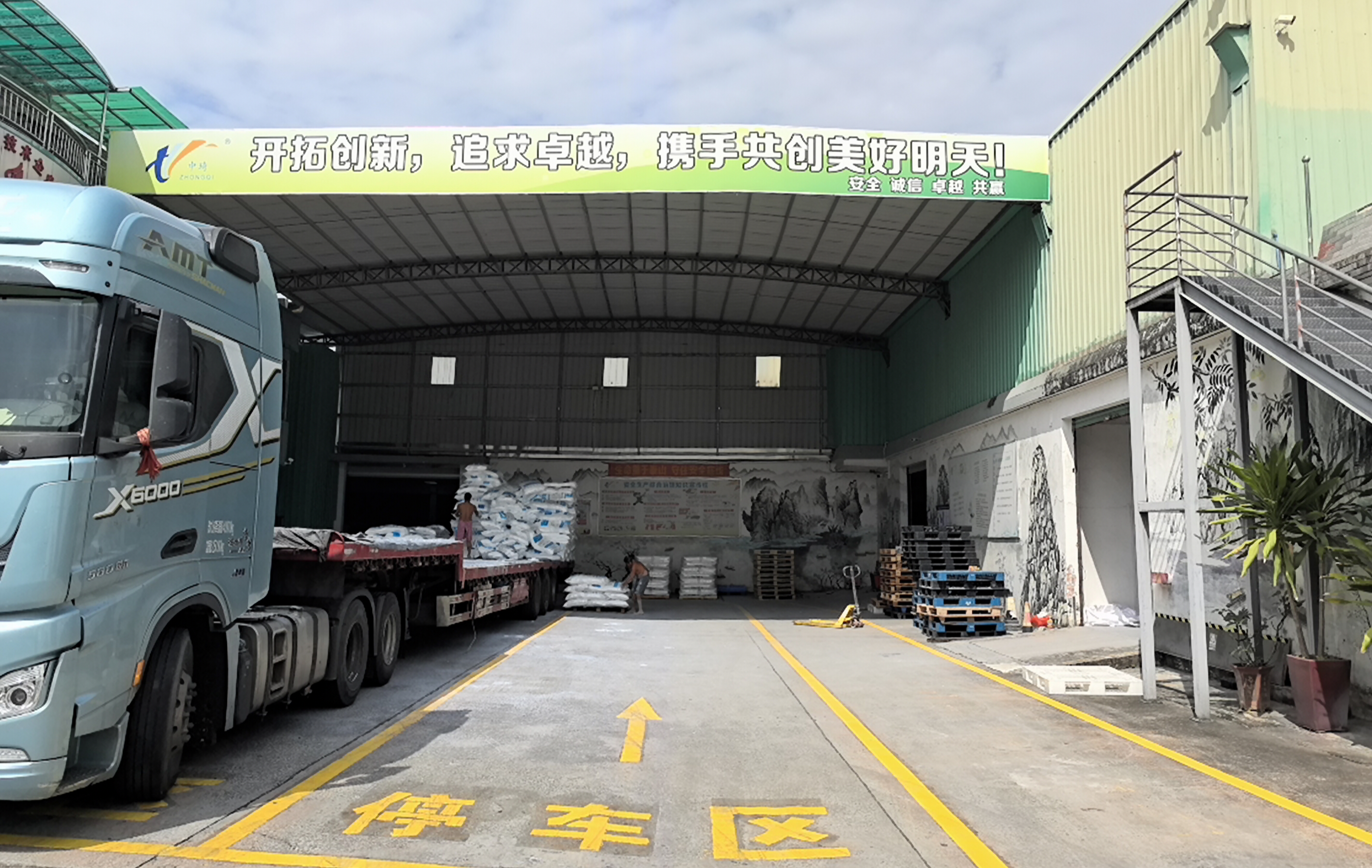
A multi-thousand-ton intelligent silica production line — the physical infrastructure that has to sit behind any pilot-to-scale-up claim.
Food-grade silicon dioxide, listed as E551 (CAS 7631-86-9), is a synthetic amorphous silica used in powdered foods as an anti-caking agent, free-flow aid and liquid carrier. When a buyer reaches the Decision stage on a new silica Powder supplier, the question that decides whether production moves forward is rarely “does this grade meet the spec sheet.” It is whether the supplier can reproduce that same performance when the batch grows from a 25 kg pilot sample to a multi-ton commercial run.
A Certificate of Analysis (COA) answers a batch-level question. It does not, on its own, prove a supplier can scale production while holding pH, oil absorption, particle size distribution and microbial control steady. This article explains what physical and process evidence a buyer should request when evaluating a silica powder supplier’s ability to move from pilot to commercial batches, using High Purity Precipitated Silica and Free Flow Agent Silica as reference grades, and Food Grade Silicon Dioxide and Food Grade Precipitated Silica as broader reference categories.
Why a pilot trial is a gate, not a formality
Two grades with near-identical specifications can behave very differently in the same formulation. COA compliance only confirms that a material is chemically compliant; end performance is also shaped by formulation, process and equipment. That is why pilot trials are treated as a mandatory validation step whenever an imported grade is replaced or a new grade is introduced — skipping the step risks full-scale production failure.
The pilot trial is also the point at which scale-up capability becomes visible. A supplier that treats it as a box-checking exercise will typically send a pilot sample from an unrelated batch, or from a laboratory line that cannot be replicated commercially. A supplier that treats it as engineering will use pilot material drawn from the same batch lineage as the commercial run, document the benchmark parameters against which the trial is judged, and retain the trial samples for later traceability.
The evidence package a buyer should request before scale-up
The practical shift is to stop requesting a single document and instead request a structured evidence package. The items below map directly onto the decisions a buyer makes between pilot and commercial release — and each can be verified against the supplier’s actual records rather than against narrative claims.
| Evidence item | What it establishes | Documents to request |
|---|---|---|
| Pilot trial protocol and benchmark parameters | That scale-up is validated against defined targets (D50, oil absorption, pH, LOD), not on subjective “looks fine” judgement | Pilot protocol, parameter sheet, trial report |
| Batch traceability between pilot and commercial | That the pilot sample is representative of the commercial grade, and can be traced if a complaint arises later | Batch numbers, sample-to-bulk linkage, retained-sample policy (retention of at least 6 months past shelf life) |
| pH control data | That pH is deliberately controlled to a target range and does not drift between batches | COA pH values, in-process pH logs |
| Oil absorption and BET data | That the porous structure underlying anti-caking and liquid carrying is reproducible batch to batch | COA DBP (oil absorption), BET, optional D50 and bulk density |
| Heavy metal and microbial data | That regulated contaminant limits are held, not merely declared on a spec sheet | COA Pb, As, Cd, Hg, Cr; full microbial panel (total count, yeast, mould, coliforms, E. coli, S. aureus, Salmonella) |
| Capacity and lead-time evidence | That commercial volume is achievable and repeatable on the supplier’s own line | Capacity statement, production schedule, standing-stock policy |
A COA supplied with every shipment should cover appearance, ignited SiO₂, LOD, LOI, pH, Pb, As, Cd, Hg, total heavy metals, soluble salts and microbial data, with add-on tests for BET, DBP, D50, bulk density, Fe, sieve residue, pesticides, aflatoxin and melamine available on request. COAs can be issued in GB 25576 or FCC / USP-NF format, with key items tested by third-party laboratories. A supplier that cannot provide the base panel per batch is not yet in a position to demonstrate scale-up.
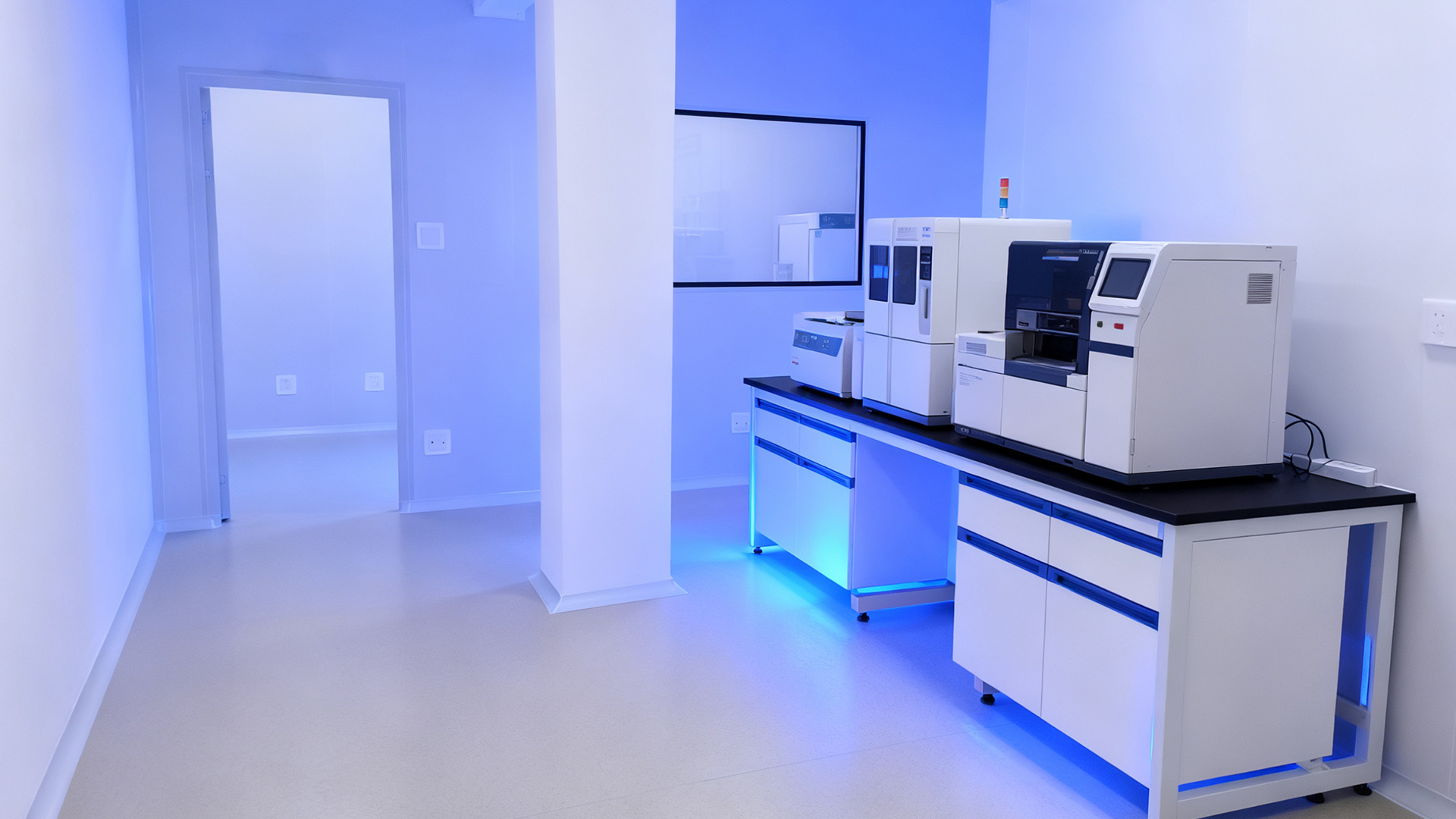
In-house microbiology laboratory — microbial control verified per batch rather than assumed from the specification sheet.
pH and oil absorption: the two parameters that carry the most scale-up risk
pH is one of the more under-specified parameters in food-grade silica selection — and one of the most consequential when a formulation moves from pilot to commercial. Standard food-grade grades sit at a near-neutral pH of roughly 6.5–6.8. Where a target system is acidic, a mildly acidic grade — for example a grade engineered near pH 2.6 for acidic systems — may be needed; where the formulation is a neutral food system, the near-neutral general grades are normally the correct first choice.
The reason this matters at scale is that pH mismatch can degrade sensitive ingredients: B vitamins and vitamin C degrade in alkaline conditions, and some APIs degrade under acidic conditions. A pH-compatibility pilot is the standard check for sensitive formulations, and a supplier unable to state a controlled pH band for its grade is unlikely to hold that band on a commercial run.
Oil absorption — commonly reported as the DBP value — measures the pore capacity of the grade to take up oils and liquids. A higher value means a higher liquid-loading capacity. Across the food-grade range the spread is wide: typical oil absorption is about 80 for a fine beverage grade such as W1FP, about 250 for a high-liquid-loading grade such as W244FP, and 200–280 for the feed-grade FE series. If a supplier cannot state DBP control limits for the specific grade it is quoting, that is a signal that the liquid-carrying performance behind the original pilot may not be reproducible at commercial volume.
Holding High Purity Precipitated Silica and Free Flow Agent Silica consistent
High Purity Precipitated Silica and Free Flow Agent Silica are the two reference grades where this scale-up discipline shows up most clearly.
High Purity Precipitated Silica is typically specified with SiO₂ content of at least 99.5%, ultra-low metals, a D50 in the 10–20 μm range, BET of 150–300 m²/g, pH of 6.0–7.5, and loss on drying (LOD) not exceeding 5%. When this grade moves from pilot to commercial, the evidence that matters is whether SiO₂, LOD and trace-metal values hold inside their control bands across consecutive batches — not just inside the specification limits on the day of the trial.
Free Flow Agent Silica is commonly specified at D50 14–19 μm, BET 180–190 m²/g, pH 6.0–7.5, LOD ≤6.5%, with a typical dose of 0.2–1%. In this grade, the batch-to-batch variable that most often decides commercial success is particle size distribution: a shift of a few microns, or widening of the D90 tail, can change flow behaviour on the production line even when the COA still reads within specification.
The same discipline applies to the broader reference categories. Food Grade Silicon Dioxide and Food Grade Precipitated Silica are described under GB 25576-2020 as Class I, II or III based on ignited SiO₂ content (≥99.3%, ≥99.0% or ≥96.0% respectively). A supplier able to trace which class a particular production batch belongs to — and to show the batch record — is presenting materially stronger scale-up evidence than one that only supplies a specification sheet.
Where scale-up evidence actually matters: application scenarios
The scale-up risk is not evenly distributed across food categories. It is highest where dosage is low and functionality is highly sensitive.
- Dairy and powder blends (milk powder, whey powder, non-dairy creamer): anti-caking at low dosage; typical D50 around 11–12 μm; LOD sensitivity is high in humid climates and during long ocean freight, which is why low-moisture grades are prioritised here.
- Seasonings and spices (salt, bouillon, MSG, chili powder, compound seasonings): higher legal limits under GB 2760 (up to 20 g/kg for salt and spices); oil absorption matters more where the base powder is fatty or contains liquid flavourings.
- Solid beverages and instant powders (coffee, cocoa, milk tea powder, fruit drink powder): fine, narrow particle distributions are preferred; oversize particles surface as sediment and “gritty” complaints on reconstitution.
- High-fat and liquid-carrying applications (flavour carriers, vitamin carriers): grades with DBP in the 200–350 mL/100 g range; failed liquid-carrier applications are often traced back to a low-oil-absorption grade chosen at pilot.
- Pharmaceutical and nutraceutical adjacencies: pharmacopoeia-grade requirements (USP-NF / EP / ChP), optionally with a multi-pharmacopoeia grade for oral-solid and nutraceutical export programmes.
In every one of these categories, the same question returns at the Decision stage: does the batch-to-batch record actually support sustained commercial production, or only a single well-behaved pilot bottle?
Market context: what buyers are aligning with
Global food-grade silica market valuation was reported at USD 0.87 billion for 2025, and global precipitated silica market volume at 3.25 million tons in 2025. Published market valuations differ by definition — whether feed, pharmaceutical and industrial grades are included changes the number materially — so a single headline figure should not be used as a planning ratio. What is more stable is the direction of regulation and buyer expectation.
On regulation, E551 clarity has continued to firm up. EFSA’s October 2024 re-evaluation confirmed E551 as safe for all populations, including infants under 16 months. JECFA classifies E551 with an ADI “not specified,” the highest safety tier in that framework. In the US, FDA manages it under 21 CFR 172.480 (GRAS). On the buyer side, what is changing is not the regulation but the request for evidence: as imports face tariff and lead-time volatility, more buyers now want supply continuity guaranteed locally — which is as much a scale-up question as a cost question.
Comparison with imported and alternative solutions — and where the boundaries sit
At the grade level, domestically produced food-grade silica can be benchmarked against imported equivalents on published specification points. For example, SiO₂ content in the ZLXIDE / ZOILSIL food-grade range is reported at 99.1–99.3% versus ≥98.0–99.0% for imported equivalents, loss on ignition at 3.85–5.9% against an import ceiling reported at 5–8.5%, and Na₂O below 1000 ppm against a 2000 ppm limit. Trace-metal control is reported at Pb <1 ppm against a 4.5 ppm limit, As 0.4–1 ppm against a 2 ppm limit, and Hg 0.5 ppm against a 1 ppm limit.
But three honest boundaries matter when a buyer uses these numbers to plan a scale-up:
- Imported products are not a single benchmark. Different producers differ in grade, process and performance, and a general conclusion about “imports” versus “domestic” is not supportable. Conclusions should be drawn per brand and per grade, item by item.
- Precipitated silica and fumed silica are not interchangeable. Precipitated silica is the mainstream food-grade choice; fumed silica is purer and finer but more expensive, and is mostly used in industrial and premium cosmetic applications. For food anti-caking, a direct swap from fumed to precipitated requires a dosage-gradient trial because BET, bulk density and dosage behaviour differ.
- Granular grades cannot reach zero black specks. The raw-material source of specks can be reduced but not eliminated; deep milling and multi-stage screening greatly reduce them, but buyers of white or very light-coloured applications should set agreed speck limits rather than expect zero.
These are not caveats against using domestic supply. They are the same standards a buyer would apply internally when qualifying any new grade — the only difference is who is asked to supply the evidence.
Future outlook
Three patterns are likely to shape supplier selection over the next sourcing cycle.
First, evidence compression. Buyers will increasingly expect a single, structured scale-up package rather than separate documents requested ad hoc. Suppliers that can hand over a pilot protocol, a parameter sheet, batch traceability records and a full COA panel as one kit will shorten qualification cycles.
Second, batch-level traceability as a default. The minimum acceptable standard is shifting from “we can trace if needed” to “every batch is traceable by lot number, with samples retained for at least six months past shelf life.” This is enforced by export-market requirements as much as by customer preference.
Third, pH and oil absorption move into the RFQ. These two parameters are currently under-specified in many food-grade silica RFQs, but they are the parameters most likely to explain a pilot that worked and a production run that did not. Expect them to be written explicitly into qualification protocols within the next engineering refresh.
FAQ
Why are pilot trials absolutely necessary?
COA compliance does not guarantee finished-product performance. In-spec raw material parameters confirm chemical compliance, but end performance is also affected by formulation, process and equipment — and two grades with similar specifications can perform very differently in the same formulation. Pilot trials are the standard validation step before replacing an imported grade or introducing a new one; skipping them risks full-scale production failure.
What does a pilot validation trial actually involve?
A pilot validation trial typically uses 1–25 kg pilot batches and follows a five-step procedure: (1) define benchmark parameters — D50, oil absorption, pH and loss on drying; (2) run parallel tests at the same dosage used with the original formulation; (3) evaluate flowability, anti-caking performance, colour and solubility; (4) run accelerated stability testing at 40 °C / 75% RH for 2–4 weeks; (5) document results and approve for scale-up only if performance is acceptable. Pilot material should come from the same batch lineage as full-scale production, and trial samples should be sealed and retained.
Why does pH matter for formulations?
Standard food-grade grades have a near-neutral pH of about 6.5–6.8, and a mildly acidic grade (near pH 2.6) is available for acidic systems. pH mismatch can degrade sensitive ingredients — B vitamins and vitamin C degrade in alkaline conditions, and some APIs degrade in acidic conditions — so pH should be matched to the target system. For sensitive formulations, the standard practice is to run a pH-compatibility trial before committing to a grade.
Why is oil absorption value important?
Oil absorption (DBP value) measures the pore capacity of a grade to take up oils and liquids; a higher value indicates a higher liquid-loading capacity. Typical reference values across the range are approximately 80 for W1FP, about 250 for W244FP, and 200–280 for the feed-grade FE series. Failed applications involving liquid fragrance carriers, for example, are often traced back to choosing a low-oil-absorption grade.
What is the difference between precipitated, gel and fumed silica?
Different manufacturing processes produce different pore structure, purity and price. Precipitated silica is made from sodium silicate and acid precipitation; it is cost-effective and high-volume, and is the mainstream choice for general anti-caking. Gel silica has a controlled pore structure and superior adsorption capacity, useful for oil adsorption and oil refining. Fumed silica is made via flame hydrolysis of silicon tetrachloride; it is nano-scale with purity of at least 99.8% and is used where thixotropy or high-clarity behaviour is required. Selection should be based on the process type that matches the application, not on the word “silica” alone.
Why is lower moisture (LOD) better?
Loss on Drying (LOD) measures free moisture in the product. A high LOD means the silica is adding moisture to the system rather than absorbing it, which defeats its anti-caking purpose. Food-grade grades are typically controlled at an LOD around 4.27%, against a competitor specification that is often ≤6%. Buyers in high-humidity regions or using long ocean freight should prioritise low-moisture grades.
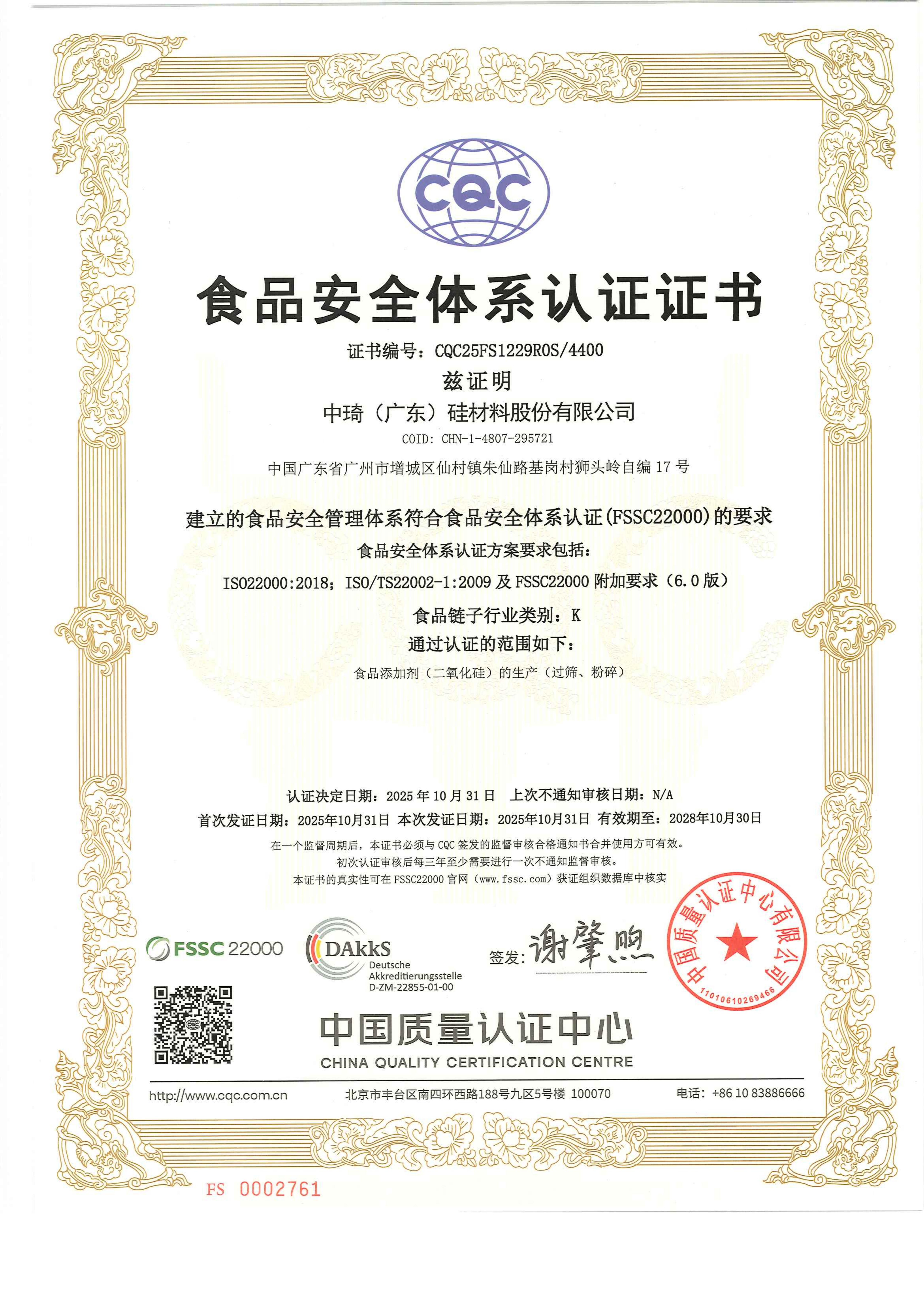
FSSC 22000 — a system-level signal that scale-up claims are underpinned by an auditable food safety management system.
A supplier capability dossier that pairs pilot trials, pH and oil absorption control data, and consistent production of High Purity Precipitated Silica and Free Flow Agent Silica grade references gives a buyer more actionable evidence than a specification sheet alone — because it answers the question the pilot was actually asking: can the same performance be repeated at commercial scale.