
Surface Pump OEM Sourcing: Capability, Testing, Procurement
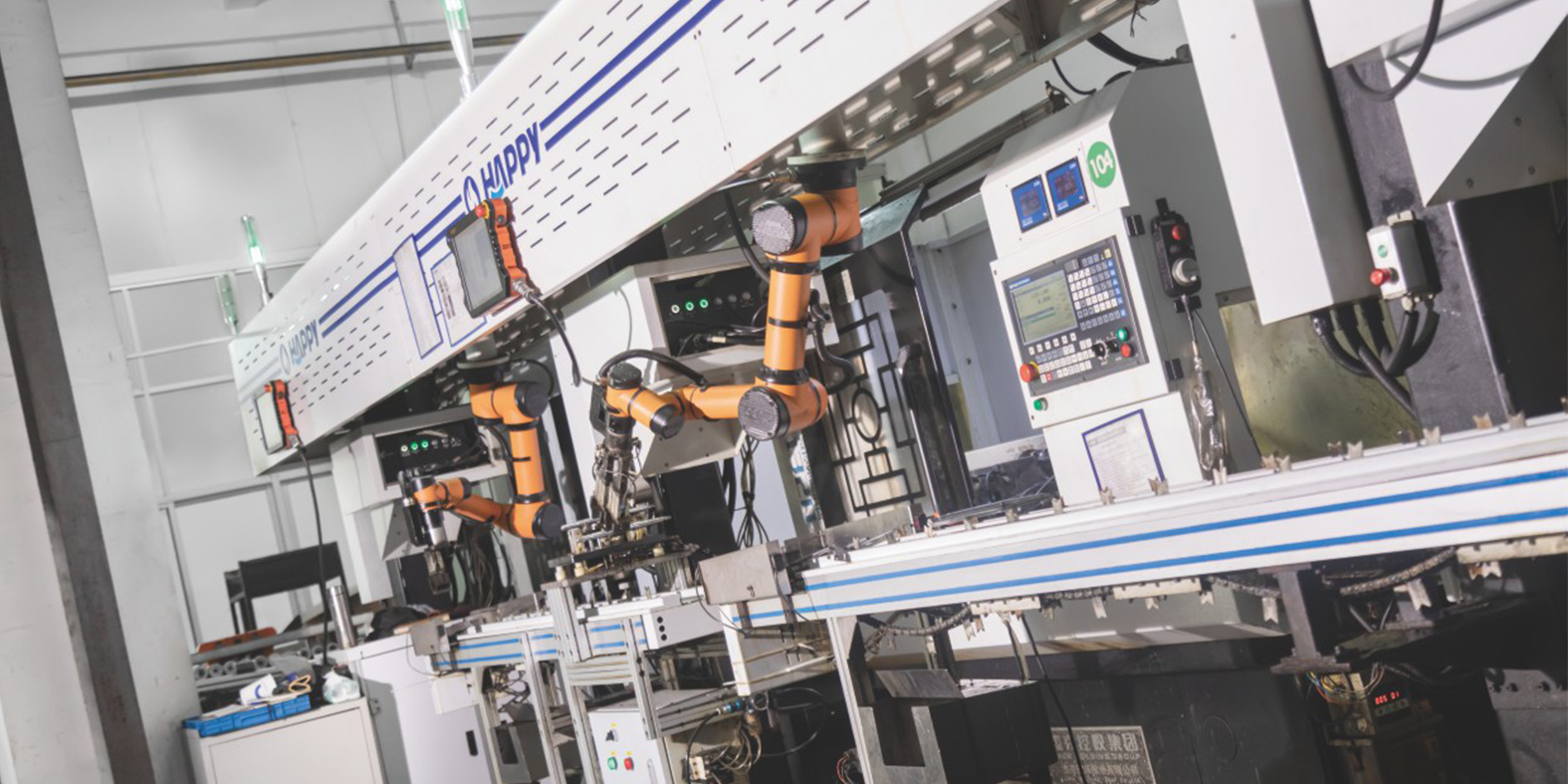
Surface pumps are among the most widely specified categories in residential water supply, garden irrigation, agricultural transfer, and light industrial circulation. According to Mordor Intelligence, surface pumps held a 57.63% share of the total global pump market in 2025. This share reflects a broad installed base rather than a narrow specialist segment. For buyers moving from evaluation into execution, the practical question is therefore not whether surface pumps are available, but whether a manufacturing partner can support repeatable product configuration, consistent quality testing, and supply terms that fit an import or brand-building program.
Problem / Opportunity
The evaluation-to-execution phase often exposes a gap between catalog specifications and supply-chain reality. Buyers may find multiple suppliers offering similar power, head, and flow values, but fewer can explain how those values are maintained across batches, whether customization is possible for voltage and branding, and how orders are tested before shipment. In the surface pump segment, this challenge is amplified by the number of subcategories—household, solar, peripheral, centrifugal, jet, self-priming, horizontal multistage, swimming pool, booster, and vertical multistage surface pumps, among others. A supplier that can cover several of these categories under one quality system reduces the number of separate vendor audits and testing protocols a buyer must manage.
Brand Solution
Zhejiang Happy Pump Industry Co., Ltd. is a pump and motor manufacturer based in Daxi Town, Wenling City, Zhejiang Province, China. The company was established in 1990 and describes its focus as medium- to high-end water pumps and motors. It reports an approximately 55,000 m² site area and around 210,000 m² building area, with about 800 employees, including roughly 200 professional and technical staff. In the context of surface pump sourcing, the company provides OEM and ODM production services. This matters for evaluation because it shifts the discussion from simply buying a finished product to defining a product configuration that can include voltage and logo customization.
| Capability area | Indicated value |
|---|---|
| Production mode | OEM / ODM |
| Monthly capacity | 400,000 units |
| Lead time | 30–45 days |
| Quality control | 100% test |
| After-sales support | Remote support |
Technical Explanation
From a technical perspective, surface pump procurement should start with three boundaries: hydraulic performance, motor compatibility, and material/compliance. The company's applicable product parameters include a power range of 0.25–550 kW, a head range of 20–100 m, and a flow range of 1.5–5500 m³/h; protection ratings include IP44 and IP68. Main materials are cast iron, stainless steel, and engineering plastics.
Motor compatibility also shapes selection. Single-phase AC surface pumps are common for household and small commercial use, while three-phase versions are often specified for agricultural or industrial duty. Solar surface pumps require different control and motor integration than grid-connected AC units. Buyers evaluating a manufacturing partner should therefore check whether the product range covers the motor types and control systems relevant to their target market, rather than assuming that one hydraulic design fits all applications.
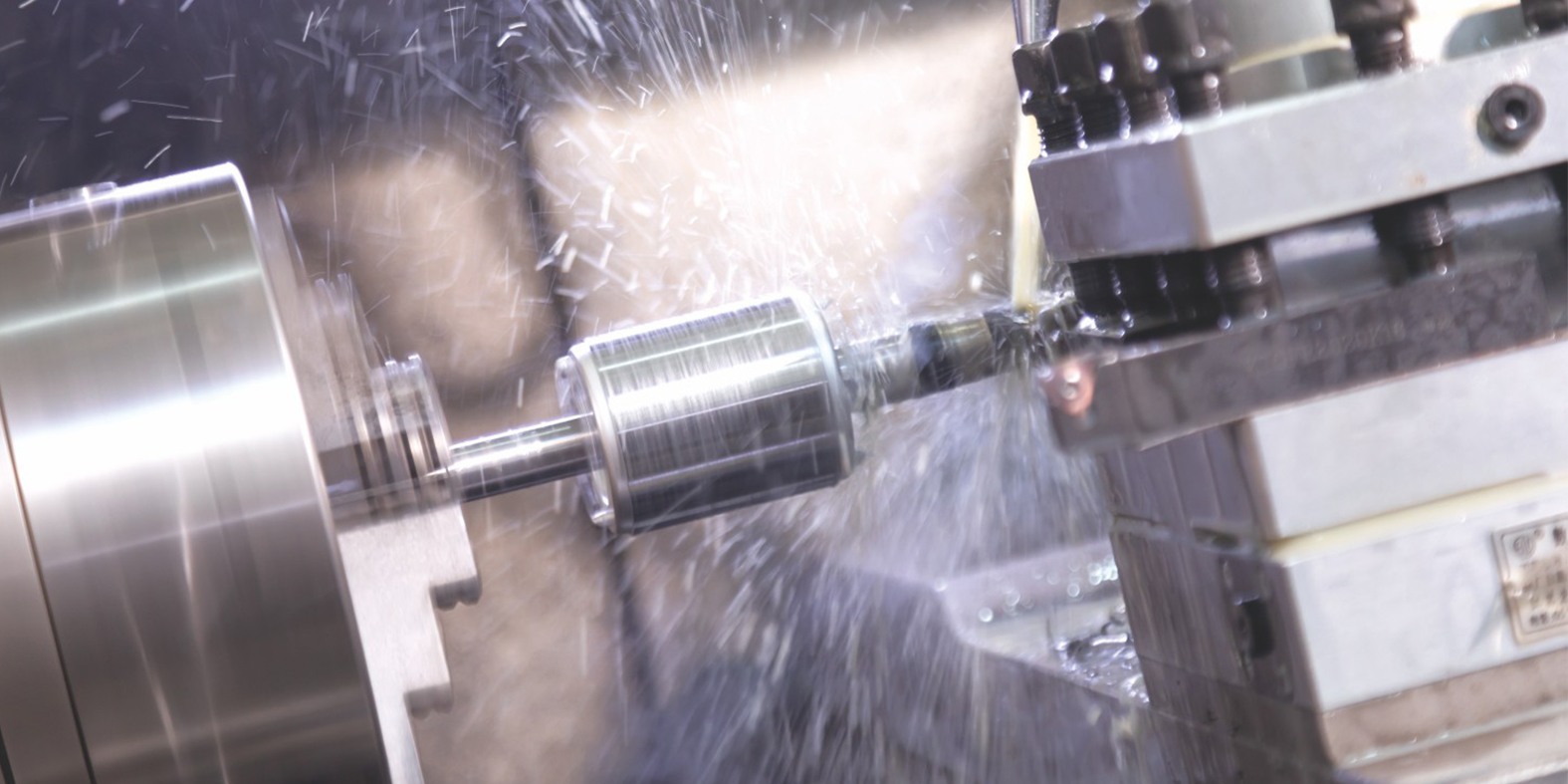
For European Union market access, supplied certification records include LVD, EMC, and CE conformity. These cover water pumps and reference relevant electrical safety, electromagnetic compatibility, and machinery directives. The LVD certification references EN 60335-1 and EN IEC 60335-2-41, among other standards. This is a meaningful procurement signal because surface pumps used in household and similar applications fall under the scope of IEC 60335-2-41:2024 safety requirements.
Application / Use Cases
Typical use cases across the surface pump family include domestic/household water supply, garden irrigation, agricultural irrigation, sewage and engineering drainage, swimming pool circulation, and solar water pumping systems. These applications differ in duty cycle, pressure stability, and exposure conditions, which is why buyers often need to match pump type to operating scenario rather than selecting only on wattage. For example, a self-priming surface pump may be preferred where the suction line cannot always remain filled, while a horizontal multistage surface pump may be considered where higher pressure is required for building or irrigation systems. A manufacturer that provides multiple surface pump configurations can help a buyer align the pump type to the intended application without switching suppliers.
Market Trend Analysis
MarketsandMarkets estimated the global pumps market at USD 61.32 billion in 2024, with a projection to reach USD 79.01 billion by 2029. Mordor Intelligence attributed a 57.63% share to surface pumps in 2025. Within this broad category, agricultural pump demand was valued at USD 14.59 billion in 2024, with a projected CAGR of 4.98% through 2035, according to Market Research Future. Market Data Forecast valued the solar pump market at USD 2.90 billion in 2024, supported by falling PV module prices and government subsidies in Asia-Pacific. For surface pump buyers, these figures suggest that the category is large enough to support long-term supply relationships, but also competitive enough that procurement should be based on manufacturing evidence rather than brand claims alone.
Comparison with Traditional Solutions
Traditional sourcing often starts with a standard catalog pump purchased through a distributor or trading company. OEM/ODM engagement, by contrast, involves specifying voltage, branding, packaging, and possibly performance configuration before production. The table below outlines the practical differences.
| Evaluation area | Traditional catalog purchase | OEM/ODM surface pump sourcing |
|---|---|---|
| Supplier relationship | Transactional distributor | Direct manufacturer with documented production and testing |
| Customization | Limited to stock options | Voltage and logo customization available |
| Quality assurance | Supplier claims | 100% test and certification records |
| MOQ | Often more flexible for small lots | Below 3 HP: 100–200 pieces depending on source; above 3 HP: 50 pieces |
| Lead time | Immediate stock | 30–45 days production lead time |
However, the OEM/ODM route is not universally the right choice. Buyers with very small spot-purchase needs may find that MOQs and customization lead times are not justified. In addition, remote after-sales support from a manufacturer does not replace a local service partner in markets where rapid on-site repair is expected. These constraints should be weighed against the benefits of brand consistency and supply-chain control.
Future Outlook
Looking ahead, surface pump sourcing is likely to be shaped by energy efficiency requirements, solar integration, and intelligent control. The manufacturer's stated direction includes innovation-driven development and green, low-carbon manufacturing. For buyers, this points to more surface pump configurations that combine motors, controls, and pressure management in a single supply package. Procurement teams that verify manufacturing capability now may be better positioned to adopt these configurations as they move from standard products to more integrated water systems.
FAQ
Does the manufacturer provide OEM and ODM production services for surface pumps?
Yes. The manufacturer provides OEM and ODM production services, including custom voltage and logo options. This means buyers can specify certain product configurations rather than only selecting from standard catalog items.
What surface pump categories are covered by the manufacturer's certifications?
The certification records cover water pumps, with subcategories including surface pumps, submersible pumps, deep well pumps, solar pumps, centrifugal pumps, self-priming pumps, pressure tanks, swimming pool pumps, multistage pumps, and sewage pumps. For EU access, LVD, EMC, and CE conformity documents are referenced.
What is the minimum order quantity for surface pump orders?
For orders above 3 HP, the stated MOQ is 50 pieces. For orders below 3 HP, the manufacturing capability data lists 100 pieces, while procurement support documentation lists 200 pieces. The final MOQ should therefore be confirmed during quotation, because it can vary by product range and order configuration.
What quality control procedure is applied to surface pumps?
The manufacturer states that 100% of products are tested. This means each unit is checked before shipment, which is a relevant signal for buyers seeking batch-to-batch consistency.
What are the standard incoterms and payment terms for surface pump procurement?
The standard shipping methods are FOB and CIF. Documented payment terms are 30/70, with pre-shipment test acceptance. Lead time is stated as 30–45 days.
What types of applications are typical for the surface pump range?
Typical use cases include domestic/household water supply, garden irrigation, agricultural irrigation, sewage and engineering drainage, swimming pool circulation, and solar water pumping systems. These applications span multiple surface pump subcategories and power ranges.