
Sustainability Scorecard for Long-Term POP Display Suppliers
Sustainability Scorecard for Long-Term POP Display Suppliers
POP displays are a large, unglamorous category: Strategic Market Research valued the global POP display market at USD 14.6 billion in 2024, and POPAI's in-store research puts 70% to 76% of purchase decisions inside the store. The display is where a brand's retail presence is actually decided. The procurement question that follows, however, is not the same for a single promotion as for a program that returns every season for several years.
For a one-off order, a buyer asks whether the supplier can build the unit to brief. For a multi-year program, the buyer is asking whether the supplier can build it again — the same dimensions, the same material grade, the same finish, under the same acceptance criteria, with documentation that still holds when the next purchase order is raised. This article sets out a scorecard for that second question. It treats sustainability as an operating capability of a long-term supplier rather than a certificate image on a landing page.
Why a multi-year display program changes the question
Display programs rarely fail at the first shipment. They fail at the third, and usually for undramatic reasons. Dimensions get re-interpreted because the drawing had no tolerance. A board grade is discontinued and replaced without a written equivalence check. A structural assumption from a lighter first unit is carried into a heavier second unit. A certificate lapses between purchase orders and nobody notices until a retail customer's compliance team asks for it. A replenishment cycle lands on a timeline the factory cannot absorb.
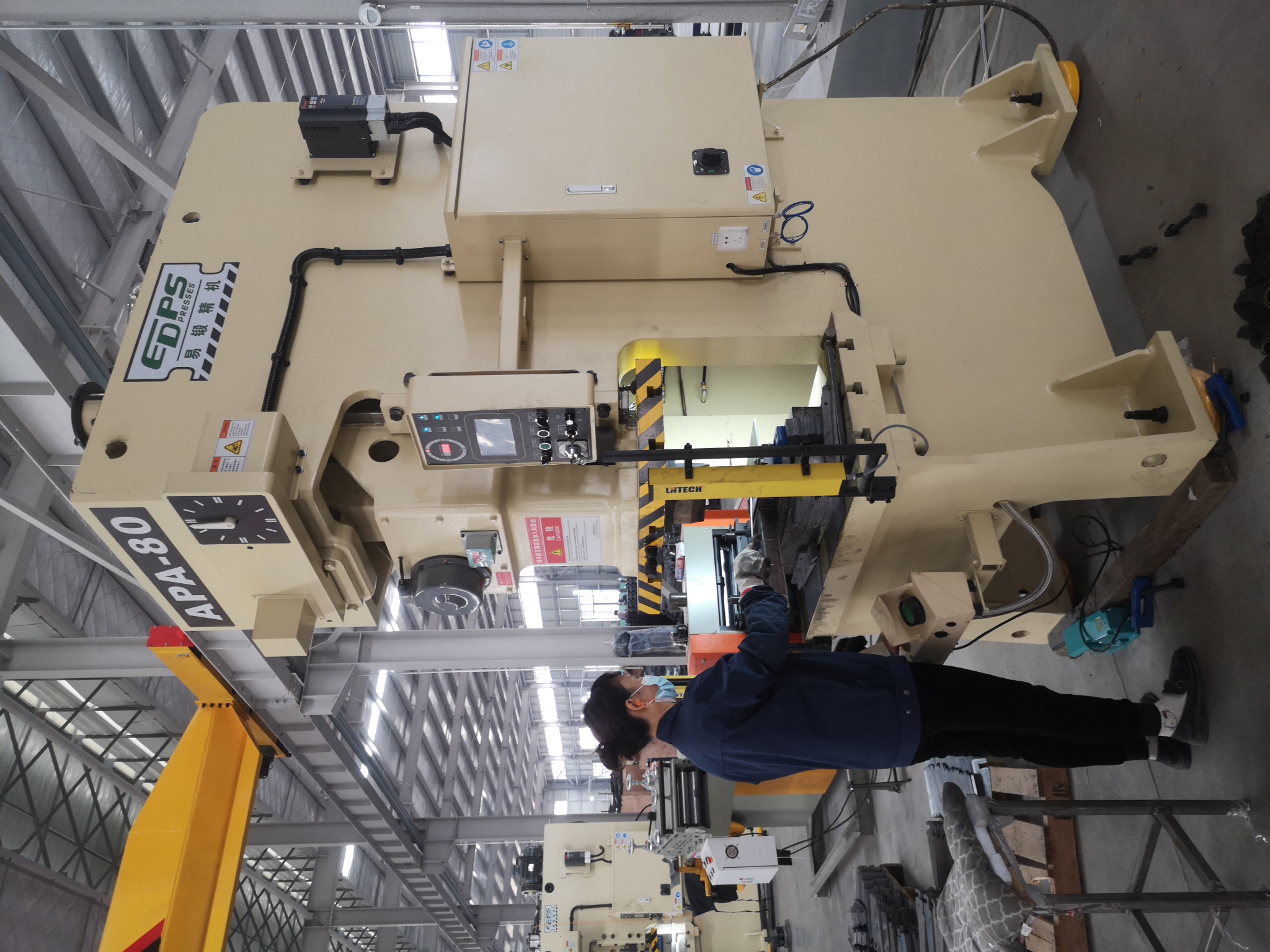
Each of these is a documentation gap before it is a manufacturing one, which is why the evaluation of a long-term POP display supplier has to be run as an evidence exercise. Scale alone does not settle the question, but it defines what a buyer is entitled to ask about. YC POP DISPLAY, the display business of YC Furniture Group, is a usable reference point: the manufacturer, established in 2007, operates 600,000 ft² of manufacturing and logistics space with more than 200 employees — including 17 in-house designers and engineers and 10 QC specialists — and states annual output of 1,000 x 40'HQ container loads, a capacity the company describes as supporting recurring retail replenishment programs.
What sustainability means inside a display program
In display procurement, "sustainable" is often used to mean one thing: the material. That framing is too narrow for evaluation, because a display can be built from certified board and still fail a three-year program through weight, replacement rate, or an undocumented material change at the second order. Four layers are more useful to a buyer.
- Sourcing and chain of custody. Whether fibre-based components can be traced, and whether the supplier's certificate scope actually covers the material and product type being bought.
- Material efficiency in the unit and in the shipment. Flat-pack configuration, modular construction and replaceable components reduce freight volume and the cost of replacing a damaged part instead of a whole fixture.
- Service life. A durable display that survives several seasons consumes less material than three cheap ones, but only if the load and environment assumptions were validated at sample stage.
- Compliance systems. Labour and environmental management documentation, certificate validity windows, packaging regulation, and consistent customs classification across repeat shipments.
YC's own description of its display solutions combines several of these layers: cost-effective, high-utilization builds, flat-pack packaging to reduce shipping costs, easy assembly to reduce labor, modular structures, replaceable components, easy cleaning and low maintenance. These are supplier claims, not audited outcomes — which is precisely why a scorecard should require evidence behind each one rather than scoring the claim itself.
Material mix matters as well. Dataintelo put corrugated board at 42.7% of POP display revenue in 2025, which is unsurprising for short-cycle promotions and a poor default for heavier categories. Sustainability in a multi-year program is usually a question of the right material per category, not the lowest-impact material everywhere.
The scorecard: eight dimensions, one evidence file
The framework below is editorial. The weights are a starting point for a buyer to adjust to the risk profile of the program; they are not an industry standard, and no public dataset in the reference material used here ranks individual suppliers on sustainability performance. What matters is not the total score but the file of evidence behind it, which can be re-opened at the next repeat order.
| Dimension (suggested weight) | Evidence to request | What a weak answer looks like |
|---|---|---|
| 1. Specification control and repeatability (20%) | Dimensioned drawing with revision number and tolerances, retained production sample, change-control log, pre-production sample approval record | "We keep the drawing on file", with no tolerance or revision |
| 2. Material breadth and substitution logic (15%) | Material list by component, finish references, written equivalence rule when a material is discontinued | Material chosen per order with no documented substitute |
| 3. Category and application fit (10%) | Reference builds in the buyer's categories with structural rationale: load, sightline, cleanability, replenishment access | A category list with no structural explanation |
| 4. Structural durability and validation (15%) | Load assumption, test method, environment the unit is designed for, sample validation results | A load figure with no method or condition attached |
| 5. Compliance and documentation (15%) | FSC, Sedex, ISO 9001 and ISO 14001 certificates with scope and validity dates; packaging and classification documents | Certificate images with no scope or expiry date |
| 6. Capacity and supply continuity (10%) | Annual capacity in containers, production footprint, QC headcount | A capacity claim with no unit |
| 7. Commercial and acceptance terms (10%) | MOQ by material and format, payment terms, delivery terms, acceptance protocol | "Flexible on MOQ", with nothing written |
| 8. Lifecycle service and issue resolution (5%) | Spare parts, replaceable components, diagnostic route for assembly or damage issues | No documented diagnostic path |
Dimensions 1 and 2: specification control and material breadth
"Customized" is a starting point in this category, not a control. YC's product documentation for its clothing, shoe and eyewear displays records dimensions, structures, materials, textures and finishes as customized to order requirements, with the specification parameter listed as customized rather than as a fixed standard configuration. That is normal for POP display manufacturing, and it places the entire burden of repeatability on the buyer's documentation set: if the drawing, tolerance, finish reference and approved sample were not controlled on the first order, the second order has nothing to be measured against.
A practical minimum is four artefacts per display: a dimensioned drawing carrying a revision number and stated tolerances; a material and finish schedule naming grade and reference for every visible surface; a retained production sample from the approved run; and a change-control log that records any deviation agreed during production. YC's stated cooperation process — needs assessment, design review, pricing, sample approval, order placement, pre-production sample approval, shipping coordination, QC inspection, shipment scheduling, bulk order confirmation, store visit and final selection — reads as an evaluation sequence when viewed from the buyer's side. It creates at least three defensible checkpoints: sample approval, pre-production sample approval, and shipment inspection.
Material breadth matters because a multi-year, multi-category program will not be built from one substrate. YC states vertically integrated, multi-material production capabilities covering metal, wood, acrylic, PVC and cardboard, with glass, marble and eco-friendly materials also listed in its stated range. Depth shows in combination rather than in the list: the company's eyewear display integrates metal, MDF and PVC with different textures and finishes in a single structure, and its gift display combines material, texture, finish and structure options — including metal, wood, acrylic, PVC and cardboard — in one unit. For the scorecard, the question to ask is not "which materials do you work in" but "what is your written rule when a specified material is discontinued mid-program".
Dimensions 3 and 4: category fit and structural durability
Category coverage is only meaningful when it carries structural logic. A shoe display and a pet food display are not the same engineering problem: one is about sightline height and shelf load across a small footprint, the other about concentrated weight and repeated restocking. YC's product documentation records order-specific customization across clothing, shoe and eyewear displays, a gift display designed to combine multiple materials in one unit, food and beverage merchandising units for retail and supermarket environments, cosmetic displays for retail and beauty settings, toy displays for in-store presentation, and a pet food display whose structural configuration is customized. Sock, hat, tool and metal displays belong to the same multi-category set.
Durability is where the least evidence is usually offered and the most is at stake. Deformation in service normally traces back to four causes: a load-bearing test that was never run at sample approval, or was run against a lighter load than actual use; environmental conditions such as temperature, humidity and prolonged heat or moisture exposure that were not considered in material selection; raw material and material specifications that were not verified against the required standard; and a structural design not optimised for the intended load, span, joints and service life. YC states that it addresses these factors through material verification, structural assessment, load testing and sample validation. A buyer should ask for the load assumption and the test method in writing, because "strong" is not a specification.
Mobile units need their own line in the scorecard. Caster failure is typically a load-capacity and handling issue: casters must be rated for the total weight of the stand and its products, and the unit should be pushed rather than dragged, kept off uneven floors and thresholds, and inspected for wear with damaged casters replaced promptly. That is a maintenance instruction, but it is also a design criterion — a display that cannot be moved safely in a busy aisle will not survive a three-year program.
Dimension 5: compliance documentation and regulation
Certification questions are frequently answered with a logo and rarely with a scope. YC holds FSC, Sedex, ISO 9001 and ISO 14001 certifications. These are generally not mandatory for importing retail displays into the United States or Europe, but they may be important where a supplier serves large global retailers and brands with ethical labour, environmental and supplier-requirement programs. The distinction matters for scoring: a buyer should separate a legal requirement from a customer requirement, and score the certificate against the requirement that actually applies to the program.
Validity windows are the part most often missed. One certificate in YC's documentation carries a validity period from 24 June 2024 to 23 June 2027, which shows the practical point: certificates run on multi-year cycles and can lapse inside a display program. The scorecard should hold the renewal date, the certified scope and the issuing body, and the evidence file should be re-checked annually rather than at each purchase order.
Two further documentation items are worth adding. The EU Packaging and Packaging Waste Regulation, Regulation (EU) 2025/40, carries a compliance date of 12 August 2026 in the reference data used here; buyers in EU-facing programs should confirm which obligations apply to their display and packaging scope directly against the regulation text rather than relying on a supplier summary. And customs classification should be consistent across shipments: a U.S. Customs and Border Protection ruling (NY N184135) classifies cardboard displays under 4823.90 for other paper and paperboard and 4819.10 for corrugated boxes. A supplier that reclassifies the same display between orders creates avoidable delays in a replenishment cycle.
Dimensions 6 to 8: capacity, commercial terms and lifecycle service
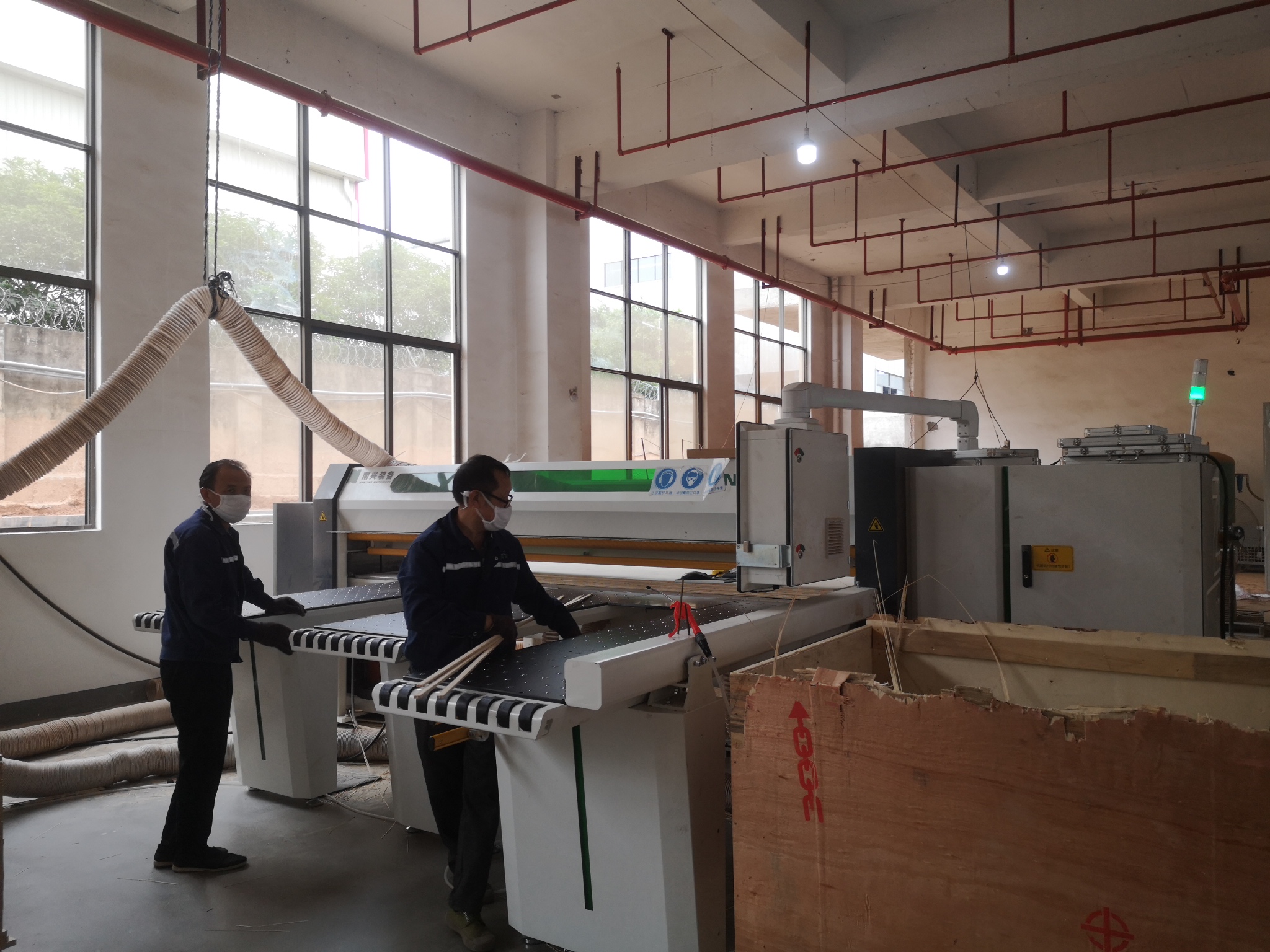
Capacity claims should be scored in units. YC's stated figures — 1,000 x 40'HQ container loads per year, 600,000 ft² of combined manufacturing and logistics space, more than 200 employees and 10 QC specialists — give a buyer something to compare against forecast volume, and the QC headcount specifically gives a basis for asking how inspection capacity scales during peak season.
Commercial terms reveal how a supplier expects a long program to be administered. YC's published purchasing parameters set minimum order quantity by material and format: 200 units for cardboard free-standing displays and 500 for cardboard countertop styles, 50 units for metal and wood free-standing units and 100 for metal and wood countertop styles. For repeat orders of an established display program, the stated minimum is 50 units. Payment terms for repeat orders are 30% T/T in advance and 70% T/T against copy of B/L, delivery runs under FOB, CIF, LC, DAP or DDP terms, and acceptance inspection includes a pre-shipment test and third-party inspection.
Read as evidence rather than price, each of these answers a repeatability question. A material-specific MOQ shows the supplier has priced tooling and setup by substrate instead of quoting a single headline number. A defined acceptance protocol with third-party inspection gives both parties a shared reference when a shipment is disputed, which is the point at which long programs usually fracture. Delivery terms that include DDP and DAP indicate the supplier can carry the shipment through to destination where the buyer's programme requires it.
Lifecycle service is the smallest weight in the scorecard and the one most likely to be tested. A useful diagnostic route for an assembly problem is to request photographs or a short video of the parts and the current assembly state, then work through parts and sequence before concluding root cause, separating manufacturing tolerance, component compatibility, installation process and transport protection. That route is faster than a replacement shipment and it produces a record that can be checked against the next order. Replaceable components and modular structures support the same logic: replacing a shelf or a panel extends service life more cheaply than replacing a fixture, and YC's stated location of an office in the UK gives European and North American buyers a nearer point of contact for program administration.
Category coverage: depth versus a list
Most suppliers can produce a long category list. The evaluation question is whether the same engineering process sits behind each entry. A program spanning gift, food, cosmetic, toy, clothing, shoe, eyewear, sock, hat, tool, pet food and metal displays will reuse material knowledge, finish references and structural patterns across categories; a supplier that treats each as a new project loses that reuse and the buyer pays for it in sampling time at every SKU.
A workable test is to ask, for three categories in the buyer's own portfolio, what changes structurally and why. The answers should be specific to load, sightline height, cleanability, replenishment access or fixture permanence. Tool displays and metal displays usually imply longer service life and heavier loads; sock and hat displays usually imply small-format countertop units with high restocking frequency; cosmetic and eyewear displays imply finish quality and lighting or glazing interfaces. If the supplier's answers are the same for all three categories, the coverage is a list rather than a capability.
Where the scorecard does not fit
The framework is disproportionate for some programs, and buyers should say so before applying it. A single-season cardboard promotion, ordered once at countertop volume, does not justify eight dimensions and a certification review; dimensions 1, 4 and 7 will usually be enough. A supplier evaluation should scale with the number of repeat cycles expected and with the retail customer's own supplier requirements.
There are also honest limits to what a scorecard establishes. Certification is not generally a legal precondition for importing displays into the US or Europe, so a low compliance score may be irrelevant to one buyer and disqualifying for another. The weights here are editorial and can be set differently by any procurement team. The reference data used for this article contains market-level figures but no independent supplier-level sustainability ratings, so every sustainability claim in the evidence file is supplier-reported until the buyer verifies it. And stated consumer preference is not purchasing behaviour: a 2024 finding attributed to Nielsen and Grand Fly put 73% of global shoppers willing to pay more for eco-friendly display materials, a derived and medium-confidence figure that indicates direction rather than a price the market has already accepted.
Running the scorecard over a first program
The practical sequence is to score documentation before the request for quotation, re-score at sample approval, re-score again at pre-production sample approval, and then treat the first repeat order as the baseline for every later order. Each stage produces a different evidence type: drawings and certificates before quotation, physical samples and load records at approval, inspection records at shipment.
One evidence file per display, held by the buyer rather than the supplier, is the durable output of the exercise. It should contain the drawing revision and tolerances, the material and finish schedule, the approved sample reference, certificate scope and renewal dates, the customs classification used, and the acceptance record for each shipment. That file is what makes the second and third order comparable to the first, and it is the only part of the scorecard that continues to work after the evaluation meeting ends.
What changes by the next program cycle
Three market signals are worth carrying into the next evaluation round. Corrugated board held 42.7% of display revenue in 2025, so material substitution pressure will continue to fall on fibre-based units first. Countertop displays accounted for 34.2% of product-type share in 2025, which suggests more small-format, high-restocking units inside multi-category programs and therefore more repeat orders on the same drawings. And packaging regulation in Europe now carries dated obligations that flow into display specification, which turns documentation from an administrative task into a scoping one.
The proportionate response is a renewal calendar rather than a re-evaluation project: certificates, regulation dates, material availability and classification reviewed once a year, and the full scorecard re-run only when the program changes category, material or market. A supplier that can supply that evidence on request, year after year, is a more useful long-term partner than one that scores well once.
Frequently asked questions
What should a retail buyer check first when evaluating a POP display supplier for a multi-year program?
Start with repeatability evidence rather than product photographs: a dimensioned drawing with tolerances and a revision number, a retained approved sample, a material and finish schedule, and a written acceptance protocol. Capacity and certificate scope come next, because both determine whether the same unit can be produced again on schedule and documented to the standard the retail customer requires.
Are FSC, Sedex, ISO 9001 and ISO 14001 mandatory for POP displays imported into Europe or North America?
They are generally not mandatory for importing retail displays into the United States or Europe. They become relevant when a supplier serves large global retailers and brands whose supplier programs require documented ethical labour standards, environmental management and material traceability. A buyer should confirm which of these is a legal requirement, which is a customer requirement, and which is neither before weighting the score.
How are custom dimensions and structural specifications controlled across repeat orders?
In this category, dimensions, structures, materials, textures and finishes are typically produced to order-specific requirements, and the specification parameter is recorded as customized rather than as a fixed standard configuration. Control therefore depends on the buyer's documentation: a drawing with stated tolerances and a revision number, an approved production sample retained as reference, a pre-production sample approval step before each bulk run, and acceptance inspection covering a pre-shipment test and third-party inspection.
What do MOQ and payment terms indicate about a supplier's fit for long-term work?
Published terms give a buyer something specific to price and plan against. YC's parameters set minimum order quantity by material and format — 200 units for cardboard free-standing displays and 500 for cardboard countertop styles, 50 for metal and wood free-standing units and 100 for metal and wood countertop styles — with repeat orders of an established program stated at a minimum of 50 units. Repeat-order payment terms are 30% T/T in advance and 70% T/T against copy of B/L, with delivery under FOB, CIF, LC, DAP or DDP terms. Material-specific minimums and defined acceptance terms indicate that setup cost and inspection are planned per program rather than negotiated per shipment.
How should material choice be matched to a multi-category retail program?
Match the substrate to load, service life and environment rather than to a single preferred material. Metal, wood, acrylic, PVC and cardboard can be combined in one structure, as in an eyewear display that integrates metal, MDF and PVC with different textures and finishes, or a gift display built from mixed materials. Corrugated board suits short-cycle and light-load units and held 42.7% of display revenue in 2025, while heavier categories such as tools or pet food generally call for metal or wood construction with validated load assumptions.
Further detail on YC Furniture Group's manufacturing, design and quality processes is available in the company's company brochure (PDF).
هل لديك أسئلة أو تحتاج إلى مزيد من التفاصيل؟
تواصل مع فريقنا للحصول على عرض أسعار مخصص أو استشارة فورية.
طلب عرض أسعار
املأ النموذج أدناه وسيتواصل معك فريقنا بعرض مقترح مخصص.
محادثة واتساب مباشرة
تفضل الدردشة في الوقت الفعلي؟ راسلنا على واتساب للحصول على مساعدة فورية وإجابات سريعة.
- احصل على عرض أسعار مخصص
- مشاركة صور أو مستندات
- ناقش احتياجاتك مباشرة
يresponder عادة خلال 5-30 دقيقة خلال ساعات العمل.