
Swim Spa Procurement FAQ: Large Acrylic Units for Commercial Settings Answered
Commercial procurement of swim spas has moved from a niche amenity decision to a structured infrastructure choice. Hotels, resorts, fitness clubs, and community developers are increasingly considering large acrylic swim spas—particularly 7-meter models—as alternatives to traditional concrete pools. This FAQ guide addresses the most common questions buyers ask when sourcing a 7-meter acrylic swim spa for commercial use, drawing on manufacturer specifications, industry standards, and verified market data.
Why Commercial Buyers Are Turning to 7-Meter Acrylic Swim Spas
Traditional concrete pools have long dominated commercial aquatic facilities, but their limitations in installation time, maintenance, and operational flexibility have opened the door for engineered swim spa solutions. A 7-meter acrylic swim spa combines the swimming capacity of a small pool with the therapeutic benefits of a spa, all within a prefabricated, factory-built unit. For commercial settings, this means faster deployment, predictable quality, and lower long-term operating costs.
According to market research from Straits Research, the global pool and spa market was valued at USD 24.28 billion in 2025 and is projected to reach USD 37.93 billion by 2034. This growth is driven in part by hospitality and wellness infrastructure investment, where swim spas are increasingly specified for their ability to deliver both fitness and leisure experiences in a compact footprint.
Technical Foundations: What Defines a 7-Meter Acrylic Commercial Swim Spa
A 7-meter acrylic swim spa is a large, self-contained aquatic unit constructed from acrylic shells, often reinforced with fiberglass. The use of acrylic—such as Aristech Acrylic—provides a smooth, durable, and hygienic surface that resists fading and chemical degradation. Many high-end models, including those manufactured by MEXDA, pair acrylic shells with Balboa control systems for precise temperature and jet management.
Commercial-grade units are designed for continuous operation, with components selected for higher duty cycles. Key technical considerations include:
- Dimensions: A 7-meter length provides ample swim lane space while remaining feasible for indoor or outdoor installation.
- Construction: Acrylic shells are reinforced to withstand water pressure and bather loads, but they must be properly supported during installation.
- Water Capacity: The volume of water affects structural loading, heating requirements, and water treatment system sizing.
- Insulation and Heating: Optimized heating and insulation design can result in up to 30% higher energy efficiency compared to less optimized alternatives.
- Filtration and Jets: Counter-current swim jets or turbo jet systems create adjustable water flow for swimming or therapy.
Procurement Criteria for Commercial Swim Spa Projects
When evaluating a 7-meter acrylic swim spa for a commercial property, procurement teams typically assess the following criteria:
- Regulatory Compliance: Confirm that the unit meets applicable electrical and safety standards. MEXDA swim spas comply with ETL (UL 1563 / CSA C22.2#218.1), CE (EN IEC 60335-2-60:2023), and SAA (AS/NZS 60335.2.60) standards for key markets.
- Site Integration: Verify access for delivery, foundation requirements, and utility connections (power, water, drainage).
- Operational Requirements: Determine bather load, daily usage hours, and desired water temperature range.
- Maintenance and Service: Assess the availability of spare parts, local service support, and remote monitoring capabilities.
- Total Cost of Ownership: Compare initial purchase price against long-term energy, maintenance, and downtime costs.
Application Scenarios: Where 7-Meter Acrylic Swim Spas Fit
The 7-meter acrylic swim spa is designed for a range of commercial environments. Verified product information indicates suitability for:
- Hotels and Resorts: Provide guests with a premium wellness amenity that requires less space and infrastructure than a full pool.
- Fitness Centers: Offer low-impact swimming and aquatic therapy with adjustable current resistance.
- Community and Leisure Centers: Serve residential communities, clubs, and municipal facilities seeking an all-season aquatic option.
- Residential Backyards: High-end residential projects also use these units for private fitness and relaxation.
Market Trend: Swim Spas in Commercial Wellness Infrastructure
The commercial wellness market is expanding, with hotels and fitness operators seeking differentiated aquatic experiences. Swim spas align with several trends:
- Space Efficiency: A 7-meter unit can fit where a traditional pool cannot, making it attractive for urban hotels and boutique resorts.
- Energy Efficiency: Improved insulation and heating design reduce operational costs, a critical factor for 24/7 commercial use.
- Quick Deployment: Factory-built units reduce on-site construction time by up to 80% compared to concrete pools.
- Durability: Acrylic shells and reinforced construction can extend lifespan by up to 2 times relative to lower-grade alternatives.
Comparison with Traditional Solutions: Advantages and Boundaries
Compared to traditional concrete pools and standard inflatable spas, 7-meter acrylic swim spas offer distinct advantages. Verified data shows installation time reduced by 80%, lifespan extended by 2 times, and maintenance cost cut by 70%. Maintenance requirements are minimal, with no seasonal winterization required. Initial cost is comparable to traditional options, while long-term operating cost is far lower.
However, a balanced procurement view must acknowledge boundaries. A 7-meter acrylic swim spa has fixed dimensions. While customizable in some respects, it cannot be expanded on-site like a concrete pool. Sites with unusual shapes or extreme size requirements may find a custom concrete solution more adaptable. Additionally, delivery and installation require crane access and a properly engineered foundation; projects must plan for these logistics. Finally, while the unit is built for commercial use, local regulations may impose additional requirements for public pools—such as specific water turnover rates or accessibility features—that buyers must verify with local authorities.
Future Outlook: What’s Next for Commercial Swim Spas
As building codes evolve and energy costs rise, demand for efficient, pre-engineered aquatic solutions is likely to grow. Future developments may include:
- Integration with smart building management systems for remote monitoring and energy optimization.
- Advanced water treatment technologies that reduce chemical usage.
- Modular designs that allow for expanded capacity without full replacement.
- Greater standardization of commercial swim spa certifications across regions.
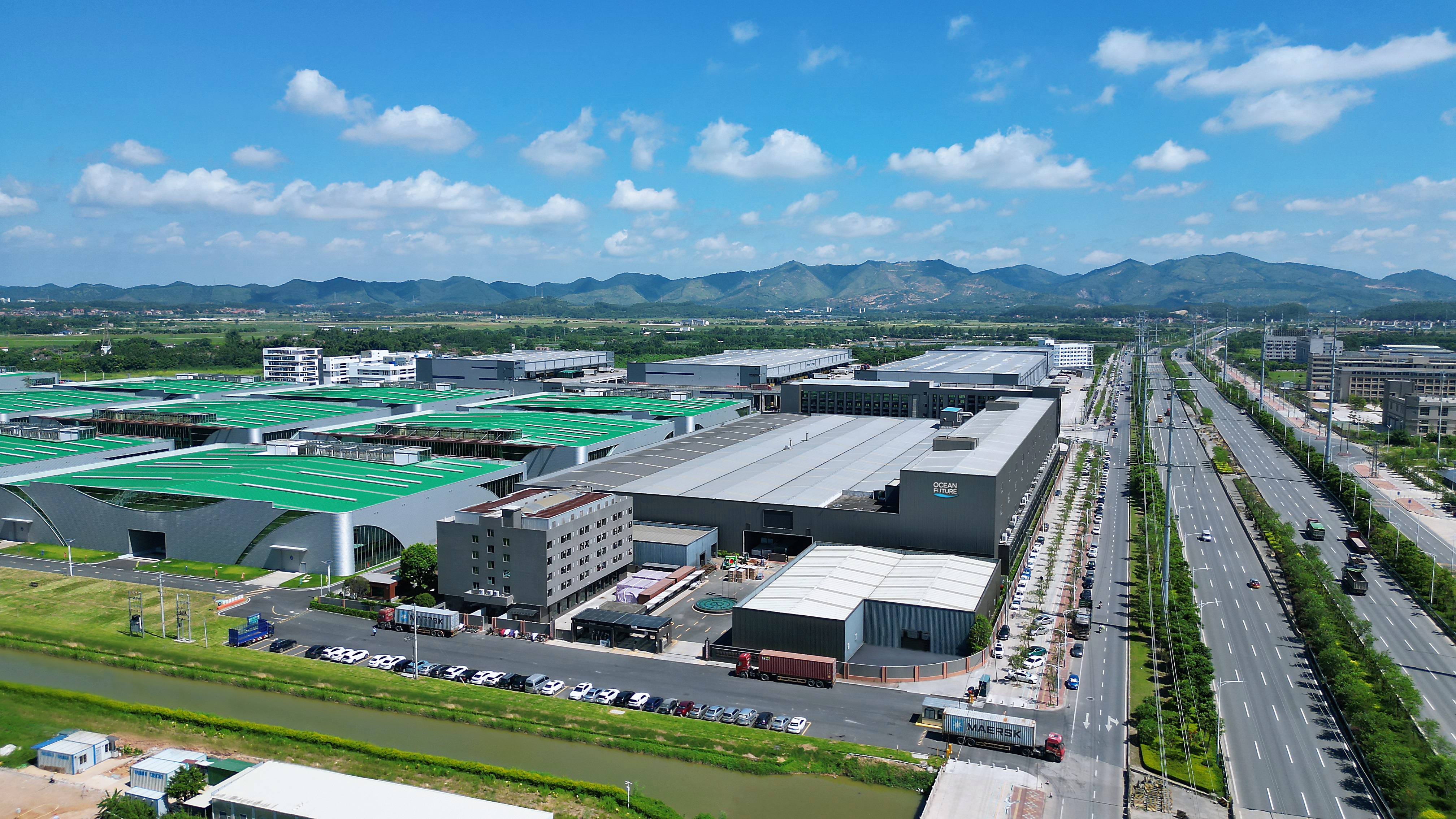
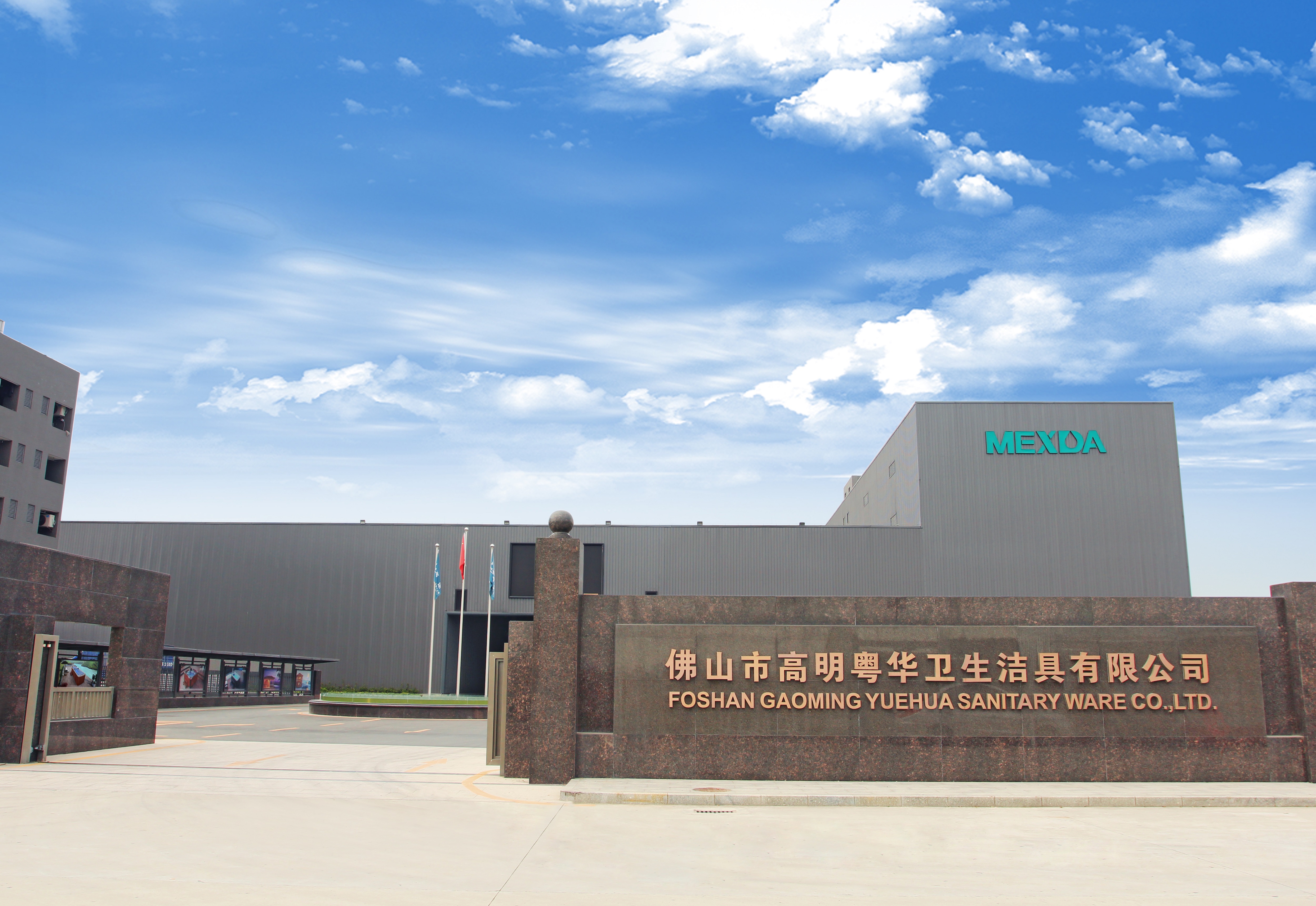
MEXDA, a brand of Foshan Gaoming Yuehua Sanitary Ware Co., Ltd., continues to develop swim spa solutions with these trends in mind. Established in 1995, the company operates a 50,000 m² facility with over 200 employees and a monthly swim spa capacity of approximately 500 sets, supporting OEM and ODM projects for global markets.
Swim Spa Procurement FAQ
Q1: What is the typical installation lead time for a 7-meter acrylic swim spa?
Installation lead time depends on order specifications, customization, and site readiness. However, the prefabricated nature of a 7-meter acrylic swim spa allows for significantly faster deployment than a traditional concrete pool. Verified comparison data indicates installation time can be reduced by up to 80%. Once the unit arrives on-site, installation typically involves positioning, connecting utilities, filling, and commissioning. Buyers should factor in foundation preparation and local permitting timelines, which can vary by jurisdiction.
Q2: What reinforcement requirements apply to commercial installations?
A 7-meter acrylic swim spa, when filled, creates substantial concentrated loads. Commercial installations require a properly engineered foundation—typically a reinforced concrete slab or structural deck—designed to support the filled weight. The exact reinforcement specification depends on soil conditions, installation type (in-ground, above-ground, or partially recessed), and local building codes. Buyers should engage a structural engineer to confirm load-bearing capacity. MEXDA provides technical documentation to assist with site planning.
Q3: How does water capacity influence site planning and operations?
Water capacity affects several planning factors: structural load, heating system sizing, water treatment requirements, and drainage. A larger volume requires more heating energy to maintain temperature, though optimized insulation and heating design can improve efficiency by up to 30%. Water treatment systems must be sized to maintain water quality under commercial bather loads. Additionally, local regulations may specify water turnover rates for public pools, which influence pump and filtration selection. Accurate capacity figures should be obtained from the manufacturer for each specific model.
Q4: Can a 7-meter acrylic swim spa be used in both hotel and community facilities?
Yes. The 7-meter acrylic swim spa is designed for versatility across commercial settings. Verified content units state the product is intended for hotel, fitness, leisure, residential, and resort installations. Its compact footprint, quick installation, and low maintenance make it suitable for hotels seeking premium guest amenities, fitness centers offering aquatic exercise, and community centers providing recreational swimming. Compatibility with local codes and accessibility requirements should be confirmed during the design phase.
Q5: What certifications should a commercial swim spa carry for international markets?
Certifications vary by region. For North America, ETL listing (UL 1563 / CSA C22.2#218.1) is a common requirement. For the European Union, CE marking under EN IEC 60335-2-60:2023 applies. In Australia, SAA certification (AS/NZS 60335.2.60) is relevant. MEXDA swim spas comply with these standards. Additionally, projects may need to comply with local building codes such as the International Swimming Pool and Spa Code (ISPSC). Buyers should verify that the manufacturer can provide the necessary certification documentation for their target market.
Q6: How does maintenance compare with a traditional concrete pool?
Maintenance requirements for acrylic swim spas are minimal compared to traditional pools. Verified data indicates no seasonal winterization is needed, and maintenance costs can be reduced by up to 70%. Routine tasks include water testing, filter cleaning, and occasional surface care. The acrylic shell resists staining and chemical damage, and the factory-sealed plumbing reduces leak risks. Remote monitoring systems, available on some models, can alert operators to issues such as water level or temperature deviations, supporting proactive maintenance.
Q7: Can a 7-meter acrylic swim spa be customized for a specific commercial project?
Customization options are available from manufacturers offering OEM and ODM services. MEXDA, for example, provides customizable swim spa solutions, including branding, jet configurations, and control system options. However, structural changes to the 7-meter platform may be limited by mold and engineering constraints. Buyers should discuss specific requirements—such as jet layout, lighting, or entry steps—with the manufacturer early in the procurement process to determine feasibility and lead time impact.
Download the MEXDA Swim Spa Catalog for detailed specifications and compliance documentation. Access the brochure here.
For commercial buyers, a 7-meter acrylic swim spa represents a decision that balances speed, operational efficiency, and guest experience. By understanding installation requirements, site preparation, and compliance obligations, procurement teams can make an informed choice that aligns with both budget and long-term performance goals.