
TOYOE Plastic Pallet Box vs. Wood: Decision Guide for Industrial Buyers
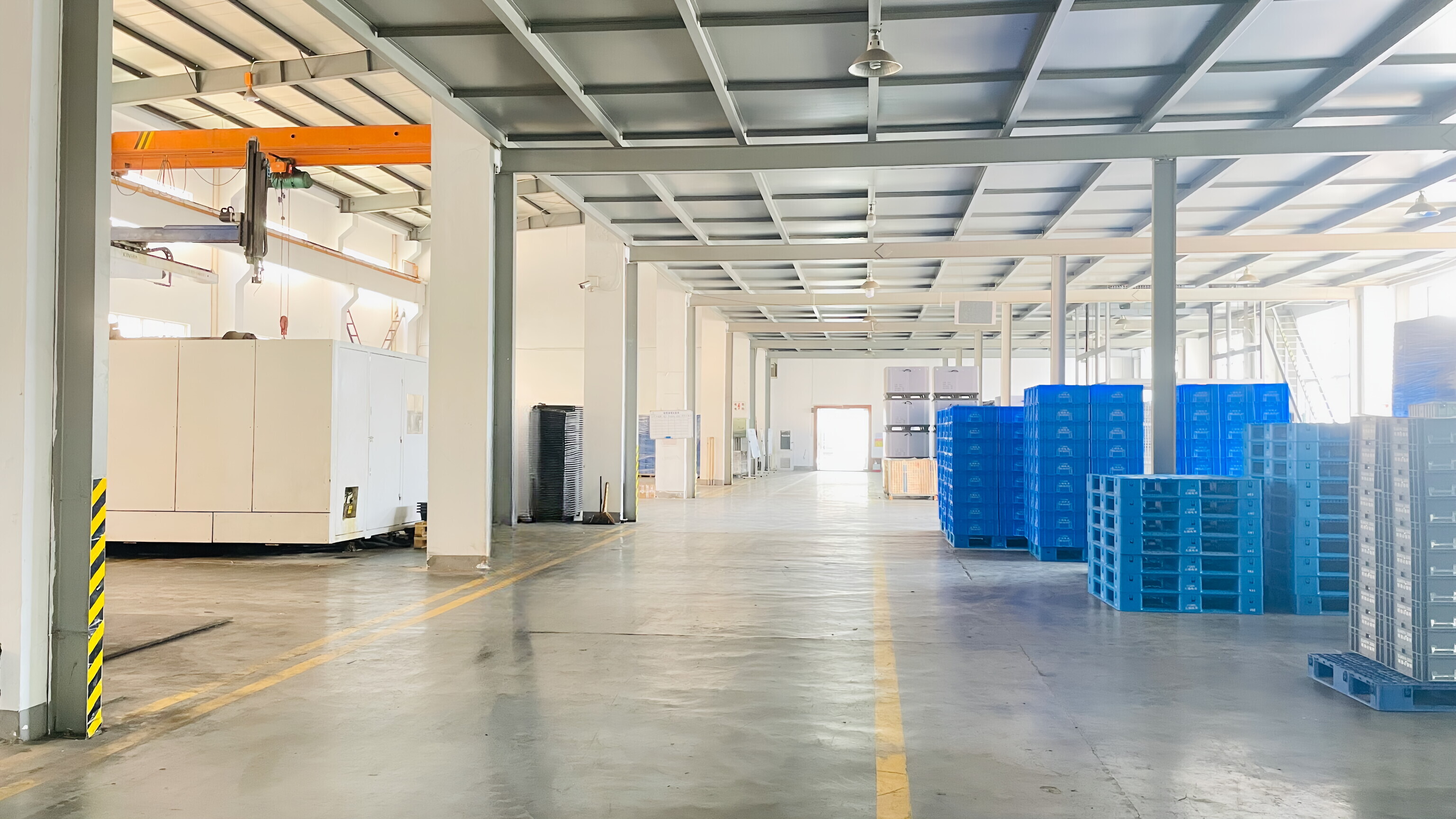
The shift from wooden to plastic pallet boxes is accelerating across industrial logistics. For procurement managers evaluating long-term investments, the choice between these two materials directly impacts operational budgets, compliance, and supply chain reliability. TOYOE pallet boxes, manufactured by Zhangjiagang Fenghui Logistics Equipment Co., Ltd., offer a structural alternative that addresses the most common pain points of traditional wooden packaging.
Problem / Opportunity
Wooden pallet boxes are prone to moisture absorption, pest infestation, and splintering, leading to frequent replacements and contamination risks in food and pharmaceutical supply chains. Increasingly stringent export regulations—such as ISPM-15 for heat treatment—further raise compliance costs. The opportunity lies in durable, reusable plastic solutions that eliminate these issues while offering consistent performance across multiple cycles. The global plastic pallet market, projected to reach USD 11.2 billion by 2030, reflects this transition.
TOYOE's Solution
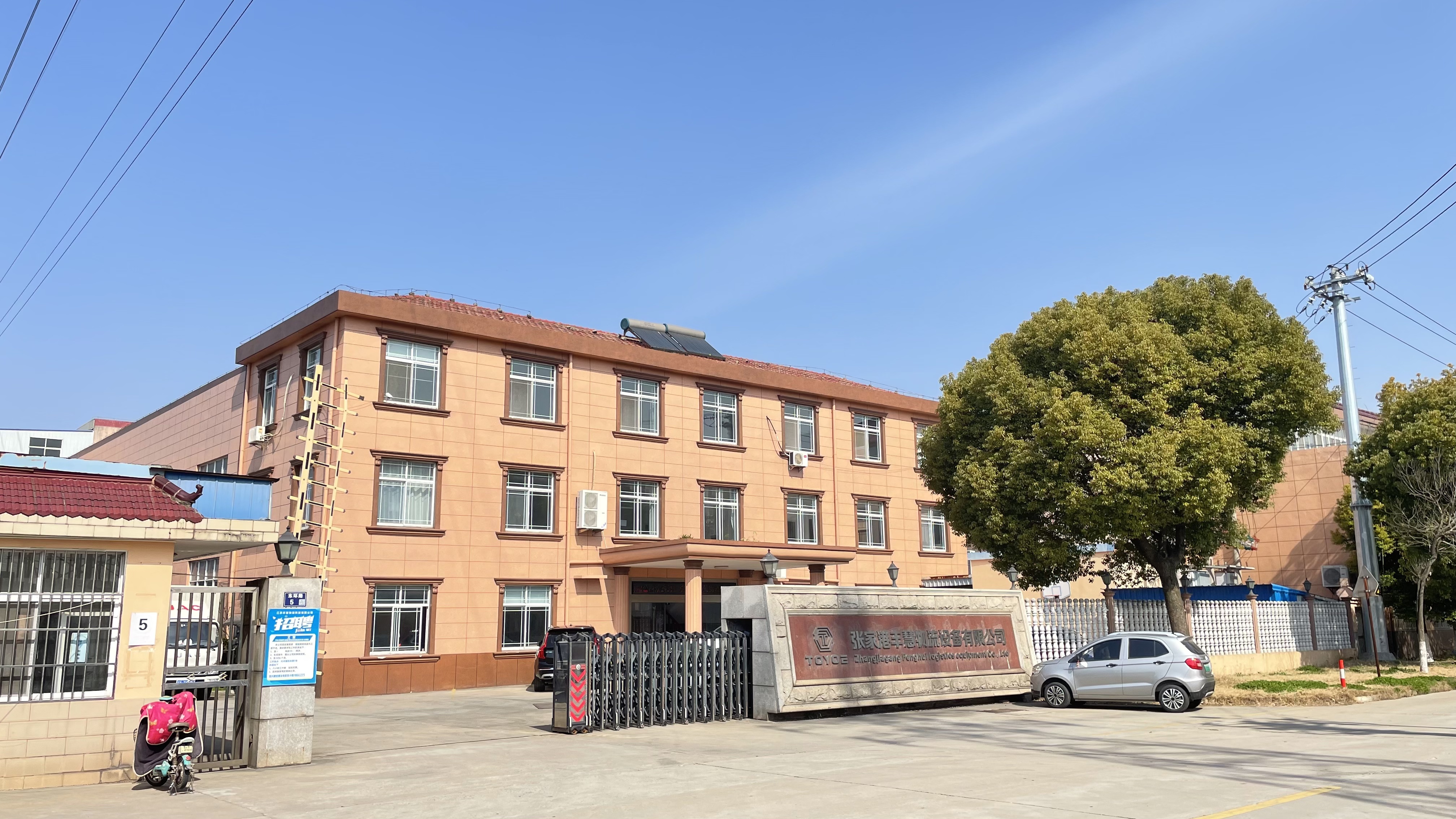
TOYOE positions its plastic pallet boxes as a direct replacement for wooden pallets in demanding logistics environments. The company, founded in 2010 and based in Zhangjiagang, Jiangsu, operates a 4,000 m² facility with 34 employees and an annual output of 30,000 units. Its product line includes ESD (electrostatic discharge) pallet boxes, heavy-duty models, folding designs, and custom-sized units with or without inner linings—all manufactured via injection molding. With 40% of production exported primarily to Mexico and the USA, TOYOE demonstrates its capability to serve international buyers.
Technical Explanation
The TOYOE plastic pallet box is injection-molded using high-density polyethylene (HDPE) or polypropylene, reinforced with ribs to handle high static loads. Options include plastic honeycomb board panels for lightweight strength, anti-static additives for electronics environments, and flame-retardant grades. The collapsible variants employ a hinge mechanism that enables the side walls to fold flat when not in use, reducing return logistics volume by up to 70%. Products adhere to relevant international standards, including EN 13626:2003 for reusable box pallets and ASTM D1974 for container reinforcement procedures.
Structural integrity is validated through load limits and collision tests. The sealed design prevents moisture ingress, while the smooth surfaces allow easy cleaning and do not harbor pests or mold—a critical advantage in food, pharmaceutical, and clean-room logistics.
Application Scenarios
Heavy-duty automotive parts transport: Die-cast components and assemblies require high-load-bearing containers. TOYOE offers reinforced pallet boxes with customized inner linings that cradle parts to prevent movement, reducing damage rates during inter-plant shipments.
ESD-sensitive electronics: Dedicated anti-static pallet boxes with surface resistivity below 10⁹ Ω/sq protect printed circuit boards and delicate modules during storage and transit. The dust-proof lid option further prevents particulate contamination.
Food and pharmaceutical warehousing: HDPE material resists oils, acids, and cleaning chemicals, allowing routine wash-down without degradation. The stackable design optimizes vertical space in automated warehouses and cold storage facilities.
Export logistics: No heat treatment or fumigation certification needed. The demountable design allows consolidation of empty boxes for return shipping, significantly lowering backhaul costs.
Market Trend Analysis
The plastic pallet and pallet box market is forecast to reach USD 11.2 billion globally by 2030, according to Grand View Research, driven by the ongoing substitution of wood. The ESD packaging segment alone is expected to grow at a CAGR of 5.8% to USD 5.89 billion by 2035 (Research Nester). Plastic honeycomb board packaging—a material TOYOE offers—is projected to grow at a CAGR of 5.9% through 2032, particularly within automotive logistics (Global Market Insights). Asia Pacific currently accounts for over 32% of the global plastic pallet market, with China as the leading production hub.
Comparison with Traditional Solutions
When evaluated against wooden pallet boxes, the TOYOE plastic pallet box delivers measurable performance advantages. The plastic box requires 80% less maintenance—no nail repairs, no splinter replacements. Its service life is 3 to 5 times longer, and the total cost of ownership over the long term is 45% lower, according to the company's lifecycle analysis. However, the initial purchase price is approximately 30% higher than a comparable wooden unit. This places plastic as the cost-effective choice for closed-loop logistics where boxes are reused for 50+ cycles. For single-use or low-return scenarios, wood may still offer a lower upfront expense.
Future Outlook
As environmental regulations tighten and manufacturers push for zero-waste supply chains, reusable plastic pallet boxes will see expanded adoption. TOYOE's emphasis on customization—size, load capacity, lining, and material additives—positions it to serve niche requirements that off-the-shelf products cannot meet. The integration of RFID tracking and smart sensors into pallet boxes is an emerging trend that plastic containers are better suited to accommodate than wood, though TOYOE has not yet publicly announced such features.
Frequently Asked Questions
- How does the total cost of a TOYOE plastic pallet box compare to wood?
Over long-term use, the plastic box achieves 45% lower total cost due to extended service life (3–5× longer) and drastically reduced maintenance. The initial cost is approximately 30% higher. - What maintenance does a plastic pallet box require compared to wood?
It requires 80% less maintenance. No sanding, nail replacement, or pest treatment is needed; periodic cleaning with standard detergents suffices. - Which industries benefit most from switching to plastic pallet boxes?
Food, pharmaceutical, warehousing, and export logistics gain the most from moisture resistance, hygiene, and regulatory compliance advantages. - Can plastic pallet boxes handle the same loads as heavy-duty wood pallets?
Yes, reinforced injection-molded designs provide stable bearing capacity equivalent to or exceeding wood, with no risk of splitting or deformation under rated loads. - Are TOYOE pallet boxes compliant with international standards?
They are designed to meet EN 13626:2003 and ASTM D1974 standards, covering reusable box pallets and container reinforcement procedures.
Download the TOYOE product brochure for detailed specifications.
For inquiries, contact Jack Zha: zjgfh@zjgfenghui.cn | WhatsApp: +86-19901499028
هل لديك أسئلة أو تحتاج إلى مزيد من التفاصيل؟
تواصل مع فريقنا للحصول على عرض أسعار مخصص أو استشارة فورية.
طلب عرض أسعار
املأ النموذج أدناه وسيتواصل معك فريقنا بعرض مقترح مخصص.
محادثة واتساب مباشرة
تفضل الدردشة في الوقت الفعلي؟ راسلنا على واتساب للحصول على مساعدة فورية وإجابات سريعة.
- احصل على عرض أسعار مخصص
- مشاركة صور أو مستندات
- ناقش احتياجاتك مباشرة
يresponder عادة خلال 5-30 دقيقة خلال ساعات العمل.