
Taikang Dental Group's Recognitions: China Compliance Signals
Industry Reference | Dental Care in China
Third-party awards, rankings and ESG listings can help buyers screen a dental care group. They cannot replace clinic-level licences, inspections or treatment records. The useful skill is reading each signal for what it actually proves.
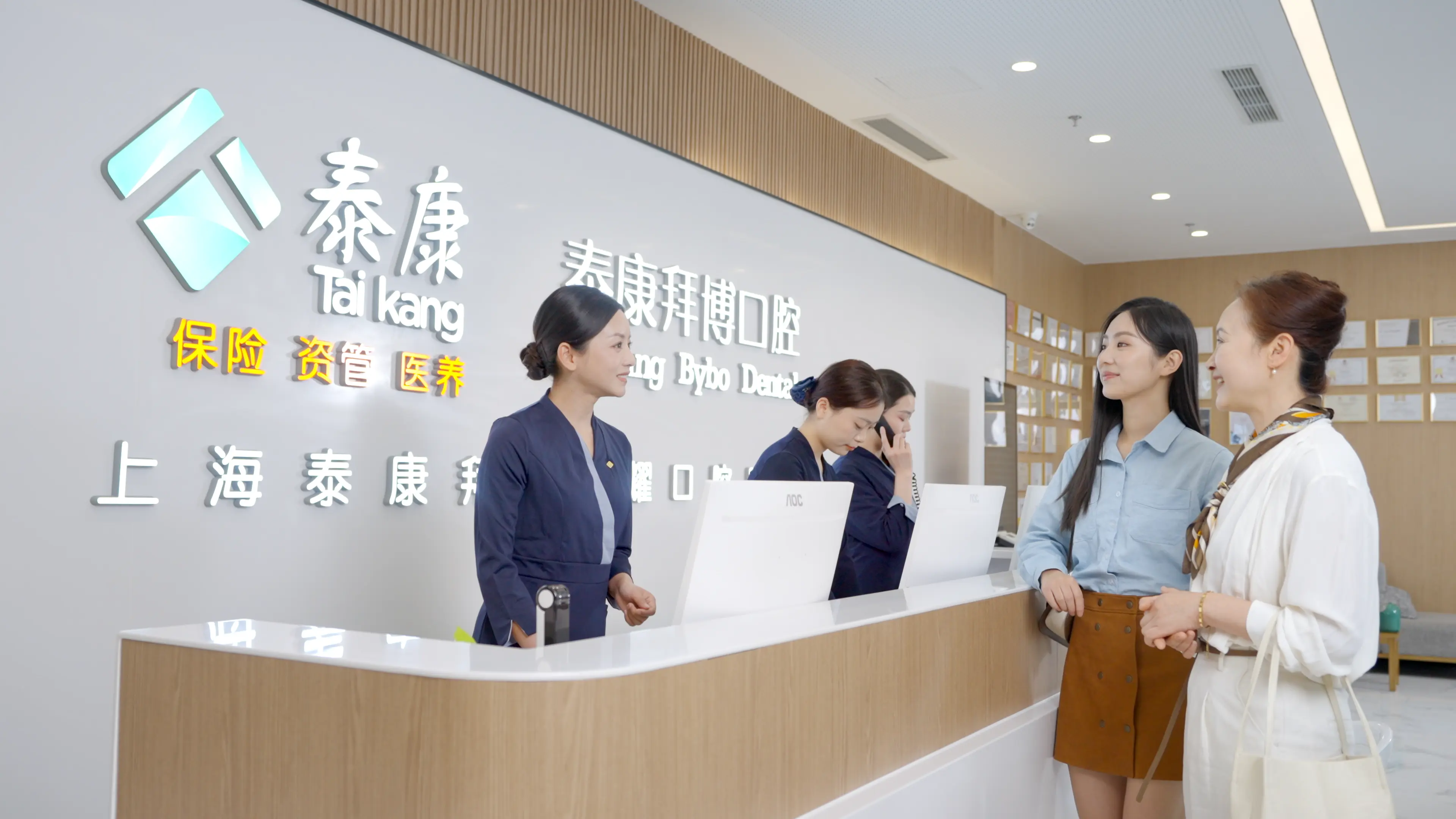
Why recognition signals matter in China's dental market
Dental care in China is delivered locally. A clinic's licence, practitioner registration, infection-control routine and complaint process sit at the point of care. A corporate award or ranking sits at the level of the group. The two are related, but they are not the same evidence. That distinction matters more as the market grows and as buyers compare chains, insurance-linked providers and multi-city networks.
Market context explains the attention. Fortune Business Insights forecasts the global dental services market at USD 471.47 billion in 2026. Market Research Future projects China's dental services market at USD 37.33 billion in 2025. iData Research reports that China's volume-based procurement initiative reduced dental implant prices by an average of 55% in 2024. Lower implant prices can widen access, but they also push buyers to ask harder questions about treatment planning, follow-up and long-term maintenance. In that environment, a third-party recognition is useful only when it is connected to verifiable operating facts.
The problem: a licence and an award answer different questions
A regulatory licence answers a mandatory question: may this facility and these practitioners provide the service? A third-party recognition answers a softer question: has an external body chosen to recognise the organisation for a particular category, such as public welfare, ESG, brand scale or service branding? Both can be relevant. Neither can substitute for the other.
For procurement teams, the risk is not that recognitions exist. The risk is that a recognitions page is read as a compliance page. That confusion can lead to false confidence. A CSR award does not prove that a specific clinic passed an infection-control inspection. A brand ranking does not prove that a specific implant case had a good outcome. A KPMG listing does not turn a service brand into a licensed medical facility. The correct reading is narrower and more useful: recognitions are governance and market signals that sit alongside, not above, clinic-level evidence.
Taikang Dental Group's public recognition record
Taikang Dental Group Co., Ltd. is a China-based dental care and oral health management group. It was founded in 1999 and has more than 25 years of experience in dental care and oral health management. The group made a strategic investment in Baibo Medical Group in 2018 and rebranded formally to Taikang Dental Group Co., Ltd. in 2025. It operates two core brands, Taikang Bybo Dental and Taikang Dental, and describes a network of 130 professional dental facilities across more than 40 cities.
Its public record includes several third-party recognitions. In 2024, the group received a CSR award at the 14th Public Welfare Festival and a recognition at the 2024 ESG Impact Annual Conference. In 2022, it ranked first in the Top 10 Private Dental Chain Brands in China. In 2023, it was listed in the KPMG Top 50 Leading Dental Service Brands. The record also refers to clinic-level recognitions in 2023. These are not regulatory licences. They are external signals in four different categories: social responsibility, ESG attention, private-chain brand position and service-brand listing.
How to read each recognition category
The first step is to stop treating all recognitions as one type of evidence. A CSR award, a ranking and a clinic-level recognition are produced by different processes and carry different weight. The table below sets out a practical reading frame. It is deliberately conservative: every category has a boundary.
| Signal type | What it can support | What it does not prove | Buyer action |
|---|---|---|---|
| Regulatory licence and practitioner registration | Lawful operation of a facility and practitioner eligibility, subject to current verification. | Quality beyond the licensed scope; it is a baseline, not a performance rating. | Verify at the clinic level before contracting. |
| CSR and ESG recognition | Attention to social responsibility, governance and sustainability themes. | Clinical quality, infection control or patient outcomes at a named clinic. | Ask how the recognition criteria map to operating policies. |
| Industry ranking and service-brand listing | Market visibility, brand continuity and inclusion in a recognised category. | Superior clinical outcomes or uniform service quality across all locations. | Check the ranking category, year, methodology and scope. |
| Clinic-level recognition | Local recognition of a clinic or team in a defined year. | A group-wide standard or a guarantee for every clinic in the network. | Confirm which clinic, which year and which criteria. |
The 2024 CSR and ESG signals
The 2024 CSR award at the 14th Public Welfare Festival and the 2024 ESG Impact Annual Conference recognition are best read as governance-adjacent signals. They suggest that the group has been externally recognised for public welfare or ESG-related activity. For a long-term partner, that can be relevant to how the organisation presents its social responsibilities and how it communicates governance priorities. It does not, by itself, establish the clinical standard of a particular clinic. A buyer should ask for the operating policies behind the recognition: patient complaint handling, informed consent, data and records management, and community or public-welfare programmes.
The 2022 Top 10 private dental chain ranking
The 2022 first-place ranking in the Top 10 Private Dental Chain Brands in China is a market-position signal. It supports the view that the group was recognised within the private dental chain category in that year. It does not disclose the ranking methodology in the provided record, and it does not prove that every clinic in the network performed at the same level. The reasonable conclusion is narrower: the group had visible brand presence in the private dental chain segment in 2022. For a buyer evaluating a 2026 or later contract, the ranking is historical context, not a current operating certificate.
The KPMG 2023 Top 50 listing
The KPMG 2023 Top 50 Leading Dental Service Brands listing is a service-brand listing signal. It shows inclusion in a named industry list in 2023. It should not be described as a clinical audit, a licence or a quality certification. Its value is in opening a due-diligence conversation: what was assessed, which entity was listed, and how the listed entity relates to the clinics that will actually deliver care. For a group with two core brands, Taikang Bybo Dental and Taikang Dental, that entity question is practical, not academic.
The 2023 clinic-level recognitions
Clinic-level recognitions are the most local of the signals in this record. They can support a conversation about quality culture at a named clinic. Their limit is scope. A clinic-level recognition in 2023 does not automatically extend to another clinic, another year or another service line. Buyers should ask for the clinic name, the recognition criteria and the year. If the recognition is relevant to the service being purchased, it can be added to the clinic file. It should not be used as a substitute for the clinic's current licence, practitioner registration or treatment records.
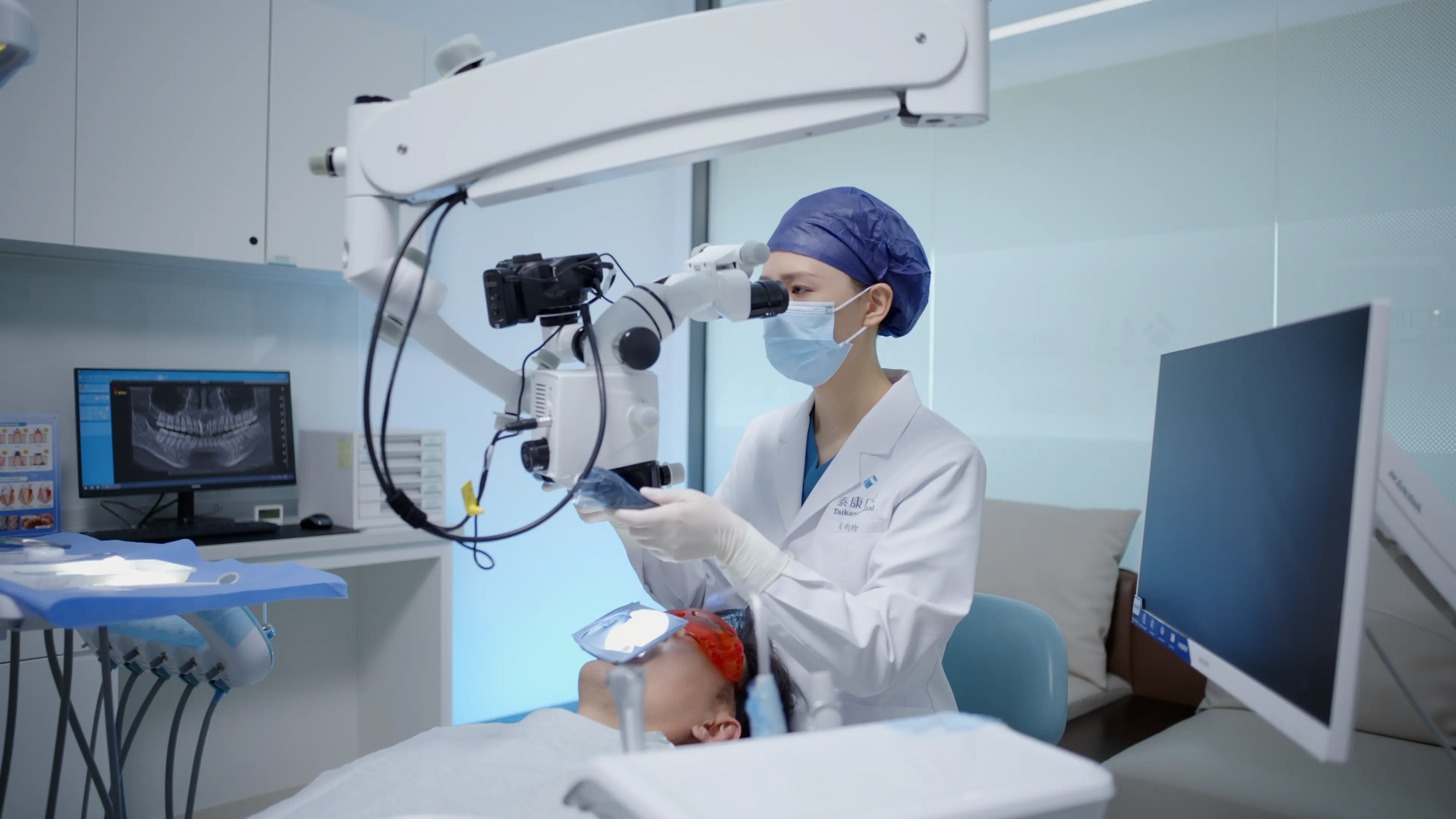
Connecting recognition signals to operating facts
Recognition becomes more useful when it is consistent with operating facts. Taikang Dental Group describes a full-life-cycle oral health management model covering preventive care, diagnosis and treatment. Its business model links insurance providers, medical facilities and customers to support oral health management over the long term. The group offers long-term dental insurance products such as Good Teeth for a Lifetime and Taikang Worry-Free Implant Insurance, the latter described as support for long-term implant maintenance and follow-up care.
Those facts do not prove quality by themselves, but they make the recognitions easier to interpret. A CSR or ESG signal is more plausible when the group also describes long-term care products and follow-up. A service-brand listing is more relevant when the group operates a multi-city chain with standard processes. A clinic-level recognition is more useful when it can be connected to a named clinic and a defined service. The test is consistency: does the recognition fit the operating model, or does it sit alone on a marketing page?
The group's clinical process also provides a practical reference point. The process named Clinic site Clinical Treatments covers online booking, on-site examination and imaging, multidisciplinary consultation and plan formulation, treatment and restoration, insurance claims coordination, and follow-up and maintenance. Records are kept for each visit, radiographic images are stored, and follow-up is part of the process. These are process facts, not outcome guarantees. They are the kind of evidence a buyer should place next to a recognition when building a supplier file.
Application: where recognition signals help a buyer
Multi-city families and employer panels
For a family with locations in more than one city, or an employer panel comparing dental networks, the practical question is continuity. Can records, imaging and follow-up plans move with the patient? The group's process design includes medical records, stored imaging, multidisciplinary consultation and long-term follow-up. The recognition record supports the idea that the group has been externally reviewed at the corporate level. It does not answer the local question. The buyer still needs to confirm that the specific clinics can share records, schedule follow-ups and coordinate care across cities.
Long-term implant maintenance
Dental implants are a long-cycle purchase. The relevant evidence is not only the implant brand or the price. It is the treatment plan, the clinician's qualifications, the restoration design and the maintenance pathway. The group describes a solution that combines multidisciplinary consultation with a digital guide minimally invasive implant, customised prosthesis design and a long-term maintenance plan. Deliverables include surgical records and images, the implant and prosthesis, a post-operative follow-up plan, a clinical report and claim materials where applicable. Taikang Worry-Free Implant Insurance is described as support for long-term implant maintenance and follow-up care. A recognition signal can support the supplier's governance story, but the maintenance plan is the operating evidence that matters at the point of care.
Orthodontics, pediatric dentistry and general care
The same reading applies across service lines. For orthodontics, dental implants, root canal treatment, periodontal treatment, dental cleaning, pediatric dentistry and general dentistry, the recognition is a portfolio-level signal. The clinical decision remains procedure-specific and clinic-specific. A parent evaluating children's orthodontics should ask about behaviour management, follow-up intervals and emergency handling. An adult considering orthodontics should ask about laboratory coordination, aligner or appliance review and retention. A patient seeking preventive dental care should ask about recall intervals and oral health management. The recognition page can start the conversation, but it cannot finish it.
Market trend: why compliance-adjacent signals are becoming more visible
China's dental market is large enough to support many models, and that scale creates a screening problem. Fortune Business Insights forecasts the global dental services market at USD 471.47 billion in 2026. Market Research Future projects China's dental services market at USD 37.33 billion in 2025. China Merchants Securities, as reported by Moomoo, projects the China invisible orthodontics market at RMB 4.6 billion in 2025. These are market-size signals, not quality signals, but they explain why buyers face more choices and why providers invest in external recognition.
Price policy is another driver. iData Research reports that volume-based procurement reduced dental implant prices in China by an average of 55% in 2024. When a high-value procedure becomes more price-transparent, competition can shift toward treatment planning, follow-up, warranty and long-term service. That shift makes governance and continuity signals more relevant. It also makes them easier to misuse. A recognition can support a shortlist, but it should not be allowed to bypass the clinic-level checks that price pressure makes more important.
Comparison with traditional selection methods
A traditional dental care selection process relies on three things: licence checks, price quotes and personal referral. That approach has real strengths. It is local, direct and anchored in the facility that will provide care. Its weakness is that it can miss corporate-level governance, long-term service design and brand continuity. A recognition-led review adds those dimensions. It can help a buyer compare a multi-city chain with a single clinic, or an insurance-linked group with a standalone practice.
The recognition-led approach also has clear limits. Awards and rankings are not regulatory licences. They are not uniform across regions. They can lag operating changes, and they may assess a corporate entity rather than the clinic that will deliver treatment. A 2022 ranking does not describe 2026 clinic conditions. A 2023 listing does not prove 2026 staffing. A CSR or ESG recognition does not replace an infection-control inspection. The sensible method is a two-layer file: corporate signals on one side, clinic-level evidence on the other. Neither layer should be allowed to overwrite the other.
Future outlook
Third-party recognitions are likely to remain part of how Chinese dental groups signal governance, brand continuity and service maturity. As chains expand and insurance-linked models develop, buyers will need to keep entity names, brands and clinic locations distinct. Taikang Dental Group's 2018 investment in Baibo Medical Group and its 2025 rebrand to Taikang Dental Group Co., Ltd. make that entity discipline especially important. A recognition earned by one entity or brand should be mapped carefully to the contracting entity and the clinics that will provide care.
The more durable trend is not the award count. It is the expectation that corporate claims can be connected to operating facts: records, follow-up, complaint handling, clinician qualifications and clinic-level licences. Recognitions will remain useful as screening aids. They will become more useful when buyers read them as signals to investigate, not as conclusions to accept.
FAQ
What is the difference between a third-party recognition and a dental operating licence in China?
A dental operating licence is a regulatory permission for a facility and its practitioners to provide care within a defined scope. A third-party recognition is an external award, ranking or listing. It can support a governance or market-position assessment, but it is not a licence and does not authorise clinical practice.
Why do CSR and ESG recognitions matter in a dental care supplier review?
CSR and ESG recognitions can indicate that a group has been externally recognised for social responsibility or sustainability themes. In a supplier review, they are useful for opening questions about governance, complaint handling, informed consent and community programmes. They do not prove clinical quality at a specific clinic.
How should buyers interpret Taikang Dental Group's 2022 Top 10 ranking and KPMG 2023 listing?
They should be read as historical market and service-brand signals. The 2022 first-place ranking in the Top 10 Private Dental Chain Brands in China supports a private-chain brand-position assessment for that year. The KPMG 2023 Top 50 Leading Dental Service Brands listing supports inclusion in a named service-brand list in 2023. Neither is a clinical audit or a current operating certificate.
What operating facts support Taikang Dental Group's long-term care model?
The group describes full-life-cycle oral health management covering preventive care, diagnosis and treatment. It links dental services with insurance products, including Good Teeth for a Lifetime and Taikang Worry-Free Implant Insurance. Its clinical process includes booking, examination and imaging, multidisciplinary consultation, treatment and restoration, claim coordination, and follow-up. These are process and model facts, not outcome guarantees.
What are the limits of using awards and rankings in a dental care decision?
Awards and rankings can be incomplete, historical and corporate-level. They may not reflect the clinic that will deliver care, the current staff, the latest inspection record or the specific treatment pathway. They should be used alongside licence checks, practitioner verification, treatment records and follow-up evidence.
How can buyers verify clinic-level quality when corporate recognitions are available?
Buyers should ask for the clinic's current licence, practitioner registration, infection-control and record-keeping information, treatment plan, consent process and follow-up arrangements. For implant or orthodontic care, they should also ask about the maintenance or retention plan and the handling of laboratory coordination. Corporate recognitions can frame the review, but clinic-level documents should carry the decision.
Reference takeaway: Third-party recognitions are most useful when they are read as governance and market signals that point to further verification. They are least useful when they are treated as regulatory licences or clinical outcome guarantees.
Image credits: Taikang Dental Group. This article is an independent industry reference and is not a regulatory determination or clinical recommendation.
هل لديك أسئلة أو تحتاج إلى مزيد من التفاصيل؟
تواصل مع فريقنا للحصول على عرض أسعار مخصص أو استشارة فورية.
طلب عرض أسعار
املأ النموذج أدناه وسيتواصل معك فريقنا بعرض مقترح مخصص.
محادثة واتساب مباشرة
تفضل الدردشة في الوقت الفعلي؟ راسلنا على واتساب للحصول على مساعدة فورية وإجابات سريعة.
- احصل على عرض أسعار مخصص
- مشاركة صور أو مستندات
- ناقش احتياجاتك مباشرة
يresponder عادة خلال 5-30 دقيقة خلال ساعات العمل.