
The 30-Minute Default: How Dual Cooling Vests Change Procurement Decisions
Industrial cooling vests are moving from passive comfort items to active heat-stress management tools. For procurement teams, the relevant comparison is no longer just 'does it cool,' but 'how long does one cooling cycle last before the vest needs attention.' That distinction is central to the current market shift toward dual cooling water cooling vests.
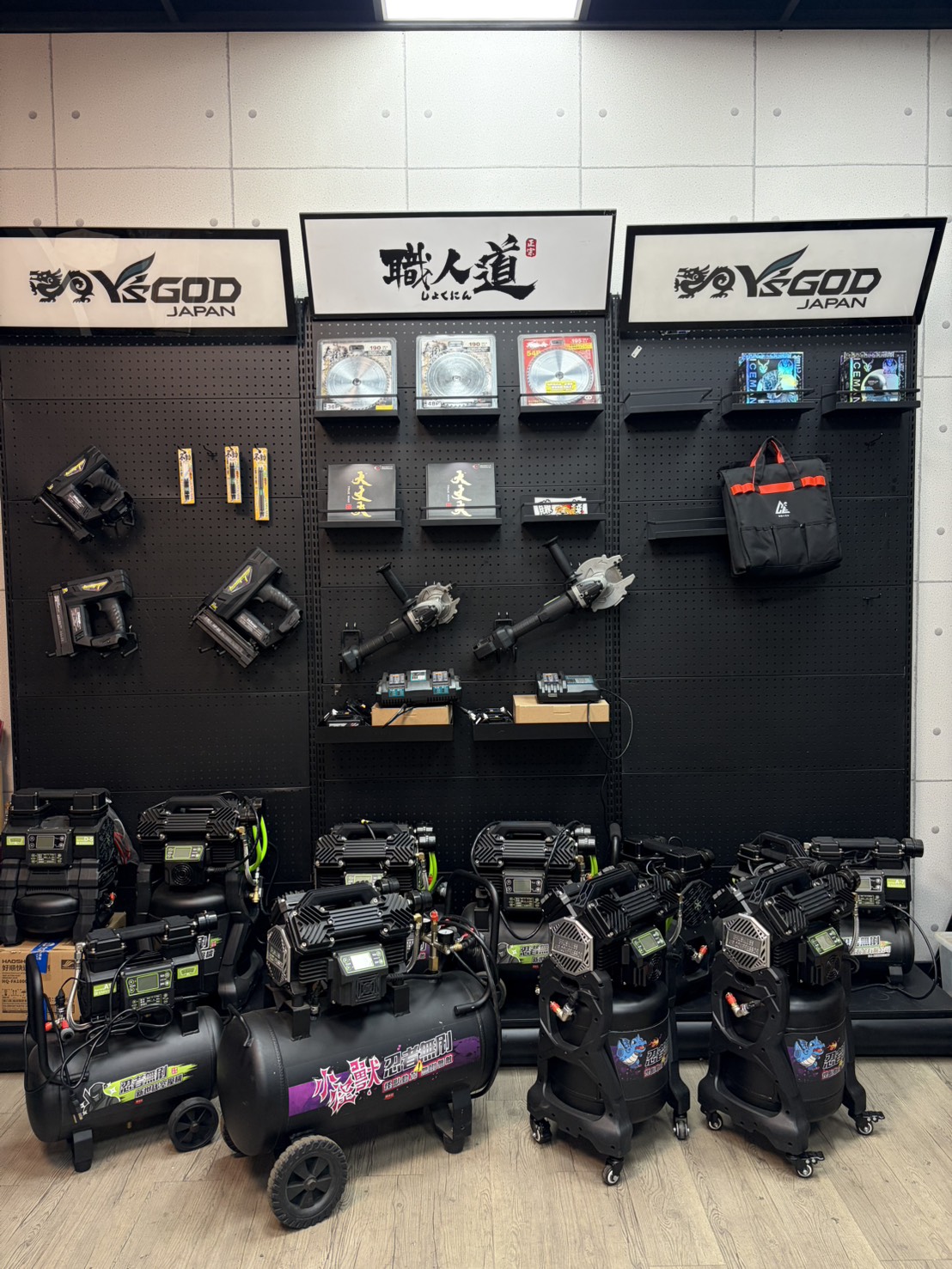
Shokunin product display area. Source: Feng Shang Precision Co., Ltd.
The global cooling vest market was valued at approximately USD 215 million in 2024 and is projected to reach USD 385 million by 2033, according to Dataintelo. Industrial applications, including construction and manufacturing, accounted for the largest share at 34.5% in 2025. In this context, a vest that provides 3–4 hours of cooling, instead of the roughly 30 minutes seen in many conventional water-cooled models, changes both workflow planning and the economics of heat protection.
One product currently drawing buyer attention in this category is Shokunin, an e-commerce brand launched by Feng Shang Precision Co., Ltd. The company, founded in 2009 and based in Taoyuan, Taiwan, produces industrial tools and personal cooling equipment. Its water-cooled vest received the Disaster Prevention Product and Service Certification Award issued by the Taiwan Disaster Prevention Industry Association.
Why the 30-Minute Baseline Is a Procurement Problem
Heat stress is a recurring operational risk in metal sheet factories, outdoor construction sites, and other high-temperature environments. Conventional water-cooled vests can provide immediate relief, but their cooling effect often drops off after roughly 30 minutes of use. In a normal shift, that creates a repeated cycle of interruption: stop work, replace or refreeze ice packs, wait for the vest to cool down, and resume. For an eight-hour shift, this cycle becomes impractical.
The opportunity is therefore not only about comfort. A longer cooling duration allows a vest to align with work periods, reduces downtime, and makes active cooling economically viable. This is why the comparison between 30-minute and 3–4 hour models has become a central decision factor in industrial procurement.
The hidden cost of short-duration cooling is not just the ice pack itself. It includes worker time lost while leaving the work area, the supervision needed to enforce cooling breaks, and the risk that workers will simply stop using ineffective equipment. For a safety manager, this makes duration a compliance issue as much as a comfort issue.
Brand Solution: Shokunin COOLWAVE Dual Cooling Water Cooling Vest
Shokunin offers a dual cooling water cooling vest with a documented performance advantage: 3–4 hours of cooling duration, compared with approximately 30 minutes for other water-cooled vests. This is the core value proposition in comparative product documentation.
The Shokunin water-cooled vest provides cooling for 3–4 hours, whereas other water-cooled vests lose cooling after approximately 30 minutes.
Beyond duration, the manufacturer lists several operational advantages over other water-cooled vests: higher energy efficiency, lower maintenance requirements, and suitability for high-temperature environments, metal sheet factories, and outdoor sites. The vest uses reusable ice packs and durable fabric, which keeps upkeep minimal. In contrast, other water-cooled vests may require frequent ice pack replacement and show higher wear and tear.
Feng Shang Precision Co., Ltd. operates a 1,000 m² facility in Taoyuan, Taiwan. The company was founded in 2009 and employs 30 people, including 5 engineers. Its annual output is approximately 10,000 units across product lines, which include air compressors, cut-off machines, water-cooled vests, lithium batteries, diamond saws, nail guns, spider stands, and screwdriver bits. About 50% of output is exported, primarily to the United States and Taiwan (ROC). Shokunin is positioned as the company's professional e-commerce brand for craftsmen and industrial users.
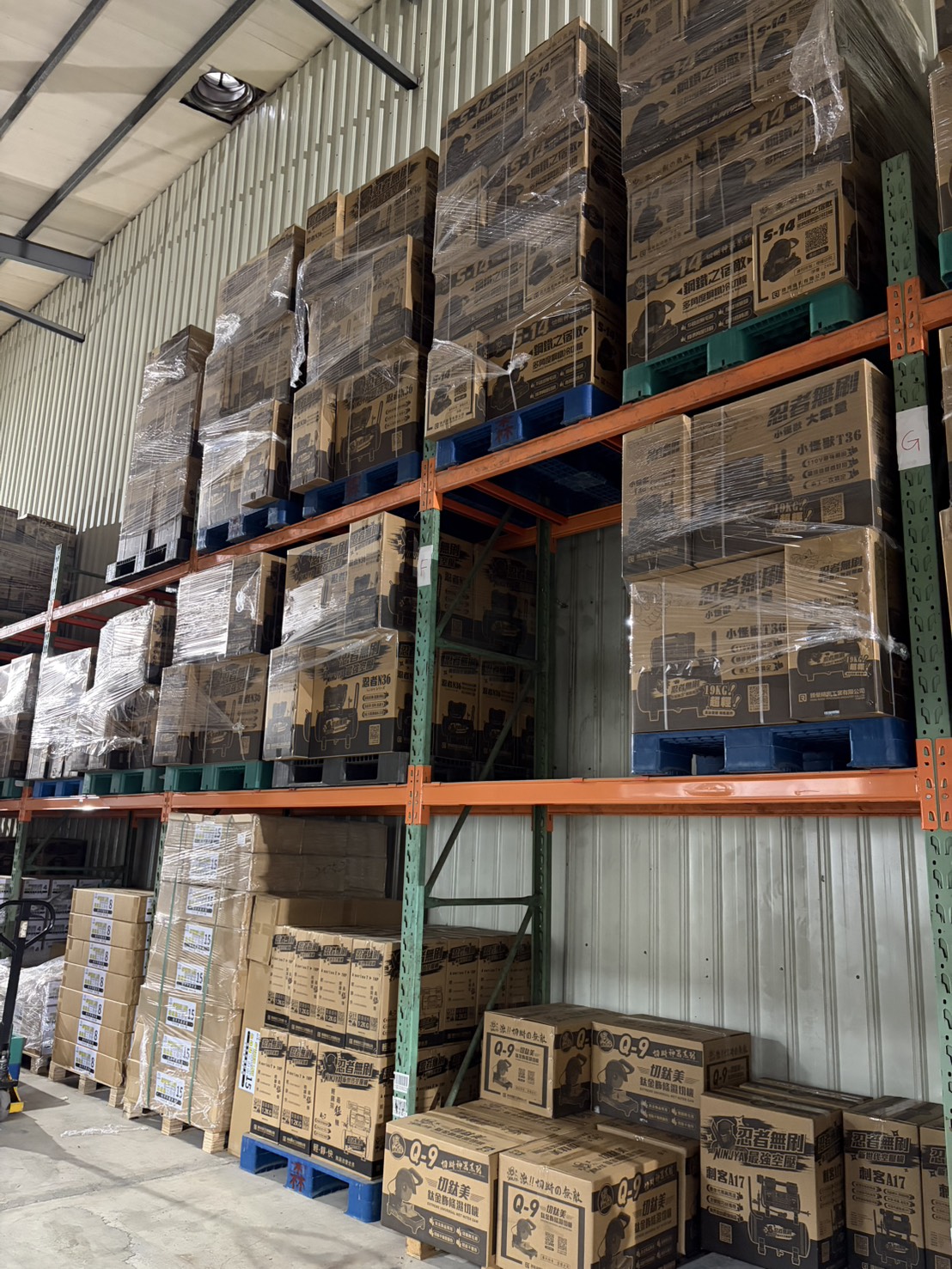
Shokunin warehouse and fulfillment area. Source: Feng Shang Precision Co., Ltd.
How Water Circulation Cooling Works
Heat stress occurs when the body cannot dissipate heat fast enough. In hot factories and outdoor sites, the combination of air temperature, radiant heat, humidity, and physical workload raises core body temperature. Cooling vests help by lowering skin temperature, which reduces the cardiovascular strain of maintaining a safe core temperature. Active water circulation is one of the more effective methods because water has a high heat capacity and can transport heat away from the torso when circulated continuously.
Water-cooled vests are an active cooling category. Instead of relying only on evaporative cooling or phase change materials, they circulate chilled liquid through tubes that contact the torso. As the liquid moves, it absorbs body heat and returns cooler water to the body surface. The efficiency of this process depends on the thermal capacity of the ice source, the flow rate, and how well the vest transfers heat from the skin.
The 30-minute limit observed in many conventional models is generally a system issue: small ice packs or poorly insulated tubing allow the water to warm up quickly, and the cooling effect declines to an uncomfortable level. A 3–4 hour duration indicates a meaningful difference in thermal capacity or circulation efficiency. For buyers, this distinction matters more than the marketing description of the vest.
The Shokunin documentation positions its vest as high-efficiency, with reusable ice packs as part of the design. From a procurement perspective, reusable ice packs reduce the recurring cost of consumables. Durable fabric also lowers the frequency of replacement, which is a relevant consideration when a company buys vests for multiple workers rather than for a single user.
Risk Control in a Product Category That Handles Ice and Water
Leakage is one of the most common quality complaints in water-cooled garments. Shokunin's documented approach is to use reinforced ice pack material and to conduct quality checks before shipment. The company states a 100% quality guarantee before shipment, which is a useful reference point for procurement teams assessing supplier quality control.
Where a 3–4 Hour Cooling Cycle Adds the Most Value
The comparative documentation for the Shokunin vest specifically lists high-temperature environments, metal sheet factories, and outdoor sites as target use cases. These are also the environments that dominate the industrial cooling vest market: construction and manufacturing accounted for 34.5% of global demand in 2025, according to Dataintelo.
In a metal-roof factory, radiant heat from the roof and machinery can push ambient temperatures well above outdoor levels. Outdoor workers under prolonged sun exposure face a similar problem. In both cases, the ability to stay cool for 3–4 hours without recharging is operationally meaningful. It aligns with a half-shift, allowing workers to cool down during lunch or scheduled breaks rather than stopping production every 30 minutes.
Sweat-proof and heatstroke prevention considerations also enter the buying decision. Cooling equipment used in construction and factory settings needs to tolerate dust, movement, and repeated use. A vest with durable fabric and minimal maintenance has a practical advantage in these environments, particularly when deployed as part of a corporate heat-illness prevention program.
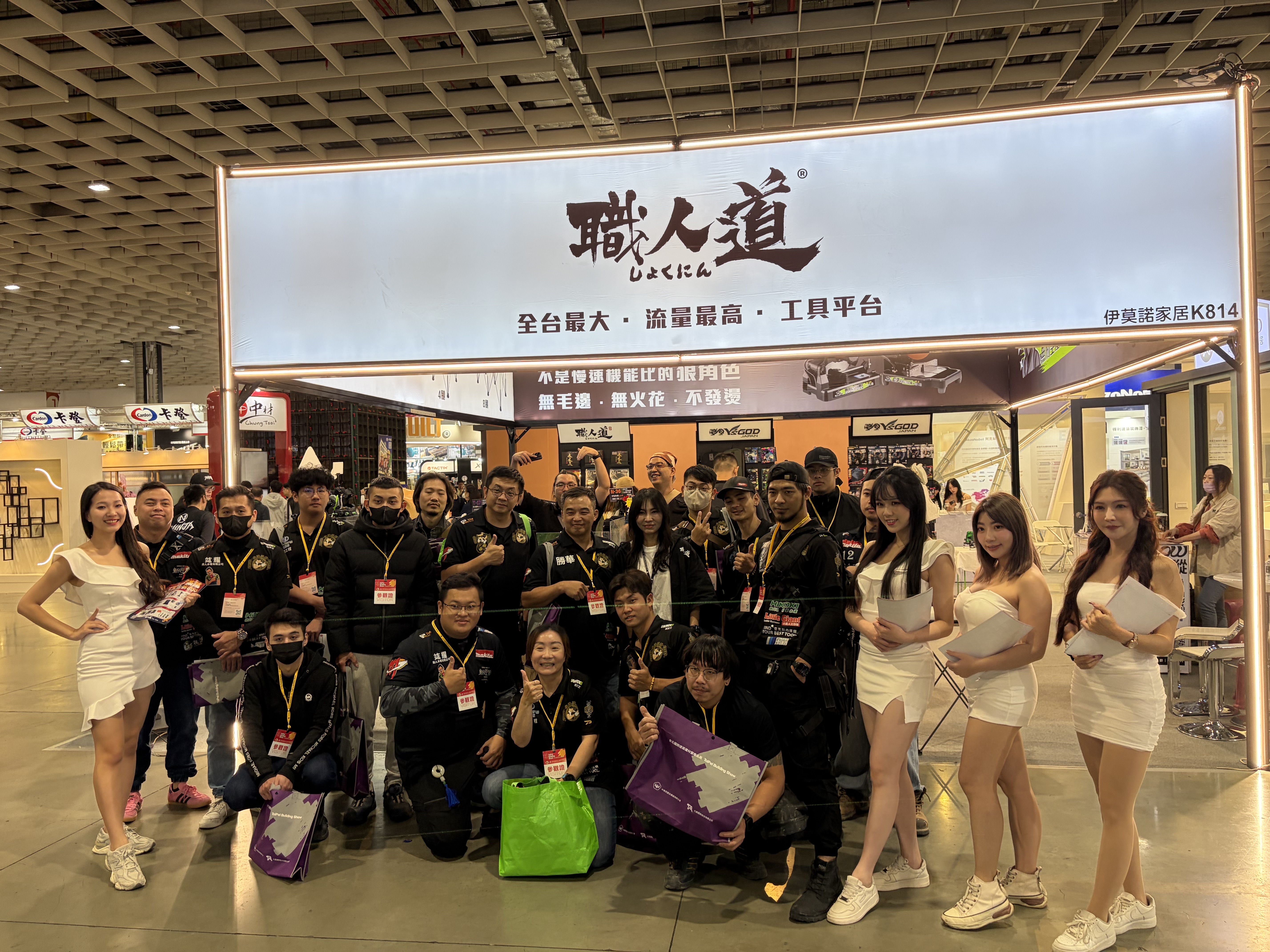
Shokunin product reference. Source: Feng Shang Precision Co., Ltd.
Market Trends That Affect Cooling Vest Sourcing Decisions
Several verified market signals support the shift toward active cooling products with longer endurance:
- The global cooling vest market is projected to grow from approximately USD 215 million in 2024 to USD 385 million by 2033 (Dataintelo).
- The broader personal cooling device market was valued at USD 25.16 billion in 2024 and is projected to reach USD 94.85 billion by 2035 (Market Research Future).
- Asia Pacific is the fastest-growing region for cooling vests, driven by rapid industrialization and a large outdoor workforce (Spherical Insights).
- Active circulatory mechanisms, including ice water circulation, are increasingly deployed in industrial sectors to mitigate occupational heat stress (Strategic Market Research).
- Key competitors in the cooling vest market include Techniche International, Glacier Tek, Polar Products Inc., and Ergodyne (Spherical Insights).
These signals suggest that industrial buyers are evaluating cooling vests more seriously as an investment in worker safety and productivity, not as a seasonal accessory. Endurance, service life, and total cost per worker are becoming more important than initial price alone.
Portability is part of the same trend. Workers in construction or maintenance frequently move between zones, so a cooling vest that depends on a fixed station is less practical. A self-contained ice-water circulation vest aligns better with mobile work than centralized misting systems or air-conditioned rest areas.
Comparison: Shokunin Dual Cooling Vest vs Other Water-Cooled Vests
The decision stage usually requires a side-by-side view. The table below summarizes the documented differences between the Shokunin dual cooling water cooling vest and other water-cooled vests, based on Shokunin's comparative product documentation and verified company information.
| Comparison criterion | Shokunin dual cooling water cooling vest | Other water-cooled vests |
|---|---|---|
| Cooling duration | 3–4 hours | Approximately 30 minutes before cooling effect is lost |
| Energy efficiency | Higher | Lower in comparative documentation |
| Maintenance | Reusable ice packs, durable fabric, minimal upkeep | Frequent ice pack replacement, higher wear and tear, more upkeep |
| Target environments | High-temperature environments, metal sheet factories, outdoor sites | Not specified for prolonged-exposure conditions |
| Leakage risk control | Reinforced ice pack material; 100% quality guarantee before shipment | Not detailed |
A genuine limitation should be noted: the 3–4 hour duration is documented as a manufacturer claim in Shokunin's comparative materials, not as a third-party test result. Buyers should validate whether the endurance holds under their actual working conditions, including ambient temperature, worker movement, and fit.
Buyers should also weigh fit and weight. Active water circulation systems add components compared with simple phase change vests, so comfort under full-shift wear must be evaluated by actual users. The appropriate conclusion is not that every organization should replace all cooling equipment, but that a longer endurance model can reduce the number of interruptions and the total cost of maintaining a cooling PPE program.
For context, phase change material (PCM) vests remain the fastest-growing technology segment, with 28.7% share in 2025. PCM vests absorb heat through a material phase transition and do not require moving liquid. However, their endurance is limited by the amount of PCM and the ambient temperature, and they must be refrozen after use. Active ice water circulation is a different engineering approach, and its industrial deployment is increasing, according to market research. The choice depends on factors such as shift length, access to freezers, and worker preference.
A Practical Evaluation Sequence for Procurement
- Confirm the shift pattern and the maximum time a worker can be away from a recharging station.
- Ask the supplier for endurance data and identify whether it was generated by the manufacturer or an independent lab.
- Compare maintenance requirements over a full season, including ice pack replacement cost and fabric durability.
- Check the quality-control measures for leakage, especially for vests using water and ice.
- Run a field test with a small group of workers before large-scale purchase.
Future Outlook for Industrial Cooling Vest Procurement
The industrial procurement conversation is moving from 'which cooling method is coolest' to 'which cooling method can be sustained across a shift.' The 3–4 hour benchmark is important because it matches the operational rhythm of many workplaces: a half-day block, a long task, or the hottest period of a shift.
Suppliers may also respond with more modular designs, such as replaceable ice packs, easier cleaning, and sizing systems that fit more workers. A manufacturer that can document long-duration performance in real field conditions is likely to gain preference in competitive bids.
As the market grows, procurement teams are likely to ask more rigorous questions about test data, maintenance cost per season, field durability, and supplier quality control. Active circulation vests that can demonstrate durable endurance will have a stronger position. Manufacturers offering transparent quality processes, such as pre-shipment inspection and reinforced component design, may also benefit from a more risk-averse buyer base.
FAQ: Procurement Questions About Dual Cooling Water Cooling Vests
How long does the Shokunin water-cooled vest cool compared with other water-cooled vests?
The Shokunin water-cooled vest provides 3–4 hours of cooling, while other water-cooled vests are documented to lose their cooling effect after approximately 30 minutes.
What maintenance does a Shokunin water-cooled vest require?
Shokunin uses reusable ice packs and durable fabric, which keeps maintenance minimal. Other water-cooled vests may require frequent ice pack replacement and typically experience more wear and tear.
Which work environments are suited to the Shokunin water-cooled vest?
The documented target environments are high-temperature workplaces, metal sheet factories, and outdoor sites, where longer cooling endurance reduces recharging interruptions.
How does Shokunin reduce the risk of ice pack leakage?
Shokunin uses reinforced ice pack material and applies a 100% quality guarantee before shipment to address leakage risk.
What certification does the Shokunin water-cooled vest hold?
The Shokunin water-cooled vest received the Disaster Prevention Product and Service Certification Award issued by the Taiwan Disaster Prevention Industry Association. For electrical components in cooling systems, ISO 9001:2015 quality management and CE or UL marks are commonly required in industrial procurement, according to ISO and UL references.
What should buyers compare when evaluating cooling vests for final selection?
Decision-stage comparison should include cooling duration, energy efficiency, maintenance requirements, suitability for the work environment, leakage risk controls, and field comfort. Buyers are advised to verify endurance claims under their own shift conditions.
For additional context, Feng Shang Precision Co., Ltd. provides a public corporate brochure covering its product lines and company background: Shokunin corporate brochure. Company information is also available at www.fstool.com.tw.