
The Buyer's Compass for Alginate Fiber: Finding the Right Supplier Fit
As the global textile industry accelerates its shift toward sustainable, functional materials, alginate fiber—derived from seaweed—has emerged as a high-potential alternative. For brand owners and procurement professionals, identifying a supplier that aligns with both technical requirements and commercial expectations has become a strategic priority. This article breaks down the key criteria for evaluating alginate fiber suppliers, with a focus on real-world production capabilities, certification standards, and application fit.
Why Supplier Match Matters More Than Ever
The functional textile market is projected to grow at a CAGR of over 7% through 2030, driven by demand for antibacterial, moisture-wicking, and eco-friendly materials. Alginate fiber, with its inherent biodegradability and multi-functionality—including antibacterial, deodorizing, far-infrared, and negative ion properties—positions itself as a frontrunner. However, not all suppliers can deliver consistent quality or customization. Buyers often face challenges such as batch variation, limited R&D support, or insufficient certification for target markets (EU, North America, Japan, etc.).
A mismatch between supplier capability and product application can lead to costly delays or product failures. Therefore, a structured evaluation framework is essential.
Healcell: A Case Study in Supplier Alignment
Shandong Healcell Biomaterial Technology Co., Ltd., operating under the Healcell brand, exemplifies what a well-matched supplier looks like. Founded in 2022, the company occupies a 52,000 m² facility with a team of 120 employees, including 13 R&D engineers. Its weekly output includes approximately 300 tons of knitted fabrics and 600 tons of raw alginate fiber, demonstrating scale and production reliability.
Healcell holds OEKO-TEX® STANDARD 100 certification (certificate no. BJ004 274094.4), valid through January 2027, covering products destined for EU, North America, Japan, South Korea, and other major markets. This certification assures buyers of chemical safety and compliance with global textile standards.
The company’s product portfolio spans yarns, fibers, and fabrics with specialized functionalities: quick-dry, deodorizing, antibacterial, moisture-wicking, and even conductive properties. For example, the Healcell Alginate Fiber / Seaweed Deodorizing Yarn 40s (model BSY00042-3) combines 70% cotton with 30% modal infused with alginate, offering odor resistance ideal for underwear and sportswear.
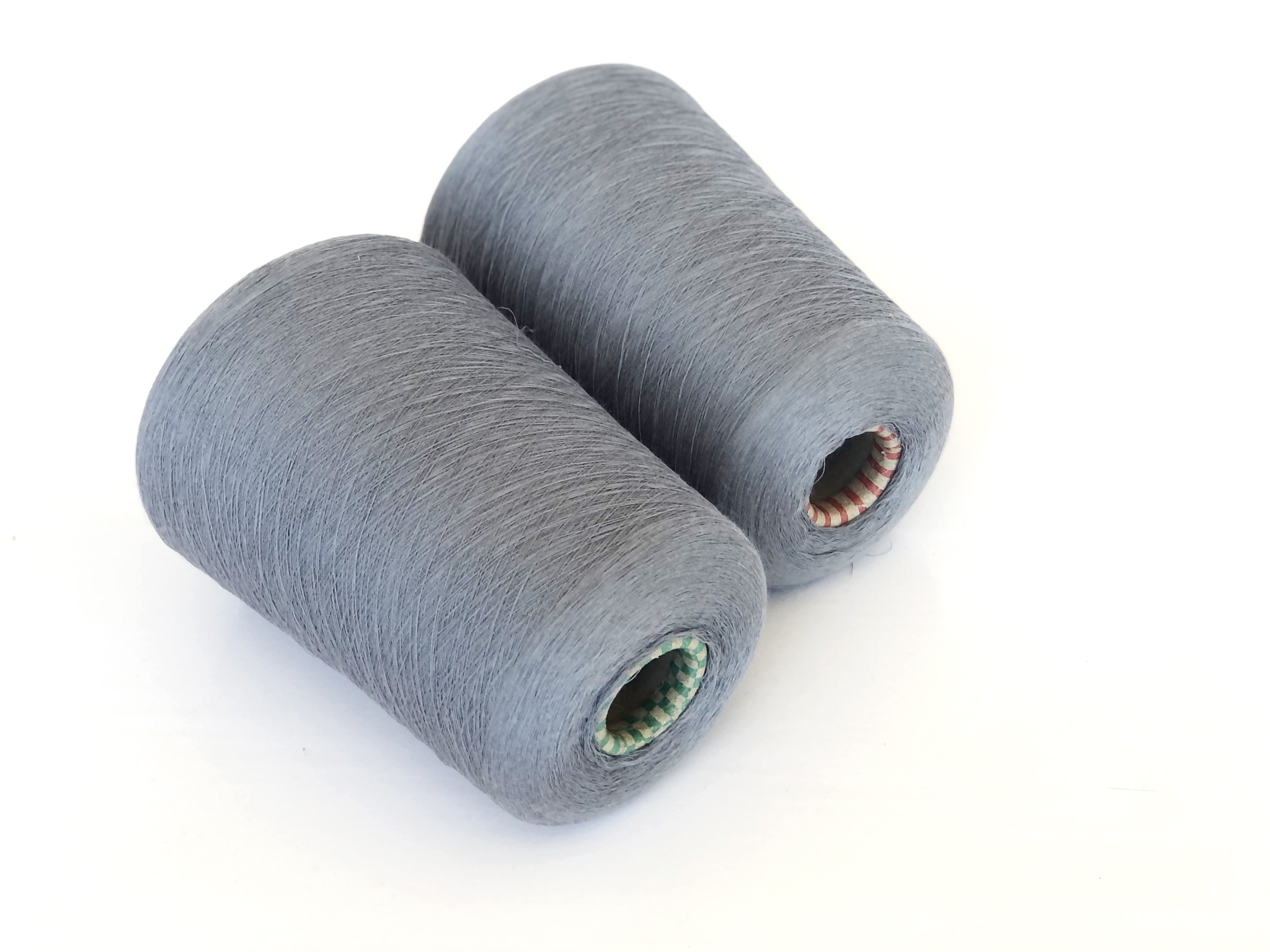
Healcell alginate deodorizing yarn (BSY00042-3) – a functional solution for intimate apparel and activewear.
Technical Edge: Beyond Conventional Fibers
Compared to terrestrial plant-based fibers like By-Herb Fiber, Healcell’s alginate fiber offers distinct advantages. According to internal comparisons, seaweeds yield higher output per cultivation area and require less freshwater, making them more eco-friendly. The fiber itself provides antibacterial, deodorizing, far-infrared, and negative ion functions directly from the material, without relying on chemical additives. The cost premium is approximately 30–40% higher than conventional functional fibers, but the added value in performance and sustainability justifies the investment for premium product lines.
Healcell’s R&D team has developed multiple alginate composite fibers, including seaweed charcoal mud variants for warmth and conductivity, as well as fast-drying filaments for performance apparel. These innovations allow buyers to source a full spectrum of functional textiles from a single supplier, simplifying supply chain complexity.
Real-World Application: A Korean OEM Success
A practical example of successful supplier alignment is Healcell’s two-year cooperation with a Korean OEM client. The project involved 3,500 m² of fabric with antibacterial, deodorizing, far-infrared, and negative ion functions. The result was stable operation and a soft, skin-friendly fabric that met the client’s strict performance requirements. This case illustrates how a supplier with robust technical support and quality control (100% pre-shipment testing) can help brands enter competitive markets with confidence.
Market Trends and Future Outlook
The textile industry is witnessing a paradigm shift: European regulations (e.g., EU Strategy for Sustainable Textiles) pressure brands to adopt biodegradable materials. Alginate fiber, being marine-origin and fully biodegradable, aligns with these regulatory trends. Meanwhile, consumer awareness of skin health and environmental impact is rising, driving demand for hypoallergenic, odor-resistant, and skin-friendly fabrics.
Healcell is positioning itself to meet these trends through continuous product diversification and OEM/ODM capabilities. With a monthly capacity of about 1,200 tons and typical lead times of 30–45 days, the company can support both small-batch trials (MOQ 500 kg) and large-scale production. The company also provides remote after-sales support and accepts pre-shipment testing, reducing buyer risk.
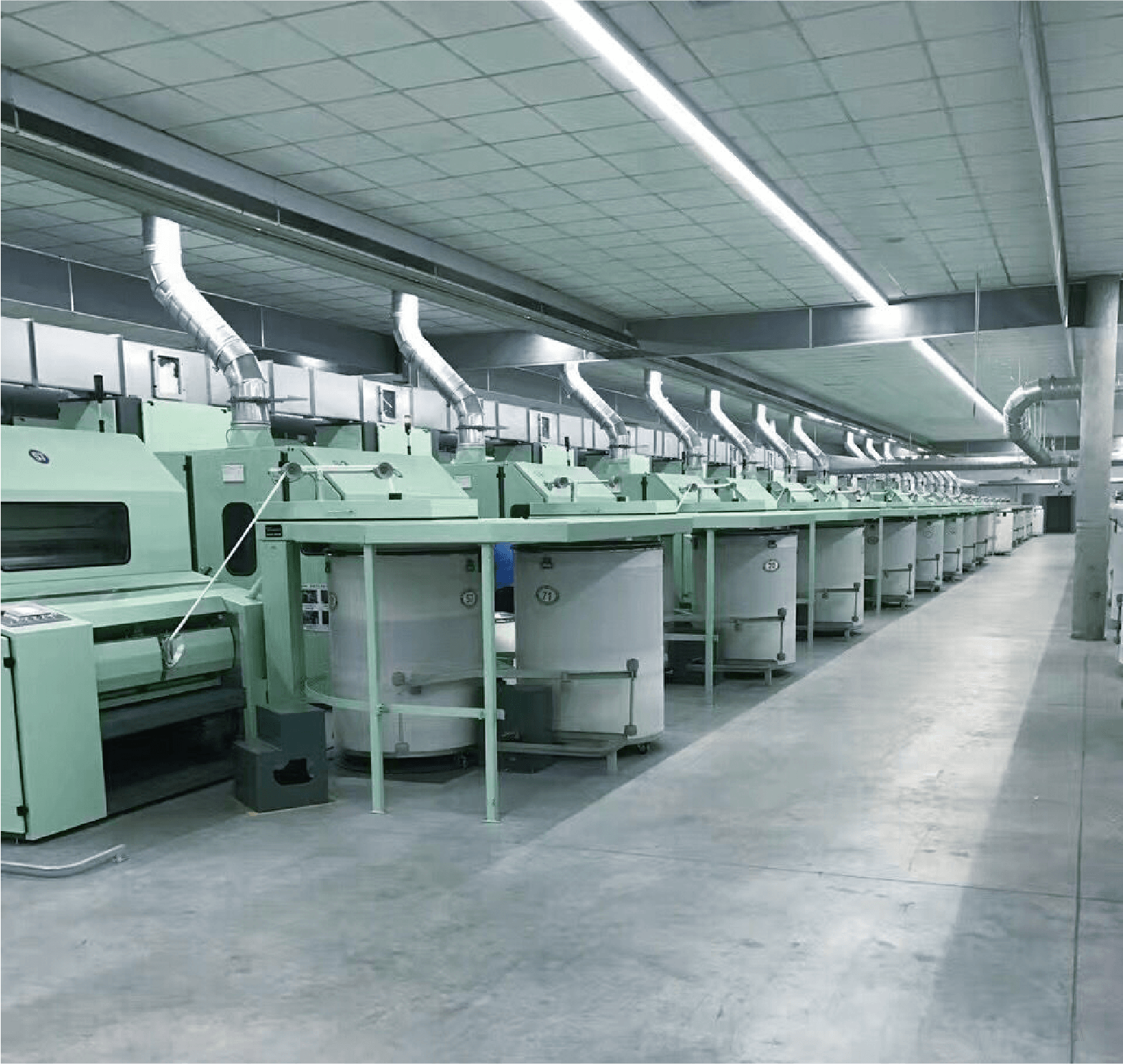
Healcell’s production line showcases the industrial scale and quality control infrastructure behind its alginate fiber products.
Key Takeaways for Buyers
- Certification: Verify OEKO-TEX or equivalent certifications to ensure market access and chemical safety.
- Technical Fit: Assess the supplier’s ability to tailor fiber composition, color, and functional properties (antibacterial, quick-dry, deodorizing, etc.) to your application.
- Production Capacity: Confirm that the supplier’s scale matches your volume requirements, with flexibility for pilot runs.
- Quality Assurance: Look for 100% testing protocols and transparent batch traceability.
- Supply Chain Stability: Evaluate lead times, payment terms, and after-sales support. Healcell, for instance, offers domestic prices with tax included and negotiable export terms.
For procurement teams seeking a reliable partner, Healcell provides a comprehensive package: certified quality, broad functional portfolio, proven OEM track record, and a commitment to marine-based innovation. To explore the full product range and technical specifications, download the company’s brochure below.