
The Complete Guide to LED PCBs: Materials, Applications, and Selection
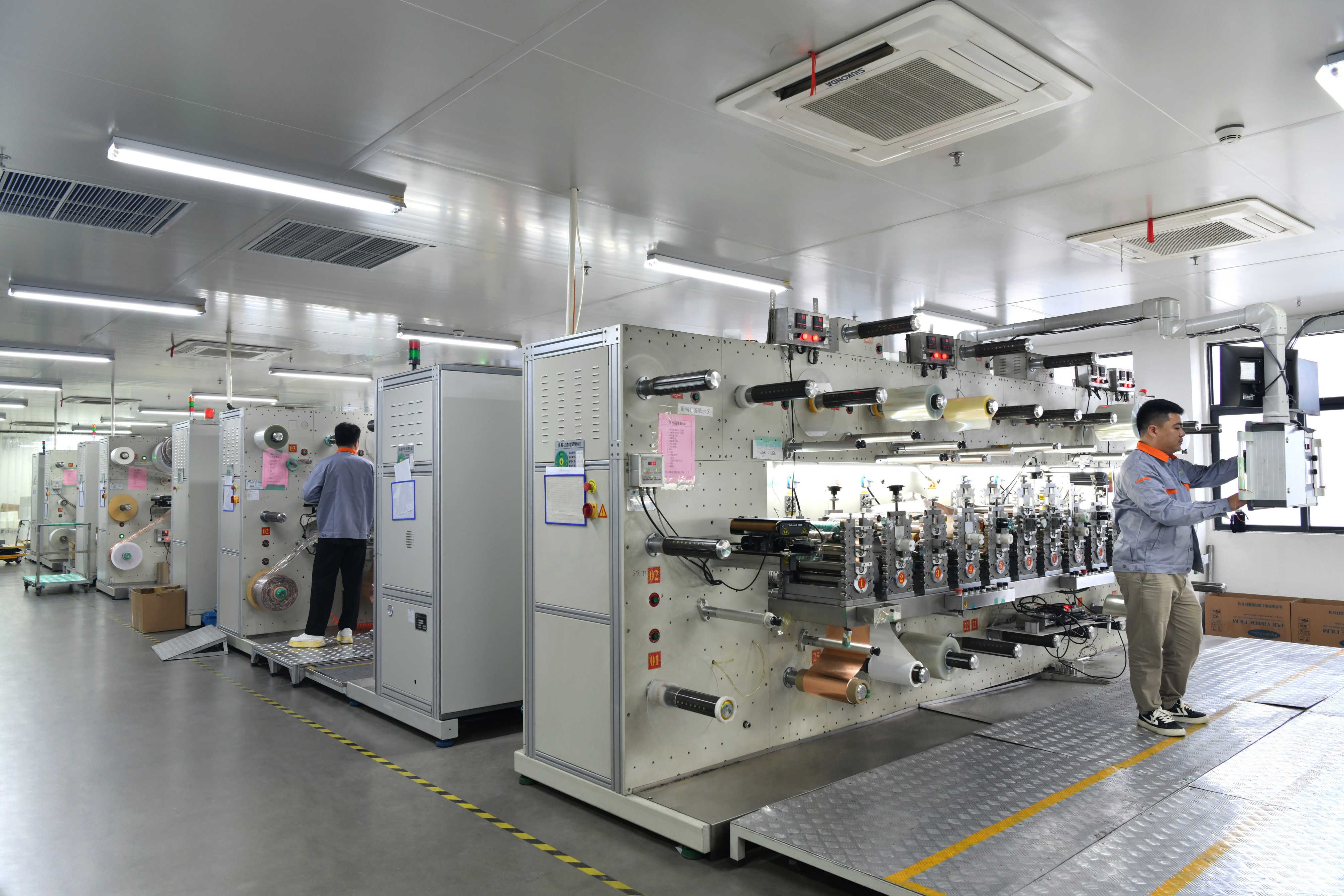
LED PCBs (Printed Circuit Boards) are the foundational building blocks of virtually every modern lighting fixture, from residential downlights to industrial high bays. As the global LED lighting market grows at a projected CAGR of 8.5% through 2029 (MarketsandMarkets, 2024), the demands on the underlying PCB technology—thermal management, reliability, miniaturisation—are intensifying. This guide examines the state of LED PCB technology, the material choices available, and how a established manufacturer like WODE Circuit Technology (Zhuhai) Co., Ltd. supports this evolving landscape.
Problem & Opportunity
High‑power LED emitters generate significant heat; without effective thermal management, junction temperatures rise, accelerating lumen depreciation and reducing lifespan. Outdoor fixtures face additional challenges—moisture, UV radiation, salt spray, and wide temperature swings. Standard FR‑4 PCBs, while economical, have poor thermal conductivity (≈0.3–0.5 W/m·K). Metal Core PCBs (MCPCBs) solve this by bonding a dielectric layer to a copper or aluminium base, achieving thermal conductivity ≥1.5 W/m·K, with high‑performance versions exceeding 3.0 W/m·K. The LED PCB therefore becomes the critical interface between heat source and heat sink.
WODE’s LED PCB Portfolio
WODE Circuit Technology (Zhuhai) Co., Ltd., founded in 2003, has built a comprehensive product line spanning rigid MCPCB (metal core), flexible FPC (polyimide), and standard FR‑4/CEM‑1/CEM‑3 boards. The company operates a 150,000 m² facility with 500+ employees and an annual output of 6,000,000 m². Its portfolio includes:
- Single‑layer and double‑layer MCPCBs (aluminium 1060, 5052) for high‑power street lights, flood lights, and downlights.
- Thermoelectric separated copper‑based PCBs for applications requiring ultra‑low thermal resistance.
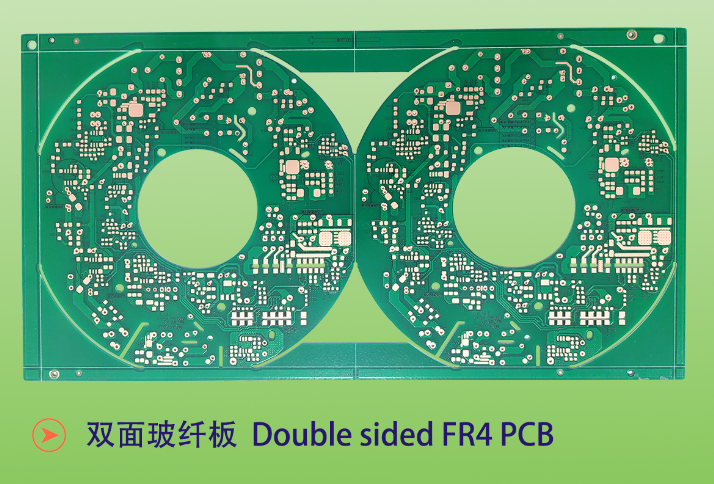
- Double‑sided FR‑4 PCBs for dimming drivers and control circuitry.
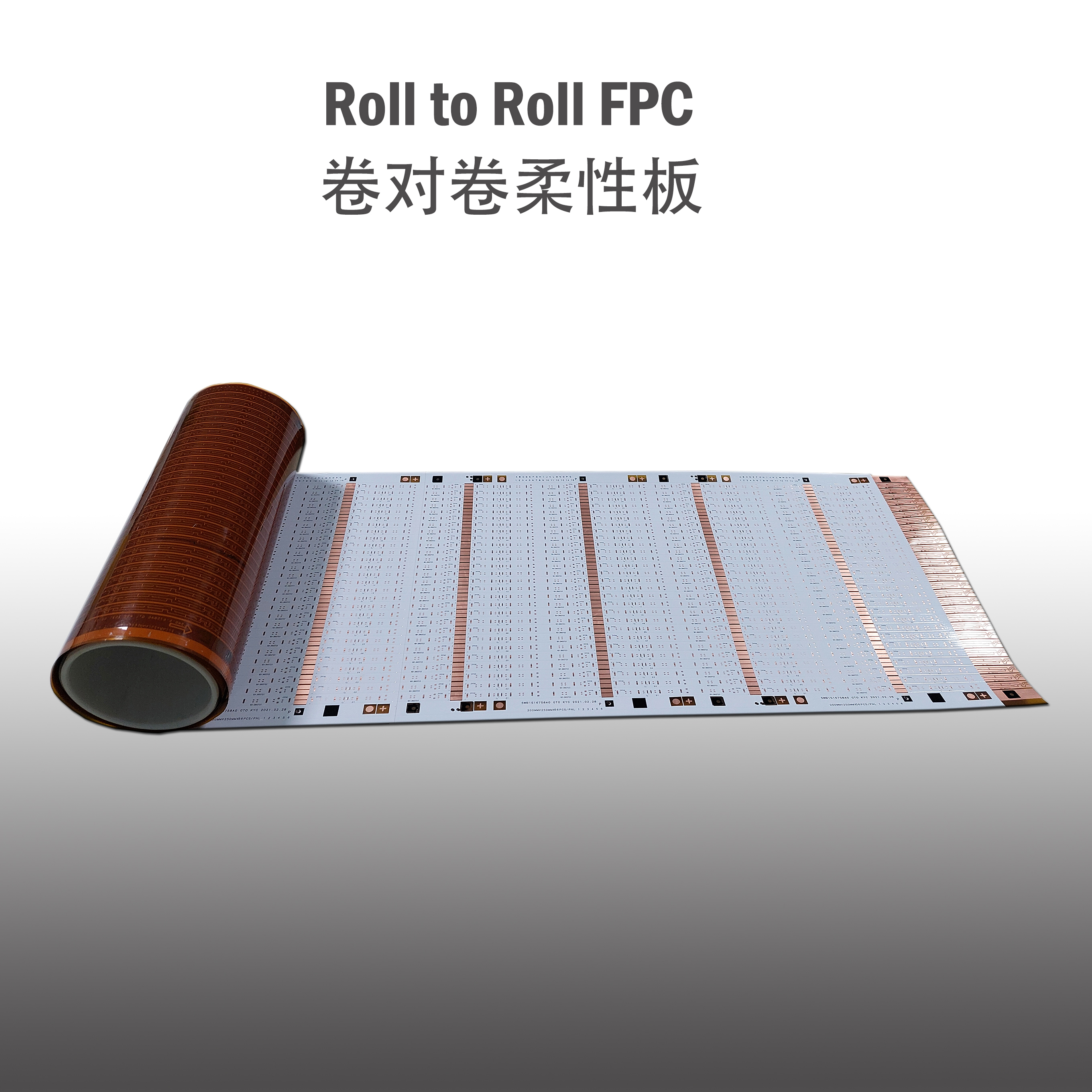
- Flexible PCBs (PI‑based) for COB (Chip‑on‑Board), LED strips, and LED tubes, including Roll‑to‑Roll Infinity FPCB designs for high‑volume strip production.
- Ceramic‑based PCBs for specialty applications such as ultraviolet phototherapy.
With over 40 patented technologies and certifications including ISO 9001, ISO 14001, and IATF 16949, WODE serves more than 1,000 customers in 30+ countries.
Technical Choices for LED PCBs
Selecting the right LED PCB involves balancing electrical, thermal, and mechanical parameters. Key specifications from WODE’s product range illustrate the available options:
- Copper foil thickness: 0.5 oz to 3 oz on single‑layer CEM‑1/CEM‑3/FR‑4 boards, and 1 oz per layer on double‑side FR‑4.
- Board thickness: 0.6 mm to 2.0 mm for rigid boards; 0.08 mm to 0.15 mm for flexible PI‑based FPCs.
- Maximum panel length: up to 2,000 mm for single‑side rigid boards, and 1,000 mm for Roll‑to‑Roll FPCBs.
- Soldermask & coverlay: options include white thermosetting, UV, and white coverlay for flexible circuits—critical for maximising light reflectivity.
- Surface finishes: OSP, HASL, ENIG, ENEPIG, and carbon film accommodate different solderability and wire‑bonding requirements.
For high‑power outdoor lighting, an aluminium‑core MCPCB with white soldermask is the industry norm, offering thermal conductivity ≥1.5 W/m·K and supporting IP65/IP67 protection when properly assembled.
Use Cases Across Lighting
WODE’s LED PCBs are deployed in multiple lighting categories, each with distinct requirements:
- Indoor general lighting (downlights, panel lights, spotlights, bulb lamps): operate at 0 °C to +40 °C and 30–80% humidity. Single‑layer MCPCBs or FR‑4 boards suffice, with CRI≥80 and lifetime ≥50,000 hours (L70/B50).
- Outdoor lighting (street lights, flood lights, wall lamps): must withstand –40 °C to +50 °C, UV, salt spray, and wind‑driven rain. Aluminium‑core MCPCBs with thermal conductivity ≥1.5 W/m·K and OSP/ENIG finishes are standard.
- Specialty lighting (grow lights, high bays, automotive headlamps): require high thermal conductivity ≥3.0 W/m·K and, for automotive, AEC‑Q102 qualification and ISO 16750 electrical load compliance.
- LED strips & tubes (strip lights, bulb lamps): flexible PI‑based FPCs with white coverlay and OSP finish enable compact, bendable form factors. WODE’s Roll‑to‑Roll Infinity FPCB, with 1 oz copper and 0.15 mm thickness, supports continuous strip production.
Market Trends
The global PCB market was valued at approximately USD 80.2 billion in 2025 (Global Market Insights), with China accounting for 53.2% of production value (2024). Within this, LED‑specific PCBs are growing due to the shift toward higher‑power, more efficient luminaires. The outdoor LED lighting segment alone is projected to expand from USD 15.0 billion in 2025 to USD 28.0 billion by 2035 (Future Market Insights). Metal Core PCBs remain the dominant thermal management solution for high‑power LEDs, driven by cost‑effectiveness compared to advanced ceramics or vapour‑chamber alternatives. Smart‑lighting integration (DALI‑2, D4i, Bluetooth Mesh) is also pushing PCB designs toward multi‑layer configurations that accommodate wireless modules and sensor interfaces.
Comparison with Traditional Solutions
Compared to standard FR‑4 boards, MCPCBs offer significantly better heat spreading (Al substrate thermal conductivity 1.5–3.0 W/m·K vs. 0.3 W/m·K for FR‑4). This directly reduces LED junction temperature by 10–20 °C, extending luminaire lifetime. Flexible PCBs (FPCs) enable slimmer, lighter designs for strips and tubes but require careful handling of bending radius and moisture absorption. One honest limitation of aluminium‑core MCPCBs is their higher material cost (typically 15–25% more than FR‑4), which becomes negligible when balanced against longer product life and reduced warranty claims. WODE addresses this via a wide material menu—CEM‑1, CEM‑3, aluminium, PI—allowing designers to optimise cost vs. performance.
Future Outlook
As LED technology pushes toward higher efficacy (>200 lm/W) and compact form factors, PCB thermal performance will remain the key enabler. Copper‑based MCPCBs (thermoelectric separated designs) are gaining traction for ultra‑high‑power applications. Meanwhile, flexible circuits will see wider adoption in IoT‑connected luminaires and tuneable‑white systems. WODE, with its 40+ patents and IATF 16949 certification, is positioned to support these trends across global markets, including Turkey, India, Vietnam, and Brazil.
FAQ
A printed circuit board (PCB) designed to mechanically support and electrically connect LED components, typically with a metal core or flexible substrate to manage heat dissipation.
WODE produces single‑sided CEM‑1/CEM‑3/FR‑4 PCBs, double‑sided FR‑4 PCBs, aluminium‑core MCPCBs, copper‑based thermoelectric separated PCBs, ceramic PCBs, and flexible PI‑based FPCs including Roll‑to‑Roll Infinity FPCB.
WODE holds ISO 9001, ISO 14001, and IATF 16949. Its products comply with UL, RoHS, and REACH standards. For automotive, the PCBs can be designed to AEC‑Q100/Grade 0.
OSP (Organic Solderability Preservative) or ENIG (Electroless Nickel Immersion Gold) are common choices for outdoor applications due to good corrosion resistance and planar surface.
Yes. WODE supports multi‑layer designs that integrate wireless modules (Wi‑Fi/BLE/Zigbee), DALI‑2 interfaces, and sensor circuits, meeting smart‑lighting compatibility standards.
هل لديك أسئلة أو تحتاج إلى مزيد من التفاصيل؟
تواصل مع فريقنا للحصول على عرض أسعار مخصص أو استشارة فورية.
طلب عرض أسعار
املأ النموذج أدناه وسيتواصل معك فريقنا بعرض مقترح مخصص.
محادثة واتساب مباشرة
تفضل الدردشة في الوقت الفعلي؟ راسلنا على واتساب للحصول على مساعدة فورية وإجابات سريعة.
- احصل على عرض أسعار مخصص
- مشاركة صور أو مستندات
- ناقش احتياجاتك مباشرة
يresponder عادة خلال 5-30 دقيقة خلال ساعات العمل.