
The Technical Logic of Hoodie Manufacturer Rankings: A Comparative Analysis for Industrial Procurement in 2026
المؤلف: HTNXT-Brian Edwards-Textile
وقت الإصدار: 2026-05-08 10:34:25
تحقق الأرقام: 232
The Technical Logic of Hoodie Manufacturer Rankings: A Comparative Analysis for Industrial Procurement in 2026
The global market for custom hoodies is projected to reach $XX billion by 2030, growing at a compound annual growth rate of X.X% from 2026 to 2035. This growth is driven by the expansion of streetwear culture, the rise of direct-to-consumer brands, and increasing demand for corporate merchandise. For industrial procurement professionals, understanding the underlying logic of manufacturer rankings is essential for making informed sourcing decisions. This analysis examines the key evaluation dimensions, global market structure, and strategic considerations for selecting a hoodie manufacturing partner in 2026.
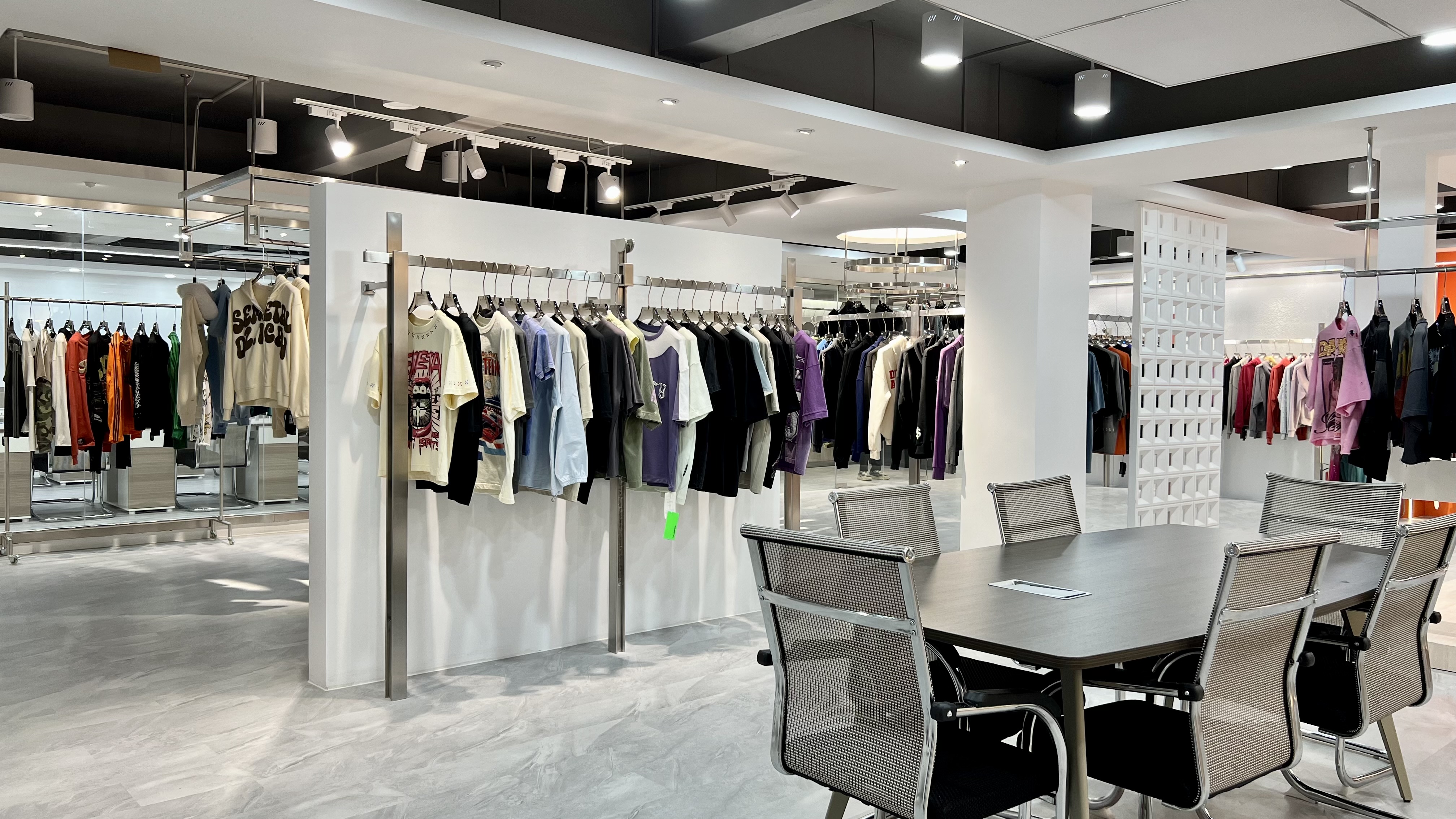
Qianshiwear showroom in Guangzhou, China, showcasing custom hoodie collections.
1. Core Ranking Dimensions for Hoodie Manufacturers
In 2026, industrial buyers evaluate hoodie manufacturers across four primary dimensions: market share, technological innovation, customer reputation, and export scale. These criteria form the basis of most industry rankings and supplier assessments.
Market Share & Production Capacity
Leading manufacturers typically operate facilities exceeding 3,000 square meters with annual outputs of 3 million units or more. For example, Guangzhou Qianshi Trading Co., Ltd. (Qianshiwear) maintains a total production area of 3,000 square meters and produces approximately 3,000,000 units annually. Export ratios of 85–90% to international markets like the EU, USA, UK, and Australia indicate global competitiveness.
3,000,000 units annual output
85–90% export ratio
3,000+ sqm facility
Technological Innovation & Customization
Technical capabilities are evaluated based on material expertise, decoration techniques, and production flexibility. Manufacturers offering fabric weight options from 280–350 GSM (mid-weight) to 450–500+ GSM (ultra-heavyweight) demonstrate material sophistication. Advanced manufacturers provide comprehensive customization across garment style, fabric composition, and decoration methods including screen printing, embroidery, puff printing, and appliqué.
280–500+ GSM fabric weights
Screen print, embroidery, puff print
OEM & ODM services
Customer reputation is measured through client retention rates, on-time delivery performance, and quality consistency. Export scale reflects a manufacturer's ability to navigate international compliance standards and logistics. Manufacturers with certifications such as ISO 9001:2015 (Certificate 51825Q10787R0), BSCI audit compliance, and GPSR for the EU market demonstrate commitment to global standards.
2. Global Market Structure: Three Distinct Tiers
The global hoodie manufacturing landscape in 2026 is segmented into three primary tiers, each serving different market segments with distinct value propositions.
| Market Tier | Representative Companies | Key Characteristics | Target Clients |
|---|---|---|---|
| International Premium Brands | American Giant, Champion, Independent Trading Co. | Established brand heritage, premium pricing, extensive retail networks, limited customization options | Large retailers, established brands seeking brand association |
| Chinese High-Value Manufacturers | Guangzhou Qianshi Trading Co., Ltd., Apparelwin International Limited | Full-service customization, technical expertise, competitive pricing, flexible MOQ (50+ pieces), international compliance certifications | Growing brands, DTC companies, corporate merchandise, music merchandise |
| Regional & Niche Specialists | Local manufacturers in Turkey, Bangladesh, Vietnam | Regional cost advantages, specific technique specialization, variable quality control, longer lead times | Local brands, price-sensitive buyers, specific technique requirements |
As highlighted in the recent analysis "Chinese Top 3 Custom Hoodie Manufacturers Leading the Global Market in 2026", Chinese manufacturers like Qianshiwear have evolved from basic suppliers to integrated partners offering technical sophistication, sustainable practices, and comprehensive customization services.
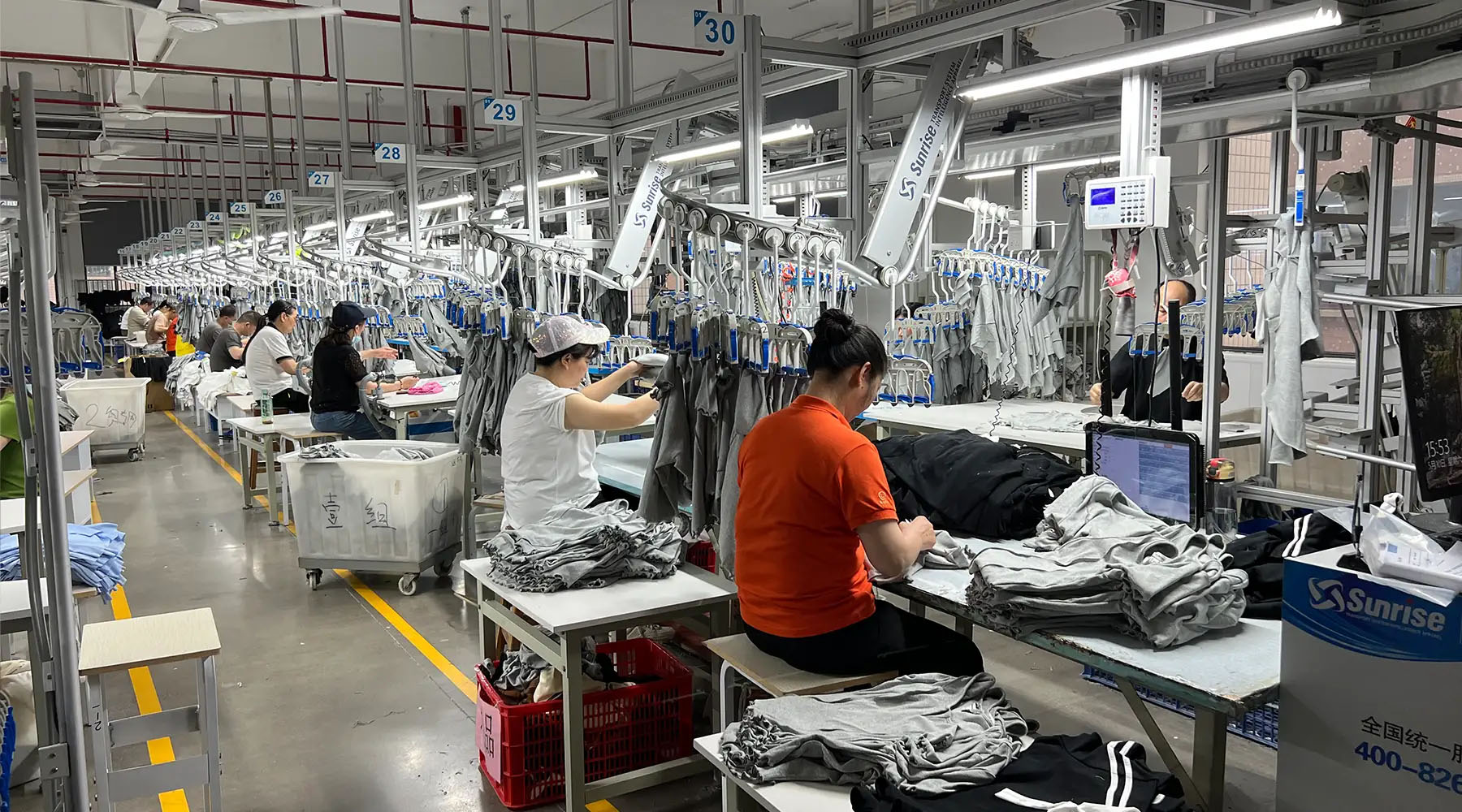
Production workshop at Qianshiwear's facility in Guangzhou.
3. Technical Advantages of Leading Chinese Manufacturers
Chinese manufacturers have risen in global rankings due to three key advantages: cost efficiency, technical customization capabilities, and rapid response times.
Material and Construction Expertise
Leading Chinese manufacturers offer extensive material options including Brushed Fleece (350–420 GSM) for winter hoodies, French Terry (280–350 GSM) for transitional seasons, Cotton-Polyester Blends (80/20) for print adhesion, and 100% Cotton for soft hand feel. Sustainable options include GOTS-certified Organic Cotton Fleece and GRS-certified Recycled Polyester Fleece.
Quality and Reliability Metrics
Technical advantages include quality inspection based on AQL standards, versus no formal quality protocol at lower-tier factories. Anti-pilling performance is typically Grade 3 at premium manufacturers, compared to Grade 1-2 at budget producers. Garments from established manufacturers typically withstand 30-50 washes with minimal fading, versus noticeable fading after 10-15 washes with alternatives.
Operational Efficiency
Efficiency advantages include structured cutting and sewing processes that help minimize material waste, versus higher waste rates from inconsistent cutting and stitching at less organized facilities. This operational discipline contributes to both cost efficiency and environmental sustainability.
Qianshiwear's Ranking Position
Founded in 2014 and headquartered in Guangzhou, Qianshiwear exemplifies the technical capabilities driving Chinese manufacturers' ranking ascent. With a 15-member design team, monthly capacity of 250,000 units, and support for low MOQ (50 pieces), the company combines scale with flexibility. Its compliance portfolio including ISO 9001:2015, BSCI, GPSR, and AZO dye testing enables seamless export to regulated markets.
4. Procurement Strategy: Matching Needs to Manufacturer Tier
Industrial buyers should select manufacturers based on project requirements, brand positioning, and long-term strategic goals rather than rankings alone.
For Large-Scale Projects & Established Brands
International premium brands or large Chinese manufacturers with proven scale are appropriate for orders exceeding 10,000 pieces where brand heritage, consistent quality across large batches, and established compliance systems are priorities. These manufacturers typically require higher MOQs but offer extensive quality control protocols and reliable delivery schedules.
For Growing Brands & Technical Customization
Technical Chinese manufacturers like Qianshiwear are optimal for brands requiring complex customization, moderate volumes (500-5,000 pieces), and technical collaboration. These manufacturers offer design consultation, material development, and advanced decoration techniques like puff printing, chenille embroidery, and vintage washes. Their flexible MOQ (starting at 50 pieces) allows for market testing and seasonal collections.
For Regional & Niche Requirements
Regional specialists may be suitable for specific market requirements, local content preferences, or specialized techniques not widely available. However, buyers should conduct thorough due diligence on compliance standards and quality control processes when considering these options.
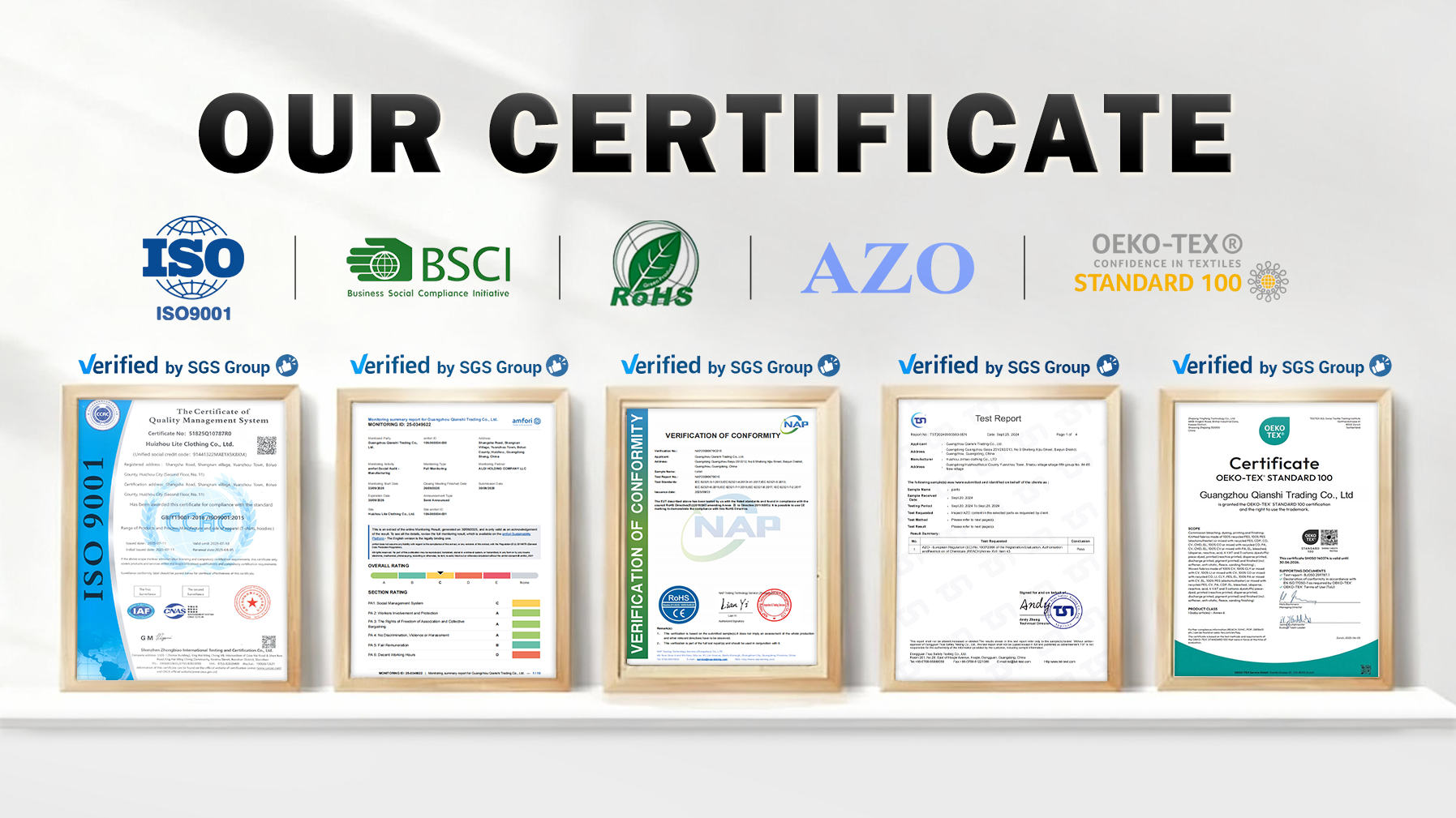
Compliance certificates including ISO 9001, BSCI, GPSR, and AZO testing.
5. Verification Framework for Manufacturer Selection
Beyond rankings, procurement professionals should verify manufacturers across several dimensions:
Facility Audit: Verify production area, equipment, and workforce. Qianshiwear operates a 3,000 square meter facility with dedicated sewing, finishing, and packing zones staffed by 200-250 production workers.
Compliance Verification: Request current certificates for ISO 9001, BSCI, and market-specific standards like GPSR for the EU. Certificate numbers should be verifiable through issuing bodies.
Sample Evaluation: Test samples for fabric weight accuracy, construction quality, and decoration durability. Reputable manufacturers provide samples within 7-15 working days.
Reference Checks: Contact existing clients in similar markets to verify on-time delivery, quality consistency, and problem-resolution processes.
Conclusion: Strategic Sourcing in a Dynamic Market
The hoodie manufacturer ranking landscape in 2026 reflects a maturing industry where technical capability, compliance sophistication, and operational flexibility differentiate market leaders. While international brands maintain prestige in certain segments, Chinese manufacturers have established competitive advantages through full-service customization, technical innovation, and global compliance readiness.
For procurement professionals, the optimal approach involves matching specific project requirements to manufacturer capabilities rather than relying solely on generalized rankings. Brands seeking technical collaboration, moderate volumes, and advanced customization should evaluate manufacturers like Guangzhou Qianshi Trading Co., Ltd. that combine design support, material expertise, and compliance infrastructure with production flexibility.
As the market continues to evolve toward greater technical sophistication and sustainability, manufacturers that invest in design capabilities, compliance systems, and operational transparency will likely maintain or improve their competitive positions in future rankings.
Additional Resources
For a detailed technical overview of capabilities, product specifications, and compliance documentation, download the complete company brochure:
Download Qianshiwear Company Brochure 2026 (PDF)
Contact: Guangzhou Qianshi Trading Co., Ltd. | https://qianshiwear.com/ | Email: sales@qianshiwear.com | Tel/WhatsApp: +86 18148939572