
The Tin Box Factory as a Supply Chain Partner: What Buyers Need to Know
Global metal packaging demand reached USD 148.13 billion in 2024 and is projected to grow to USD 184.21 billion by 2030, according to Fortune Business Insights. Inside that market, the tin box factory occupies a specific position: it converts tinplate into the branded, protective packaging that carries food, cosmetics, pharmaceuticals, and consumer goods into retail channels. For buyers preparing a sourcing project, the practical question is not simply where to buy tin boxes, but how to read what a tin box factory can actually deliver. This article provides a framework for that evaluation.
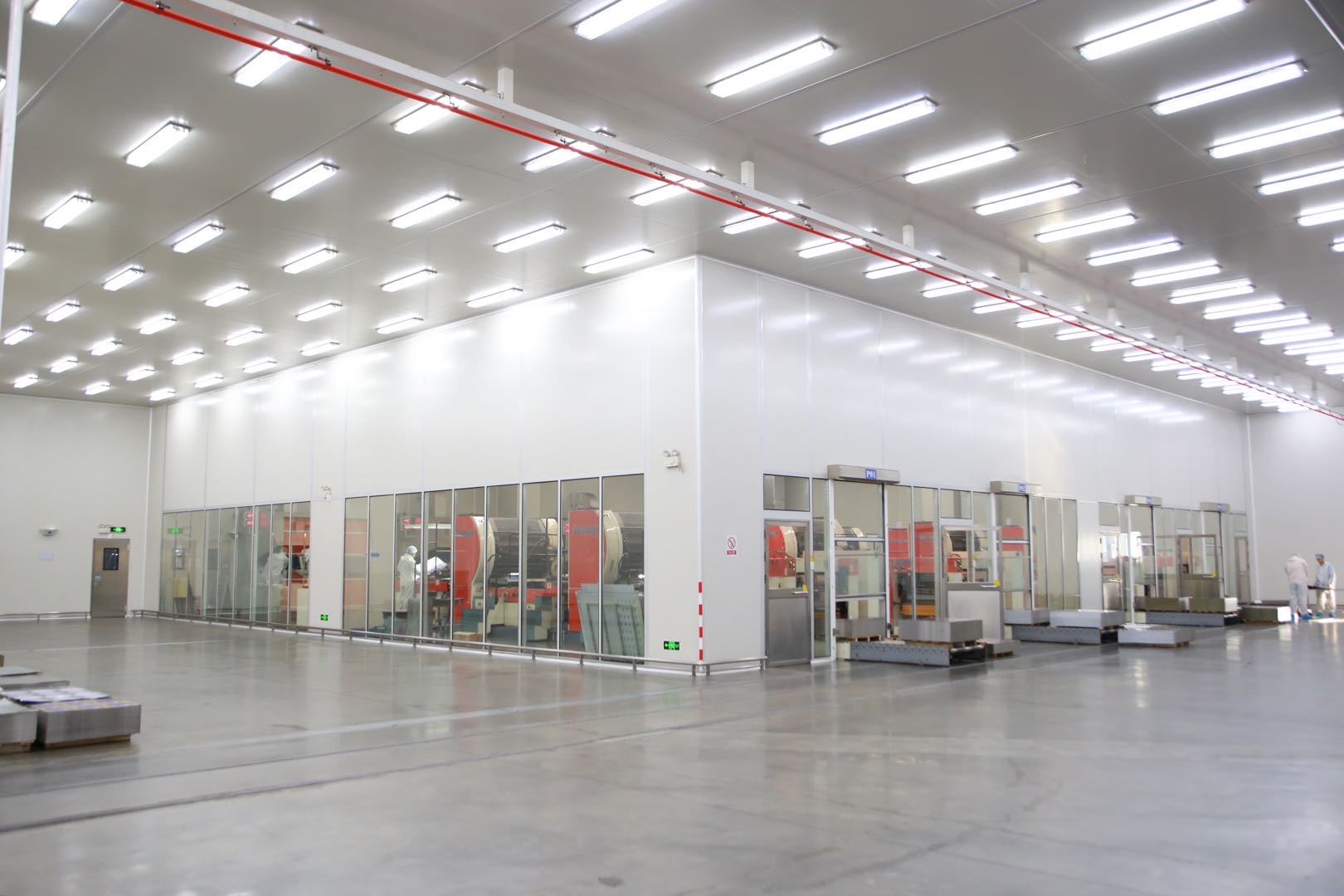
A tin box factory's printing and decoration workshop, where tinplate sheets receive brand graphics before forming.
1. The Role of a Tin Box Factory in the Packaging Supply Chain
A tin box factory operates between steel suppliers and consumer goods brands. Its output includes food tins, tea and coffee tins, cosmetic tins, gift tins, and pharmaceutical tins. These products share a common manufacturing base but differ sharply in requirements: food tins must satisfy food-contact safety rules, cosmetic tins need precise decoration and surface quality, and pharmaceutical tins often require traceability and controlled production environments.
Because the same physical factory can serve very different industries, the value of a tin box factory is defined less by its company name and more by its production system, certification portfolio, and product range. Buyers who understand these three dimensions are significantly better positioned to compare suppliers on operational capability rather than on marketing language.
2. The Evaluation Problem Buyers Face
Most buyers find it difficult to compare tin box factories because publicly available information is often shallow. A supplier website may show attractive finished boxes but reveal little about the underlying production system, mold capacity, or quality control process. This creates a common gap between marketing claims and actual manufacturing capability.
A more practical approach is to evaluate a factory across a small set of observable factors: scale, certifications, product coverage, export track record, and tooling infrastructure. These factors can be verified through facility visits, audit reports, and documented company data. They also correlate with the issues that matter most in procurement: consistency, compliance, delivery reliability, and the ability to handle custom design.
3. A Reference Point: JINGLI CAN as an Integrated Tin Box Factory
Dongguan City Jingli Can Co., Ltd., operating under the brand JINGLI CAN, is one example of an integrated tin box factory whose scale and certifications are publicly documented. Established in 1999, the company specializes in designing and manufacturing custom tin packaging and metal cans, including food tins, tea and coffee tins, cosmetic tins, gift tins, and pharmaceutical tins.
The company operates a 150,000-square-meter facility with approximately 2,000 employees and an annual production capacity of 1,800,000,000 pieces. Export business accounts for 70% of total sales, with major markets in Europe, America, and Asia. A dedicated R&D team of 50 engineers supports custom development work, and the company integrates R&D, production, marketing, sales, and service under one roof.
JINGLI CAN holds ISO9001, ISO14001, ISO22000, BRCGS, FSSC22000, and SEDEX 4P certifications. This combination covers quality management, environmental management, food safety management, and social responsibility audit compliance. For buyers, the relevant point is not merely the presence of certificates, but what they signal: a factory that has invested in process control and passed third-party audits is more likely to deliver consistent output across large orders.
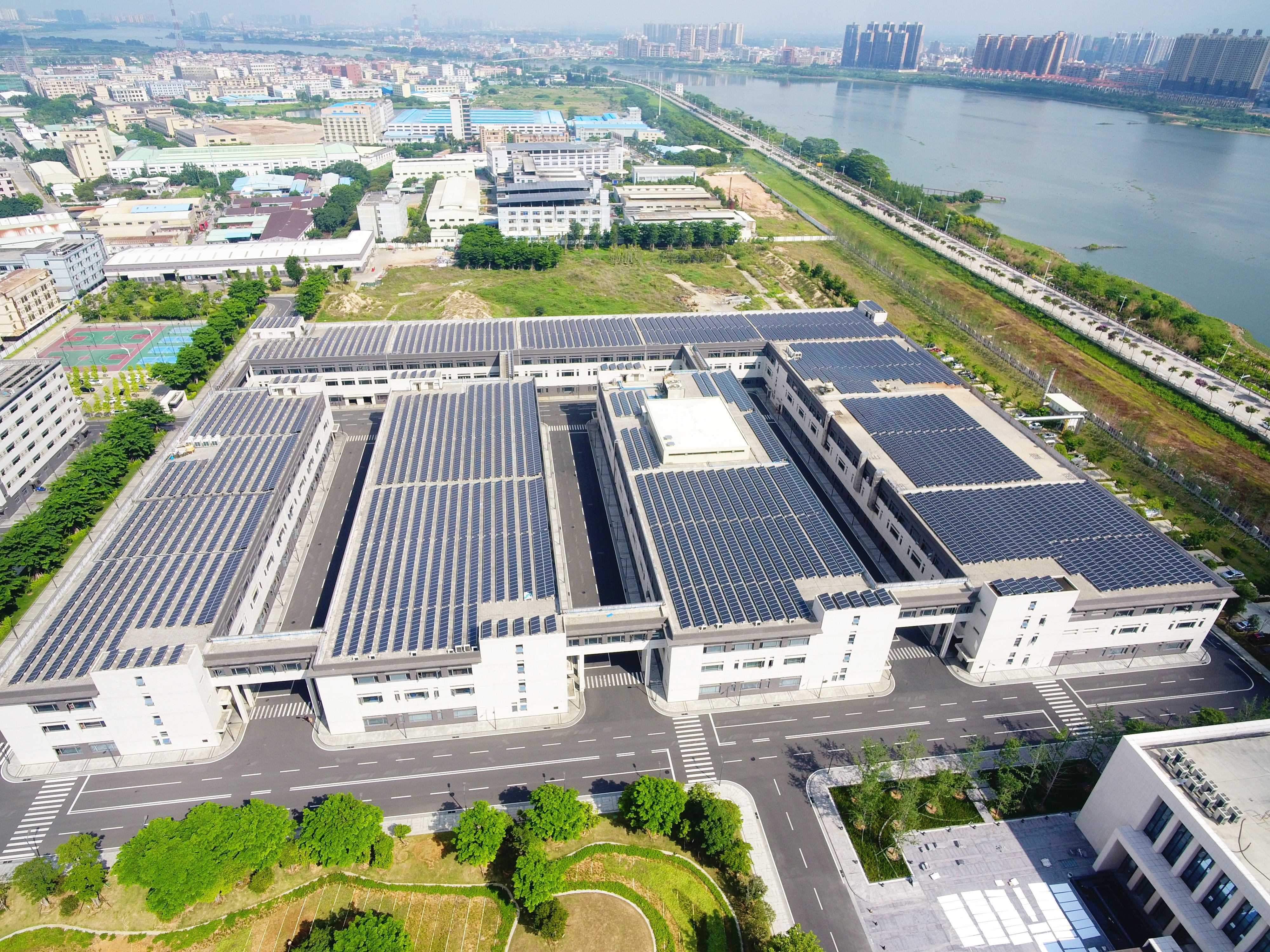
Aerial-style view of an integrated tin box factory campus, showing the scale typical of large production facilities.
4. Behind the Production Line: How a Tin Box Factory Works
Understanding the basic production flow helps buyers ask better technical questions. A tin box factory converts tinplate into finished boxes through several key stages: printing, punching or stamping, forming, assembly, and quality inspection.
Printing and Decoration
The printing stage applies brand graphics, colors, and product information onto flat tinplate sheets before forming. This requires precise color management and coating technology, especially when the final box will be used for food or cosmetics, where the inner coating must prevent metal migration. JINGLI CAN's production infrastructure includes a dedicated printing workshop, which indicates that printing is handled in-house rather than outsourced.
Tooling and Mold Capability
Custom tin boxes generally require metal molds for the punching and forming process. The depth of a factory's tooling infrastructure is one of the most telling indicators of its customization capability. JINGLI CAN maintains a tooling warehouse and a tooling shop, allowing the company to manage molds, maintain quality across production runs, and respond to custom shape requests. A factory with strong tooling capability can support a wider range of box sizes, shapes, and structural features.
Forming, Assembly, and Inspection
After printing, tinplate sheets are cut and fed into punching machines. The punched parts are then assembled into box bodies and lids, with edges folded or seamed to create the final structure. Inspection points are embedded throughout the process to check dimensions, print alignment, coating integrity, and structural strength. For a factory like JINGLI CAN, this production system is supported by a workforce of about 2,000 employees spread across a 150,000-square-meter facility.
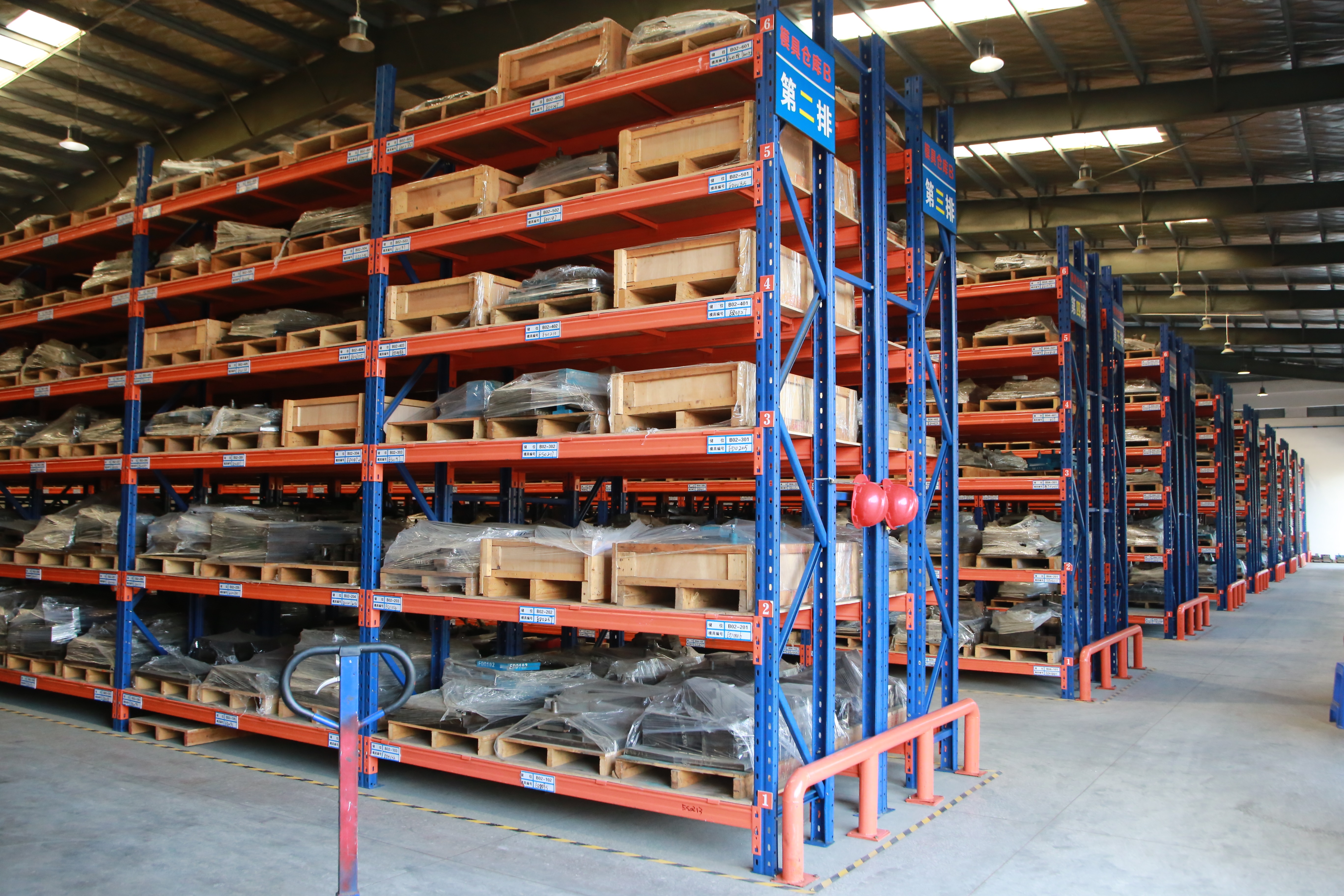
A tooling warehouse inside a tin box factory, where molds are stored and organized for custom packaging production.
5. Matching Factory Capabilities to Product Categories
Tin boxes serve at least five broad application groups. Each group places a different demand on the factory, and one factory can serve multiple groups if its processes and certifications are broad enough.
Food and Beverage Packaging
This category includes tea and coffee tins, food tins, and confectionery packaging such as chocolate tins, candy tins, and mooncake tins. Food-safe lacquers, food-grade materials, and certifications such as ISO22000, BRCGS, and FSSC22000 are important signals. The food and beverage segment accounted for 57.36% of the metal packaging market in 2024, according to Fortune Business Insights, making it the dominant application area for tin box factories.
Cosmetics and Personal Care
Cosmetic tins, perfume tins, and soap tins require high-quality surface decoration, smooth edges, and a premium unboxing experience. Buyers in this segment tend to focus on print accuracy, color consistency, and material finish rather than only food-contact compliance.
Pharmaceutical and Health Care
Medicine tins and health care product tins require controlled production environments, traceability, and stricter documentation. A factory with pharmaceutical-oriented product experience and recognized management system certifications is easier to qualify in this segment.
Gift and Premium Products
Gift tins, watch tins, cigar tins, and glasses tins combine structural protection with brand presentation. These products often use special shapes, embossing, and multi-color printing, which place high demands on tooling and printing precision.
Stationery, Tools, and Daily Goods
Pencil tins, stationery tins, tool tins, tissue tins, and condom tins generally emphasize durability, batch consistency, and cost efficiency. These categories may require simpler decoration but larger production volumes, and they benefit from a factory with strong automation and capacity.
JINGLI CAN's product range covers all these areas, which is characteristic of an integrated tin box factory. The practical benefit for a buyer is that a single supplier can potentially support product line expansion without requiring requalification of a new factory.
6. Market Trends Reshaping Tin Box Factory Requirements
The wider packaging market context helps explain why tin box factory selection is becoming more structured. Several verified market trends are worth noting.
The global metal packaging market was valued at USD 148.13 billion in 2024 and is expected to reach USD 184.21 billion by 2030, representing a CAGR of 3.7%, according to Fortune Business Insights. Asia Pacific held a 35.63% revenue share in 2024, largely driven by China's manufacturing base for food and beverage tins, per Grand View Research. This regional concentration means that many global buyers will continue to engage with China-based tin box factories.
The tinplate packaging segment specifically is projected to grow from USD 1.73 billion in 2024 to USD 3.08 billion by 2034, with a CAGR of 5.94%, according to Precedence Research. This suggests sustained demand for decorative and specialty tins beyond standard metal cans.
Sustainability is another driver. Tinplate exhibits a recycling rate of over 90% in some regions, significantly higher than plastic, according to Fact.MR. This makes tin boxes an attractive option for brands seeking to improve the environmental profile of their packaging.
Compliance requirements are also tightening. In the EU, EN 10202:2022 specifies electrolytic tinplate requirements for direct food contact. In the United States, the FDA requires food-grade tin boxes to use certified materials such as tin-plated steel or aluminum, and often mandates food-safe lacquers such as epoxy resins to prevent metal migration. Buyers need a factory that can demonstrate compliance with the standards relevant to their target market.
7. Integrated Tin Box Factory vs. Specialized Workshop: A Realistic Comparison
Buyers are often told that large integrated factories are always better, or alternatively that small specialized workshops offer more flexibility. The realistic answer is that each model has trade-offs.
| Comparison Dimension | Integrated Tin Box Factory | Specialized Workshop |
|---|---|---|
| Certification and compliance | Typically holds multiple management system and food safety certifications, enabling access to regulated industries. | May have limited certification coverage, which can restrict use in food, pharmaceutical, or regulated export markets. |
| Product range | Broad range across food, cosmetics, gifts, and pharmaceutical tins, supporting line expansion and multi-category sourcing. | Often focused on one or two product types, with deeper expertise in a narrow area. |
| Production capacity | Large annual output, such as 1,800,000,000 pieces at JINGLI CAN, supporting large-volume orders and stable delivery. | Lower capacity, suitable for small-batch orders and rapid sample iteration. |
| Customization and tooling | In-house tooling warehouse and tooling shop enable custom shapes and high-volume tooling management. | May offer more flexible small-batch customization, but tooling capacity is often limited. |
| Minimum order quantity | MOQs are generally higher, which can create a barrier for very small first orders. | Lower MOQs make it easier to test new designs with limited budget. |
| Supply chain stability | Integrated purchasing, production, and logistics reduce dependency on external partners. | More dependent on external suppliers for printing, tooling, or material handling. |
The key limitation of an integrated tin box factory is not quality but flexibility at the low-volume end. Buyers who need only a few thousand pieces for a market test may find a specialized workshop more economical. Conversely, a brand planning sustained multi-market launches will generally benefit from the certification depth, production consistency, and delivery reliability that an integrated facility provides.
8. What the Next Five Years Mean for Tin Box Factory Buyers
The direction of the next five years is reasonably clear from the data and regulatory signals already available.
First, food-contact compliance will become a standard requirement rather than a differentiator. With EU EN 10202:2022 and FDA food-contact substance rules in force, buyers should expect food-grade tin box factories to hold and maintain recognized certifications. Factories without these credentials will find it harder to serve export markets.
Second, tooling and engineering capability will carry more weight in supplier selection. As brands differentiate through custom shapes, embossing, and decorative finishes, a factory's ability to develop and maintain molds becomes a strategic advantage. JINGLI CAN's tooling warehouse and tooling shop are examples of the physical infrastructure required for this capability.
Third, sustainability requirements will push more volume toward tinplate. With recycling rates above 90% in some regions, tin boxes align well with circular economy goals. Buyers who can document the environmental attributes of their packaging will be better positioned with retail and regulatory stakeholders.
Finally, China-based tin box factories will remain central to global supply chains, given Asia Pacific's 35.63% share of metal packaging revenue and the manufacturing scale concentrated in the region. The procurement challenge will shift from finding a factory to consistently verifying that the factory's capabilities match the product category and compliance requirements.
9. Frequently Asked Questions
The most useful evaluation criteria are production scale, certification coverage, product range, export experience, and tooling infrastructure. Scale can be verified through factory area, employee count, and annual capacity. Certifications such as ISO9001, ISO22000, BRCGS, and FSSC22000 indicate quality and food-safety management capability. Product range shows whether the factory can serve multiple categories, and export experience indicates familiarity with international buyer requirements.
A food-grade tin box factory typically holds ISO9001 for quality management, ISO22000 for food safety management, BRCGS for global food safety standards, and FSSC22000 for food safety system certification. Environmental management certification such as ISO14001 and social responsibility audit certification such as SEDEX 4P are also common. For specific markets, buyers should additionally verify compliance with FDA 21 CFR in the United States and EN 10202:2022 in the EU.
Yes. A well-equipped integrated factory can produce food tins, tea and coffee tins, cosmetic tins, gift tins, and pharmaceutical tins within the same facility, provided its production system and certifications cover these categories. For example, JINGLI CAN lists all these product types in its range and holds food-safety certifications, allowing the same supplier to support food and non-food packaging projects.
A large integrated factory typically offers broader certification coverage, higher production capacity, more consistent quality, and stronger tooling infrastructure. A specialized workshop often provides lower minimum order quantities, faster small-batch sample iteration, and more flexible handling of very small orders. The trade-off is between compliance depth and low-volume flexibility.
Production capacity is best verified through documented operational data: factory area, employee count, annual output, and equipment infrastructure. Facility audits and sample runs provide additional evidence. As a reference, JINGLI CAN documents a 150,000-square-meter factory, approximately 2,000 employees, and an annual production capacity of 1,800,000,000 pieces.
Tinplate is widely considered sustainable because metal can be recycled repeatedly without losing quality. Recycling rates exceed 90% in some regions, according to Fact.MR, which is significantly higher than most plastic packaging. This makes tin boxes an increasingly preferred option for brands with environmental packaging targets.