
Thermoplastic Polyurethane Film for Laminated Glass: Material Properties, Applications, and Market Context
Industry Context: The Growing Role of TPU Interlayer Films in Safety Glass
Thermoplastic polyurethane (TPU) film has become a key material in laminated glass applications, particularly where high impact resistance, optical clarity, and durability are required. The global market for TPU interlayer films specifically for laminated glass is projected to exceed USD 1.2 billion in 2026, driven by demand from ballistic-resistant glass, armored vehicles, and architectural safety glazing. As procurement professionals evaluate materials for safety glass projects, understanding the properties, processing requirements, and supplier capabilities of TPU film becomes essential.
The Problem: Limitations of Traditional Interlayer Materials in Extreme Conditions
Conventional interlayer materials such as EVA (ethylene-vinyl acetate) and PVB (polyvinyl butyral) serve well in standard architectural applications, but their performance can degrade under extreme temperatures, UV exposure, or high-impact scenarios. EVA films, for example, typically have an operational temperature range narrower than TPU, and can lose adhesion or become brittle at low temperatures. For applications such as bulletproof glass, naval transparency, or armored vehicle windows, a material that maintains mechanical integrity from -70°C to +80°C — as TPU interlayer film does — offers a distinct advantage. This gap has driven interest in TPU film as a high-performance alternative for demanding laminated glass projects.
Brand Solution: SHENGDING HIGHTECH MATERIALS CO., LTD. and the SD560 TPU Film
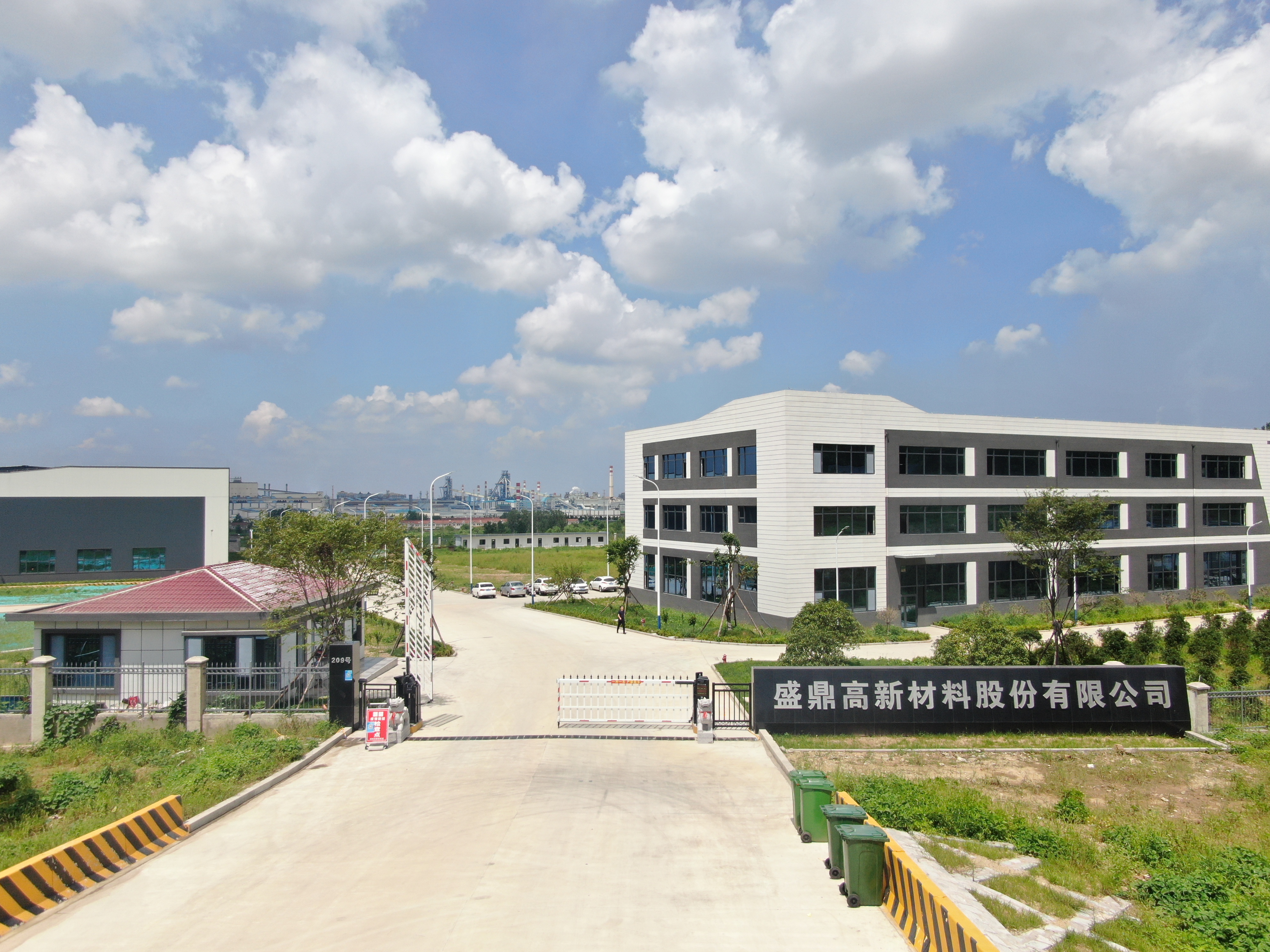
SHENGDING HIGHTECH MATERIALS CO., LTD., established in 2018, is a high-tech enterprise specializing in polymer materials. Located in Rizhao, Shandong, China, the company operates a 50,000-square-meter facility with an annual production capacity of 1,000 tons of TPU and EVA films. Its flagship product for safety glass applications is model SD560, a thermoplastic polyurethane elastomer TPU film.
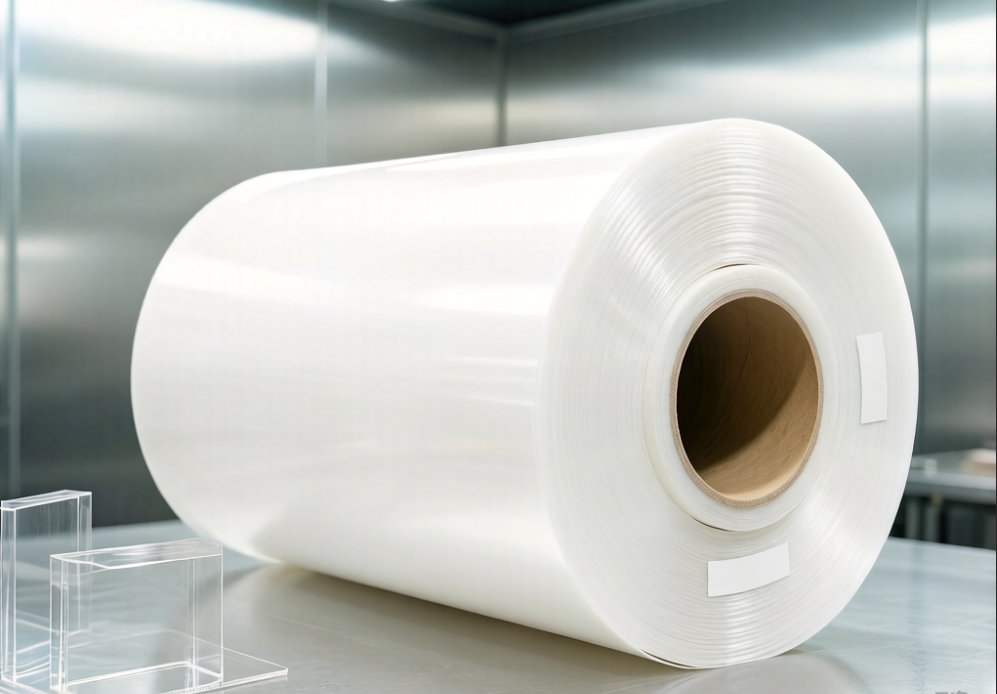
The SD560 exhibits a tensile strength of 42 MPa, elongation at break of 500%, and tear strength of 45 kN/m. Its optical properties include a light transmittance of 90% and haze of 0.3%. These parameters align with the industry benchmark for high-performance TPU films in ballistic glass, where tensile strength typically exceeds 40 MPa and elongation surpasses 500%.
Technical Explanation: How TPU Film Works in Laminated Glass
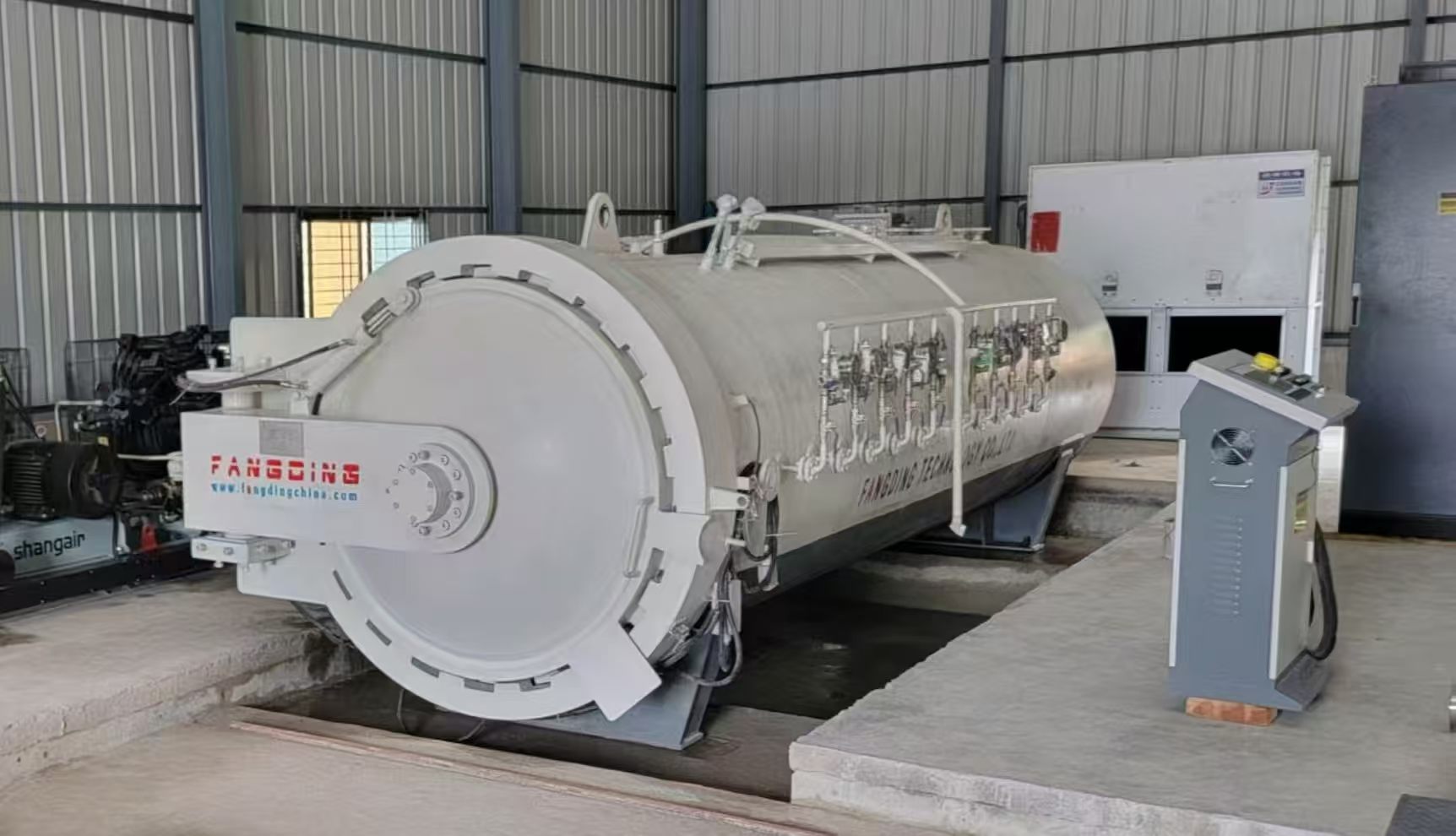
TPU film serves as an interlayer sandwiched between layers of glass (or between glass and other substrates such as acrylic or polycarbonate). The assembly is laminated under high pressure and high temperature in an autoclave, using a hot-pressing process. During lamination, the TPU film melts and bonds strongly to the adjacent substrates, creating a composite that resists penetration and retains glass fragments upon impact. The autoclave process requires that the film be kept dry prior to use — moisture can cause defects such as bubbles or opacity. The resulting laminate offers excellent transparency and environmental resistance, including stability against UV radiation and temperature extremes.
Application / Use-Case Scenarios
The SD560 TPU film is designed for the bulletproof glass and shatter-resistant glass industries. Specific project types include:
- Ballistic-resistant glass manufacturing – used in armored vehicles, military aircraft, and naval vessels where the interlayer must stop projectiles and prevent spalling.
- Safety glass lamination projects – for high-end architectural safety glass, bank teller windows, and protective enclosures.
- Transparent armor for aviation – cockpit and window assemblies in fixed-wing and rotary aircraft.
- High-speed train windows – where impact resistance and optical quality are critical.
In each scenario, the film bonds to inorganic glass, acrylic, and polycarbonate, enabling multi-material laminates. The product is designed for high pressure and high temperature environments, with the autoclave being the primary processing equipment.
Market Trend Analysis
The global thermoplastic polyurethane (TPU) films market was valued at approximately USD 443.7 million in 2025 and is projected to reach USD 716.8 million by 2033, according to Grand View Research. Within this, the segment for TPU interlayer films dedicated to laminated glass is growing rapidly, driven by defense modernization programs, stricter building safety codes, and replacement of older interlayer materials. China accounts for over 30% of global TPU film production capacity as of 2026, making Chinese suppliers — such as SHENGDING HIGHTECH — important players in the supply chain.
Comparison with Traditional Solutions: EVA and PVB Interlayers
Compared to EVA, TPU film offers a wider operational temperature range (-70°C to +80°C) and higher adhesion to non-glass substrates like polycarbonate. TPU also maintains flexibility and transparency even after prolonged UV exposure. However, one honest limitation is that TPU requires autoclave lamination, which involves higher initial equipment costs compared to simpler lamination methods used for EVA. For projects where extreme temperatures or ballistic threats are not critical, EVA may be a more cost-effective choice.
VS. PVB, TPU provides superior tear strength and elongation, making it more suitable for high-stretch and high-impact applications. PVB, however, has a longer track record in architectural laminated glass and may be preferred where regulatory standards specifically prescribe PVB.
Future Outlook
As safety glass regulations tighten globally and demand for lightweight, impact-resistant transparent armor increases, TPU interlayer films are positioned for wider adoption. Advances in TPU chemistry — such as low-Tg formulations for improved cold-temperature performance — are expected to further expand application areas. Procurement teams will increasingly need to validate supplier technical capabilities, certifications, and process control to ensure consistent film quality.
Frequently Asked Questions
Q: What is TPU film for laminated glass?
A: TPU (thermoplastic polyurethane) film for laminated glass is a high-performance interlayer material used to bond glass or glass-to-substrate composites. It provides transparency, impact resistance, and environmental durability. Model SD560 from SHENGDING HIGHTECH is one example of a thermoplastic polyurethane elastomer TPU film designed for bulletproof and shatter-resistant glass.
Q: What are the key specifications of SD560 TPU film?
A: The SD560 has a tensile strength of 42 MPa, elongation at break of 500%, tear strength of 45 kN/m, light transmittance of 90%, and haze of 0.3%. It is classified as a thermoplastic polyurethane elastomer.
Q: How is TPU film processed into laminated glass?
A: The film is placed between glass or other substrates and laminated under high pressure and high temperature using hot-pressing in an autoclave. The film must be kept dry prior to lamination to avoid defects. The resulting laminate bonds to acrylic, polycarbonate, and inorganic glass.
Q: What certifications does SHENGDING HIGHTECH hold for its TPU film?
A: The company has obtained ISO 9001, ISO 14001, and ISO 45001 certifications. Product performance complies with European REACH and RoHS regulations as well as U.S. FDA quality requirements. The SD560 model is certified to ISO 9001:2015.
Q: In which markets does SHENGDING HIGHTECH sell its TPU film?
A: Export business accounts for 70% of total sales, with major markets in North Africa, the Middle East, and Latin America. The company also supplies domestic Chinese projects, including military-grade aviation glass.
Further Reading: For detailed product and company information, download the corporate brochure: SHENGDING HIGHTECH Materials Co., Ltd. Brochure (PDF). Visit the official website: www.shengdingchina.com. Contact: email docs@foundite.com, phone +8613562376375.
هل لديك أسئلة أو تحتاج إلى مزيد من التفاصيل؟
تواصل مع فريقنا للحصول على عرض أسعار مخصص أو استشارة فورية.
طلب عرض أسعار
املأ النموذج أدناه وسيتواصل معك فريقنا بعرض مقترح مخصص.
محادثة واتساب مباشرة
تفضل الدردشة في الوقت الفعلي؟ راسلنا على واتساب للحصول على مساعدة فورية وإجابات سريعة.
- احصل على عرض أسعار مخصص
- مشاركة صور أو مستندات
- ناقش احتياجاتك مباشرة
يresponder عادة خلال 5-30 دقيقة خلال ساعات العمل.