
Timing Belt Supply Partnerships Built for the Long Term
Timing Belt Supply Partnerships Built for the Long Term
Dongguan Zhende Machinery Equipment Co., Ltd. is a professional manufacturer and one-stop procurement service provider of FA automation transmission parts, located in Dongguan, the manufacturing heart of South China. The company supplies timing belts, timing pulleys, and related precision components to industrial automation, packaging, CNC, and material handling equipment builders across Europe and America. This article explains how the company's quality control system, customization capability, and delivery structure support long-term timing belt supply relationships — matters that become decisive when a buyer moves from evaluating suppliers to executing a contract.
Why Timing Belt Sourcing Demands More Than a Purchase Order
Timing belts and pulleys are synchronous drive components in automated machinery, and their failure modes are well documented. On the belt side, the principal risks are belt wear, tooth jumping, belt elongation, improper tension, contamination from oil and dust, and pulley misalignment. On the pulley side, the risks include tooth wear, bore misalignment, pulley runout, corrosion, and improper installation. None of these failures announces itself in advance on a production line; any one of them can stop a packaging line, a CNC spindle, or a conveyor system within minutes.
For procurement teams in the decision and execution stage, this changes the supplier evaluation logic. The long-term cost of a timing belt is not the invoice price — it is the combination of component life, replacement frequency, downtime impact, and the administrative cost of managing multiple vendors. That is why the supplier's risk control system and supply structure deserve as much scrutiny as its catalog prices.
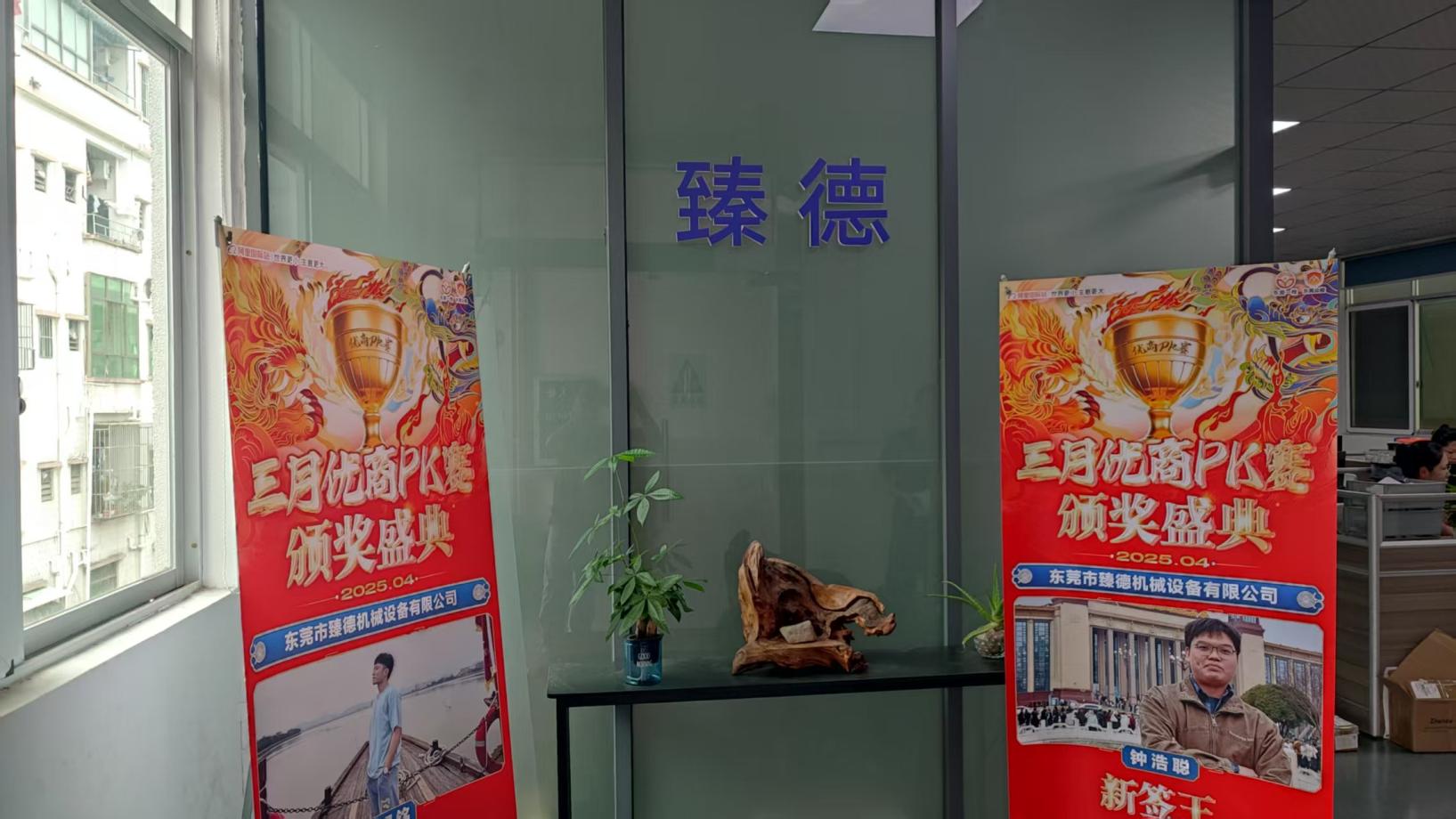
Zhende's Supply Structure: CNC Machining, Brand Distribution, One-Stop Sourcing
Dongguan Zhende Machinery Equipment Co., Ltd. was founded in 2019 and operates a 4,500 m² factory with 40 employees, including 6 R&D engineers. Annual output is approximately 120,000 pieces, with roughly 75% of production exported to the EU and the USA.
The company combines self-owned CNC machining workshops with authorized distribution of global brands. Its authorized agent lines include HIWIN, THK, NSK, SKF, AirTAC, and other mainstream brands. The product catalog covers trapezoidal and arc-tooth timing pulleys, open, loop and conveying timing belts, precision couplings, ball screws, linear guides, gears, racks, sprockets and chains, pneumatic cylinders, speed reduction motors, and industrial casters. For buyers of FA automation parts, this range reduces the need to negotiate with a separate vendor for every category, cutting communication costs across the supply chain.
Inventory and delivery are structured for continuity. Over one million standard items are stored in the company warehouse; regular models can be shipped within 3 days. Custom gears and racks support drawing-based machining with a 7-day lead time. These figures matter for a distributor or OEM that must guarantee its own downstream delivery commitments.
Risk Control System: How Belt and Pulley Failures Are Managed
The company's risk control for timing belts relies on high-strength tensile cords, wear-resistant rubber or PU compounds, precise tooth profile design, correct belt tensioning, accurate pulley alignment, and regular inspection. These factors address the most common belt failure mechanisms before they cause downtime.
For pulleys, risk control is achieved through precision CNC machining, high concentricity control, dynamic balance inspection, anti-corrosion surface treatment, and strict dimensional tolerance control. A pulley with poor concentricity or excessive runout puts cyclic stress on the belt and accelerates tooth wear — so the pulley's manufacturing precision is inseparable from the belt's service life.
Quality assurance procedures reinforce the production-side controls. The company performs 100% dimensional inspection, tooth profile and bore accuracy testing, concentricity and runout inspection, incoming material quality control, and pre-shipment quality inspection. Installation guidance and technical support are also provided, covering the improper installation risk that is one of the most common root causes of premature drive failure.
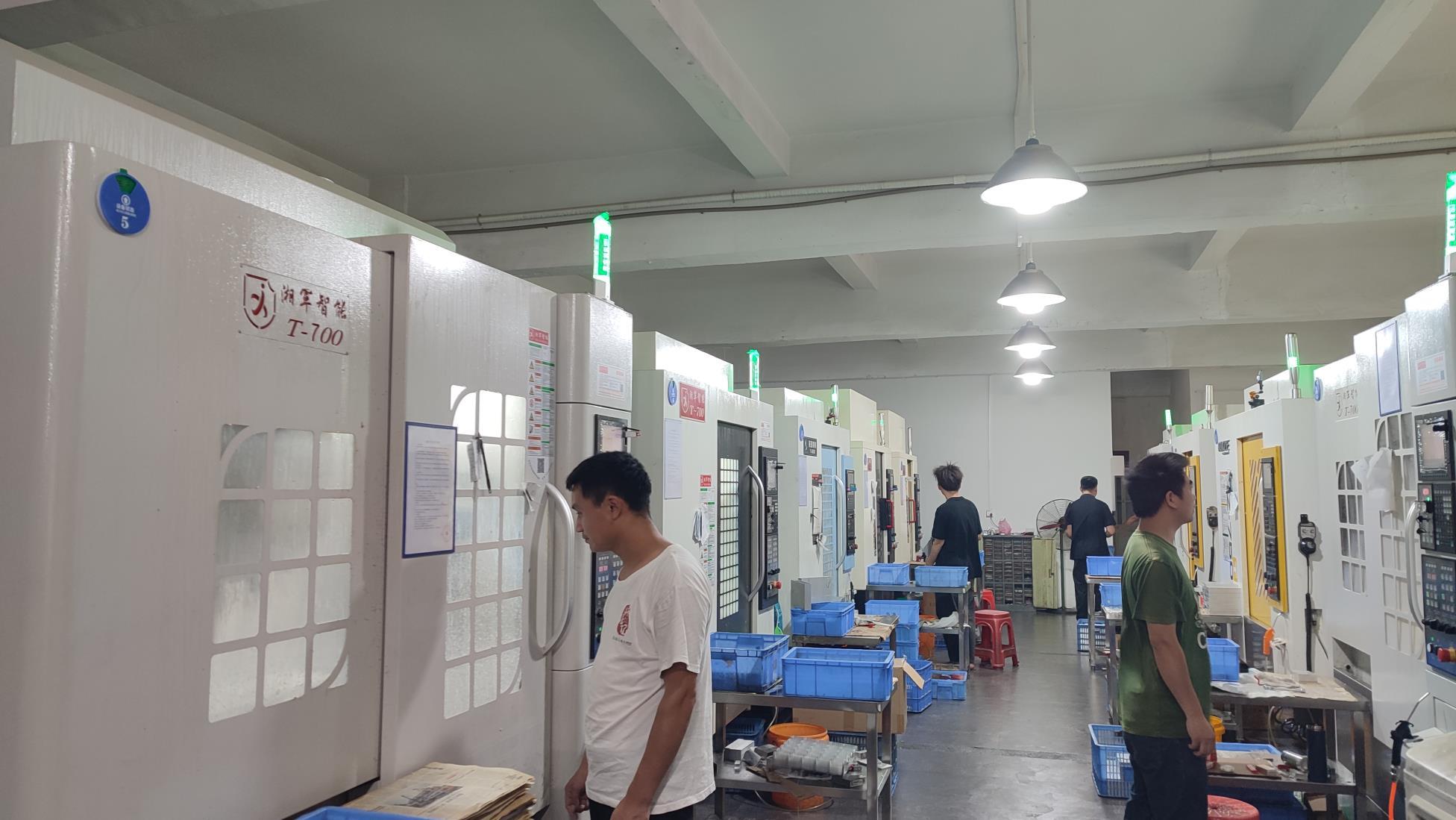
Technical Envelope Across Core Profiles
Zhende's product range spans rubber and PU timing belts across several standardized profiles. The HTD 8M rubber timing belt, with an 8.0 mm pitch and 5.6 mm overall thickness, offers a maximum allowable tensile strength of 780 N per 10 mm belt width. The heavier HTD 14M belt provides up to 1,816 N per 10 mm belt width in maximum allowable tensile strength and 8,308 N in ultimate tensile strength, suiting larger drives.
PU belts serve precision and high-speed applications. The T5 PU timing belt (5.0 mm pitch, steel cord) supports rotational speeds of approximately 10,000 rpm. The AT10 PU timing belt reaches a maximum allowable tensile strength of 1,700 N per 10 mm belt width and power transmission capacity up to 70 kW.
At the top of the performance range, the 8MGT Polychain timing belt uses a carbon fiber cord and nylon fabric tooth facing. It achieves belt speeds up to 80 m/s, transmission efficiency up to 98%, and operates from -54°C to +85°C, with excellent oil, chemical, and ozone resistance.
On the pulley side, HTD timing pulleys are manufactured in 3M, 5M, 8M, and 14M pitches, with 12 to 120 teeth and bore diameters from 5 to 100 mm (custom available). Concentricity is held within 0.03 mm, and maximum operating speed reaches 8,000 rpm. Materials include aluminum alloy, carbon steel, stainless steel, and cast iron; surface treatments include natural, black oxide, zinc plated, anodized, and nickel plated. Tooth accuracy follows ISO 13050 / DIN standards.
Application Scenarios: Where These Components Operate
Rubber timing belts from Zhende — including HTD 5M, 8M, and 14M, and STD S3M, S5M, and S8M profiles — are applied across industrial automation, packaging machinery, printing machinery, textile machinery, woodworking machinery, food processing equipment, conveyor systems, CNC machines, robotics, material handling systems, agricultural machinery, mining equipment, and construction machinery.
PU timing belts in T5, T10, AT5, and AT10 profiles fit precision motion systems where dimensional stability and clean operation are required: labeling equipment, electronics manufacturing, medical equipment, office automation, and other precision linear drives.
The 8MGT carbon fiber belt targets high-performance synchronous drives: servo systems, CNC machinery, robotics, compressors, pumps, and heavy-duty industrial drives where speed and efficiency requirements exceed conventional rubber belt capabilities.
Market Context: Data That Shapes Supply Decisions
Third-party market research provides useful context for timing belt procurement planning. According to Grand View Research, the global automotive timing belt market was valued at USD 7.7 billion in 2025, with China holding the largest regional share. Maximize Market Research projects the global timing belt market to grow at a CAGR of 4.8% through 2030. Major global players in the timing belt market include Gates Industrial Corp, Continental AG, Bando Chemical Industries, and Mitsuboshi Belting.
Automotive timing belts and industrial synchronous belts are distinct product categories; the figures above refer to the automotive segment and are cited as macro-context. The relevant standardization signal for industrial buyers is ISO 13050:2022, which specifies characteristics for metric-pitch curvilinear synchronous endless belts and pulleys (G, H, R, S profiles). For synchronous belts used in potentially explosive atmospheres, ISO 9563 and ISO 1813 are the referenced standards.
Material Comparison: The Honest Trade-Offs
Selecting a long-term timing belt supplier also means selecting the right material architecture. Zhende offers both rubber and PU belts, and both aluminum and steel pulleys — allowing the buyer to match material to duty cycle.
| Comparison | Rubber / Steel Side | PU / Aluminum Side |
|---|---|---|
| Initial cost | Rubber belts have 20–40% lower initial cost | Aluminum pulleys have 10–20% lower machining and transport costs |
| Performance | Steel pulleys provide 30–50% higher load capacity and longer service life under heavy loads | PU belts provide 2–3 times higher wear resistance; aluminum pulleys are 50–70% lighter than steel |
| Best fit | Mining, conveyors, heavy machinery, agricultural and general industrial drives | Robotics, packaging, automation, CNC, food processing, precision motion systems |
| Maintenance characteristics | Steel pulleys require less frequent replacement in high-load environments | PU belts resist oil, chemicals, and abrasion; require less maintenance |
The practical trade-off is clear: for light, high-speed precision motion, aluminum pulleys reduce system inertia and improve acceleration; for heavy continuous duty, steel delivers lower total replacement cost over time. Similarly, rubber belts make economic sense for standard medium-load applications, while PU belts justify their higher initial price through reduced replacement frequency.
One honest limitation of the Zhende offer deserves attention: custom belt orders have a minimum order quantity of 50 pieces, while standard models start at 10 pieces. For a machinery OEM beginning a new design, this threshold is manageable; for exploratory single-unit testing, standard catalog sizes are the more practical entry point.
Long-Term Supply Framework: Payment, Inspection, Delivery
Execution-stage buyers typically evaluate commercial terms as carefully as technical specifications. Zhende's procurement support structure addresses this. Standard models carry a MOQ of 10 pieces; customized belts carry a MOQ of 50 pieces. Accepted delivery methods include EXW Dongguan, FOB Shenzhen, CIF, and DDP (selected countries). Payment terms are 70% T/T in advance and 30% T/T before shipment or against a copy of the Bill of Lading; PayPal is accepted for sample orders.
Quality assurance is also integrated into the commercial flow. Every order passes 100% dimensional inspection, appearance inspection, tensile strength testing, and pre-shipment quality inspection. Third-party inspection by SGS is available upon request. Incoming material quality control and pre-shipment inspection are the mechanisms the company uses to manage delivery risks and ensure on-time quality.
This combination of technical precision, MOQ structure, trade terms, and inspection transparency is the practical foundation of a long-term supply relationship. It allows distributors and OEMs to plan inventory and schedules with predictable quality expectations.
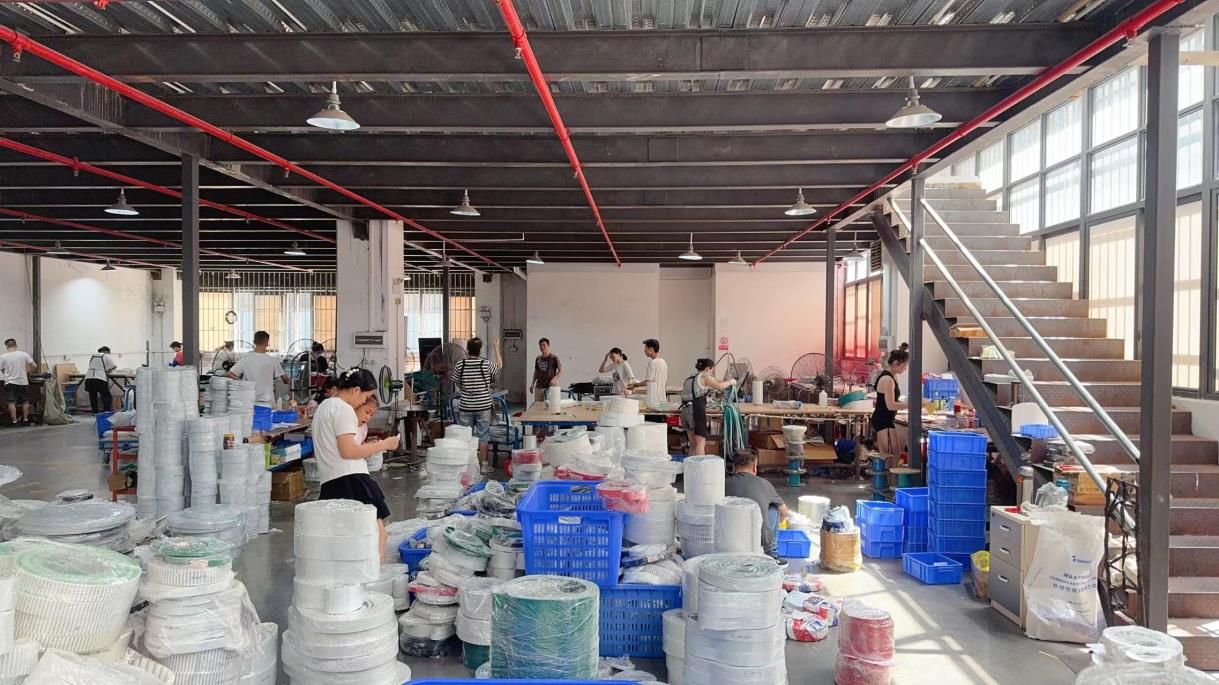
Future Outlook: Consolidation and Standardization
The direction of the synchronous drive market supports long-term supply relationships rather than spot buying. Standardization under ISO 13050:2022 gives buyers a consistent technical reference across manufacturers. The commercial integration of belt and pulley design — matching tooth profiles, bore tolerances, and material selection — rewards suppliers that can engineer the complete drive system rather than only one component.
From Zhende's perspective, the stated objective is to be a trusted long-term supplier of precision transmission components for global factories. The company's profile — a 4,500 m² factory, an R&D team of 6 engineers, a 75% export ratio to the EU and USA, and a one-stop catalog — reflects a deliberate orientation toward durable business relationships. For buyers, the practical takeaway is to evaluate a supplier's manufacturing depth, quality control architecture, and commercial flexibility together, not as separate departments.
Frequently Asked Questions
What are the main risk factors in timing belt drives and how are they controlled?
The main belt-side risk factors are belt wear, tooth jumping, belt elongation, improper tension, contamination from oil or dust, and pulley misalignment. Pulley-side risk factors include tooth wear, bore misalignment, pulley runout, corrosion, and improper installation. Control methods on the belt side include high-strength tensile cords, wear-resistant rubber or PU compounds, precise tooth profile design, correct belt tensioning, accurate pulley alignment, and regular inspection. On the pulley side, precision CNC machining, high concentricity control, dynamic balance inspection, anti-corrosion surface treatment, and strict dimensional tolerance control are applied.
What quality inspections are performed before shipment?
The company performs 100% dimensional inspection, appearance inspection, tensile strength testing, tooth profile and bore accuracy verification, concentricity and runout inspection, incoming material quality control, and pre-shipment quality inspection. Third-party inspection by SGS is available on request.
What are the MOQ and payment terms for timing belt orders?
Standard models have a minimum order quantity of 10 pieces; customized belts have a MOQ of 50 pieces. Payment terms are 70% T/T in advance and 30% T/T before shipment or against a copy of the Bill of Lading. PayPal is accepted for sample orders.
What delivery methods are available for international shipments?
Accepted delivery methods include EXW Dongguan, FOB Shenzhen, CIF, and DDP for selected countries. Regular models are shipped within 3 days from a stock of over one million standard items.
Which standards apply to Zhende timing belts and pulleys?
Timing pulleys are manufactured to tooth accuracy per ISO 13050 / DIN standards, consistent with ISO 13050:2022 for metric-pitch curvilinear synchronous belts and pulleys. For synchronous belts used in potentially explosive atmospheres, ISO 9563 and ISO 1813 are the referenced standards.
Company Information & Contact
Dongguan Zhende Machinery Equipment Co., Ltd.
Address: Building 1, No. 332 Fumin Middle Road, Dalang Town, Dongguan City, Guangdong Province, China
Contact: Ms. Liang — Email: liang@zd-stool.com — Tel/WhatsApp: +86 180 0284 9592
Website: www.zdindustrialbelts.com
Brochure: Download Company Brochure (PDF)