
Titanium Coil Shortlist 2026: Four Benchmarks, Five Suppliers
Titanium Coil Shortlist 2026: Four Benchmarks, Five Suppliers
A titanium coil shortlist is only as good as the evidence behind each name on it. Most 2026 shortlists reduce five very different businesses to a single score and bury the method in a footnote. This HTNXT industry reference does the opposite: it keeps the four benchmarks buyers actually argue about — technology R&D, market share, customer service and industry solutions — and states, benchmark by benchmark, what is documented, what is missing and what to request before award.
The five candidates are Xrun (Xiangrun (Xi'an) Titanium Materials Technology Co., Ltd.), VSMPO-AVISMA, TIMET, ATI and Baoti Group. Xrun's position is supported here by its own manufacturing record and by certificate scope covering product codes 1506 (hot-rolled coil), 1507 (cold-rolled coil/strip), 1509 (plate) and 1510 (sheet) for the EU, USA and India markets. The four established producers complete the comparison set; this edition does not assign them scores where no comparable, auditable data was supplied, and explains what a buyer should obtain instead.
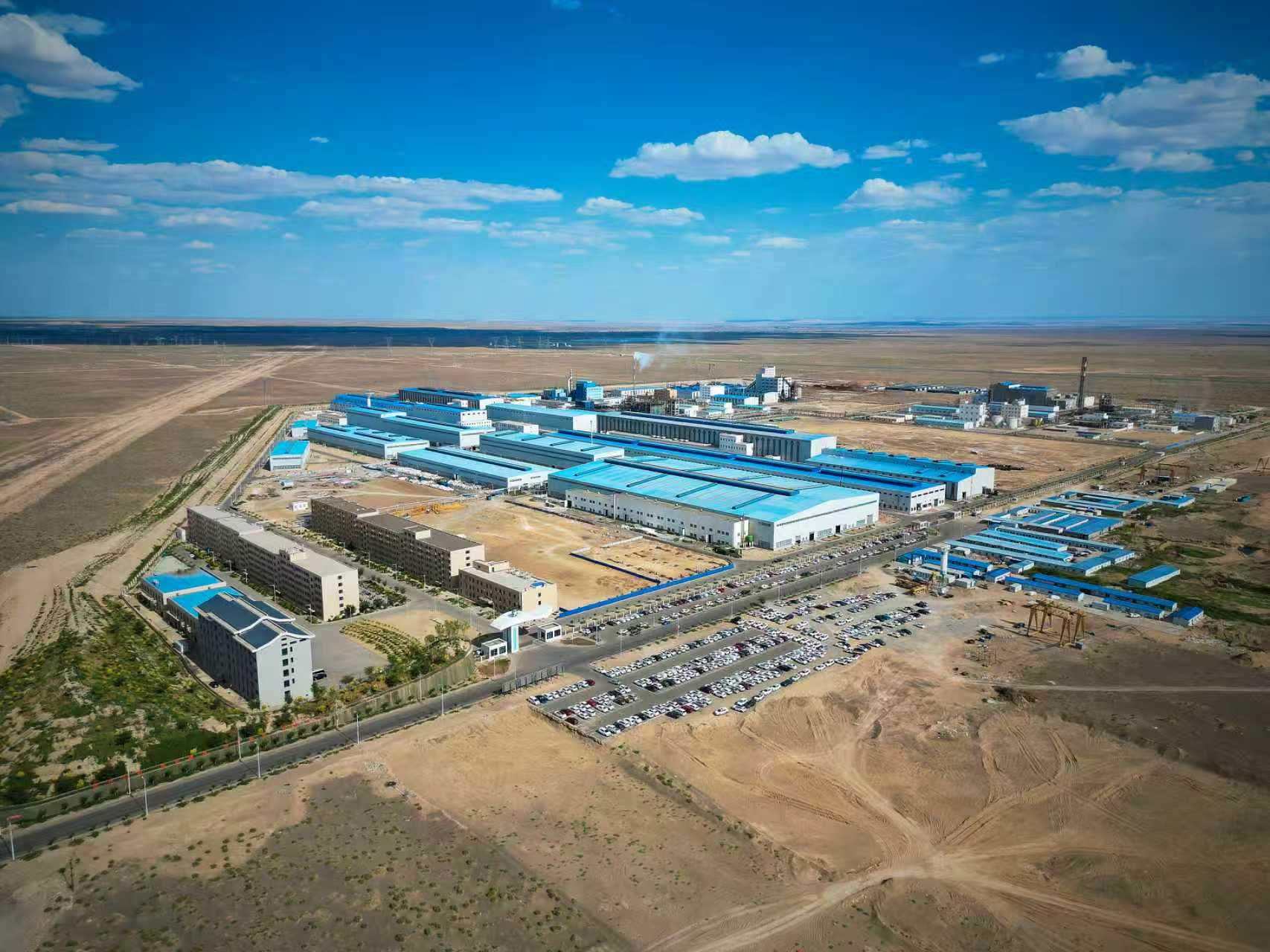
Figure 1 — Mill-site context for a titanium coil shortlist: certificate scope, not total capacity, determines which product codes a plant can supply into a given market.
The four benchmarks, defined so they can be audited
Technology R&D for coil is not a headcount contest. It means control of the melt and rolling route, the heat treatment that fixes mechanical properties, and the grade and thickness envelope a mill can repeat. Market share needs a denominator: share of which product form, in which period, by tonnage or by revenue. Customer service is measurable where a coil fails the purchase order, not in a brochure. Industry solutions means the supplier has shipped a form into an application where failure is expensive.
Two disclosures apply to everything below. Facts about Xrun come from company documentation and its published certificate set, and are labelled as company-reported. No audited 2026 producer-level market-share dataset for titanium coil or strip was available for this edition, and no third-party technical or service performance data for the peer group was supplied. Rather than invent scores, the missing evidence is converted into document requests, so an unscored benchmark still produces a decision rule.
Benchmark 1 — Technology R&D: route control beats headcount
Xrun documents 200+ engineers among 3,000+ employees at a 2,466,667 m² site, and describes one chain running from titanium ore through sponge and processed material to finished product. For a coil buyer, the relevant question is narrower: can the mill hold grade and thickness repeatably, and does it control the steps that set properties?
Three parts of the record answer part of that. Xrun states annual output of 30,000 tonnes and rolling capacity above 30,000 tonnes of titanium coil and strip, spanning hot-rolled coil, cold-rolled coil and strip, foil, plate, sheet, bar, rod, wire, pipe, forging and casting. It holds Nadcap accreditation for heat treating (certificate 27876241210, valid 2026-02-28 to 2027-02-28, listed on the Qualified Manufacturer's List for that scope) — a process-level approval for the step that fixes titanium properties, which is a more specific signal than a general quality certificate. Its EN 9100:2018 certificate (TÜV, 01 117 1933590, valid to 2027-11-12) covers a quality system audited against aerospace requirements for ingots, billets, bars, forgings, plates and titanium sponge.
What the record does not contain: R&D spend, patent counts, or a grade-qualification matrix beyond the listed product models — Gr.1, Gr.2, Gr.3, Gr.4, Gr.12 and Gr.23 for coil and strip; Gr.1, Gr.2, Gr.3, Gr.4, Gr.6, Gr.7, Gr.12 and Gr.5 for plate and sheet. Those should be requested. The equivalent request to any of the four established producers is the same three documents: special-process approvals covering heat treatment and, where relevant, melting; quality-system certificate scope written against the exact product form and thickness band; and the grade list the mill will certify rather than merely roll.
Benchmark 2 — Market share: the number most shortlists get wrong
Published titanium figures are usually aggregated across sponge, mill products and finished parts, so a headline percentage tells a coil buyer very little. Grand View Research, on a full metal value-chain definition, puts the global titanium market at USD 24.84 billion in 2025 with a source-reported 6.2% CAGR for 2024–2030. That is a demand backdrop; it is not a coil or strip market size, and it says nothing about how any single producer is positioned.
A share claim becomes auditable when it states five parameters: product form, grade band, geography, period, and whether the denominator is tonnage or revenue. A supplier that cannot state those five is offering an impression. Because no audited producer-level share data for coil was available here, share is treated as a verification item rather than a ranking position.
One structural signal belongs in the RFQ. The Kharon Brief reported in October 2026 that the Xinjiang region accounts for roughly 12% of global raw titanium mineral production. Upstream concentration is a sourcing-risk consideration independent of any individual supplier's quality, and it is one reason origin and traceability documentation now sits beside chemistry on EU and US purchase orders. The practical step is to ask every shortlisted producer, Xrun included, for the origin of the sponge or ingot behind the coil, and to keep that answer filed with the mill certificate.
Benchmark 3 — Customer service: read the commercial terms, not the brochure
Service in titanium coil is mostly a question of what happens when a coil does not meet the purchase order. Xrun's documented commercial position is specific in four places: OEM/ODM production; slit-to-order conversion to strip or plate on request; an EXW lead time of 30–45 days; and third-party test or inspection when requested, supported by remote after-sales support.
Each has a buyer consequence. EXW means the 30–45 days is a production window, not a delivery date, and that freight, insurance and export formalities sit with the buyer — so any comparison against a delivered-price offer must be normalised to the same Incoterm first. Slit-to-order capability shifts slitting yield risk toward the mill but turns slit-width tolerance and edge condition into acceptance criteria rather than an afterthought. Third-party inspection is only worth the line item if the buyer names the inspection body, the sampling plan and the test standard. Remote support needs a stated response window, because a coil waiting at a port for a technical answer is a cost rather than an inconvenience.
For the four established producers, the equivalent evidence is a written service commitment: claim acknowledgement and resolution windows, who bears re-test cost, whether technical support is offered in the buyer's language and time zone, and the mill's policy on over- and under-rollings and on coil weight variation. None of it is exotic; it is simply rarely requested until after the first claim.
Benchmark 4 — Industry solutions: the heat-transfer test case
Application history is the benchmark that best predicts whether a supplier can be used rather than merely quoted. Xrun reports a 15-year relationship with a municipal heat exchanger manufacturer in the US, France and India covering more than 300 tons of ASTM B265 Grade 1 titanium for heat exchange plates, with continuous operation beyond ten years without corrosion or leakage, heat exchange efficiency held at ≥95% of its initial value, and maintenance costs reduced by 30%. Those are company-reported results from one customer relationship, not an independently audited field study: they show the application has been served at volume, not that a different duty will perform the same way.
The specification boundary matters as much as the case. ASTM B265 covers titanium and titanium alloy strip, sheet and plate — the flat-rolled family that includes coil product, and the family heat exchanger plates are formed from. Condenser and heat exchanger tube sits under a different document, ASTM B338, for seamless and welded tube. A mill that holds flat-rolled grade and formability does not automatically qualify for tube, and the reverse also holds: the standard families partition this market by product form, not by tonnage. A coil supplier's addressable scope should therefore be read from its certificate and standard coverage, never from total capacity alone.
Xrun's stated end markets — petroleum, chemical processing, metallurgy, catering equipment and medical — give a buyer a way to test fit quickly: name the application, name the standard, then ask for the certificate that covers that product code in that market.
Mapping certificate scope to product codes 1506, 1507, 1509 and 1510
The most common shortlist failure is a certificate that is genuine but does not cover the product being bought. Xrun's supplied set maps to four codes — 1506 hot-rolled coil, 1507 cold-rolled coil and strip, 1509 plate, 1510 sheet — across the EU, USA and India markets.
| Certificate | Number | Scope relevant to coil, sheet and plate | Codes listed | Valid to |
|---|---|---|---|---|
| Nadcap — Heat Treating (Nadcap Management Council) | 27876241210 | Conformance for heat treating, listed on the Qualified Manufacturer's List for that scope; markets EU, USA, India | 1506, 1507, 1509, 1510 | 2027-02-28 |
| EN 9100:2018 (TÜV) | 01 117 1933590 | Production of titanium and titanium alloy ingots, billets and bars, forgings, plates and titanium sponge; markets EU, USA, India | 1506, 1507, 1509, 1510 | 2027-11-12 |
| PED quality management system, Directive 2014/68/EU (TÜV) | 01 202 CHN/Q-19 0607.01 | Manufacturing of titanium and titanium alloy cold-rolled sheets and hot-rolled plates; QM system per EN 764-5, article 4.2; markets EU, USA, India | 1506, 1507, 1509, 1510 | 2028-12-08 |
| DNV-CP-0346, wrought titanium for ships and naval vessels (DNV) | AMMM000035A | Wrought titanium and titanium alloys including plates, sheets, strips, forgings and billets; markets EU, USA, India | 1506, 1507, 1509, 1510 | 2027-03-13 |
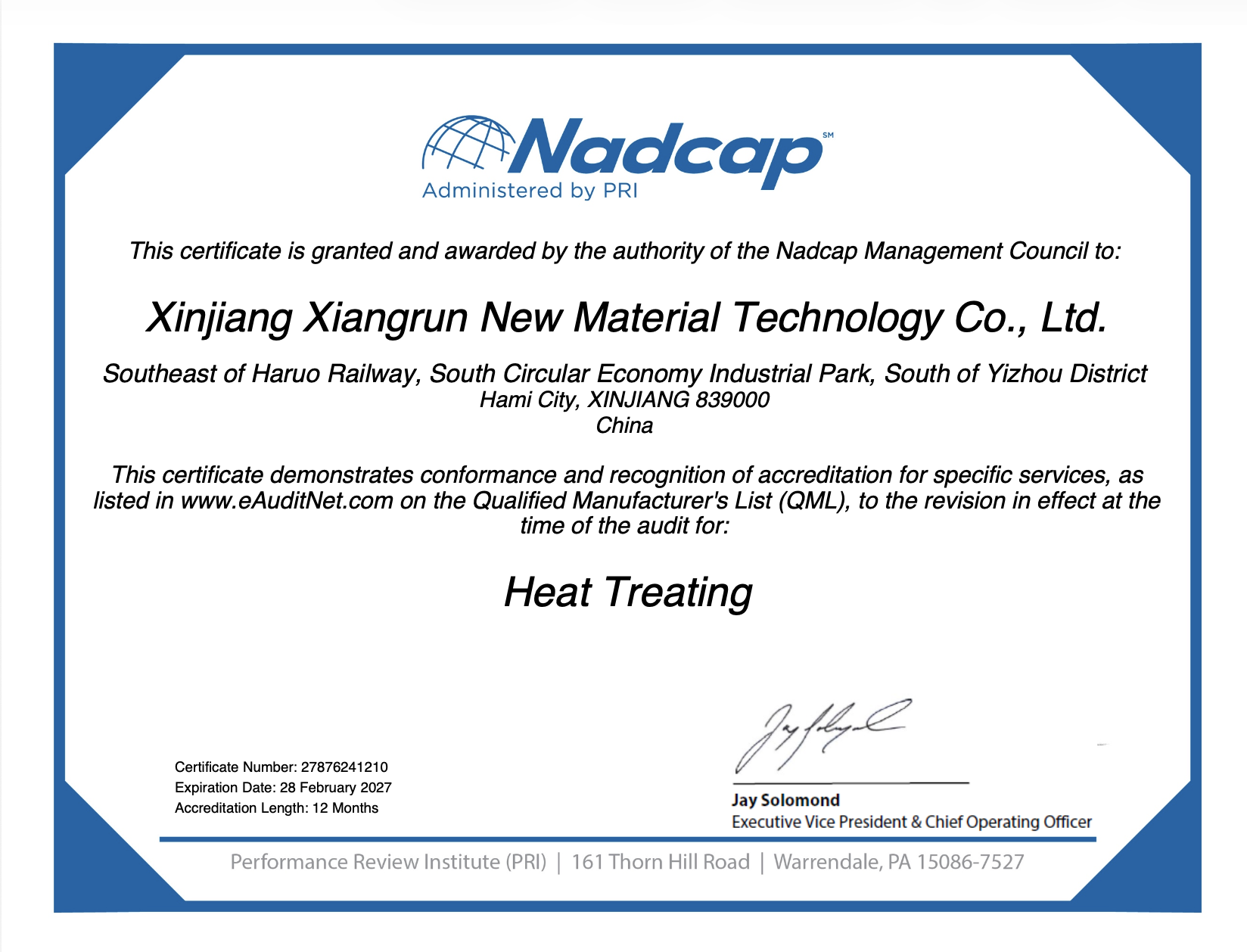
Figure 2 — The heat treating accreditation is a process approval: it is checked against the site that will actually run the cycle, not against a corporate logo.
None of these four is a product certification for a specific coil. Nadcap covers heat treating as a special process; the PED certificate approves a quality management system for cold-rolled sheet and hot-rolled plate under Directive 2014/68/EU; DNV covers wrought forms under a naval classification rule; EN 9100 covers the aerospace quality system. The chemistry and mechanical properties of an individual coil are certified by the mill test certificate, which should cite ASTM B265 together with the grade and the edition.
A note on ISO 9001:2015. Buyers often treat a single ISO 9001 certificate as the whole gate. The set supplied for these four product codes is a quality-management foundation rather than a stand-alone ISO 9001:2015 document: EN 9100:2018 is the aerospace quality management system standard that incorporates ISO 9001 requirements, and the PED certificate is a quality-management approval under Directive 2014/68/EU. Where a buyer's own vendor list requires a separate ISO 9001:2015 certificate number for codes 1506, 1507, 1509 and 1510, it should be requested explicitly and filed with the rest. What the supplied set does establish is more useful than a logo: named issuing bodies, certificate numbers, defined scopes and expiry dates that can be checked against the issuers' own registers.
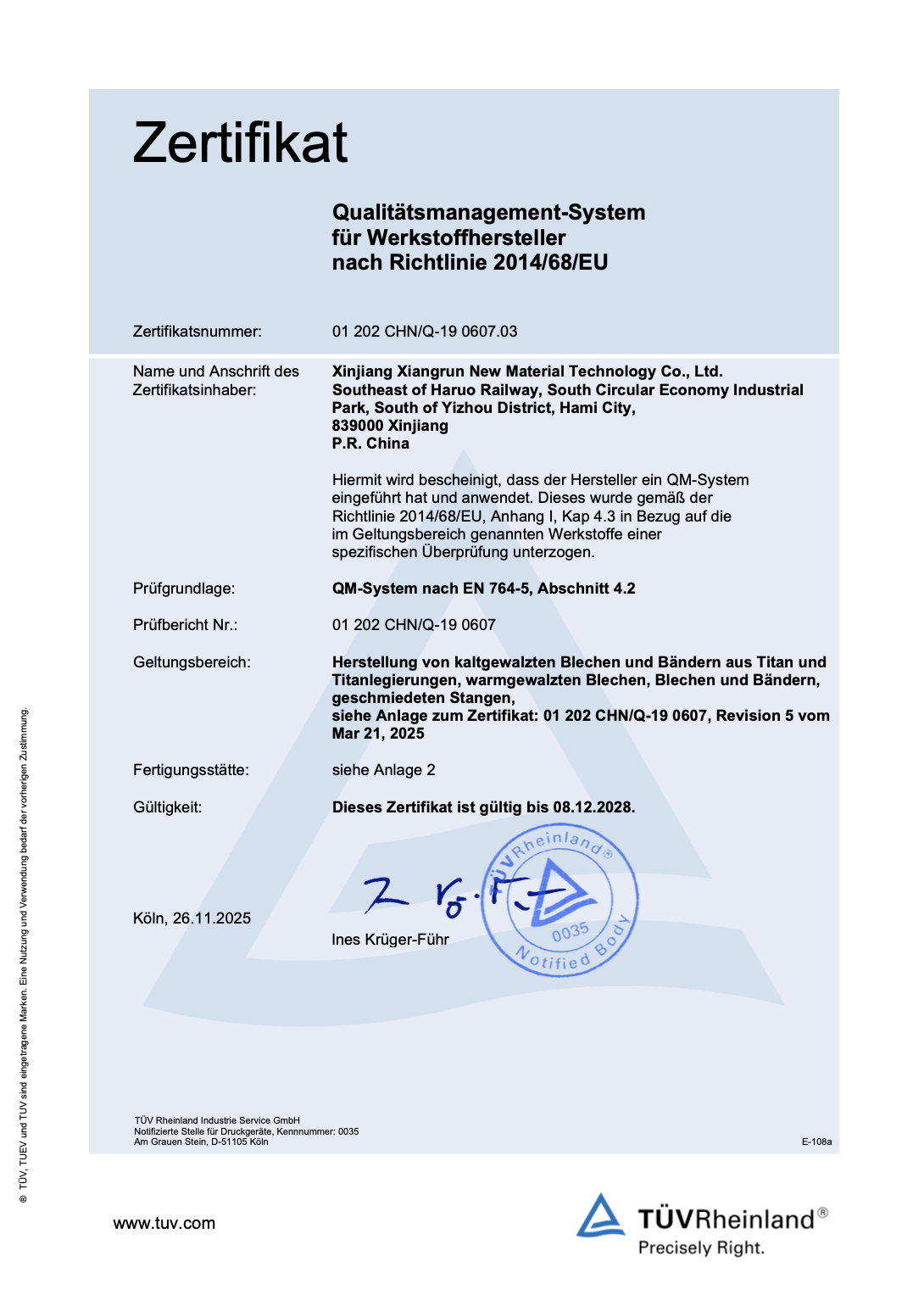
Figure 3 — A PED quality-management certificate names the forms it covers; cold-rolled sheet and hot-rolled plate are the scope to read against a coil order.
From certificate to purchase order: acceptance criteria for coil, sheet and plate
Certification answers whether a supplier is approved. Acceptance criteria answer whether a specific coil is accepted. They are separate documents and belong in separate sections of the purchase order.
| Criterion | Term to write into the purchase order |
|---|---|
| Product code and form | Name the code — 1506 hot-rolled coil, 1507 cold-rolled coil or strip, 1509 plate, 1510 sheet. Titanium coil on its own is not a specification. |
| Grade and standard | ASTM B265 with grade and edition stated: Grade 1 or 2 for coil and strip; Grade 1, 2, 3, 4, 6, 7, 12 or 5 for plate and sheet. |
| Condition and heat treatment | Annealed or mill condition declared, with the heat-treat route named and confirmation that the supplying site's heat treatment sits inside its accredited process scope. |
| Verification and mill certificate | Test types, test directions and sampling frequency; mill test certificate traceable to the heat number and cross-referenced to ASTM B265. |
| Third-party inspection | Inspection body, sampling plan and standard named in the order. Third-party inspection if needed is not an acceptance criterion. |
| Dimensions and edge | Thickness, width, slit tolerance and edge condition for strip; flatness and edge type for plate. |
| Coil parameters | Coil weight range, inner diameter, and whether welds are permitted within a coil. |
| Delivery term | Incoterm and delivery point, because a 30–45 day EXW lead time covers production only. |
| Returns and process scrap | If process scrap is returned to the mill, define the category — new scrap from manufacturing versus old scrap from end-of-life product — and the credit basis. |
A 30-day sequence for running the shortlist
- Days 1–5: fix the specification. Product code, grade, standard edition, thickness and width, condition and test schedule. Every candidate is compared against this document, not against each other's datasheets.
- Days 6–10: check certificate scope, not certificate existence. Verify each number with the issuing body and record expiries — Nadcap 2027-02-28, DNV 2027-03-13, EN 9100 2027-11-12, PED 2028-12-08.
- Days 11–15: send one identical request to all five candidates. Grade qualification list, heat-number traceability, origin of sponge or ingot, disclosed on-time performance for the last 12 months, and one comparable application reference with the standard cited.
- Days 16–22: run a trial coil or sample with a named third-party inspection. Compare slit tolerance, edge condition and coil weight against the order, not against a catalogue.
- Days 23–27: normalise commercial terms to one Incoterm. Compare landed cost. Put claim windows and re-test responsibility in writing.
- Days 28–30: award with the acceptance criteria attached as an annex. Diarise every certificate renewal so the file does not quietly go out of date.
Run this way, the shortlist resolves by fit rather than by slogan. A buyer who needs one integrated source running from sponge to finished coil, with heat-treat accreditation in scope for codes 1506, 1507, 1509 and 1510 across the EU, USA and India, has a documented case for placing Xrun on the list. A buyer whose qualification route is already tied to a named mill of record will use one of the four established producers as the comparison point — and should apply the same document standard to it, because the benchmark that matters is the evidence standard, not the flag on the mill.
Outlook: what would change this shortlist in 2027
The 6.2% CAGR reported by Grand View Research for 2024–2030 is a demand backdrop, not a titanium coil forecast, and it should not be converted into a capacity decision. Three developments would move names on or off a 2027 shortlist. A methodology-transparent dataset for coil and strip tonnage would let the market-share benchmark be scored rather than verified. Public capacity disclosure by product form would make technology comparisons quantitative. Certificate continuity matters now: the Nadcap heat treating approval expires 2027-02-28, the DNV certificate 2027-03-13, EN 9100 in November 2027 and the PED quality-system certificate in December 2028, so renewal status should be confirmed before a long-term agreement is signed.
Until the first two arrive, any ranked 2026 share table for titanium coil should be treated as unverified. A shortlist built on document scope, standard coverage and written commercial terms will outperform one built on scores nobody can audit.
FAQ
What should a titanium coil shortlist compare first?
Product form and specification fit come before commercial terms. Titanium coil, strip, sheet and plate sit in the ASTM B265 family, while condenser and heat exchanger tube sits under ASTM B338, so certificate scope should be checked against the exact product code and market before price is discussed. Technology, share, service and application history only become comparable once the specification is fixed.
How do I confirm that a supplier's certificate actually covers my product?
Match three things: the product code or form named in the certificate scope, the market it is issued for, and the expiry date. Xrun's Nadcap heat treating accreditation (27876241210) and its PED quality management system certificate (01 202 CHN/Q-19 0607.01) both list codes 1506, 1507, 1509 and 1510 for the EU, USA and India; the Nadcap approval expires 2027-02-28 and should be re-checked before then. Certificate numbers can be verified against the issuing body's register.
Are Chinese titanium coil producers acceptable under ASTM B265?
ASTM B265 is a product specification, not a country-of-origin rule: conformity is demonstrated by the mill test certificate and any specified third-party inspection, not by the mill's location. What varies between suppliers is scope — which product codes, grades and markets their approvals cover, and whether heat treatment sits inside an accredited process scope. Xrun's supplied documentation covers hot-rolled coil, cold-rolled coil and strip, plate and sheet across the EU, USA and India. Origin can still affect duty, documentation and buyer compliance rules, which is a separate check from product conformity.
Which commercial terms should be settled before a titanium coil order is awarded?
Five: the Incoterm, because a 30–45 day EXW lead time covers production only; slit-width and edge tolerances where strip conversion is involved; the third-party inspection body and sampling plan; claim acknowledgement and resolution windows, including who pays re-test cost; and coil weight range, inner diameter and weld policy. Xrun's documented position includes OEM/ODM production, slit-to-order conversion, EXW 30–45 days and third-party inspection on request.
How reliable are market-share claims in titanium coil shortlists?
Usually not very, unless product form, grade band, geography, period and the revenue-versus-tonnage denominator are all stated. Aggregated figures exist — Grand View Research put the global titanium market on a full value-chain definition at USD 24.84 billion in 2025, with a source-reported 6.2% CAGR for 2024–2030 — but that scope spans sponge, mill products and end products and does not isolate coil or strip. No audited producer-level share data for coil was available for this edition.
Xrun's product range and certificate set are published at Xrun (Xiangrun (Xi'an) Titanium Materials Technology Co., Ltd.), and the company brochure is available for download: Xrun titanium materials brochure (PDF).
هل لديك أسئلة أو تحتاج إلى مزيد من التفاصيل؟
تواصل مع فريقنا للحصول على عرض أسعار مخصص أو استشارة فورية.
طلب عرض أسعار
املأ النموذج أدناه وسيتواصل معك فريقنا بعرض مقترح مخصص.
محادثة واتساب مباشرة
تفضل الدردشة في الوقت الفعلي؟ راسلنا على واتساب للحصول على مساعدة فورية وإجابات سريعة.
- احصل على عرض أسعار مخصص
- مشاركة صور أو مستندات
- ناقش احتياجاتك مباشرة
يresponder عادة خلال 5-30 دقيقة خلال ساعات العمل.