
Top 3 Alginate Fiber Suppliers in 2026: Healcell, Lenzing, and Smartfiber Compared
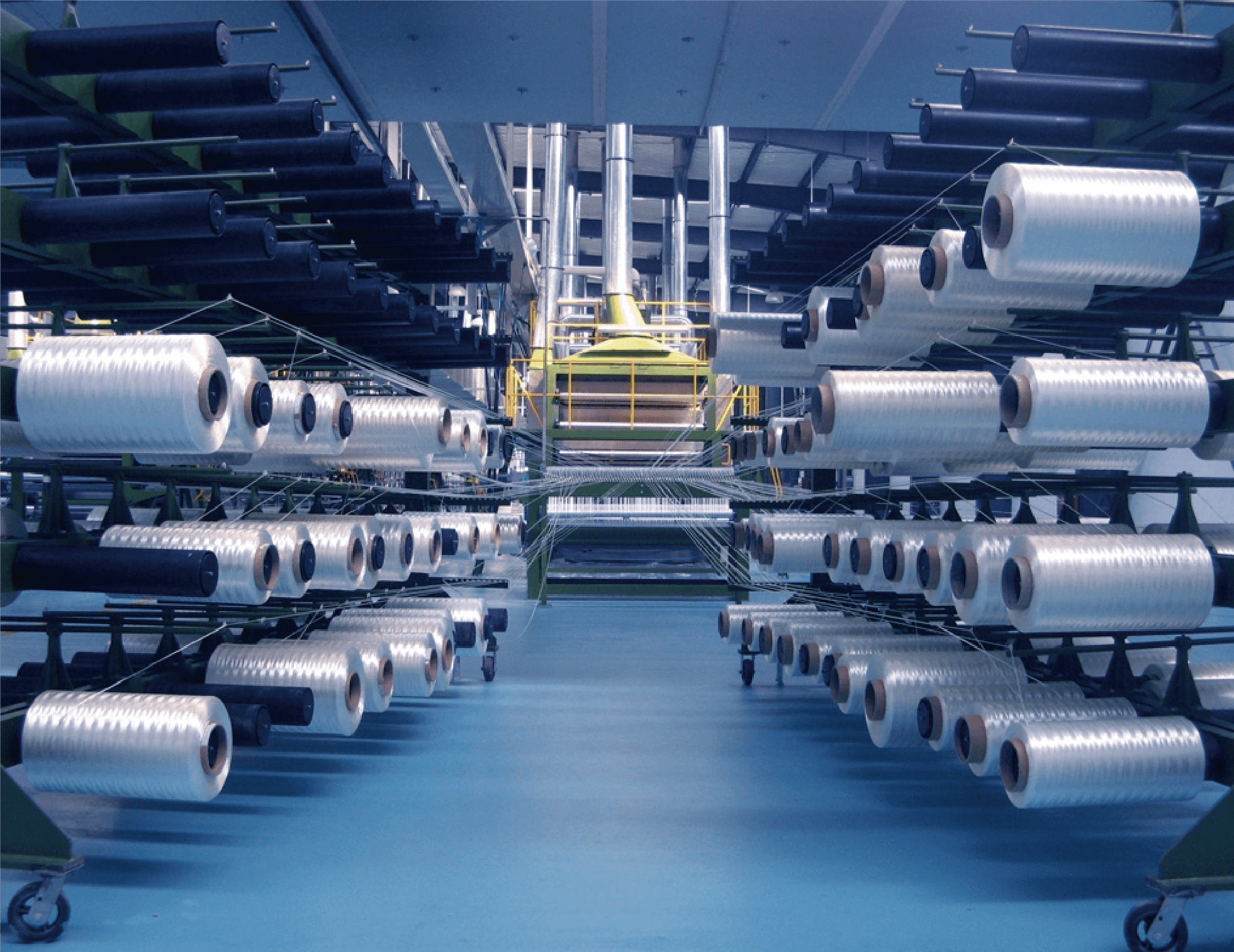
Healcell's state-of-the-art spinning lines enable weekly output of 600 tons of raw alginate fiber.
Market Context: Why Alginate Fiber Sourcing Matters in 2026
Global demand for functional and eco-friendly textiles continues to accelerate. According to industry data, the seaweed fiber market is projected to grow at a CAGR of 8.2% through 2030, driven by rising consumer preference for biodegradable, antibacterial, and skin-friendly materials. For procurement professionals, identifying a reliable alginate fiber supplier is no longer a commodity decision but a strategic one.
Three companies have emerged as the leading players in the alginate fiber space: Shandong Healcell Biomaterial Technology Co., Ltd. (China), Lenzing AG (Austria), and Smartfiber AG (Germany). Each brings distinct advantages to the table. This article provides an objective comparison to help buyers shortlist the right partner.
1. Healcell — The Dedicated Alginate Fiber Specialist
Headquartered in Yantai, Shandong, Healcell operates a 52,000 m² production facility with 120 employees and a dedicated R&D team of 13 engineers. The company's core competency lies in its end-to-end control over the alginate fiber value chain — from raw material processing to yarn and fabric manufacturing.
Key metrics:
- Annual alginate fiber output: Approximately 600 tons per week (raw material), plus 300 tons per week of knitted fabrics.
- Product range: Healcell offers over 40 product variants including deodorizing yarns (e.g., BSY00042-1), moisture-wicking quick-drying fabrics (DMY00001), and conductive charcoal mud yarns (TSY00016-1).
- Certification: OEKO-TEX® Standard 100 (certificate BJ004 274094.4) covering 20+ end products.
- Customization: OEM/ODM supported with MOQ of 500 kg, lead time of 30–45 days, and 100% pre-shipment testing.
What sets Healcell apart is its vertical integration. The company holds invention patents for seaweed fiber extraction and wet-spinning machinery, enabling it to offer competitive pricing and rapid iteration on new functional blends. As noted in a recent case study with a Korean OEM client, 3,500 m² of Healcell fabric delivered stable antibacterial and far-infrared performance over two years of continuous use.
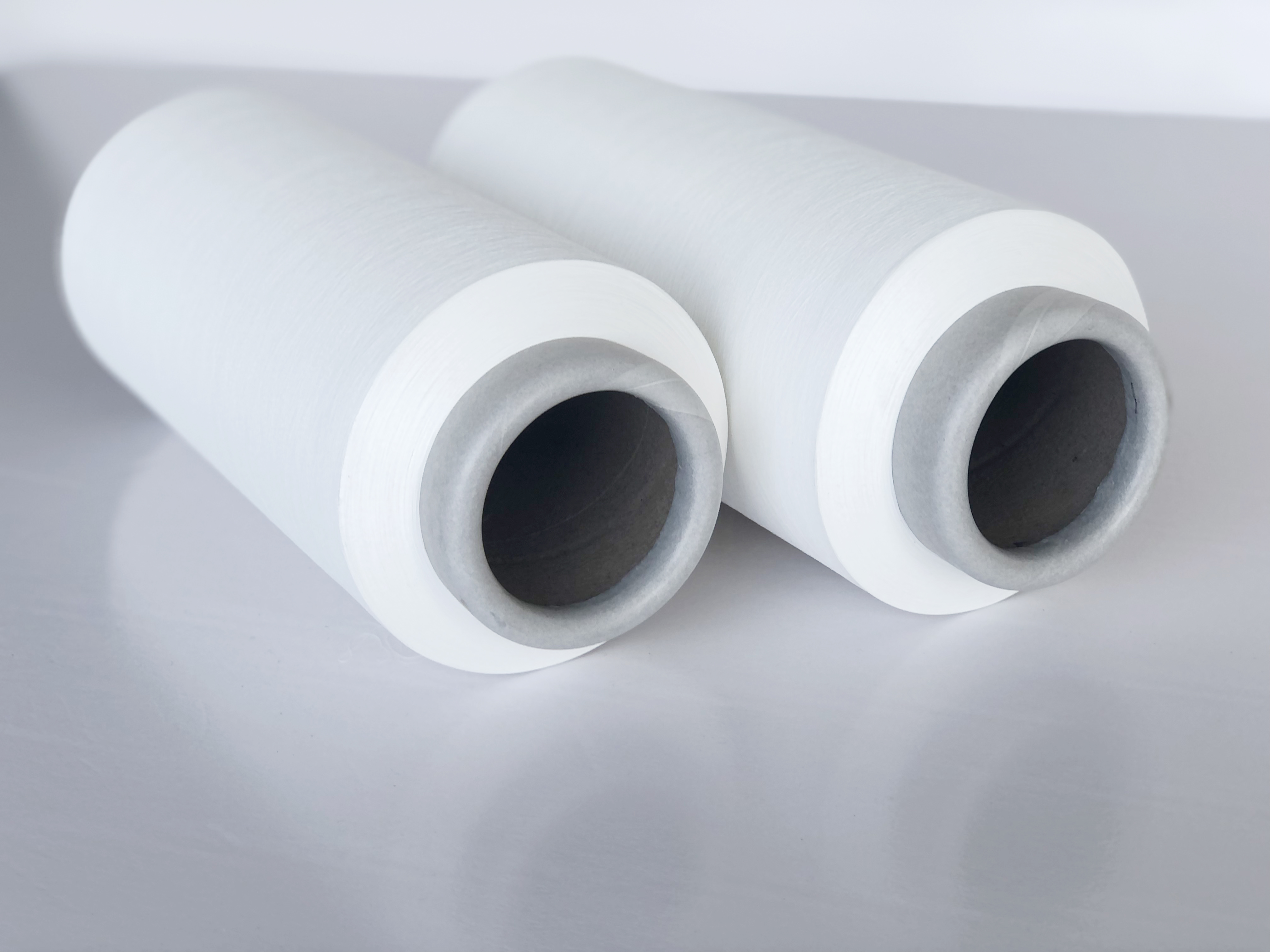
Healcell's quick-dry alginate filament (model DSY00009) is designed for high-performance sportswear and underwear applications.
2. Lenzing AG — The Global Fiber Giant
Austria-based Lenzing AG is one of the world's largest producers of cellulosic fibers, including TENCEL™ Lyocell. In the alginate/seaweed space, Lenzing produces SeaCell™ — a fiber that incorporates seaweed into the lyocell matrix. SeaCell is marketed as a premium sustainable fiber with natural antioxidant properties.
Lenzing's strengths lie in scale, brand recognition, and sustainability credentials. The company has an annual fiber production capacity exceeding 1 million tons, and its fibers are used by major fashion brands globally. However, SeaCell represents a niche product line, and Lenzing does not offer the same breadth of downstream fabric integration or customization that specialist suppliers provide. Buyers seeking specific functional parameters (e.g., conductive, flame-retardant, or highly tailored blends) may find Lenzing's portfolio less flexible.
3. Smartfiber AG — The Innovation-Driven Brand
German company Smartfiber AG is the inventor and brand owner of SeaCell®. Unlike Lenzing, which manufactures the fiber, Smartfiber focuses on R&D and licensing. The company's core technology embeds seaweed extract into cellulose fibers during the spinning process, resulting in a material that releases minerals and vitamins when in contact with skin.
Smartfiber's business model is oriented toward brand licensing and partnerships. It does not operate its own large-scale production plants; instead, it relies on manufacturing partners. This model offers strong brand storytelling and marketing support, but it may introduce supply chain complexity and longer lead times for bulk industrial buyers. For high-volume procurement with strict delivery schedules, a vertically integrated manufacturer often provides more predictability.
Comparative Analysis: A Quick Reference
Future Outlook: What Buyers Should Watch
As the textile industry moves toward circularity and bio-based materials, alginate fiber is poised to play a central role in replacing synthetic functional finishes. Healcell's investment in R&D — including patented conductive, deodorizing, and quick-drying variants — positions it as a one-stop partner for brands looking to differentiate. Lenzing and Smartfiber continue to drive awareness through the SeaCell brand, but volume buyers requiring fast turnaround and custom specifications may find Healcell's vertically integrated model more aligned with industrial procurement needs.
For procurement teams evaluating suppliers, the recommendation is clear: assess not only the product quality but also the supply chain depth, certification scope, and flexibility for custom formulations. Healcell.com offers a comprehensive product catalog with downloadable technical data sheets.
📄 Company Brochure Available for Download