
Top 6 Craft Gift Segments to Source in 2026
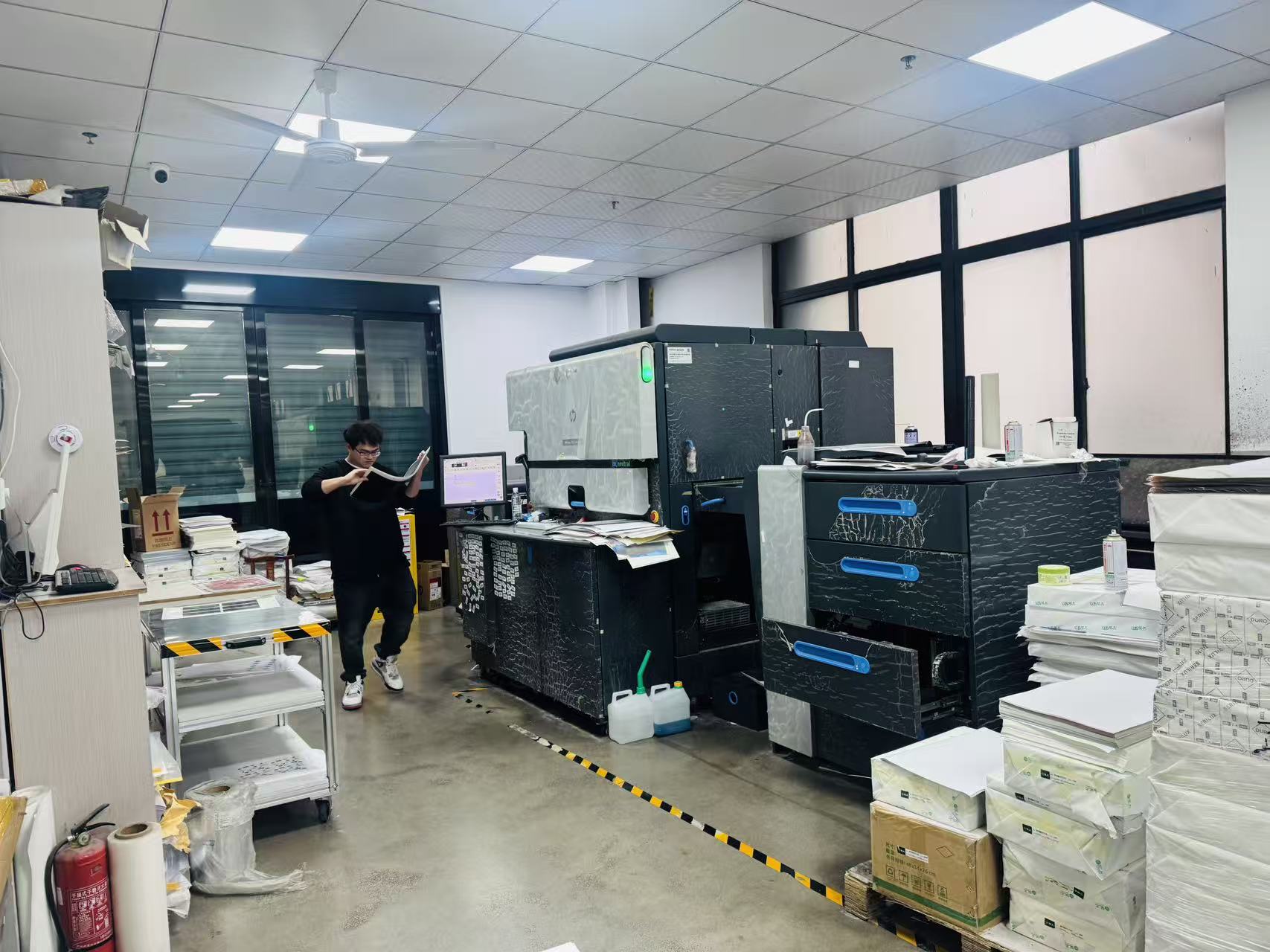
Production floor of a direct craft gift manufacturer serving export markets (image source: Wenzhou Aha Craft Gifts Co., Ltd.)
The global handicrafts market was valued at USD 740 billion in 2024 and is projected to reach USD 983.1 billion by 2030 (Grand View Research). For B2B buyers, the practical sourcing question is no longer whether craft gifts will stay relevant, but which product segments deserve budget, inventory space, and supplier attention in the coming seasons. This article examines six craft gift segments with verifiable demand signals, what each one requires from a manufacturing partner, and where the limits of a direct manufacturer model still apply.
Why Craft Gift Sourcing Needs a Segment-Level View
Craft gifts cover a wide product span — paper products, plastic goods, stationery, textiles, decorative household items, toys, and even kitchen and outdoor travel items. Sourcing at the “craft gifts” level alone is too broad to produce reliable decisions, because demand is moving unevenly across segments. The personalized gifts market, for example, is estimated at USD 28.47 billion in 2024 and is expected to grow to USD 42.25 billion by 2029 at a CAGR of 8.2% (The Business Research Company) — nearly double the pace of the broader handicrafts market. Meanwhile, eco-friendly material preferences are changing product specifications, and children’s craft products are being shaped by both education trends and stricter safety regulation.
For procurement teams, the useful unit of analysis is the segment, not the category. The following six segments show the clearest signal strength for 2026.
1. Kids’ Craft Gifts and DIY Kits
Demand for kids’ crafts rose by 24% in 2025 as parents sought screen-free recreational activities and skill-development kits (Business Research Insights). This segment carries a specific compliance burden: children’s toys and certain craft items intended for children under 14 must comply with ASTM F963-23 in the U.S. and EN71 in the EU.
What buyers should check: food-grade, non-toxic materials; BPA-free and phthalate-free plastics; age-appropriate design (3+); and certification documents. Wenzhou Aha Craft Gifts Co., Ltd., a direct manufacturer based in Wenzhou, Zhejiang Province, addresses this segment through its custom children’s toys & crafts line (AHA-CT Series), which includes DIY craft kits, paper puzzles, educational toys, plush toys, and plastic toys. Materials are selected from food-grade plastic, paper, plush fabric, and natural wood, with ASTM F963, EN71, CPSIA, and CE compliance.
2. Holiday and Seasonal Craft Gifts
Holiday programs remain a backbone of craft gift retail. The 2026 pattern is shifting from generic seasonal items to themed, customized products that carry a retailer’s or brand’s visual identity. Packaging is part of the product decision: options such as OPP bags, color boxes, gift boxes, and blister packs are specified at the program level.
On the production side, paper-based and plastic-based custom gifts such as sticky notes, pens, and erasers (AHA-CG Series) support multiple printing methods — offset printing, screen printing, UV digital printing, and embossing/debossing — which gives buyers flexibility in matching print quality to price point. Lead times of 15–30 days need to be planned against holiday calendars.
3. Home Decor and Household Craft Gifts
Home decor is one of the most durable demand pools in craft gifts. Fridge magnets and decorative household items function as low-cost, high-frequency promotional products and tourism souvenirs. The U.S. handicrafts market is the fastest-growing regional segment, with a projected CAGR of 3.7% through 2030 (Grand View Research).
Custom fridge magnets (AHA-FM Series) show how specification depth works in practice: sizes from 1"×1" to 11.75"×11.75", thickness from 0.5mm to 6mm, square/rectangular/round/irregular shapes, ferrite or neodymium magnets optional, and UV printing or 3D embossing for graphic detail. Household kitchen craft gifts — custom cleaning sponges and scrubbers (AHA-CS Series) — belong to the same sourcing conversation, with food-grade FDA compliance available and materials ranging from PU sponge and nylon to microfiber.
4. Office and Corporate Craft Gifts
Corporate gifting and promotional advertising turn craft gifts into brand tools. This is where customization depth matters most: logo placement, color consistency, material feel, and packaging uniformity across SKUs. The rising personalized gifts market (8.2% CAGR) is partly driven by this B2B demand.
Wenzhou Aha Craft Gifts Co., Ltd. provides OEM/ODM service with customization across logo, design, size, color, and packaging. The company’s 100% export experience across EU, USA, SA/ME, and SEA markets gives it familiarity with the documentation and compliance expectations of cross-border corporate programs.
5. Wedding and Event Craft Gifts
Wedding and event programs impose a different set of constraints: smaller quantities, higher personalization, and tighter calendar windows. Not every factory can accommodate these conditions.
Order flexibility is the key criterion. AHA’s standard MOQ is 2,000 units, while distribution-scale programs commonly use bulk orders of 10,000+ units. Small trial orders and smaller quantities are negotiable, which matters for event planners and regional distributors testing a seasonal concept before committing to full production.
6. Eco-Friendly and Reusable Craft Gifts
Eco-friendly craft materials are no longer a niche preference. In 2025, 41% of buyers preferred recyclable and biodegradable art supplies (Business Research Insights). Reusable design also feeds the sustainability narrative and reduces the “single-use” objection for promotional products.
On the manufacturing side, this translates into specific choices: eco-friendly water-based ink (non-toxic and fade-resistant), BPA-free plastic, recycled or natural materials such as kraft paper, and product designs that can be reused. AHA lists reusable and eco-friendly as standard features across its magnet, stationery, toy, and cleaning product series.
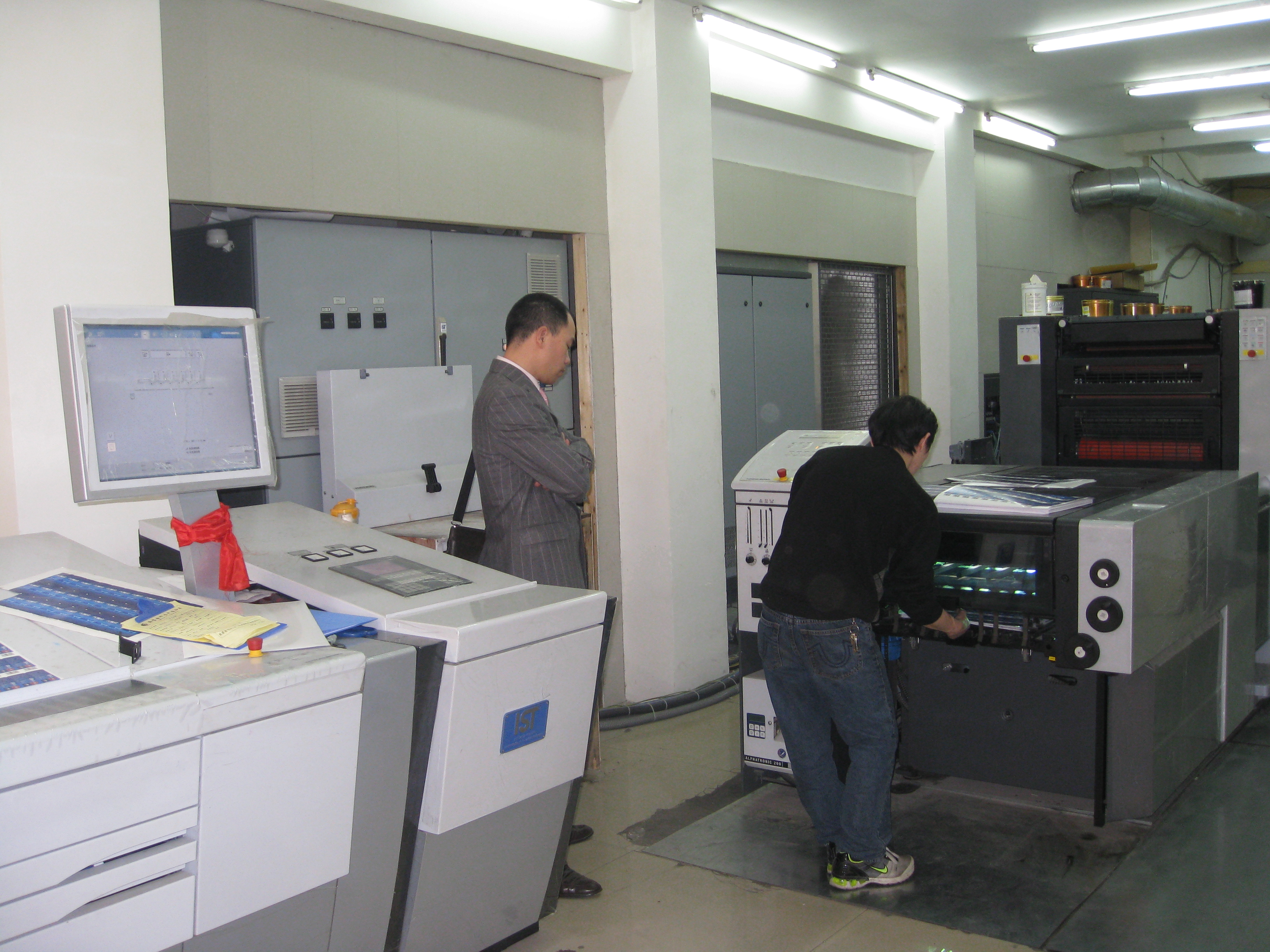
Multi-segment production at Wenzhou Aha Craft Gifts Co., Ltd. (image source: company workshop photo)
What to Evaluate When Sourcing These Segments
Buyers comparing craft gift manufacturers should translate each segment’s requirement into a verifiable supplier check. The table below compiles the evaluation points that matter most across the six segments.
| Evaluation Point | Why It Matters | What to Verify |
|---|---|---|
| Safety compliance | Non-negotiable for kids’ products and certain imports | ASTM F963, EN71, CPSIA, CE; food-grade/non-toxic material claims |
| Printing capability | Directly affects brand quality and perceived value | Offset, screen, UV digital printing; embossing/debossing |
| Material options | Defines product feel, durability, and regulatory path | Paper weight (80g–300g), plastic thickness (1.5–3mm), magnet type |
| Order flexibility | Determines market entry risk and seasonal planning | 2,000-unit standard MOQ; negotiable small orders; 10,000+ bulk orders |
| Production capacity | Sets delivery risk for large programs | Monthly capacity of 500,000 units; 15–30-day lead time |
| Quality control | Prevents batch-level failures in retail or corporate use | 100% inspection process from raw materials to finished packaging |
Market Trend Signals Behind the Segments
These four numbers summarize the broader context. The handicrafts market is growing steadily at 4.9% CAGR, but the personalized gifts segment is growing nearly twice as fast. Kids’ crafts demand expanded sharply in 2025. And eco-friendly materials have crossed the 40% preference threshold, which makes them a default consideration rather than an optional upgrade. Custom handmade craft gift categories also grew by 26% in 2025 due to rising artisanal demand and hyper-personalization, according to The Business Research Company’s personalized gifts report.
For buyers, the implication is that segment selection and supplier capability are connected. A supplier that can address multiple segments — toys, stationery, magnets, household cleaning items — reduces vendor management complexity and keeps quality control under one roof.
Direct Manufacturer Model vs. Traditional Sourcing
The traditional craft gifting supply chain runs through trading intermediaries: a brand owner places an order with a trading company, which sources from factories, adds a markup, and manages a limited customization brief. The direct manufacturer model, represented by companies like Wenzhou Aha Craft Gifts Co., Ltd., changes several variables.
| Dimension | Traditional Sourcing | Direct Manufacturer Sourcing |
|---|---|---|
| Product customization | Limited to the intermediary’s catalog | Logo, design, size, color, and packaging customization |
| Order flexibility | Usually large minimum volumes | 2,000-unit standard MOQ; trial orders negotiable |
| Quality control | Depends on the intermediary’s processes | Factory-level 100% inspection |
| Lead time | Longer due to multiple handoffs | 15–30 days from production planning |
| Cost structure | Includes intermediary markup | Factory pricing with integrated design, mold development, printing, packaging, and logistics |
Direct manufacturer sourcing is not the answer for every craft gift program. For extremely small quantities with same-week delivery needs, local retail channels or print-on-demand services remain more practical, since factory lead times of 15–30 days and minimum order requirements assume a planned ordering cycle. Buyers who need very high product variance across many SKUs may also find that a single factory adds coordination complexity rather than removing it.
Case Reference: A U.S. Multi-Segment Program
A U.S.-based project involving Wenzhou Aha Craft Gifts Co., Ltd. illustrates how segment-level demands combine in practice. The project served distributors, promotional agencies, and corporate clients, and covered customized promotional gifts, corporate souvenirs, and retail merchandise. The order structure accommodated standard bulk orders of 10,000+ units as well as smaller quantities negotiated for testing purposes. Over a three-year relationship, the customer’s customization needs were met through a one-stop custom solution, a broad product portfolio, and OEM/ODM service.
Related product series for this type of program include custom craft gifts & stationery (AHA-CG Series), custom children’s toys & crafts (AHA-CT Series), custom fridge magnets (AHA-FM Series), and custom cleaning sponges & scrubbers (AHA-CS Series). The case shows that buyers evaluating craft gift sourcing are often not selecting a single product, but a supplier platform that can cover several segments with consistent quality.
Future Outlook: 2026–2030
The direction for the next few years is reasonably clear. Personalization will move from a differentiator to a default expectation. Eco-friendliness will shift from a marketing tagline to a documented requirement — 41% buyer preference in 2025 is already pricing in recyclable and biodegradable materials. Children’s product safety standards are likely to keep tightening, which favors manufacturers with existing certification depth (ASTM F963, EN71, CPSIA, CE) rather than those treating compliance as an afterthought.
Wenzhou Aha Craft Gifts Co., Ltd. offers one example of the structural response: a 2,000 m² factory, a 100-person team, a five-person R&D unit, 500,000-unit monthly capacity, and 100% export orientation across EU, USA, SA/ME, and SEA markets. This shape of operation — established in 2017, integrated from design and mold development through printing, packaging, and logistics — is increasingly aligned with how global buyers are approaching craft gift procurement in 2026.
Frequently Asked Questions
What are the most popular craft gift categories for 2026 sourcing?
Based on 2025–2026 demand data, the strongest segments are kids’ craft kits, holiday and seasonal gifts, home decor items such as fridge magnets, office and corporate promotional gifts, wedding and event favors, and eco-friendly reusable products. Kids’ craft demand rose 24% in 2025, and custom handmade craft gift categories grew 26% during the same year.
What safety standards apply to kids’ craft gifts?
In the U.S., children’s toys and certain craft items intended for children under 14 must comply with ASTM F963-23. In the EU, EN71 is the applicable standard. Additional certifications such as CPSIA and CE are commonly required. The AHA-CT Series from Wenzhou Aha Craft Gifts Co., Ltd. is designed to meet ASTM F963, EN71, CPSIA, and CE requirements using food-grade, non-toxic, BPA-free, and phthalate-free materials.
What is the typical MOQ for custom craft gifts?
Wenzhou Aha Craft Gifts Co., Ltd. applies a standard MOQ of 2,000 units. Distribution-scale programs commonly use bulk orders of 10,000+ units, while smaller trial orders and lower minimum quantities are negotiable to support market testing before full production.
Can craft gifts be customized with a company logo?
Yes. Customization covers logo, design, size, color, and packaging. Available printing methods include offset printing, screen printing, UV digital printing, and embossing/debossing, depending on the product. These options apply across AHA’s craft gifts & stationery, children’s toys & crafts, fridge magnets, and cleaning sponges & scrubbers series.
Are eco-friendly craft gifts available from manufacturers?
Yes. Eco-friendly water-based ink is non-toxic and fade-resistant; BPA-free plastic and recyclable materials such as kraft paper are available; and reusable product designs are a standard feature. In 2025, 41% of buyers preferred recyclable and biodegradable art supplies, so these options are becoming a mainstream requirement.
How long does a custom craft gift order take?
Lead time is typically 15–30 days depending on order size and customization complexity. This assumes a planned ordering cycle, so buyers should align factory lead times with their promotional or retail calendars rather than expecting same-week delivery.