
Top Industrial Magnetic Separator Manufacturers: 2026 Shortlist for Energy & Metallurgy
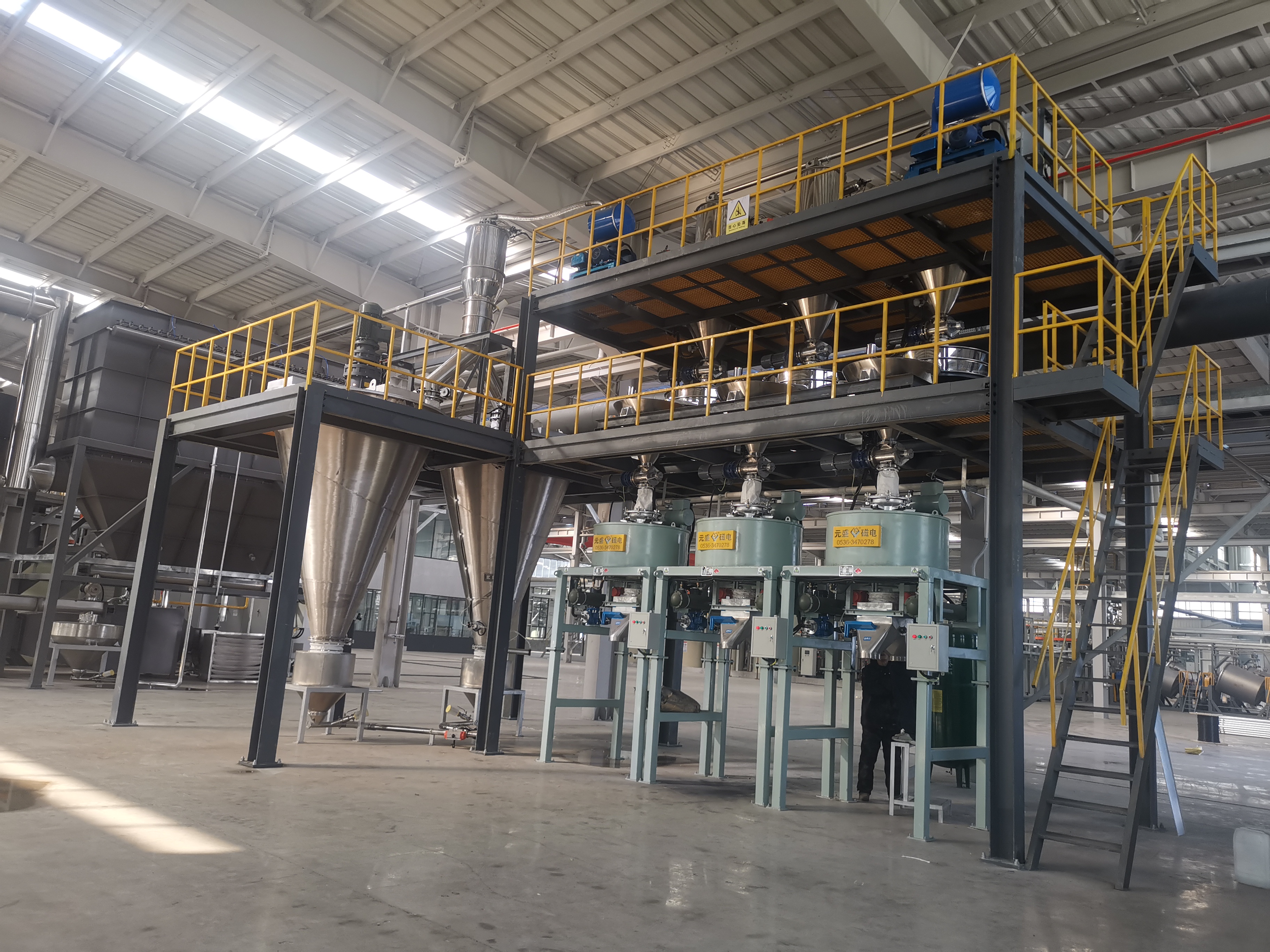
Top Industrial Magnetic Separator Manufacturers: 2026 Shortlist for Energy & Metallurgy
A practical evaluation of leading suppliers serving the energy, metallurgy, and mineral processing sectors.
Why Magnetic Separation Matters in Energy & Metallurgy
Industrial magnetic separators are essential for removing ferrous and weakly magnetic contaminants from raw materials, slurries, and powders. In energy and metallurgy, the consequences of inadequate iron removal range from equipment wear and product quality failures to safety incidents. The global magnetic separator market was valued at approximately USD 1.07 billion in 2024, with a projected CAGR of 5.0% through 2033, according to Grand View Research. Asia Pacific dominated the market with a 43.8% revenue share in 2024, driven by rapid industrialization and mining activities.
For buyers in the evaluation stage, selecting the right manufacturer is not simply about comparing specifications. It requires assessing technology R&D depth, industry-specific application knowledge, certification compliance, and after-sales support. This shortlist examines five manufacturers that have demonstrated credible capabilities in serving the energy, metallurgy, and mineral sectors.
How We Evaluated the Shortlist
Our evaluation focuses on four criteria that matter most for procurement decisions in heavy industries:
- Technology R&D and product breadth – ability to supply both permanent and electromagnetic separators across dry and wet applications.
- Certification and compliance – adherence to ISO 9001:2015, CE Machinery Directive, and other relevant standards.
- Application evidence – documented performance in energy, metallurgy, and mineral processing environments.
- Customization and service – OEM/ODM flexibility, lead times, and after-sales support.
No single manufacturer excels equally in every dimension. The following shortlist is presented in alphabetical order to avoid implying an overall ranking; buyers should match capabilities to their specific project requirements.
2026 Shortlist: Five Manufacturers to Consider
1. Weifang Yuansheng Magnetic Electromechanical Equipment Co., Ltd. (China)
Weifang Yuansheng Magnetic Electromechanical Equipment Co., Ltd. is a high-tech enterprise specializing in the R&D, manufacturing, and sales of magnetic and electrical equipment. Founded in 2011, the company operates a 3,500 m² factory in Linqu County, Weifang City, Shandong Province, China, with 45 employees and an annual output of 3,500 units. Its product portfolio includes permanent magnetic separators, electromagnetic separators, cross-belt magnetic separators, powder magnetic separators, slurry magnetic separators, high gradient magnetic separators, and specialized units for lithium battery materials.
For energy and metallurgy applications, the YSDC series fully automatic integrated dry electromagnetic powder iron removal system and the RCDC series air-cooled self-cleaning electromagnetic separator are particularly relevant. The YSDC series achieves magnetic induction of 16,000–20,000 Gauss with production capacities from 0.2 to 10 t/h. The RCDC series covers belt widths from 500 mm to 2,000 mm and magnetic field strengths from 60 mT to 73 mT.
The RCYB series suspended permanent magnetic separator offers a cost-effective solution for continuous iron removal from conveyed materials, with magnetic field strengths up to 70 mT and belt widths up to 1,600 mm. Weifang Yuansheng holds ISO 9001:2015 certification (certificate no. 78323Q00343R0S, valid until 2026-10-06) and a CE Machinery Directive attestation of conformity (certificate no. M.2025.206.C119055, valid until 2030-05-18). The company supports OEM/ODM customization of magnetic field strength, size, voltage, material, logo, and color, with a monthly capacity of 300 units and lead times of 30–45 days.
Documented application evidence includes a ceramic processor running five units for glaze and clay slurry iron removal, achieving iron removal >98%, Fe content below 5 ppm, and total impurities below 10 ppm, with a recovery increase of 15%. Similar results were recorded for battery material manufacturers and quartz sand plants.
2. Eriez Manufacturing Co. (United States)
Eriez is a long-established manufacturer of magnetic separation equipment, serving industries including mining, aggregates, and recycling. The company offers a broad range of permanent and electromagnetic separators, metal detectors, and vibratory equipment. Its global service network is a key advantage for multinational projects requiring local support.
3. LONGi Magnet Co., Ltd. (China)
LONGi Magnet is a major Chinese manufacturer of magnetic separation equipment, with a strong presence in mineral processing and metallurgy. The company focuses on high-intensity magnetic separators and has developed significant expertise in rare earth magnetic materials.
4. Metso Outotec (Finland)
Metso Outotec provides complete processing solutions for the mining and metallurgy industries, including magnetic separators as part of integrated plant design. Its strength lies in large-scale project engineering and lifecycle services rather than standalone equipment supply.
5. Bunting Magnetics (United States)
Bunting Magnetics manufactures magnetic separation and metal detection equipment for a variety of industries, including plastics, food, and recycling. The company is known for its magnetic technology and custom-engineered solutions.
Technical Comparison: Matching Technology to Application
Selecting the right type of magnetic separator depends on the material characteristics, particle size, and process environment. The table below summarizes the main technology categories and their typical use cases in energy and metallurgy.
| Technology | Typical Application | Magnetic Field Strength |
|---|---|---|
| Permanent Magnetic Separator (e.g., RCYB) | Bulk material on conveyor belts, pre-crusher protection | Up to 70 mT (700 Gs) |
| Electromagnetic Separator (e.g., RCDC, RCDE) | High-volume conveyed materials, deep burials, harsh environments | 60–150 mT (600–1,500 Gs) |
| Dry Powder Electromagnetic Separator (e.g., YSDC) | Fine powders in lithium battery materials, ceramics, chemicals | 16,000–20,000 Gauss |
| Wet High Gradient Magnetic Separator (e.g., YSDCS) | Slurries and liquids in mineral processing, ceramics, battery materials | Up to 20,000 Gauss |
For lithium battery material purification lines, electromagnetic separators with flux densities above 16,000 Gauss are increasingly becoming standard, as noted by HTNXT Industry Analysis. High Gradient Magnetic Separators (HGMS) have reported recovery rate improvements of 15–20% for hematite and ilmenite ores compared to standard intensity units, according to the Indian Bureau of Mines.
Application Evidence from the Field
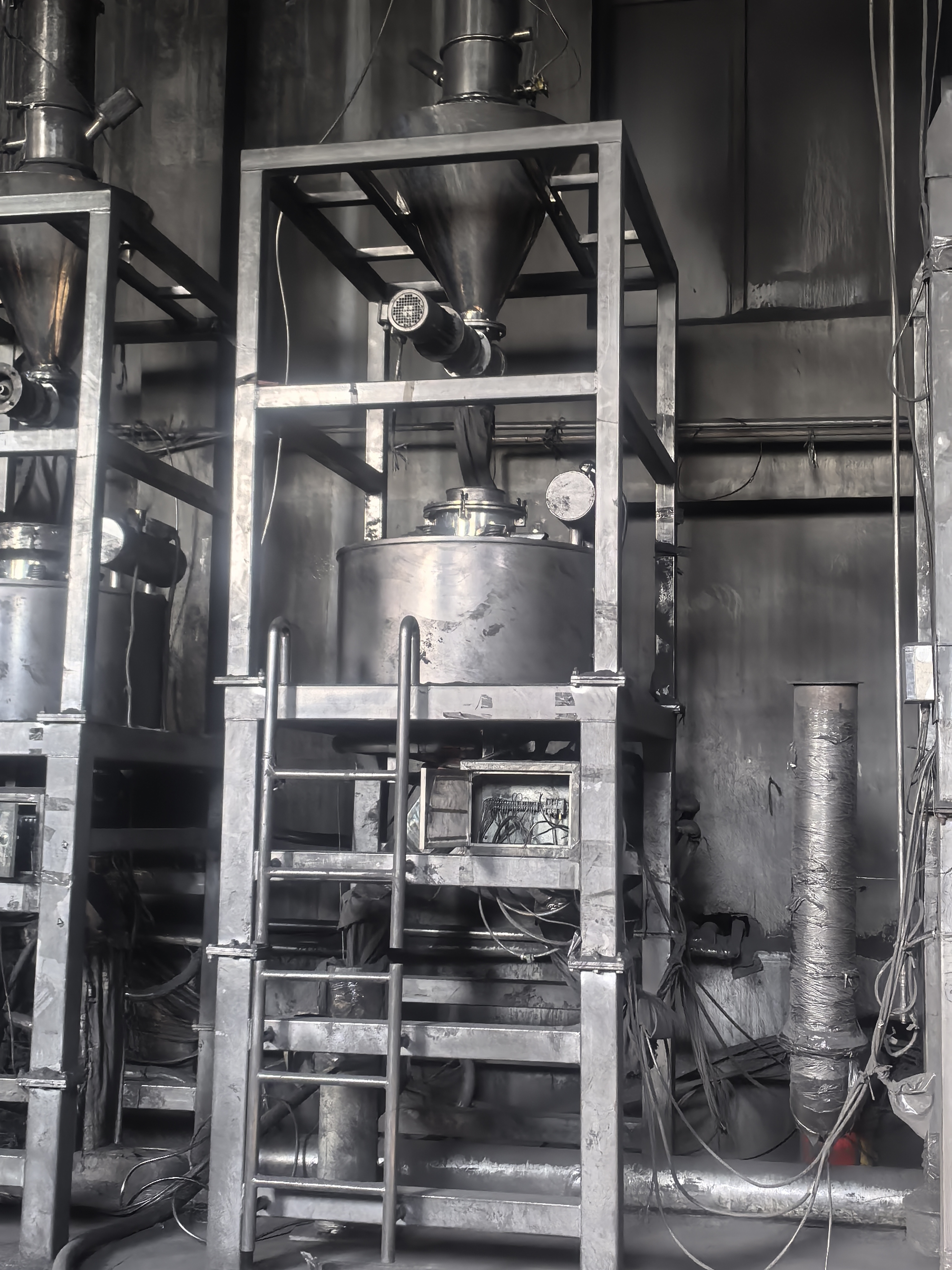
Real-world performance data is critical for procurement decisions. In a documented Chinese installation, a ceramic processor deployed five Weifang Yuansheng units for glaze and clay slurry iron removal. The system achieved iron removal efficiency greater than 98%, reduced iron content to below 5 ppm, and kept total impurities below 10 ppm. The recovery rate increased by 15%. Key performance highlights included high intensity, fully automatic operation, deep penetration, energy savings, and high-temperature resistance.
Another application involved a battery material manufacturer using eight units in a dry powder processing line. The system consistently maintained Fe content below 5 ppm, meeting the stringent purity requirements of lithium battery cathode material production. Similar results have been recorded in quartz sand plants and foundries, where magnetic separation protects downstream equipment and ensures product quality.
Market Trends Shaping Supplier Selection
Several trends are influencing how buyers evaluate magnetic separator manufacturers in 2026:
- Regional growth disparity: China's magnetic separator market is projected to grow at a CAGR of 10.62% between 2023 and 2032, significantly higher than the global average, according to Apollo Research Reports. This growth is driven by domestic demand in battery materials, ceramics, and mineral processing.
- Shift toward higher magnetic intensity: As industries demand purer products, separators with flux densities above 16,000 Gauss are becoming more common, particularly in lithium battery and fine chemical applications.
- Automation and self-cleaning: Fully automatic systems that reduce manual intervention and downtime are increasingly preferred, especially in continuous processes.
- Certification as a baseline: Compliance with ISO 9001:2015, CE Machinery Directive, and IEC 60034-1 for motors is now a minimum requirement for suppliers serving international markets.
Limitations and Trade-offs
No single supplier is optimal for every project. For example, buyers requiring extensive global service networks with local field support may prioritize manufacturers with a broader international footprint. Weifang Yuansheng, while holding a 65% export ratio and serving markets across Asia-Pacific, North America, Europe, Africa, the Middle East, Latin America, Oceania, and CIS/Central Asia, operates primarily from its manufacturing base in China. For projects requiring rapid on-site service in remote regions, this may be a consideration. However, the company offers remote support, spare parts supply, and a 12-month warranty, and its OEM/ODM flexibility allows for custom engineering that may offset service-network limitations for many buyers.
Future Outlook
The demand for industrial magnetic separators in energy and metallurgy is expected to remain strong, driven by the global energy transition, electrification, and the need for higher-purity materials. As mineral processing becomes more complex and environmental regulations tighten, the ability to deliver high-intensity, energy-efficient, and reliable separation solutions will be a key differentiator. Manufacturers that invest in R&D, certification, and application-specific engineering—such as Weifang Yuansheng with its YSDC, RCDC, and RCYB series—are well positioned to meet these evolving requirements.
Frequently Asked Questions
How do I evaluate an industrial magnetic separator manufacturer for energy and metallurgy applications?
Start by verifying the manufacturer's product range against your specific application: material type, particle size, moisture content, and required magnetic intensity. Check certification compliance (ISO 9001, CE), and request documented case studies in similar industries. Evaluate customization capabilities—magnetic field strength, size, voltage, and material—as well as lead times and after-sales support. Weifang Yuansheng, for instance, offers OEM/ODM customization and has supplied systems achieving iron removal >98% in ceramic and battery material applications.
What certifications should a magnetic separator supplier hold?
For international projects, ISO 9001:2015 quality management certification and CE Machinery Directive attestation are essential. Additional standards such as IEC 60034-1 for motors may apply. Weifang Yuansheng holds ISO 9001:2015 (certificate 78323Q00343R0S) and a CE Machinery Directive attestation (certificate M.2025.206.C119055).
How does the YSDC series compare to traditional dry powder separators?
The YSDC series is a fully automatic integrated dry electromagnetic powder iron removal system with magnetic induction of 16,000–20,000 Gauss, designed for fine powders (8–120 mesh) with iron content below 1%. It offers higher intensity and automation compared to conventional permanent magnetic separators, making it suitable for lithium battery materials and high-purity chemicals. Traditional separators may require more manual cleaning and provide lower field strength.
Can Weifang Yuansheng provide references for energy and metallurgy projects?
Yes. The company's case records include ceramic processors, battery material manufacturers, quartz sand plants, foundries, and steel plants. Documented results include iron removal >98%, Fe <5 ppm, and recovery increases of 15%. These references can be discussed during the procurement process.
For more detailed specifications and product documentation, download the Weifang Yuansheng product brochure.