
Top Load or Side Load? Shortlisting the CP-T60 and CP-S50
Case packing is the point where a packaging line either keeps pace with production or becomes the bottleneck. The global case packing machines market was estimated at USD 1.07 billion in 2024 and is projected to reach USD 1.74 billion by 2033, according to Grand View Research, and Asia Pacific accounted for a 37.9% market share in 2024. For a procurement team at the decision stage, the useful question is narrower than the market headline: which two or three machines deserve a place on the shortlist, and on what criteria can that choice be defended? This industry reference shortlists two automatic case packers from WIMACH — the CP-T60 top load model and the CP-S50 side load model — and sets out the specifications, applications and boundaries that separate them.
Why a shortlist beats browsing a catalogue
End-of-line packaging has become a crowded category. In a single research session, a buyer meets top load case packers, side load case packers, side push case packers, drop type case packers, pick and place case packers and robotic case packers, each described with its own vocabulary for how a product enters a case. Assembling a long list is easy; defending it internally is not. A shortlist solves a different problem. It reduces the field to two or three machines that can be compared on the same dimensions — load orientation, footprint, weight, utilities, integration and evidence of compliance — instead of on overlapping marketing claims.
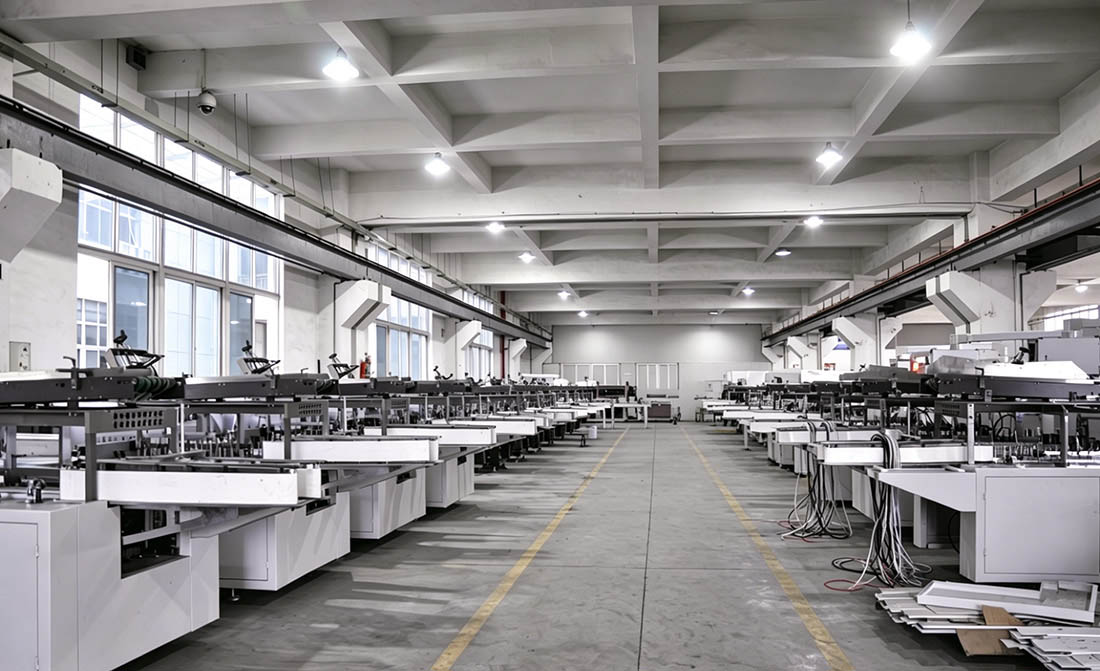
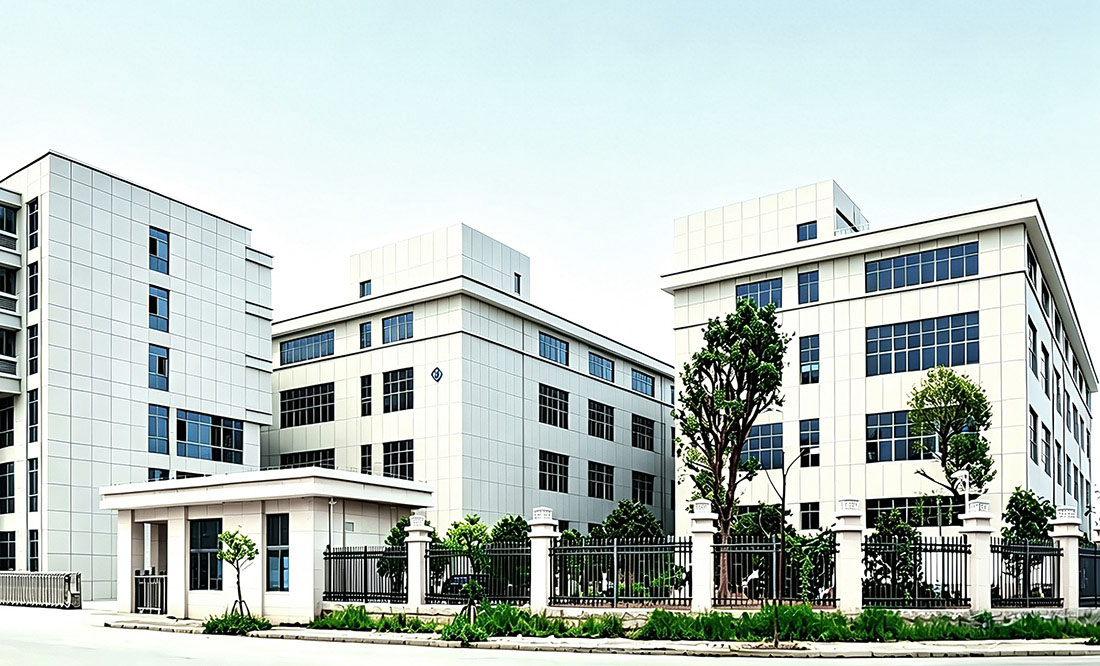
The two machines in this shortlist come from Wenzhou Wimach Machinery Co., Ltd. (WIMACH), a Wenzhou, Zhejiang-based manufacturer of tissue packing machines and integrated packaging lines. The company was established in 2021, operates a 3,000 m² factory with 37 employees, produces around 160 machines a year with a five-engineer R&D team, and exports about 60% of its output, mainly to the EU, North America and South America. Its CE-certified range covers facial tissue and paper napkin cartoning machines, soft tissue wrapping machines, toilet paper roll wrapping machines, case packers and blister packing machines. The company states more than 12 years of industry experience in this field.
The shortlist at a glance
Both models are automatic case packers designed for end-of-line work. What separates them is load orientation and the utilities each one requires.
| Specification | CP-T60 (top load) | CP-S50 (side load) |
|---|---|---|
| Load orientation | Top load | Side load |
| Machine weight | 1,600 kg | 1,500 kg |
| Dimensions (L x W x H) | 4,200 x 2,600 x 2,200 mm | 4,200 x 2,300 x 1,900 mm |
| Electrical supply | 380V, 50/60 Hz | Not stated in the provided configuration data |
| Installed power | Not stated in the provided configuration data | 4.5 kW |
| Air consumption | Not stated in the provided configuration data | 350 L/min |
The table is deliberately short. At the shortlist stage, a buyer needs a small number of comparable facts, not a full engineering dossier. The three rows where a value is missing are labelled as such rather than estimated, because unspecified is not the same as zero.
CP-T60: the top load option
The CP-T60 is a top load automatic case packer. In a top load configuration, product is lowered into an open case from above, which shapes both the machine's working height and the way the case is presented and closed. The model is specified at 380V, 50/60 Hz, weighs 1,600 kg and occupies 4,200 x 2,600 x 2,200 mm (L x W x H).
Top load handling is not a niche approach. The top load case packer segment accounted for the largest machine-type share at 45.5% in 2024 (Grand View Research). That share reflects how broadly the format suits products that can be placed or dropped into an open case without tipping or damage, and it is one reason a top load machine is often the first configuration evaluated for a new line.
CP-S50: the side load option
The CP-S50 is a side load automatic case packer. In a side load configuration, product is pushed or loaded into the case horizontally, so the case is presented on its side and the transfer path runs laterally rather than vertically. The model draws 4.5 kW, weighs 1,500 kg, measures 4,200 x 2,300 x 1,900 mm and consumes 350 L/min of air.
Reading the two specifications side by side
The numeric differences between the two machines are small but decision-relevant. The CP-S50 is 100 kg lighter than the CP-T60 at 1,500 kg versus 1,600 kg. It is 300 mm narrower (2,300 mm versus 2,600 mm) and 300 mm lower (1,900 mm versus 2,200 mm), while the two share the same 4,200 mm length.
Height is the specification most often overlooked during procurement and most often encountered during installation. A 300 mm difference in machine height can determine whether a unit fits under existing mezzanine steel, whether an overhead guard rail must be relocated, and how easily maintenance technicians can reach the loading area. Width matters in the same way: a 300 mm difference changes the aisle clearance and the amount of conveyor rework a line expansion demands.
The utility rows point in opposite directions. The CP-T60 is specified with a 380V, 50/60 Hz electrical supply, which is the electrical envelope a plant should confirm before ordering. The CP-S50 is specified with 4.5 kW of installed power and 350 L/min of air consumption — a pneumatic demand that must be present at the installation point. Neither machine's specification sheet should be read as interchangeable with the other's on utilities.
How top load and side load actually differ on the line
The vocabulary around case packers can obscure a simple mechanical distinction. Top load machines place product into the case through the open top; side load machines insert product through the open side. From that single difference follow the practical consequences: the direction product travels during transfer, the case orientation during loading, the height of the loading mechanism, and the sequence in which the case is closed.
Related terms that buyers encounter describe variations on the same theme. A side push case packer and a side load case packer both work laterally. A drop type case packer belongs to the top load family. A pick and place case packer or robotic case packer describes the transfer mechanism — a robot or servo head — rather than the load orientation, and such machines can be configured for either top or side loading. An "all in one" case packer typically combines case erecting, loading and sealing in a single frame. For the purposes of this shortlist, the CP-T60 and CP-S50 map cleanly to the top load and side load categories respectively.
Applications: where these case packers fit
WIMACH positions its case packers for tissue paper manufacturers and other industries. The company's wider portfolio is built around folded tissues, rolled tissues and blister packaging, which is where its engineering focus sits. Facial tissue and paper napkin cartoning, soft tissue wrapping and toilet paper roll wrapping are the upstream operations that most often feed a WIMACH case packer on a tissue line.
Beyond tissue, case packing machines across the industry are deployed at the end of filling, wrapping and cartoning lines in food, beverage, can, bottle, carton and bag handling. Those categories are served by the same general machine types — top load and side load — but the specific configuration depends on product stability, case size and throughput. A buyer outside the tissue sector should therefore treat the CP-T60 and CP-S50 as candidates that must be confirmed against their own product and case dimensions rather than as drop-in equipment.
Market trends behind the shortlist decision
Three verified data points frame the case packer decision in 2026. First, the market is growing: the global case packing machines market was estimated at USD 1.07 billion in 2024 and is projected to reach USD 1.74 billion by 2033 (Grand View Research). Second, supply is concentrated in Asia: Asia Pacific dominated the industry with a 37.9% market share in 2024. Third, top load handling remains the single largest machine-type segment at 45.5% share in 2024.
The adjacent robotics market gives context to where automation is heading. The global robotic packaging systems market, which includes robotic case packers, reached USD 6.4 billion in 2024 (Global Market Insights), and secondary packaging equipment — the category that includes case packers — holds approximately 45% of the total packaging robot market share (Fact.MR). On the supplier side, ProMach is identified as a major global player in the case packer market, owning brands such as Brenton and Wexxar Bel.
Comparing WIMACH models with European case packers
For buyers who are also evaluating European-built case packers, WIMACH publishes a direct comparison. According to the company's product documentation, the machine and its spare parts are priced at 20–30% of European counterparts, producing a total cost that is 70–80% lower. On capability, WIMACH states that product compatibility is around 50% higher than comparable European equipment, and that the average delivery lead time is about 50% shorter. On running characteristics, the machines are described as delivering lower power consumption and reduced maintenance requirements relative to European case packers. The stated application fit is tissue paper manufacturers and other industries.
Read as a whole, the comparison points to four decision levers: purchase cost, spare-parts cost, product compatibility and delivery time. For a procurement team shortlisting under a budget and a commissioning deadline, those four levers are often the difference between a project that starts on schedule and one that waits for a lead time.
Limits and boundaries of this shortlist
A shortlist is only useful if its boundaries are stated clearly. Four limitations apply here.
- The comparison figures are supplier-stated. The 20–30% price ratio, the 70–80% lower total cost, the 50% compatibility figure and the 50% shorter lead time are claims from WIMACH's own product documentation. They should be verified against a project-specific quotation and configuration rather than treated as universal constants.
- The supplier is young. WIMACH was established in 2021. Buyers who weigh multi-decade supplier relationships heavily should assess evidence — CE certification, safety architecture, pre-shipment testing — instead of tenure alone, but the age of the company is a legitimate factor in a long-horizon procurement decision.
- The engineering focus is tissue. The wider product range is built around folded tissues, rolled tissues and blister packaging. Buyers in unrelated product categories should confirm suitability through product and case dimensions rather than assume direct transfer.
- This shortlist covers two models only. It does not include drop type, pick and place or robotic case packer configurations, which may be the better fit for irregular or high-speed products.
Safety and compliance evidence to verify
Machine safety is where a shortlist either survives due diligence or fails it. WIMACH states that all of its packaging machines are equipped with safety PLCs or safety relays that implement full-range safety interlock points, that all safety function tests are completed prior to shipment, and that supporting safety operation and maintenance manuals plus after-sales safety technical support are provided. All of the company's machines are CE certified and assembled with components from established brands.
Two standards give that architecture an external frame of reference. EN ISO 12100 is the harmonized European standard for machinery safety and is mandatory for CE marking on case packers sold in the EU. ANSI/PMMI B155.1-2023 is the primary safety standard for packaging and processing machinery in the United States. A buyer evaluating either the CP-T60 or the CP-S50 should confirm which of these frameworks applies to the destination market and request the corresponding documentation.
Future outlook
Two forces are likely to shape case packer shortlists over the next few years. The first is volume: a market moving from an estimated USD 1.07 billion in 2024 toward a projected USD 1.74 billion by 2033 implies sustained replacement and expansion demand, particularly in the Asia Pacific region that already holds a 37.9% share. The second is architecture: with secondary packaging accounting for roughly 45% of the packaging robot market and robotic packaging systems reaching USD 6.4 billion in 2024, the boundary between conventional automatic case packers and robotic case packers is likely to blur.
For buyers, that suggests a shortlist should be built on load orientation and utilities — the parts of a case packer that do not change — while the transfer mechanism above them is treated as an upgrade path rather than a fixed choice.
Frequently asked questions
What is the difference between a top load and a side load automatic case packer?
A top load case packer places the product into the case from above through the open top, while a side load case packer loads the product horizontally through the open side. That single difference determines how the product is supported during transfer, the working height of the loading mechanism, the orientation of the case during loading, and the sequence in which the case is closed. In this shortlist, the WIMACH CP-T60 is the top load model and the WIMACH CP-S50 is the side load model.
Which WIMACH model is the better starting point for a tissue packaging line?
WIMACH positions its case packers for tissue paper manufacturers and other industries, and its wider portfolio is built around folded tissues, rolled tissues and blister packaging. Both the CP-T60 and CP-S50 belong to that range, so the choice between them rests on which load orientation suits the product and the case rather than on the product family. Buyers from non-tissue sectors should confirm fit using their own product and case dimensions.
How do the CP-T60 and CP-S50 compare on weight and footprint?
The CP-T60 weighs 1,600 kg and measures 4,200 x 2,600 x 2,200 mm. The CP-S50 weighs 1,500 kg and measures 4,200 x 2,300 x 1,900 mm. The CP-S50 is therefore 100 kg lighter, 300 mm narrower and 300 mm lower, while both machines share the same 4,200 mm length. The height and width differences are the ones most likely to affect installation in an existing plant.
What utility requirements differ between the two machines?
The CP-T60 is specified with a 380V, 50/60 Hz electrical supply. The CP-S50 is specified with 4.5 kW of installed power and 350 L/min of air consumption. The two machines therefore place different demands on plant infrastructure: the CP-T60 specification centres on the electrical envelope, while the CP-S50 specification includes a pneumatic demand that must be available at the installation point.
How does WIMACH pricing and lead time compare with European case packers?
According to WIMACH's own product documentation, the machine and its spare parts are priced at 20–30% of European counterparts, with a total cost that is 70–80% lower, product compatibility around 50% higher, and an average delivery lead time about 50% shorter. These are supplier-stated comparisons and should be confirmed against a project-specific quotation before they are used in a procurement decision.
What safety features should a buyer check before ordering an automatic case packer?
WIMACH states that all of its packaging machines are equipped with safety PLCs or safety relays that implement full-range safety interlock points, and that all safety function tests are completed before shipment, supported by safety operation and maintenance manuals and after-sales safety technical support. On the standards side, EN ISO 12100 is the harmonized European standard for machinery safety that is mandatory for CE marking of case packers sold in the EU, and ANSI/PPMI B155.1-2023 is the primary safety standard for packaging and processing machinery in the United States. Buyers should also confirm CE certification for all machines in the selected range.
Where this shortlist leaves the decision
The CP-T60 and CP-S50 answer the same end-of-line problem through two different loading geometries. A buyer weighing the CP-T60 is choosing a top load configuration with a 380V, 50/60 Hz supply, 1,600 kg of machine weight and a 4,200 x 2,600 x 2,200 mm footprint. A buyer weighing the CP-S50 is choosing a side load configuration with 4.5 kW of installed power, 350 L/min of air consumption, 1,500 kg of weight and a 4,200 x 2,300 x 1,900 mm footprint. The remaining variables — product fit, case size, plant utilities, market-specific compliance and lead time — belong to the project, not to the shortlist. Machine specifications and configuration details for the full WIMACH range are collected in the WIMACH product catalogue.