
Traditional Resin Blades vs. WINTIME Diamond Dicing Blades: A Technical Comparison for Semiconductor Procurement Decisions
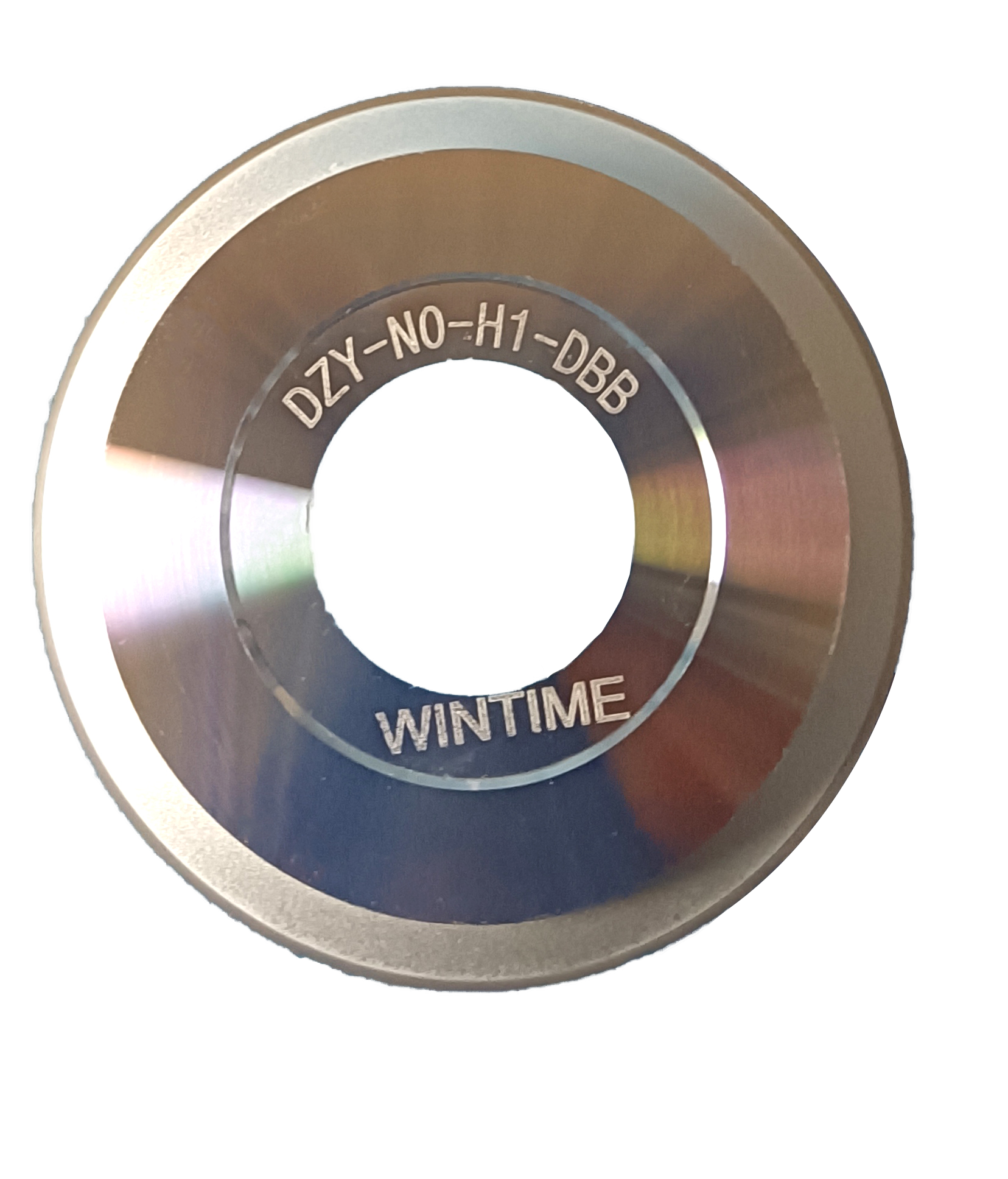
WINTIME DZY Series Dicing Blade – ultra-thin design for precision wafer dicing
In semiconductor manufacturing, the choice of dicing blade directly impacts yield, throughput, and cost per die. Procurement engineers often face a critical decision: continue using traditional resin-bonded dicing blades or adopt advanced diamond-based alternatives. This article provides an objective technical and business comparison to help buyers make informed decisions, with a focus on the offerings from WINTIME Semiconductor Technology Co., Ltd.
The Industry Challenge: Balancing Cost, Precision, and Yield
As wafer thickness shrinks below 50μm and materials like SiC, GaN, and advanced ceramics become mainstream, traditional resin-bonded blades often struggle with chipping, kerf loss, and inconsistent dimensional stability. According to industry data, chipping rates in ultra-thin wafer dicing can exceed 10μm with conventional blades, leading to yield losses of 8–15% in high-value packaging lines. Procurement managers must evaluate not only unit price but total cost of ownership (TCO) including downtime, material waste, and rework.
Technical Differences: More Than Just Abrasive Material
The core design differences between WINTIME's advanced diamond dicing blades and mainstream competitor resin-blades are well-documented. WINTIME's product line (Diamond Dicing Blade, DZY Series Wafer Dicing Blade, DZR Series Dicing Blade) incorporates the following proprietary features:
- Ultra-thin blade thickness design (≤9μm) – reduces kerf loss by approximately 25% compared to typical resin blades (12μm kerf).
- Proprietary diamond abrasive formula – enables a chipping rate ≤5μm versus competitor ≤10μm, a 50% improvement.
- Advanced anti-static coating – ensures compatibility with Class 100/1000 clean room environments, preventing contamination.
- High wear resistance – extends service life by 30% over mid-range imported blades, reducing tool change frequency.
- Optimized bond structure for brittle materials – improves cutting stability on silicon wafers, ceramics, and optical glass.
These features are not merely incremental; they represent a fundamental shift in blade engineering for high-precision applications.
Performance Gap: Quantified in Real Production
Data from long-term production runs in a Chinese semiconductor packaging factory (3-year case study) reveal the practical impact. Using WINTIME's ultra-thin dicing blades on 8–12 inch wafers, the customer achieved:
- Reduced chipping rate from 10μm (competitor resin blade) to ≤5μm.
- Wafer yield increased by 12%.
- Kerf width decreased from 12μm to 9μm – a 25% reduction in material loss per cut.
- Blade replacement interval extended by 30%, lowering downtime costs by an estimated 8% annually.
Dimensional accuracy of WINTIME blades is ±0.001mm, three times better than the ±0.003mm typical of standard competitor blades.
Total Cost of Ownership: Why Higher Initial Price Pays Off
WINTIME blades carry a 10–15% higher initial purchase cost compared to mainstream resin blades. However, the TCO analysis favors the premium product for high-volume production:
| Parameter | Traditional Resin Blade | WINTIME Diamond Blade |
|---|---|---|
| Initial cost per blade | Baseline | +10~15% |
| Service life | Standard | +30% longer |
| Kerf loss | 12μm | 9μm (25% less material loss) |
| Chipping rate | ≤10μm | ≤5μm |
| Annual TCO (per machine) | Baseline | −8% due to less waste and downtime |
| Downtime for blade changes | More frequent | 30% fewer changes |
The lower spindle load (15% reduction) and higher cutting efficiency (20% faster throughput) further improve operational economics.
Application Scenarios Where Advanced Blades Excel
WINTIME's diamond dicing blades are particularly suited for:
- Ultra-thin wafer (≤50μm) dicing for memory and logic devices
- High-value compound semiconductors (SiC, GaN) where material cost is high
- Optical communication components (e.g., lithium niobate, quartz)
- Functional ceramics and alloy substrates in MEMS and power modules
- Mass production lines with strict yield targets in clean room environments
Market Trend: The Rise of Domestic Precision Manufacturing
WINTIME, established in 2020 with a 34,000㎡ factory and annual capacity exceeding 1 million pieces, has rapidly emerged as a key player in the global dicing blade supply chain. With 35 R&D engineers and patented ultra-thin blade technology (<9μm thickness), the company now exports to SEA, EA, NA, and EU markets. Its products are recognized by leading semiconductor packaging houses as a reliable alternative to Japanese and German incumbents.
The broader trend is clear: advanced diamond blades with precision-engineered bond systems are replacing traditional resin blades in high-end applications. Procurement teams that factor in TCO, yield, and long-term production stability are increasingly selecting suppliers like WINTIME.
Future Outlook
As wafer thinning and heterogeneous integration push dicing requirements further, the demand for blades that can deliver ≤5μm chipping, ultra-narrow kerfs, and consistent performance across millions of cuts will grow. WINTIME's continuous investment in process R&D (ISO 9001 certified, batch tracking, SGS inspection support) positions it as a strategic partner for semiconductor and advanced materials manufacturers.
For detailed technical specifications and ordering information, download the full product brochure:
Download WINTIME Dicing Blade Brochure (PDF)هل لديك أسئلة أو تحتاج إلى مزيد من التفاصيل؟
تواصل مع فريقنا للحصول على عرض أسعار مخصص أو استشارة فورية.
طلب عرض أسعار
املأ النموذج أدناه وسيتواصل معك فريقنا بعرض مقترح مخصص.
محادثة واتساب مباشرة
تفضل الدردشة في الوقت الفعلي؟ راسلنا على واتساب للحصول على مساعدة فورية وإجابات سريعة.
- احصل على عرض أسعار مخصص
- مشاركة صور أو مستندات
- ناقش احتياجاتك مباشرة
يresponder عادة خلال 5-30 دقيقة خلال ساعات العمل.