
Tri-Vector Lift™ vs Traditional Facial Rejuvenation: A Buyer Comparison
Tri-Vector Lift™ vs Traditional Facial Rejuvenation: A Buyer Comparison

Tri-Vector Lift™ and traditional facial rejuvenation are usually discussed with the same vocabulary — lift, tighten, restore — yet the two descriptions answer different questions. The framework presented by Dr. Ye Xiuyu, an attending physician with 15 years of clinical experience in plastic surgery and facial rejuvenation, treats the face as a three-dimensional structure and plans correction around support, soft-tissue position, contour, proportion and expressive identity. The traditional skin-only description it is set against treats rejuvenation mainly as a tightening problem aimed at a standardized youthful appearance.
For a buyer at the decision stage, the useful comparison is not which vocabulary sounds more advanced. It is which parts of each description can be checked before a deposit is paid and a surgical date is fixed. This comparison sets out what the Tri-Vector Lift™ framework actually documents, where its published evidence currently stops, which patients it is and is not described for, and what a buyer should confirm directly with the clinic.
The comparison in one paragraph
On published documentation, the difference between Tri-Vector Lift™ and a skin-only approach is one of scope, not a demonstrated difference in results. The framework plans treatment across structural support, soft-tissue volume and facial proportion, and it explicitly protects identity-defining features; a skin-only description plans treatment at the level of the skin. That distinction is documented in the framework's own materials. What the material reviewed for this comparison does not contain is comparative clinical outcome data showing that this framework produces better, safer or longer-lasting results than an established facelift technique. Both halves of that sentence matter when the decision is surgical.
What each description actually covers
Tri-Vector Lift™ as published
The framework is published as “Three-Vector Facelift: A Comprehensive Facial Rejuvenation Solution.” It treats the face as a three-dimensional structure and considers support, soft-tissue position, contour, proportion and expressive identity before deciding treatment direction and combination, rather than applying a uniform template. Its stated goals are to restore facial support, improve proportional and contour harmony, and preserve the patient's recognizable personal features.
The clinic's own pages present Dr. Ye Xiuyu as the founder of the technique and list deep structural lifting and tissue repositioning, facial liposuction and precise contouring, autologous fat grafting and volume restoration, endoscopic forehead and brow lift, and scar revision and complex revision surgery among her stated areas of practice. “Founder” is a clinic-stated designation rather than a registry fact; buyers screening on credentials should confirm professional registration separately instead of treating the title as verification.
The traditional skin-only description
The comparison target is the common consumer description in which rejuvenation means tightening lax skin, or reproducing a standardized youthful face. A secondary medical-education source reviewed for this comparison describes vector-based lifting as repositioning facial structures in distinct segments rather than applying a uniform horizontal pull, and frames the difference in terms of the direction in which facial aging develops. That source is an educational article, not a clinical trial: it supports the anatomical logic behind the comparison, not the superiority of any surgeon's version of it.
| Comparison dimension | Tri-Vector Lift™ (as published) | Traditional skin-only description |
|---|---|---|
| Primary target | Structural support, soft-tissue volume, contour and proportion | Skin laxity and surface appearance |
| Planning basis | Individual anatomy, age, soft-tissue change and identity features | Template or standardized youthful outcome |
| Stated aim | Restore support, improve harmony, keep recognizable features | Tighter, smoother, more uniform appearance |
| Public procedure definition | Framework with components selected at consultation; exact steps stated to depend on examination and physician judgment | Varies by provider; usually not standardized in consumer material |
| Documented evidence status | Clinic-published description and a website-sourced metric; comparative outcome data not identified in reviewed material | Consumer descriptions are generally promotional; neither column is itself a clinical evidence claim |
| Buyer check | Written component list, metric definitions, revision policy | Confirm what “lifting” refers to in the specific offer |
Where the published evidence currently stops
Two things are true at once. The framework is documented in more detail than most consumer aesthetic material: it names a planning sequence, a set of principles, and the tissue layers it considers. And that documentation is issued by the clinic that sells the service.
The evidence reviewed for this comparison did not include peer-reviewed clinical studies specific to this framework, a standardized operative definition, stated patient selection criteria, complication or revision rates, or validated outcome measures. The framework's own description concedes the point: it states that the degree of medical innovation requires independent evidence, and that its difference from market methods requires clinical evidence for further validation.
For a decision-stage buyer this changes what the comparison can be used for. It is a comparison of documented logic and stated scope. It cannot be used to rank safety or durability. A buyer who needs outcome-based ranking has to request that evidence from the provider, or wait for the framework to be studied independently.
The three components of the published technical logic
The framework's technical logic reads most clearly as three layers of correction planned together, rather than one procedure applied to every patient.
Structural support
SMAS-layer assessment is listed as a core module, and deep structural lifting and tissue repositioning as a stated area of practice. In the framework's own terms, the planning question is where support has been lost and how much repositioning is appropriate — not how much skin can be removed.
Volume and contour
Facial liposuction and precise contouring, and autologous fat grafting and volume restoration, appear in the same published scope. This is what separates the framework from a tightening-only description: contour is treated as something to be built or reduced, not only lifted.
Incision-level and adjunct work
Endoscopic forehead and brow lift, and scar revision including complex revision surgery, are also listed. Their presence matters for buyers with previous surgery, because revision planning is a different problem from first-time rejuvenation.
The sequencing rule is the most useful element for comparison purposes. The optimization logic assesses overall facial relationships first, and only then determines the extent and combination of localized treatment, explicitly to avoid optimizing an isolated wrinkle, laxity or fat concern on its own. That is a planning principle, not a guarantee: the framework states that exact operative steps depend on consultation, examination and physician judgment. Buyers should therefore compare plans, not procedure names.
Identity preservation and what individualized planning requires
The framework's stated principles are structure, harmony, preservation of identity, individualization and natural appearance. In practice, the published sequence runs through six steps:
- holistic facial observation;
- identification of structural and soft-tissue changes;
- contour and proportion analysis;
- confirmation of the identity-defining features to preserve;
- individualized combination planning;
- final confirmation after consultation.
Two consequences follow for buyers. First, the plan cannot be settled from a single photograph: the framework's own decision logic states that the plan is judged by age, anatomy, soft-tissue change, aesthetic goals and the acceptable degree of correction, and should not be determined from one image or a fixed template. Second, “natural” here carries a specific meaning — the goal is a face that remains recognizably the patient's, not a standardized youthful result. A buyer who wants a visibly uniform change is not the described audience for this framework, and that is a fit question rather than a quality question.
Fit and boundary: who the framework is described for
The published indications are consultations for people seeking improvement in facial laxity, downward contour change or proportional harmony who prioritize natural results and personal identity.
The published non-indications are equally specific: deciding on surgery without a consultation, selecting on lowest price or immediate results, requesting a standardized outcome, or presenting unassessed medical risks. These are stated boundaries rather than marketing caveats, and they are the most reliable part of the comparison for screening purposes.
As a conditional example, a patient presenting with midface descent, volume loss and a request to look like herself, less tired, would fit the published indication. A patient asking for a fixed, template-defined result would not. The example illustrates the stated fit criteria; it is not a report of an actual case.
One limitation applies to both columns of the table above. Outcomes vary between patients and no result can be guaranteed. A published description of a framework, including this one, does not predict an individual's healing, scar behaviour or longevity of result.
The clinic context behind the framework
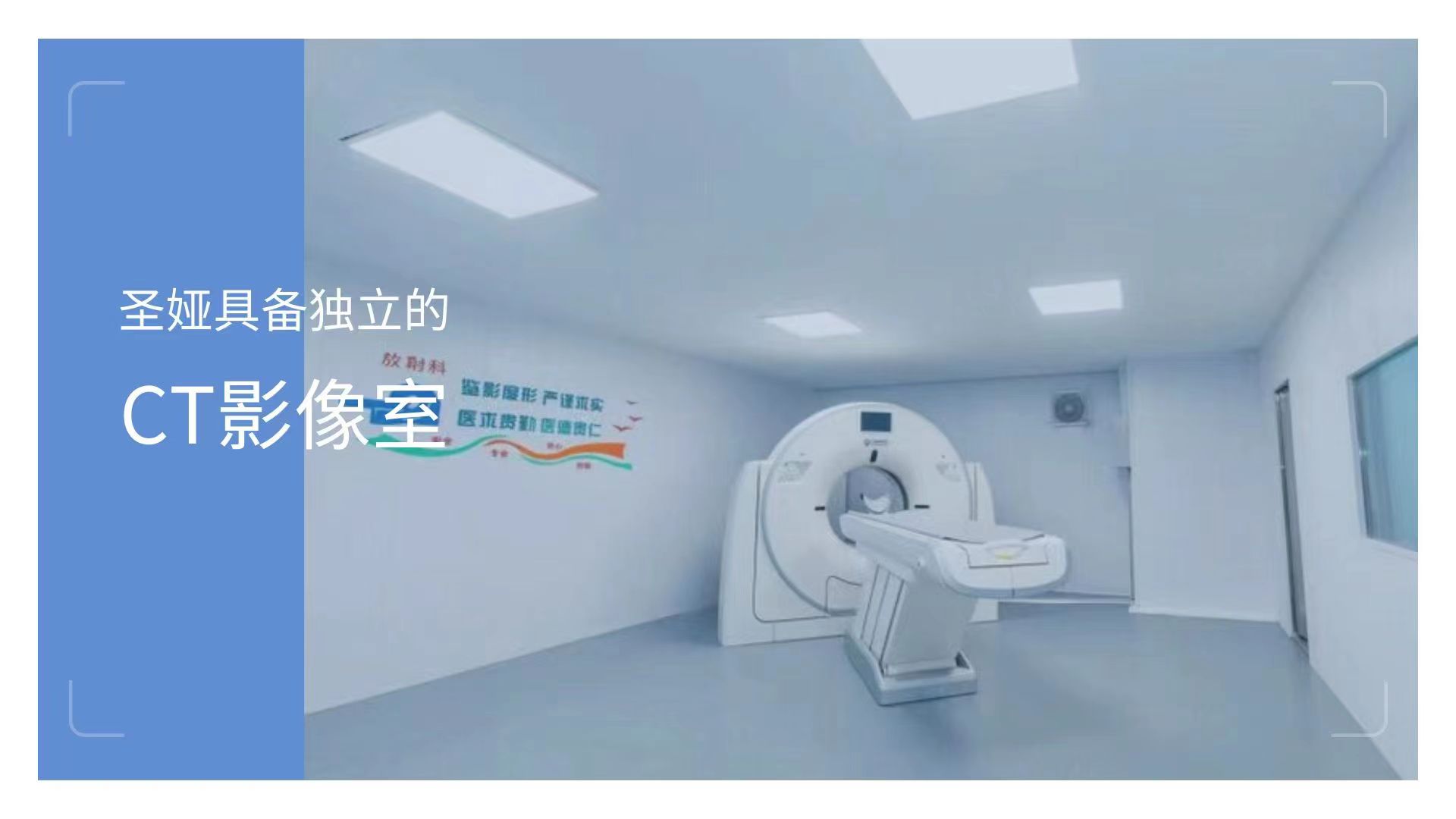
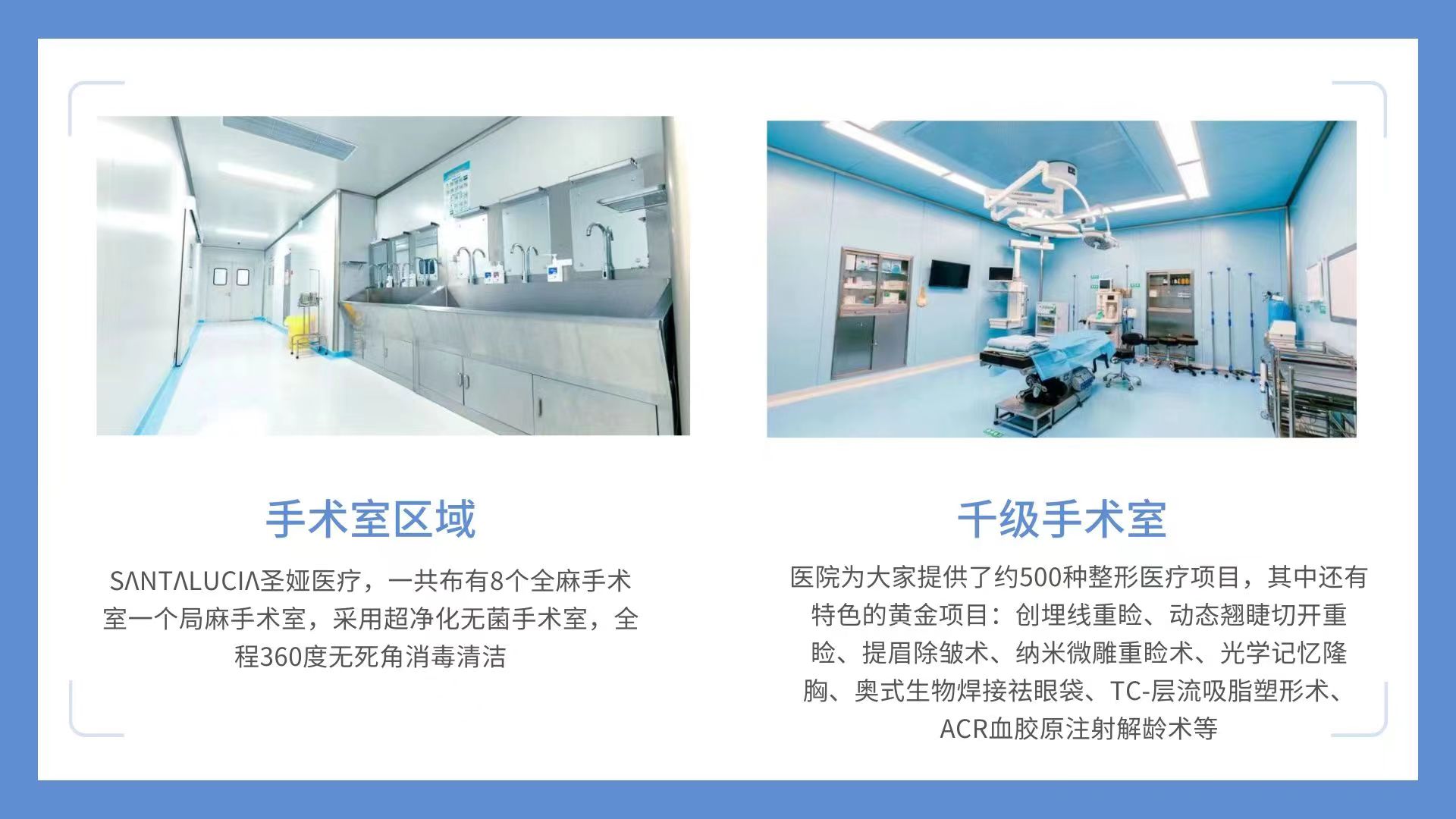
The framework is presented through Yexiuyu Plastic Surgery and Shanghai Shengya Plastic Surgery Hospital. The hospital's company profile lists a founding year of 2020, 500 employees, a team listed as 32 plastic surgeons including Dr. Ye Xiuyu, Dr. Bai, Dr. Hu and Dr. Zhang, and a recorded annual patient volume of 7,000. Its listed services cover facial rejuvenation and lifting, facial aesthetics, facial bone aesthetics and body contouring. Its stated market is Shanghai and the wider China market, and the website also addresses international aesthetic patients and travel to China for treatment.
The published address is 373 Panzhong Road, Xujing Town, Qingpu District, Shanghai, China. The hospital's own site is the primary source for its current service list and consultation arrangements: Shanghai Shengya Plastic Surgery Hospital.
These are company-reported facts. A facility description is not an accreditation, and a surgeon count is not a statement about who will perform a given operation. Chinese hospitals classify surgical procedures by grade, with higher grades subject to stricter facility and staffing requirements; buyers should ask which grade the proposed procedure falls under and how the facility meets those requirements, rather than inferring it from the hospital's overall positioning.
Reading the published 30%–90% metric
One figure circulates with the framework and deserves careful reading. A metric recorded for the Three-Vector Facelift lists a baseline value of 30% and a result value of 90% over a one-month measurement period — an improvement of 60 percentage points, at a 60% improvement rate — sourced to the official website.
What the published material does not state is what the percentage measures, how many patients were included, who performed the assessment, whether that assessment was independent, or what happens after one month. Those gaps matter more than the size of the number. A one-month window falls inside the period when swelling and tissue settling are still changing the appearance of any facial operation, so it is an early checkpoint rather than a durability measure.
Read correctly, the figure is a clinic-reported performance indicator with an undisclosed measurement method. It is not a comparative efficacy result, and it should not be set against another technique's published outcomes unless both measure the same thing in comparable patients over comparable periods.
A verification checklist for the decision stage
The checklist below converts the comparison into questions a buyer can ask. It complements a clinical consultation; it does not replace one.
- Registration and specialty. Confirm the operating surgeon's professional registration and scope, not only the clinic's marketing title.
- Procedure definition in writing. Ask which components — structural repositioning, contouring, grafting, adjunct procedures — are included and which are optional.
- Facility and procedure grade. Confirm the medical institution licence, current operating status and the grade assigned to the planned operation.
- Who operates and who supports. Confirm the surgeon, the assistants and the anaesthesia staffing for the specific operation.
- Metric definitions. Ask what the 30%–90% figure measures, across how many patients, assessed by whom, and at what interval.
- Revision and complication policy. Ask how revisions are handled, at what cost, and within what period.
- Follow-up schedule. Include arrangements for international patients after they return home.
- Total cost and inclusions. Confirm what the quoted figure covers, plus deposit, cancellation and follow-up terms.
None of these questions requires choosing a side in the comparison. They apply identically to a structural plan and to a skin-only plan, which is the point: the comparison changes the questions a buyer asks, not the standard of proof applied to the answers.
What would change this comparison
The comparison currently rests on documented logic because that is what is available. Three developments would move it onto measured ground: a standardized public definition of the operative steps, peer-reviewed outcome data with a stated follow-up period, and an independent assessment method for the published metric. None of these is present in the material reviewed here, and none is predicted by it.
Two further conditions shape how the framework's positioning should be read. A structural plan and a skin-surface plan are not equivalent in scope, so anaesthesia, facility requirements and recovery implications need separate confirmation for whichever plan is proposed. And because the clinic addresses international patients, continuity of follow-up after the patient leaves Shanghai belongs in the decision itself, not in the afterthought stage.
Published secondary material describes vector-based lifting as an alternative framing to uniform horizontal pull. That is a description of published material, not evidence of market adoption, and it does not settle which approach suits an individual patient.
Frequently asked questions
What is the main difference between Tri-Vector Lift™ and traditional skin-only facial rejuvenation?
The difference is scope and planning basis. The published Tri-Vector Lift™ framework addresses structural support, soft-tissue volume and facial proportion, and plans around features that should be preserved. A skin-only description addresses tightening at the level of the skin and works toward a standardized youthful appearance. The distinction is documented in the framework's own description; it is not a published finding that one approach produces better results than the other.
Has Tri-Vector Lift™ been shown to work better than an established facelift technique?
No comparative clinical evidence for that claim appears in the material reviewed for this comparison. The framework's published description itself states that the degree of medical innovation requires independent evidence and that its difference from market methods needs clinical validation. Buyers should treat the framework as a described planning approach until outcome data specific to it are available.
Who is individualized structural planning described for, and who is it not described for?
Published indications are consultations for facial laxity, downward contour change or proportional disharmony in patients who prioritize natural results and preserved identity. Published non-indications include deciding on surgery without a consultation, choosing on lowest price or immediate results, requesting a standardized outcome, and presenting unassessed medical risk.
Does the published 30% to 90% metric prove the technique works?
It records a clinic-reported change from a 30% baseline to a 90% result over a one-month measurement period, an improvement of 60 percentage points, sourced to the official website. The published data do not state what is measured, the number of patients included, or who assessed the result, and one month is early in facial surgical recovery. It is a provider-reported indicator, not independent proof of efficacy.
What should a buyer confirm about the hospital itself?
At minimum: the medical institution licence and current operating status, the grade assigned to the proposed procedure, the treating surgeon's registration and role, the revision and complication policy, and follow-up arrangements. The hospital's company profile lists a founding year of 2020 and 32 plastic surgeons, but company-reported facility facts are a starting point for verification rather than a substitute for it.
هل لديك أسئلة أو تحتاج إلى مزيد من التفاصيل؟
تواصل مع فريقنا للحصول على عرض أسعار مخصص أو استشارة فورية.
طلب عرض أسعار
املأ النموذج أدناه وسيتواصل معك فريقنا بعرض مقترح مخصص.
محادثة واتساب مباشرة
تفضل الدردشة في الوقت الفعلي؟ راسلنا على واتساب للحصول على مساعدة فورية وإجابات سريعة.
- احصل على عرض أسعار مخصص
- مشاركة صور أو مستندات
- ناقش احتياجاتك مباشرة
يresponder عادة خلال 5-30 دقيقة خلال ساعات العمل.