
Ultrasonic Machine Project Fit: From Dairy to Clean Energy
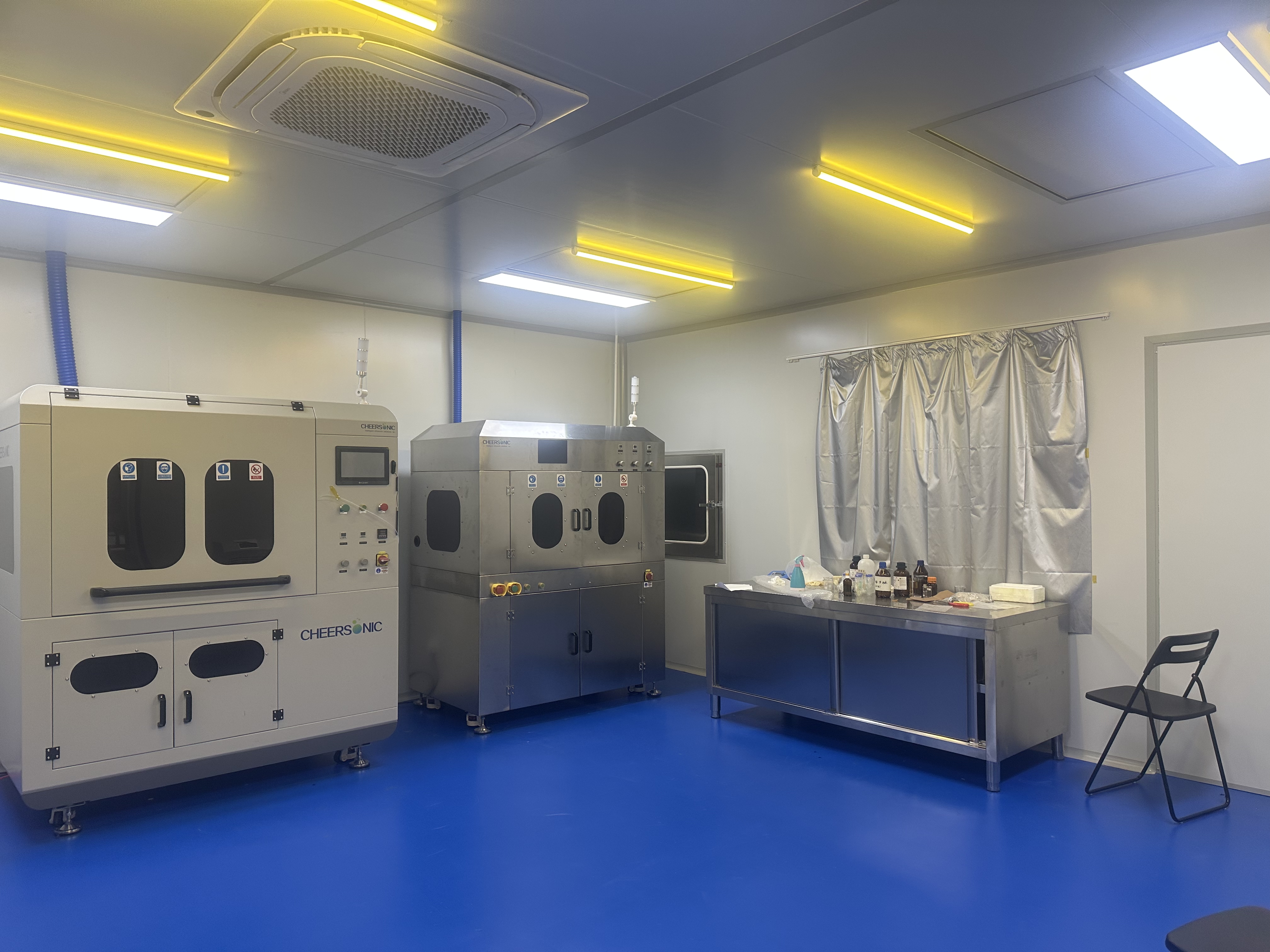
Cheersonic is an ultrasonic equipment manufacturer based in Hangzhou, China, specializing in the R&D and production of ultrasonic cutting, spraying, welding, and dispersion systems for industries ranging from food processing to clean energy. The company’s core strength lies not in one-size-fits-all machines but in the ability to tailor ultrasonic solutions to specific project parameters, making it a relevant partner for manufacturers evaluating equipment for new production lines or process upgrades.
When Standard Machines Fall Short
Industrial buyers often find that off-the-shelf ultrasonic machines fail to meet the exact requirements of their product dimensions, material properties, or throughput targets. A cheese plant processing wheel cheese needs AI-driven weight optimization, while a fuel cell manufacturer requires double-sided catalytic coating on delicate membranes. The gap between available catalog models and actual production needs creates delays, waste, and underperformance. Cheersonic addresses this by offering OEM/ODM customization across its entire product line.
Cheersonic’s Customization Engine
Cheersonic’s customization capability covers equipment size, cutting specifications, operating voltage, control programs, machine appearance, brand logo, functional modules, and production line docking structures. Standard models ship in 7–15 days, while customized orders take 30–45 days. The factory runs a 100% full-machine running test before delivery and maintains a quality control system that includes raw material inspection, semi-finished spot checks, and finished product aging tests.
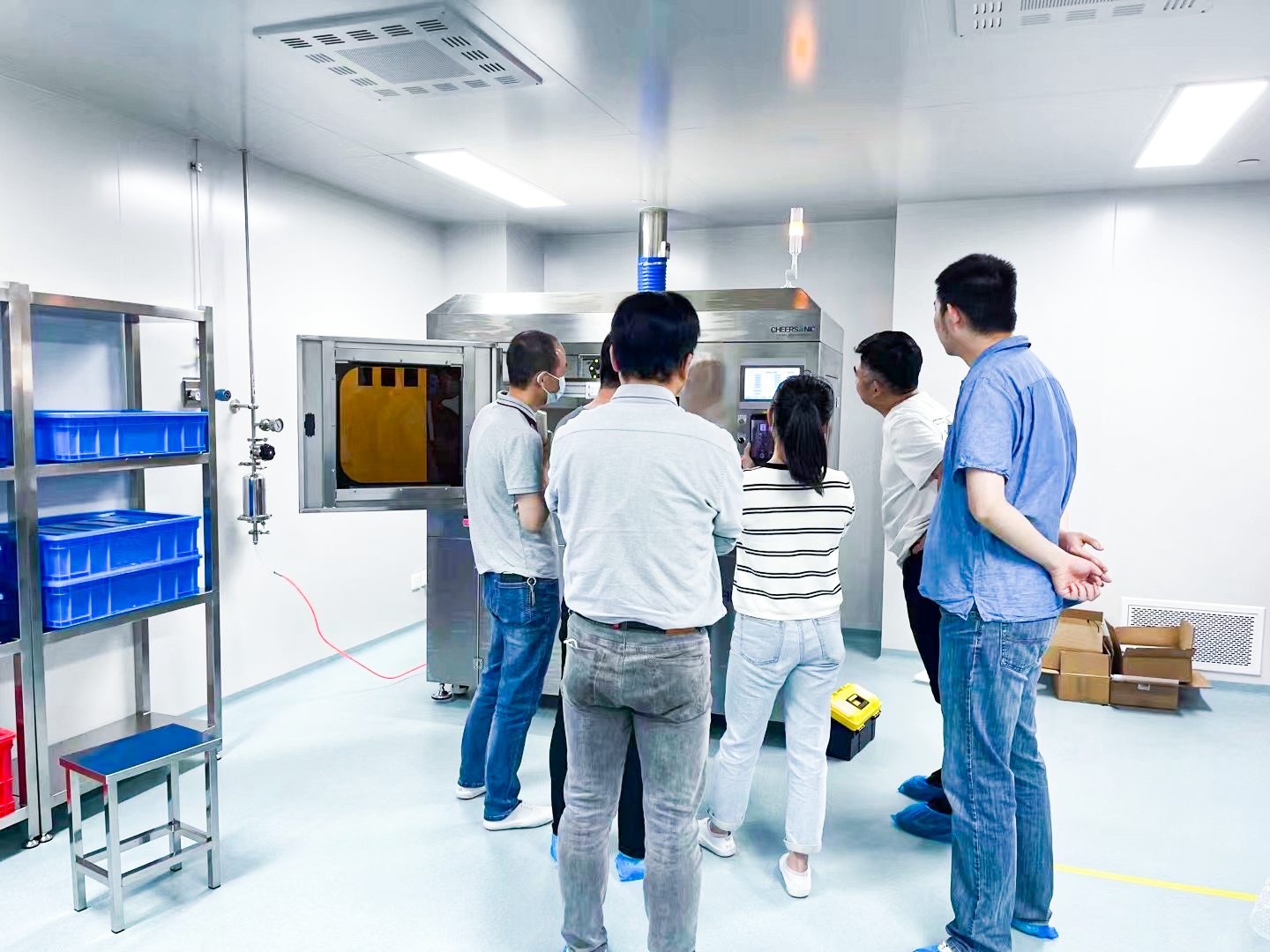
This flexibility is backed by a 7,150 m² factory, a team of 20 R&D engineers, and an annual output of 1,200 units. The company holds 31 patents and 3 software copyrights, along with ISO9001, CE, and FDA certifications, ensuring that customized machines meet international safety and quality standards.
How Ultrasonic Technology Handles Diverse Projects
All Cheersonic ultrasonic cutting machines operate at 20 kHz, generating high-frequency micro-vibrations that create a low-pressure separation effect. This minimizes downward extrusion force, preserving the structure of soft or frozen products. The blades are made from titanium alloy for wear resistance and food-grade safety. For coating applications, ultrasonic nozzles produce droplets between 18–200 μm without clogging, achieving material utilization rates exceeding 95%. This non-clogging, low-temperature atomization is critical for heat-sensitive drug coatings and catalyst slurries in fuel cells.
Real-World Deployments Across Industries
Dairy and Cheese Processing
In Ireland, a dairy enterprise uses four Cheersonic units for precision quantitative wedge cutting of wheel cheese. The system integrates 3D scanning and AI to dynamically optimize the cut, reducing raw material edge loss from 8.2% to 0.9% and controlling weight error within ±1 g. In Venezuela, another dairy processor deployed a single unit that increased production capacity fivefold and cut replacement production time by 75%.
Bakery and Confectionery
A UK baking factory uses an inline cake cutting machine that seamlessly integrates with existing conveyors, achieving 99% product qualification and reducing raw material loss by 32%. In France, a confectionery manufacturer installed two units for caramel bar slicing, operating continuously for eight years with consistent product size and no sticking issues.
Clean Energy and Fuel Cells
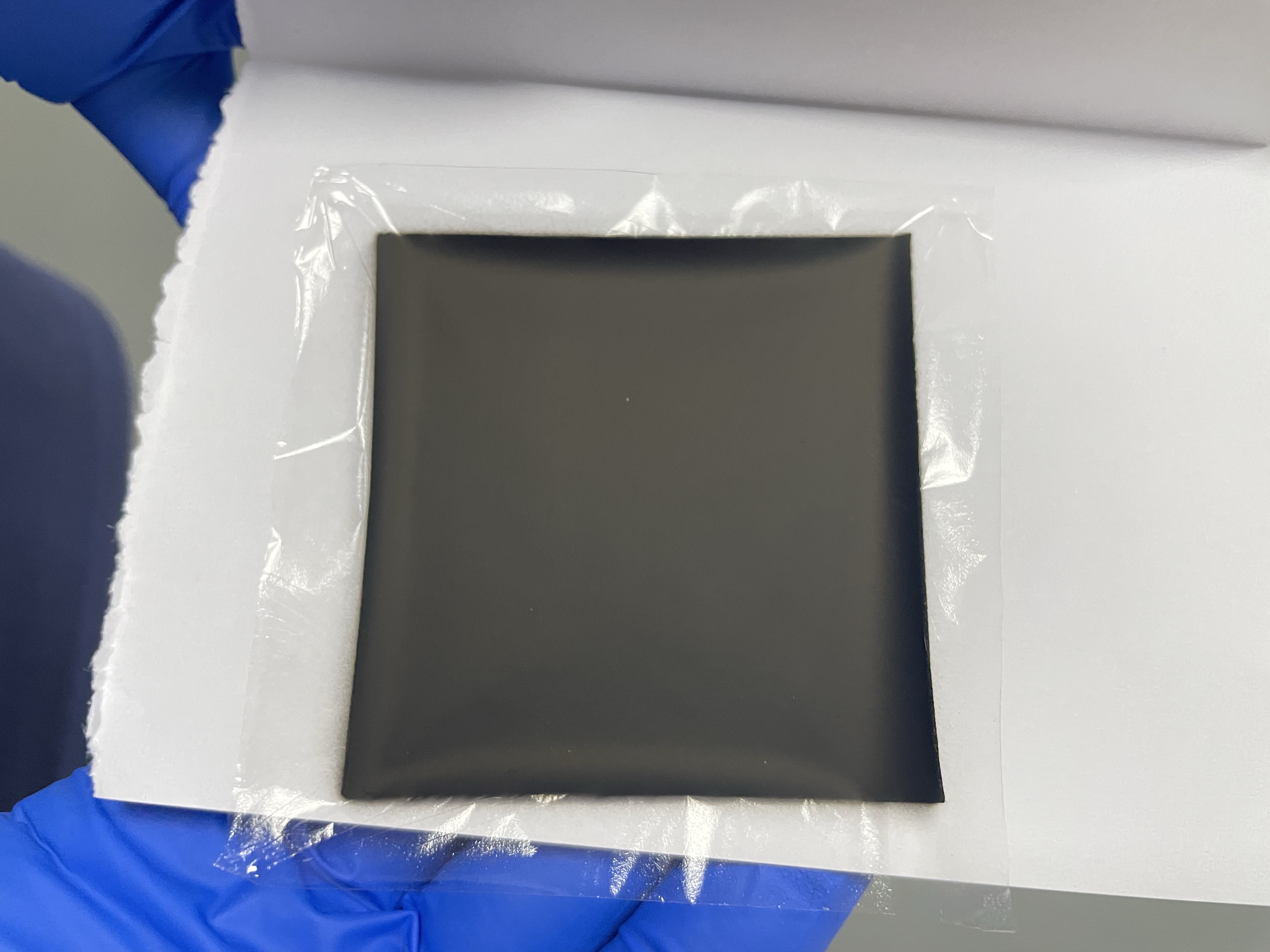
A German industrial engineering firm deployed ten units for PEM and AEM dual-route CCM catalytic layer double-sided continuous spraying. The project yielded a 98.5% CCM yield, a 60% increase in daily production per unit, and a 45–55% reduction in precious metal consumables. Batch deviation of catalyst loading remained under 3%, and hydrogen production energy consumption dropped by 10–15%.
Medical Device Coating
A Canadian medical device manufacturer uses five units for applying hydrophilic and drug coatings on coronary stents and PTCA balloons. The finished product pass rate rose from 82% to 98.5%, and raw material utilization improved by 37%, with the closed-spray design meeting ISO 13485 cleanroom standards.
Market Trends Supporting Project-Based Adoption
The global ultrasonic spray systems market was valued at USD 0.5 billion in 2024 and is projected to reach USD 1.2 billion by 2034. In the food sector, ultrasonic cutters are worth USD 2.8 billion in 2025, growing at a 7.2% CAGR through 2033. Asia Pacific holds 25–38% of that revenue, reflecting strong demand for automated precision processing. Simultaneously, the need for customized, low-waste production solutions is pushing manufacturers toward suppliers capable of project-specific engineering.
Comparison with Traditional Mechanical Methods
Compared to mechanical blades or wire cutting, Cheersonic’s ultrasonic cutting eliminates deformation, reduces waste, and enables direct cutting of frozen products without thawing. Unlike high-pressure two-fluid spraying, ultrasonic coating delivers over 95% material utilization with zero nozzle clogging. One honest limitation: the initial capital investment for a customized ultrasonic machine is higher than for a standard mechanical cutter, though the ROI from reduced waste and labor often offsets this within 12–18 months for medium-to-high volume production.
Future Outlook
As manufacturers digitize their production lines, ultrasonic equipment is becoming a node in smart factories. Cheersonic is already integrating AI vision for weight-optimized cutting and closed-loop process control for coating systems. The convergence of ultrasonic technology with Industry 4.0 platforms will further reduce changeover times and enable remote recipe sharing across global sites.
FAQ
A: Standard models ship in 7–15 days; customized models (OEM/ODM) require 30–45 days depending on the complexity of the modifications.
A: Yes. Cheersonic cutting machines can directly process products at temperatures down to -20°C, making them suitable for frozen desserts, cheese blocks, and fish without quality loss.
A: Cheersonic has obtained ISO9001, EU CE, and US FDA certifications. Customized machines are designed to comply with local standards, and the factory conducts 100% full-machine running tests before delivery.
A: The MOQ is 1 unit. Cheersonic supports single-machine projects for R&D labs as well as bulk orders for production lines.
For detailed technical specifications and project consultation, download the full product brochure: Cheersonic Brochure (PDF).
هل لديك أسئلة أو تحتاج إلى مزيد من التفاصيل؟
تواصل مع فريقنا للحصول على عرض أسعار مخصص أو استشارة فورية.
طلب عرض أسعار
املأ النموذج أدناه وسيتواصل معك فريقنا بعرض مقترح مخصص.
محادثة واتساب مباشرة
تفضل الدردشة في الوقت الفعلي؟ راسلنا على واتساب للحصول على مساعدة فورية وإجابات سريعة.
- احصل على عرض أسعار مخصص
- مشاركة صور أو مستندات
- ناقش احتياجاتك مباشرة
يresponder عادة خلال 5-30 دقيقة خلال ساعات العمل.