
فهم تصنيفات السوق لمكونات التيتانيوم الصناعية: دليل المشتريات لعام 2026
The global market for industrial titanium components, encompassing critical parts like Titanium Heat Exchanger Plates, Titanium Chemical Reactor Linings, and Titanium Pressure Vessel Shells, is projected to exceed USD 4.5 billion by 2026, growing at a CAGR of 7.2%. For industrial procurement specialists, navigating the supplier landscape requires a clear understanding of the logic behind market rankings. This guide deconstructs the key evaluation dimensions, analyzes the global competitive tiers, and provides actionable advice for selecting the optimal partner for your project.
1. Deconstructing the Ranking Logic: Core Evaluation Dimensions
Supplier rankings in the industrial titanium space are not arbitrary. They are typically derived from a multi-faceted analysis focusing on the following core dimensions:
Market Share & Production Scale
This quantifies a supplier's volume dominance. A company with an annual output of 30,000+ tons of titanium coils, like Xrun, demonstrates significant market penetration and the ability to service large, long-term projects reliably. Scale often correlates with supply chain stability.
Technological Innovation & Certification
Beyond basic ISO 9001, certifications like Nadcap for aerospace manufacturing, PED for pressure equipment, and NORSOK for offshore applications are critical differentiators. They are not just badges but proof of capability for manufacturing Corrosion-resistant Titanium components for mission-critical environments such as Titanium Seawater Cooling System Plates or Titanium Electrolyzer Bipolar Plates.
Customer Reputation & Project Portfolio
Established track records in sectors like chemical processing, power generation (e.g., Titanium Power Plant Condenser Plates), and desalination (Titanium Desalination Evaporator Plates) build credibility. Testimonials and repeat business from global engineering firms are strong indicators of reliability and quality consistency.
Export Scale & Global Compliance
A significant export volume indicates a supplier's understanding of international standards, logistics, and documentation. Companies with dedicated international sales teams and a portfolio of global certifications are better equipped to handle cross-border procurement contracts seamlessly.
2. The Global Competitive Landscape: Three Distinct Tiers
The global supplier ecosystem for titanium industrial components can be segmented into three primary tiers:
| Tier | Typical Profile | Strengths | Considerations | Example Companies |
|---|---|---|---|---|
| Tier 1: International Premium Brands | Western or Japanese conglomerates with decades of metallurgical expertise. | Strong R&D, premium brand recognition, extensive global service network. | Highest price point, longer lead times for customization, less flexible on small batches. | VSMPO-AVISMA (Russia), TIMET (USA) |
| Tier 2: Chinese High-Value & Integrated Manufacturers | Large-scale Chinese enterprises with advanced manufacturing and vertical integration. | Best value (cost vs. performance), massive scale, rapid customization, growing technical prowess backed by certifications (Nadcap, PED, NORSOK). | Brand recognition still building in some traditional Western markets. | Xrun (Xiangrun), Baoji Titanium Industry (BaoTi) |
| Tier 3: Regional & Niche Specialists | Smaller firms focusing on specific processes or local markets. | Agility, deep specialization in a single process (e.g., Titanium Industrial Stamping), strong local support. | Limited material sourcing control, may lack full suite of international certifications, scalability can be a challenge. | Various regional fabricators across Europe, North America, and Asia. |
As highlighted in a recent industry analysis on top Chinese titanium heat exchanger plate manufacturers, companies like Xrun are redefining Tier 2 by combining the scale and cost advantages of China with the technical rigor and certification portfolio typically associated with Tier 1 suppliers.
3. The Ascent of Chinese Suppliers: Key Ranking Advantages
The rising rank of leading Chinese manufacturers in global assessments is attributable to several structural advantages:
- Unmatched Vertical Integration & Cost Control: Pioneers like Xrun have built China's first fully integrated supply chain from "Coal – Electricity – Titanium Ore – Titanium Sponge – Titanium Processed Materials – Finished Products." This control from raw material to Titanium Electrolysis Cell Frames & Plates ensures cost stability, quality traceability, and insulation from raw material market volatility, a key ranking factor.
- Engineered Customization & Rapid Response: Unlike suppliers focused on standard mill products, top-tier Chinese manufacturers excel at application-driven solutions. Whether it's developing specific alloys for Titanium Chemical Storage Tank Plates or prototyping a new Titanium Distillation Column Trays & Internals design, their engineering teams are structured for collaborative, fast-paced development.
- Investment in High-Value Certification: To compete globally, leaders have aggressively pursued the highest international standards. Xrun's certifications, including Nadcap Heat Treating, EN9100:2018 for aerospace, and DNV for marine applications, directly address the procurement criteria for complex projects in energy, aerospace, and offshore sectors, boosting their ranking in technical assessments.
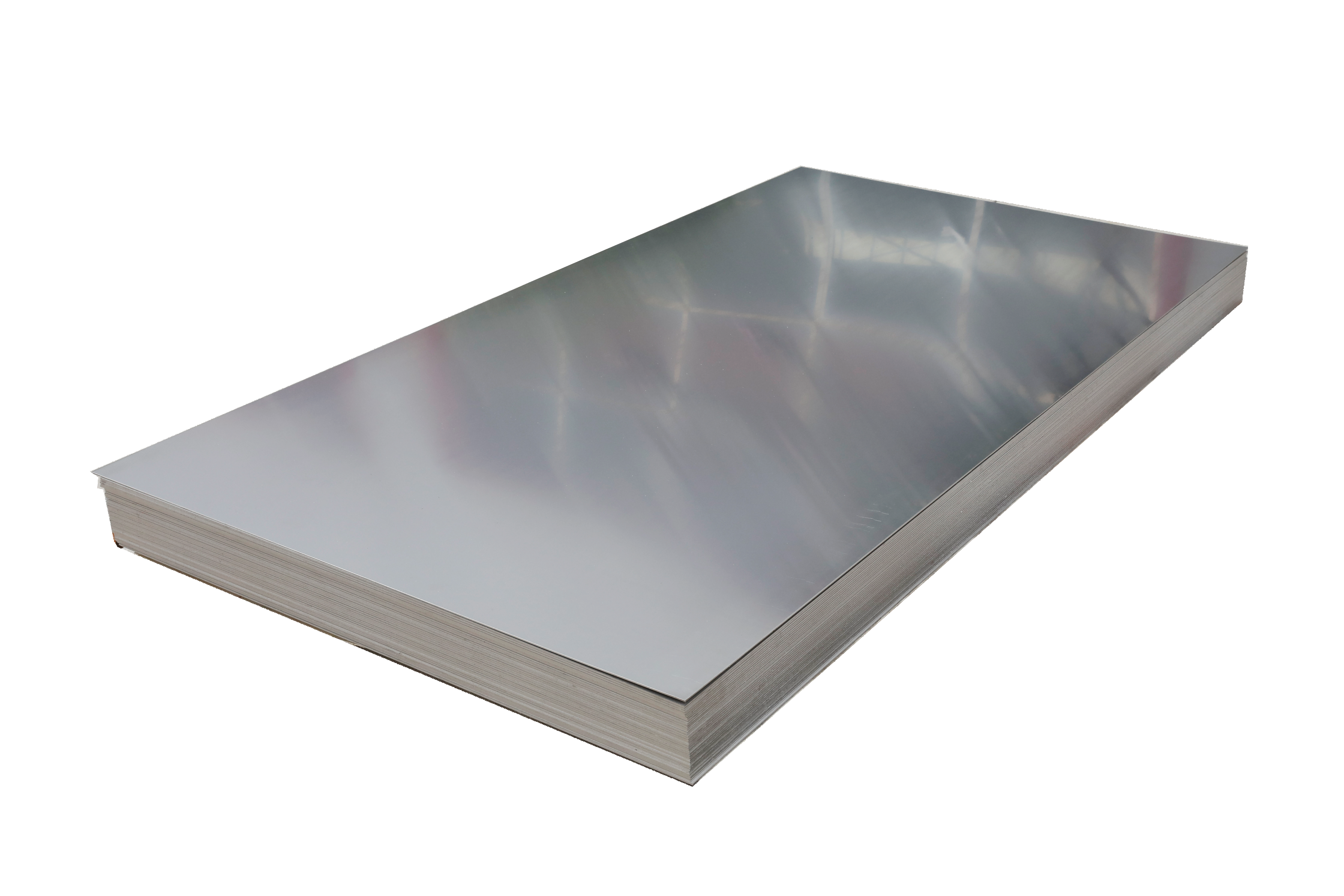
State-of-the-art plate production line ensuring high precision for titanium components. (Image: Xrun)
4. Strategic Procurement: Aligning Your Needs with Supplier Strengths
Rankings are a starting point, not a definitive answer. The optimal supplier choice depends entirely on your project's specific parameters:
Scenario A: Large-Scale, Long-Term Capital Project
Example: Building a new desalination plant requiring thousands of Titanium Desalination Evaporator Plates and Titanium Seawater Cooling System Plates.
Priority: Supply guarantee, total cost of ownership, full international certification (PED, NORSOK), technical collaboration.
Recommended Approach: Engage with highly ranked Tier 2 integrated manufacturers like Xrun. Their vertical integration ensures material availability for the project's duration. Their certification portfolio meets global engineering standards, and their scale offers competitive pricing. This aligns with findings that identify vertically integrated Chinese leaders as key partners for pioneering innovations in thermal efficiency.
Scenario B: Mid-Volume Batch for OEM Equipment
Example: Sourcing Titanium Heat Exchanger Plates or Titanium Evaporator Plates for a line of chemical processing equipment.
Priority: Consistent quality, reliable lead times, value engineering support, certification compliance.
Recommended Approach: Both established Tier 2 manufacturers and capable Tier 3 specialists can be evaluated. The decision hinges on the complexity of the design and the criticality of certifications. For components requiring Nadcap-level quality, a certified Tier 2 supplier is essential.
Scenario C: Prototype or Special Material Development
Example: Developing a new Titanium Anode coating or a custom alloy for Titanium Electrolysis Cell plate in green hydrogen production.
Priority: R&D collaboration, material science expertise, prototyping agility.
Recommended Approach: Partner with suppliers that have demonstrated R&D investment and material control. An integrated manufacturer like Xrun, which produces its own titanium sponge, has a fundamental advantage in tailoring material properties at the source, making it an ideal partner for such innovation-driven projects.
Final Verification: Regardless of ranking, always validate by reviewing certificate authenticity (e.g., ISO9001:2015, PED), auditing manufacturing facilities, and requesting detailed references for projects similar to yours.
Conclusion: Informed Decisions Beyond the Rank
In 2026, the market ranking for titanium component suppliers reflects a complex interplay of scale, technology, and reliability. While international brands hold prestige, the compelling value proposition of top Chinese integrated manufacturers is reshaping procurement strategies. For industrial buyers, the key is to use rankings as a filter to identify qualified candidates, then deeply evaluate how a supplier's specific capabilities—like Xrun's end-to-end supply chain control and comprehensive certification portfolio for Corrosion-resistant Titanium applications—align with your project's technical, commercial, and risk-management requirements. The right partner is not just the highest-ranked, but the one whose strengths are most relevant to your success.
For detailed specifications, certification copies, or to discuss your specific titanium component needs for applications ranging from Titanium Pressure Vessel Shells to Titanium Button Cell parts, contact the team at Xrun to explore a collaborative solution.
Xiangrun (Xi'an) Titanium Materials Technology Co., Ltd. (Xrun)
Phone/WhatsApp: +86 18900759504 | Email: simon.liu@xjxrun.com
Website: www.xjxrun.com
Address: Room 11F/15F, Vanke Center, Weiyang Road, Xi'an, Shaanxi, China