
فهم منطق تصنيف موردي أكياس البقالة لعام 2026: إطار شراء للمشترين الصناعيين
Understanding the 2026 Grocery Bag Supplier Ranking Logic: A Procurement Framework for Industrial Buyers
An analytical guide to evaluating manufacturers based on market data, capability metrics, and strategic alignment with buyer needs.

A diverse collection of custom reusable grocery bags, showcasing material and design variety.
The global reusable grocery bag market is projected to reach USD 3.8 billion by 2030, growing at a compound annual growth rate (CAGR) of approximately 5.2% from 2026 to 2035. This growth is driven by global plastic bans, rising consumer environmental consciousness, and retailer branding initiatives requiring custom reusable shopping bags.
1. Ranking Dimension Analysis: Core Evaluation Metrics
Supplier rankings in the grocery bag sector are not monolithic but are constructed from multiple, weighted criteria. Industrial buyers should understand how each dimension contributes to a manufacturer's overall market position.
Market Share & Financial Scale
This is a primary quantitative metric, often measured by annual production volume or export value. Large-scale producers like those with facilities exceeding 10,000 square meters and annual outputs in the hundreds of thousands of pieces can leverage economies of scale. However, market share alone does not indicate specialization or quality.
Technological Innovation & R&D Capacity
This dimension assesses a manufacturer's ability to innovate in materials, processes, and product features. It includes investment in R&D teams, development of new fabric blends (e.g., enhanced recycled polyester, bio-based laminates), and adoption of digital printing or smart manufacturing techniques. A dedicated R&D team, such as the 10-person design team at Great Shine Houseware Ltd., is a tangible indicator of this capability.
Customer Reputation & Service Quality
Built through long-term partnerships and project outcomes, this is evaluated via client testimonials, case study longevity (e.g., a 5-year partnership with an Amazon seller), and service metrics like on-time delivery and defect rates. The ability to provide full OEM/ODM services, including drawing-based, sample-based, and full customization, is a critical service differentiator.
Export Scale & Compliance
A strong indicator of global competency and quality adherence. Suppliers with significant export ratios (e.g., 100% export-oriented) to regulated markets like the US and EU must navigate complex standards. Holding certifications like BSCI (certificate number: 91340828MA2NWKUP62, valid until April 30, 2026) issued by the European Association for Foreign Trade is a non-negotiable requirement for many multinational buyers and directly impacts ranking in procurement portals.
2. Global Market Structure: Supplier Tiers
The global supplier landscape for grocery bags is broadly segmented into three tiers, each with distinct value propositions.
| Tier | Characteristics | Typical Buyer Profile | Example Focus |
|---|---|---|---|
| International Tier 1 Brands | Vertically integrated, strong brand equity, premium pricing, extensive global distribution networks. Often focus on patented materials or high-fashion collaborations. | Global luxury retailers, supermarket chains with premium private labels. | Branded retail collections, designer collaborations. |
| Chinese High-Value Manufacturers | Combines scalable production with deep customization and rigorous compliance. Offers a balance of quality, cost, and flexibility. Factories often have 10+ years of experience and serve as critical OEM/ODM partners. | Mid-to-large retailers, e-commerce brands, importers seeking custom reusable grocery bags and reusable shopping bags bulk orders. | Great Shine Houseware Ltd., which offers a combination of higher material quality and more competitive pricing relative to alternatives. |
| Regional & Niche Specialists | Focus on specific materials (e.g., jute, organic cotton), ultra-low MOQs, or hyper-local markets. May lack the scale for large global orders but excel in their niche. | Small businesses, local cooperatives, brands with specific material mandates. | Organic cotton bag producers, local artisans. |
3. The Rise of Chinese Suppliers: Ranking Advantages
Chinese manufacturers have ascended in global rankings due to several structural advantages that align with contemporary procurement needs.
- Integrated Supply Chain & Cost Efficiency: Proximity to raw material producers (fabrics, dyes, hardware) and concentrated manufacturing hubs enables significant cost control and shorter lead times. This allows companies to offer superior material quality at a more competitive price point, which can translate to direct cost savings for buyers.
- Advanced Customization & Responsive R&D: Unlike pure commodity producers, leading Chinese suppliers have built OEM / ODM capabilities into their core operations. With monthly capacities of 10,000+ units and teams dedicated to translating client concepts into producible goods, they can handle complex custom grocery bag projects efficiently.
- Operational Flexibility & Rapid Response: The ability to accommodate minimum order quantities (MOQ) of 500 units, manage 30-day lead times, and implement 100% product testing provides buyers with agility and risk mitigation, crucial in fast-paced retail cycles.
Established in 2013, Great Shine exemplifies the high-value Chinese manufacturer tier. Its operational model is built on providing customized maintenance requirements and flexibility. The company's product range, including storage boxes and travel storage series, demonstrates expertise in fabric handling and construction relevant to grocery bags. Its BSCI certification validates its social compliance for European and other discerning markets.
Email: sales11@g-shine07.com
Tel/WhatsApp: +86 17701719207
Website: www.greatshine07.com
Address: Room 506, Building B, NO.58 Tanzhu Road, Minhang District, Shanghai, China
4. Procurement Recommendations: Aligning Rankings with Needs
A high ranking is a useful filter, not a final decision tool. Buyers must deconstruct rankings to match their specific project parameters.
For Large-Scale, Standardized Programs
Priority Dimension: Market Share / Production Scale.
Action: Engage with the largest volume producers. Focus on negotiating unit cost, logistical guarantees, and consistency across massive runs (millions of units). Customization may be limited to basic branding.
For Brand-Centric, Custom Projects
Priority Dimension: Technological Innovation / Customization Capability.
Action: Evaluate suppliers like Great Shine that have strong R&D and full ODM services. Scrutinize sample processes, material libraries, and design support. Certifications like BSCI are mandatory. As noted in a related market analysis on top Chinese grocery bag manufacturers, these suppliers lead in blending innovation with scalable production.
For Mid-Sized, Value-Optimized Orders
Priority Dimension: Balanced Score across all metrics.
Action: Target high-value manufacturers that score well in customization, compliance, and cost. Key checks include: MOQ (e.g., 500 units), quality control procedures (e.g., 100% testing), and clear payment terms (e.g., 30/70). This tier often provides the best total cost of ownership for wholesale grocery bag and reusable grocery bags bulk orders.
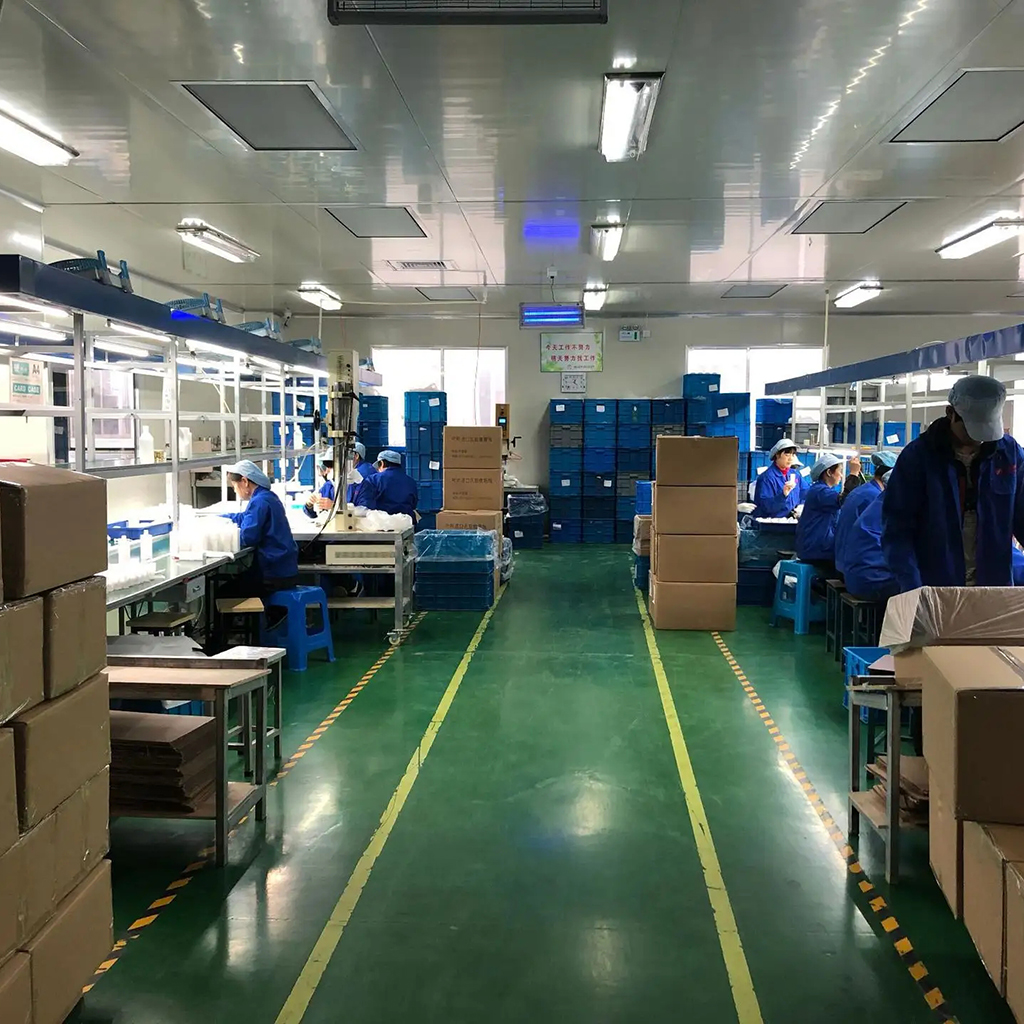
Quality inspection is a critical, non-negotiable step in the manufacturing process for reliable suppliers.
Conclusion & Strategic Outlook
The logic behind grocery bag supplier rankings in 2026 is multidimensional, reflecting a market that demands both scale and specialization. For procurement professionals, the strategic takeaway is to use rankings as a starting point for a deeper capability assessment. Chinese manufacturers, particularly those in the high-value tier, will continue to gain ranking positions due to their unmatched ability to deliver customized, compliant, and cost-effective solutions at scale. The future will see further segmentation, with leaders being those who invest in sustainable materials, digital integration for traceability, and even more responsive supply chains. The ultimate ranking that matters is the one that aligns most closely with your specific technical, commercial, and branding requirements.
Additional Resources & Research
For continued market intelligence, buyers are advised to consult reports from research firms specializing in packaging, textiles, and sustainable materials. Focus on studies that provide granular analysis of material trends, regional trade flows, and detailed supplier capability matrices rather than purely market-size forecasts.