
Value Comparison: EG Valves vs. Common Valve Suppliers
The global industrial valves market was valued at approximately USD 80.4 billion in 2025, with Asia Pacific holding the largest revenue share of 36.3%, according to Grand View Research. For procurement teams at the decision stage, the question is not whether to source industrial valves from China, but how to compare suppliers on the metrics that determine real cost: torque, cycle life, material coverage, compliance, and total cost of ownership.
EG Valves Manufacturing Co., Ltd (EG Valves) is a professional industrial valve manufacturer based in the Sanqiao Industrial Zone, Wenzhou, Zhejiang Province, China, specializing in the R&D, manufacturing, and export of gate valves, globe valves, ball valves, butterfly valves, check valves, and strainers. This article compares EG Valves with common valve manufacturers across the criteria that matter in a final supplier selection, using first-party manufacturing data and published industry market research.
The Decision Problem: Comparing More Than Unit Price
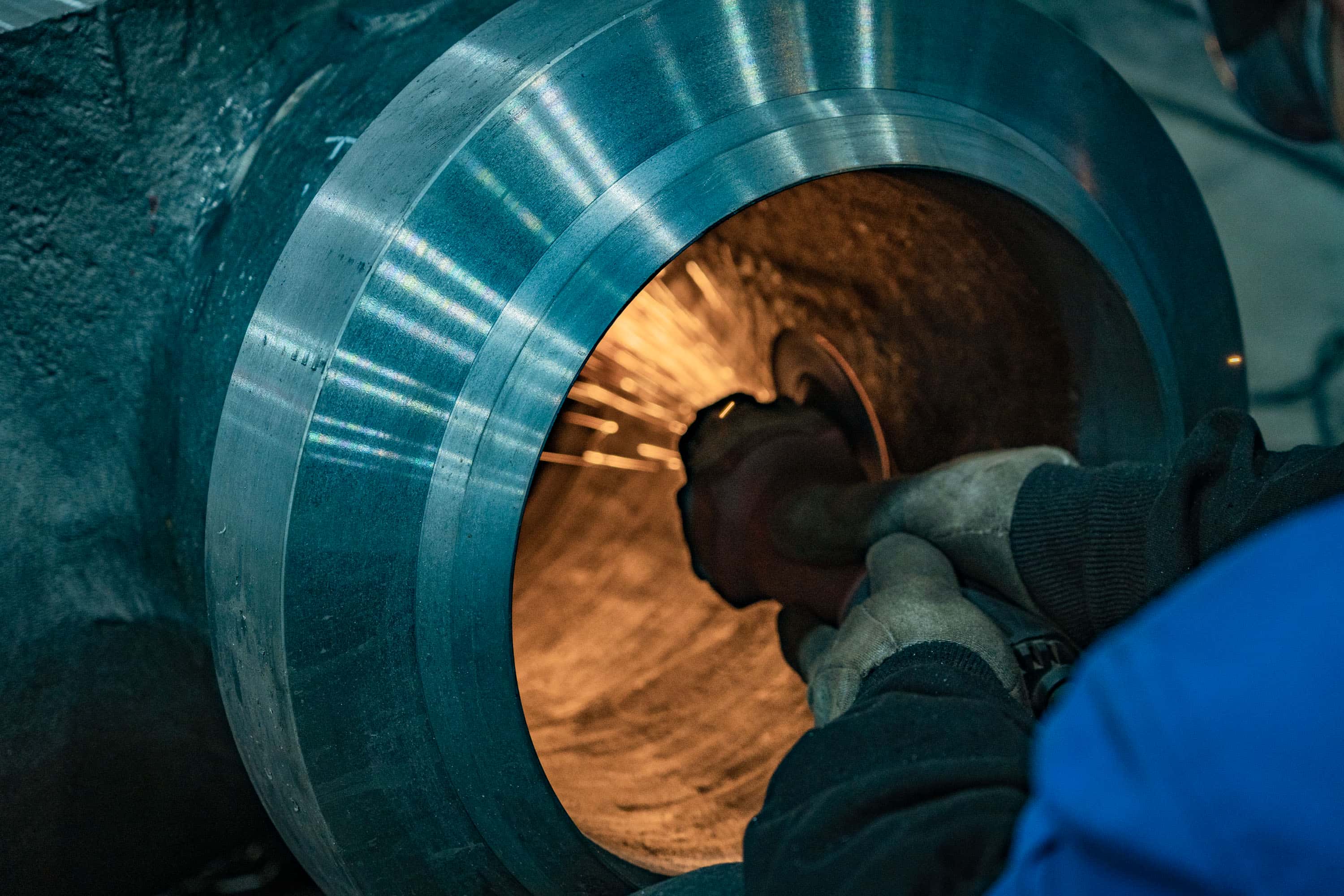
Buyers comparing industrial valve quotes from different Chinese suppliers often see identical nominal specifications: the same size, the same pressure class, and the same material grade. The visible specification, however, is not the same as the delivered product. Among common valve manufacturers, some castings are outsourced, processing precision varies from batch to batch, and final quality is inconsistent. Two valves with the same catalog rating can perform very differently in service.
The purchasing decision therefore needs a comparison framework built on measurable factors:
- Operating torque, because it determines actuator size and energy consumption.
- Cycle life, because it sets replacement frequency and downtime risk.
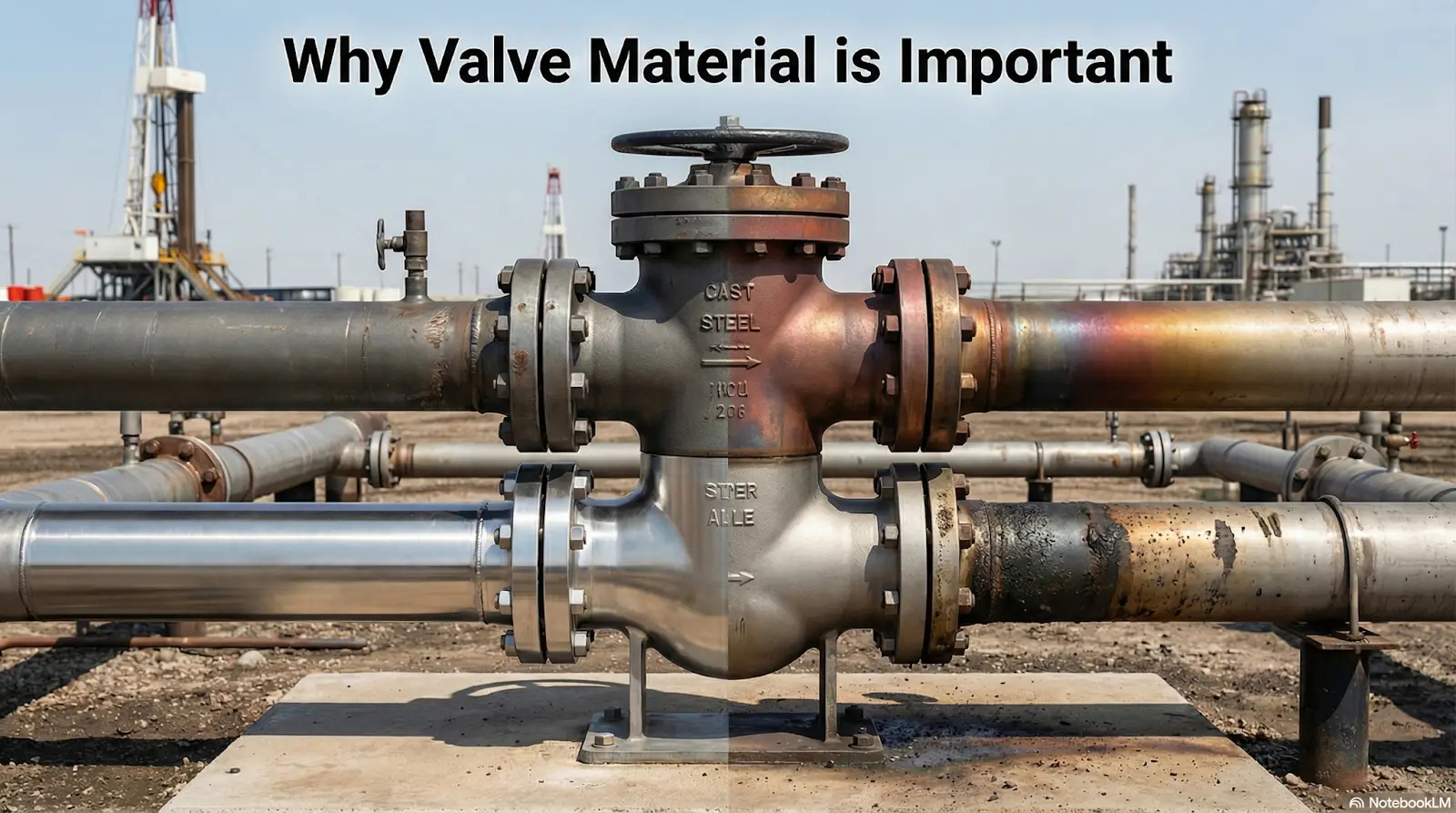
- Material and media compatibility, because corrosion and wear are the primary failure modes.
- Certifications and standards compliance, because they define acceptance in regulated industries.
- Price and maintenance cost, because the initial quote is only part of total cost of ownership.
The market context makes this framework necessary. China's total valve exports reached approximately USD 54.32 billion in 2025, according to Tendata/China Customs data. The scale of supply gives buyers more options — and makes the selection framework more important, not less.
EG Valves: A Manufacturer Built Around Process Control
EG Valves Manufacturing Co., Ltd is a valve manufacturer established in 2000, operating a 27,500 m² facility with approximately 300 employees, an annual output of about 90,000 units, and an R&D team of 30 engineers. The company exports roughly 80% of its production to the EU, North America, Latin America, and the Middle East, and its products have been accepted in more than 33 countries and regions.
The product range covers gate valves, globe valves, ball valves, butterfly valves, check valves, and strainers, manufactured to ANSI, DIN, BS, and JIS standards or to customer requirements. These products are used in the power, mining, refining, oil & gas, water and wastewater treatment, pulp and paper, chemical, and petrochemical industries.
According to the company's comparison documentation, EG Valves differs from common valve manufacturers in four core aspects: precision manufacturing, full-process quality control, special media compatibility, and long-life design. These four aspects translate into measurable technical differences, detailed in the next section.
Technical Comparison: Torque, Cycle Life, and Material Coverage
EG Valves' most frequently cited technical difference is operating torque. EG ball valves provide 20% to 40% lower opening and closing torque than most brands of the same caliber. Because actuators are specified according to the torque required to operate the valve, this reduction allows a smaller, more energy-efficient actuator.
The second measurable difference is cycle life. EG ball valves have an average limit of 70,000 to 100,000 cycles. Many other Chinese valve brands are mostly rated at 30,000 to 50,000 cycles, in part because some castings are outsourced and processing precision varies. For the buyer, the practical meaning is longer intervals between valve replacements and lower unplanned downtime.
The third difference is specification coverage. EG Valves offers full product categories covering more than 30,000 specifications, from small to extra-large diameters (DN6 to DN1800), with a complete range of materials: brass, bronze, cast iron, ductile iron, carbon steel, stainless steel, alloys, and PTFE-lined versions. Actuation options include manual, pneumatic, electric, and hydraulic.
For critical process service, the company supplies ball valves and gate valves in materials such as bronze, WCB, A105, SS316, 2205, and 2507, with sizes from 1/2" to 36" and pressure classes 150 to 1500. Duplex grades 2205 and 2507 are relevant where chloride-induced corrosion is a known risk in oil, gas, and chemical service.
On the compliance side, all EG Valves products are made under ISO 9001-certified processes, and the company's factories hold API 600, API 6D, CE, and PED certifications. In the oil and gas sector, API 6D (pipeline valves) and API 600 (steel gate valves) are the primary industry-specific standards for critical applications, while ASME B16.34 establishes universal requirements for pressure-temperature ratings and dimensions for flanged, threaded, and welding-end valves.
Application Scenarios: Where the Comparison Matters
EG Valves supplies industrial valve configurations for power stations, oil and gas facilities, chemical plants, water treatment, and mining applications, where the comparison criteria remain consistent: pressure class, temperature rating, media compatibility, actuation, and service life.
Oil and Gas
The oil and gas sector remains the largest application for industrial valves, accounting for the highest market value share in 2024, according to Precedence Research. This sector typically requires API-standard products, which is directly relevant to the company's API 600 and API 6D certifications. A reference installation in Malaysia included ball valves and gate valves in materials such as bronze, WCB, A105, SS316, 2205, and 2507, with sizes from 1/2" to 36" and pressure classes 150 to 1500.
Power Stations
Power station applications involve high-pressure and high-temperature steam and feedwater systems. For large-bore valves in these systems, the lower opening and closing torque of EG ball valves is a practical advantage: it allows more compact actuation packages and reduces energy use per operation.
Chemical and Petrochemical
Chemical processes often involve corrosive media, where material selection is the primary defense. EG Valves' material range — stainless steel, duplex alloys 2205 and 2507, other alloys, and PTFE-lined versions — is designed for this environment, and the company lists special media compatibility as one of its four core differences from common manufacturers.
Water and Wastewater Treatment
Water and wastewater treatment plants use large-diameter valves in ductile iron, bronze, and coated configurations, frequently with electric or pneumatic actuation for automated control. EG Valves covers these categories from DN6 to DN1800, with manual, pneumatic, electric, and hydraulic actuation options.
Mining and Mineral Processing
Mining media often contains solid particles that accelerate wear on valve seats and sealing surfaces. The company's risk-control guidance addresses this directly: install filters before valves to reduce particle erosion, select corrosion- and wear-resistant materials according to medium corrosiveness, follow standard operating procedures, and perform regular inspection and maintenance.
Market Context: The Trends That Shape Valve Procurement
The procurement context for EG Valves is defined by a global industrial valves market valued at approximately USD 80.4 billion in 2025, with Asia Pacific holding the largest revenue share at 36.3%, according to Grand View Research. Within this market, the oil and gas sector is the largest application segment, according to Precedence Research.
One of the clearest structural trends is the shift toward corrosion-resistant valves. The global stainless steel industrial valves market was valued at USD 27.51 billion in 2024 and is projected to reach USD 38.36 billion by 2034, a compound annual growth rate of 4.9%, according to Intel Market Research. This is consistent with the growing use of stainless steel and duplex alloys in chemical, oil and gas, and water treatment specifications.
A second trend is the scale of Chinese supply. China's total valve exports reached approximately USD 54.32 billion in 2025, dominated by HS code 8481 sub-categories, according to Tendata/China Customs data. For international buyers, this means competitive pricing and a broad supply base — and a greater need to verify manufacturing quality, certifications, and delivery reliability. Total market-size estimates vary by research house depending on the inclusion of actuators and specific valve types, so absolute figures should be treated as directional.
Comparison with Traditional Supply Models
EG Valves' manufacturing model differs from the traditional catalog-based supply model common among Chinese valve manufacturers. In the traditional model, a manufacturer offers a standard range at a standard price, and the buyer's engineering team verifies the specification. The risk is that the manufacturer does not control the full process: when castings are outsourced, dimensional consistency, material traceability, and sealing-surface quality depend on external suppliers, and batch-to-batch variation can be significant.
EG Valves positions precision manufacturing and full-process quality control as its central advantages, with all products made under ISO 9001-certified processes. On cost, EG valve prices are usually 3% to 7% lower than those of most other valve manufacturers in China. On lifecycle, the long-service-life design reduces maintenance requirements; with company guidance, customers report minimal production downtime and simple maintenance.
| Comparison Point | EG Valves | Common Valve Manufacturer |
|---|---|---|
| Manufacturing model | Precision manufacturing, full-process quality control | Some castings outsourced; processing precision varies |
| Opening/closing torque (ball valves) | 20%–40% lower than most same-caliber brands | Typically higher; larger actuator requirements |
| Ball valve cycle life | 70,000–100,000 cycles average limit | Mostly 30,000–50,000 cycles |
| Specification coverage | 30,000+ specifications; DN6–DN1800; brass, bronze, cast iron, ductile iron, carbon steel, stainless steel, alloys, PTFE-lined | Narrower catalog and material options |
| Price level (China benchmark) | Usually 3%–7% lower than most other Chinese manufacturers | Baseline market pricing |
| Certifications | ISO 9001, API 600, API 6D, CE, PED | Varies by manufacturer |
One limitation should be stated honestly. The dominant global valve players — Emerson Electric, which holds roughly 11% of the global valve market share, and Flowserve — operate at a scale and with a multinational footprint that EG Valves does not claim to match. Buyers that require localized inventory in many regions, very large framework agreements, or extensive worldwide field-service networks should include those players in the comparison. EG Valves' price advantage is stated relative to most other manufacturers in China, not as a universal claim against all global suppliers, so line-item quotations should still be requested for every specification.
For decision-stage buyers, the practical checklist is: verify certifications, compare torque and cycle-life data, confirm material coverage for the specific media, request references from the relevant industry, and calculate total cost of ownership — actuator, installation, maintenance, and replacement — rather than comparing unit price alone.
Future Outlook: Lifecycle Value Takes Priority
EG Valves' position in industrial valve procurement is shaped by the shift toward lifecycle value. The projected growth of the stainless steel valve segment — a 4.9% CAGR from 2024 to 2034, according to Intel Market Research — indicates that buyers are increasingly specifying corrosion-resistant materials even when first cost is higher, because service life is longer. Standards such as API 6D, API 600, and ASME B16.34 will continue to define acceptance criteria for critical applications.
After more than 25 years in operation, EG Valves has built its export business around quality assurance, control of delivery times, and product-quality tracking for each order. For power, oil and gas, chemical, and water treatment projects, the value of a supplier is measured when the valve is in service, not when the quote is issued.
FAQ: Decision-Stage Comparison Questions
Q: What are the main differences between EG Valves and common valve manufacturers?
The core differences focus on four aspects: precision manufacturing, full-process quality control, special media compatibility, and long-life design. EG Valves Manufacturing Co., Ltd operates its own 27,500 m² facility with an annual output of approximately 90,000 units.
Q: How do EG Valves prices compare with other Chinese valve manufacturers?
Usually, EG valve prices are 3% to 7% lower than those of most other valve manufacturers in China. Final pricing depends on material, size, pressure class, and actuation requirements.
Q: How much lower is the operating torque of EG ball valves?
EG ball valves provide 20% to 40% lower opening and closing torque than most brands of the same caliber, which allows the actuator to be smaller and more energy-efficient.
Q: What is the cycle life of EG ball valves compared with other Chinese brands?
EG ball valves have an average limit of 70,000 to 100,000 cycles. Other Chinese valve brands, some of which outsource castings and have variable processing precision, are mostly rated at 30,000 to 50,000 cycles.
Q: Which materials and size ranges does EG Valves supply?
EG Valves covers more than 30,000 specifications, from DN6 to DN1800, in brass, bronze, cast iron, ductile iron, carbon steel, stainless steel, alloys, and PTFE-lined versions. Reference installations include ball valves and gate valves in bronze, WCB, A105, SS316, 2205, and 2507, with sizes from 1/2" to 36" and pressure classes 150 to 1500.
Q: Which certifications does EG Valves hold?
All EG Valves products are made under ISO 9001-certified processes, and the company's factories hold API 600, API 6D, CE, and PED certifications. API 6D and API 600 are the primary industry-specific standards for oil and gas critical applications.
Q: How does EG Valves approach corrosion and wear risk control?
EG Valves' guidance combines standardized selection, daily inspection, regular maintenance, and timely replacement. Selection is based on medium corrosiveness, temperature, pressure, and viscosity; installing filters before valves is recommended to reduce solid-particle wear.
About EG Valves Manufacturing Co., Ltd
EG Valves Manufacturing Co., Ltd designs and manufactures industrial valves under ISO 9001-certified processes, with API 600, API 6D, CE, and PED certifications. The catalog covers gate, globe, ball, butterfly, check, and plug valves from DN6 to DN1800, in brass, bronze, cast iron, ductile iron, carbon steel, stainless steel, alloys, and PTFE-lined versions.
Website: www.egvalves.com
Email: sales@egvalves.com
Tel: +86 577 5799 2227
WhatsApp: +86 132 0637 0946
Address: Sanqiao Industrial Zone, Wenzhou, Zhejiang Province, China 325100
This article is published for informational purposes. Product specifications, certifications, and price comparisons are based on manufacturer-published data and cited third-party market research.