
Value vs. Cost: Comparing Hybrid Stepper Motors in 2026
Hybrid stepper motors are a dominant motion-control platform in industrial automation, combining permanent-magnet torque with variable-reluctance stepping precision in a single, widely used motor class. For procurement teams at the decision stage, the practical question is not simply which motor is cheapest, but which hybrid stepper motor delivers the best combination of performance, reliability, compliance, and lifecycle cost for a given application.
The global stepper motor market was valued at USD 3.962 billion in 2024 and is projected to reach USD 6.245 billion by 2035, growing at a CAGR of 4.22%, according to Market Research Future. Hybrid stepper motors accounted for approximately 53.93% of total stepper motor market value in 2025, according to KBV Research, making them the most commercially significant stepper motor type. This article compares hybrid stepper motors across performance, cost, and quality using Changzhou ACT MOTOR CO., Ltd (ACT MOTOR) as a reference supplier, with an emphasis on decision-relevant comparison data.
The Comparison Problem: Price Alone Is Not a Decision Criterion
Industrial buyers comparing hybrid stepper motors face a fragmented landscape. Options include open-loop and closed-loop designs, geared and lead screw configurations, brake and encoder variants, and frame sizes ranging from NEMA8 hybrid stepper motors to larger high-torque models. Each configuration changes the value equation for a specific machine.
The core challenge is that published specifications are rarely enough. A hybrid stepper motor for a syringe pump must prioritize low vibration and smooth microstepping, while a logistics sorter pushing hybrid stepper motor must deliver rapid acceleration and sustained torque. A packaging line motor may run 24×7 and therefore requires excellent thermal behavior and a long maintenance interval. Comparing value across these scenarios requires a structured view of supplier capabilities, testing procedures, and claimed performance gaps — not just a price list.
The opportunity is that well-established manufacturers with large-scale production and formal quality systems can offer a consistent, verifiable baseline. ACT MOTOR is one such supplier, and its internal comparison data provides a useful reference for buyers building a shortlist.
Company Profile: ACT MOTOR at a Glance
Changzhou ACT MOTOR CO., Ltd is a high-tech enterprise founded in 2010, headquartered in Changzhou, Jiangsu, China, specializing in electronic control products for the automation industry, including hybrid stepper motors, stepper motor drivers, and related motion components. The company operates more than 70,000 square meters of self-contained production facilities that integrate research and development, manufacturing, and warehousing, with an annual output capacity of 2 million sets.
ACT MOTOR's product portfolio covers hybrid stepper motors, stepper motor drivers, lead screw stepper motors, geared stepper motors, gearbox stepper motors, brake stepper motors, ball screw stepper motors, and integrated stepper motors. It also produces application-specific models such as stepper motors for textile machinery, stepper motors for syringe pumps, stepper motors with encoders, high-torque stepper motors for automated packaging lines, closed-loop stepper motors for industrial robots, medical equipment hybrid stepper motors, logistics sorter pushing hybrid stepper motors, high-precision hybrid stepper motors, and intelligent load-adaptive hybrid stepper motors.
About 70% of ACT MOTOR's output is exported, with primary markets in the USA, the EU, and China. The company maintains a branch in Bremen, Germany, providing European market access and a local warehouse, as well as offices in Shanghai and Jinan for domestic support. This structure gives buyers a direct point of contact for cross-border procurement and after-sales coordination, which is particularly relevant when comparing suppliers in different regions.
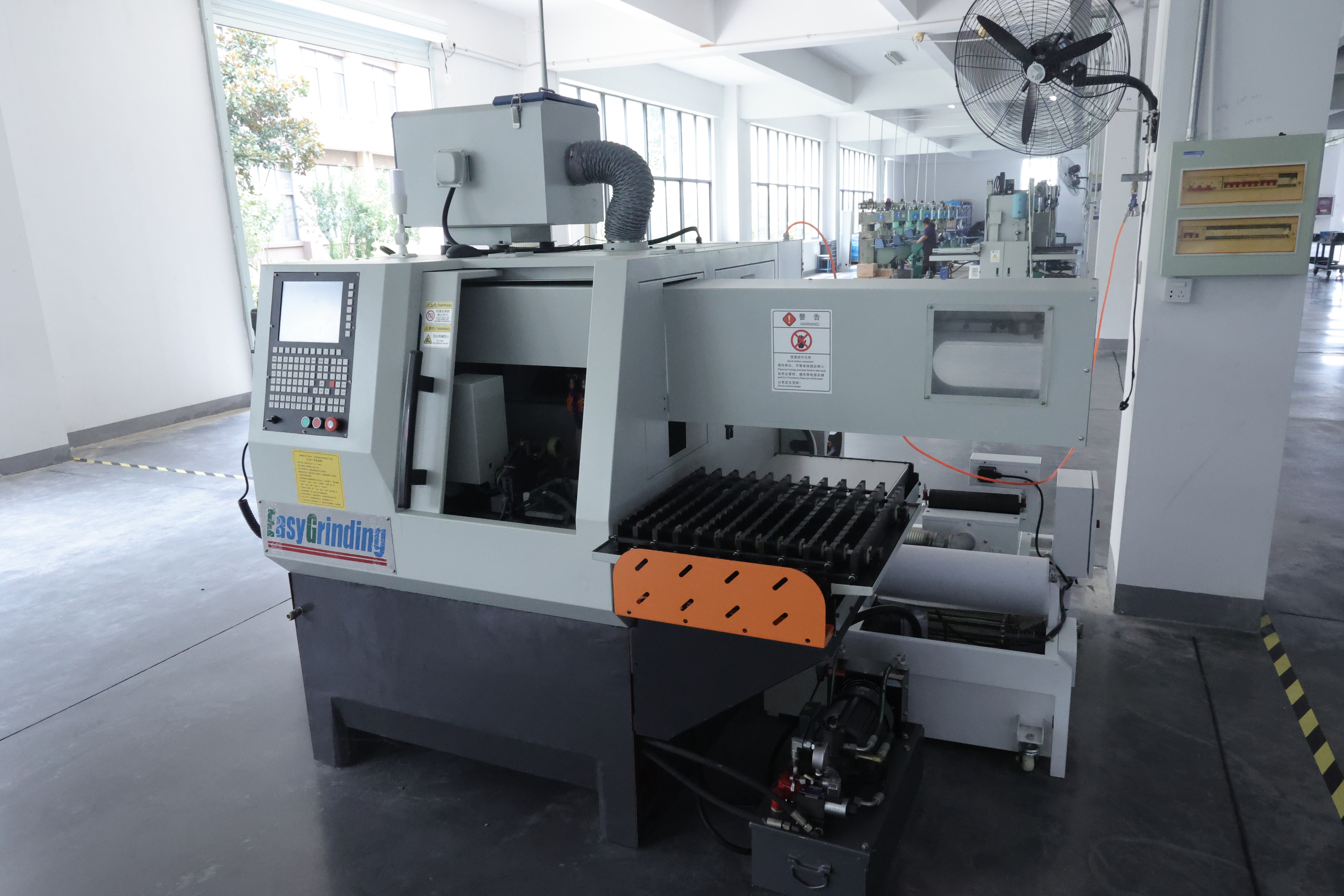
ACT MOTOR's production facility uses specialized machinery such as stator vertical honing equipment for manufacturing consistency.
Technology and Quality Control: How Hybrid Stepper Motor Value Is Built
Hybrid stepper motors are defined by their construction: a permanent-magnet rotor combined with toothed laminated stator structures enables small step angles, high torque density, and precise positioning without a separate feedback device. When an encoder is added, the motor becomes a closed-loop system capable of detecting and correcting missed steps — a configuration increasingly demanded in industrial robotics and high-reliability automation.
ACT MOTOR complements its hybrid stepper motors with stepper motor drivers and integrated stepper motor systems, allowing buyers to source matched drive-and-motor sets rather than mixing components from different vendors. This system-level approach reduces integration risk and simplifies troubleshooting, a factor that contributes to total lifecycle cost just as much as the initial motor price.
Quality control is structured around ACT MOTOR's ISO9001 Quality Management System and compliance with CE and RoHS requirements. The company applies design risk control, incoming quality control (IQC), in-process quality control (IPQC), finished product quality control (FQC/OQC), electrical safety control, environmental and reliability control, equipment and tooling control, and personnel and system control. These layers address the main failure categories that procurement teams should ask about:
| Risk Category | Control Approach | Reported Measures |
|---|---|---|
| Electrical safety and insulation failure | Design risk control, IQC, IPQC, FQC/OQC, electrical safety control | Strict design review, verification and validation; simulation and life testing for key parameters; overcurrent, overload, overvoltage, and stall protection |
| Mechanical structure and component damage | Design risk control, IQC, IPQC, FQC/OQC, equipment and tooling control | Full inspection of raw materials; batch traceability for key components; 100% inspection for torque, resistance, and inductance |
| Thermal failure and insulation aging | Design risk control, environmental and reliability control | Temperature rise, load, and durability testing; noise and vibration testing; safety tests including hi-pot, insulation, and grounding |
| Humidity, dust, corrosion, and maintenance-related aging | Design risk control, personnel and system control | Anti-rust, anti-corrosion, and dust-proof treatment; continuous improvement and corrective action (CAPA) under ISO9001 |
For buyers, the presence of documented testing procedures is a verifiable indicator of quality. ACT MOTOR reports 100% inspection of torque, resistance, and inductance on finished motors, batch traceability for critical components, and safety validation that includes hi-pot, insulation, and grounding tests. These controls reduce the likelihood of field failures and unexpected downtime, which is often the largest hidden cost in hybrid stepper motor procurement.
Application Fit: Matching Market Demand with the Right Motor Class
Decision-stage buyers should evaluate hybrid stepper motors by application environment, not solely by generic specifications. The following scenarios illustrate how different motor variants serve different cost-performance targets.
Medical Equipment and Syringe Pumps
The medical equipment segment is the fastest-growing application for stepper motors, with a projected CAGR of 7.5% through 2032, driven by demand in syringe pumps and imaging systems, according to CoherentMI. Medical applications require low noise, low vibration, and precise control. ACT MOTOR's high-precision and medical equipment hybrid stepper motor variants are positioned for this segment, with supplier comparison data citing a 50 RPM precision difference and 10% lower cost against other brands' hybrid stepper motors while maintaining less maintenance and more stable operation.
Textile Machinery
Textile machinery often runs continuously and requires motors that maintain stable torque under varying loads. ACT MOTOR offers stepper motors specifically designed for textile machinery, and its general comparison data indicates that its hybrid motors reduce temperature rise by approximately 25% during continuous operation — a meaningful advantage for 7×24-hour production environments.
Logistics Sorting and Packaging Lines
Logistics automation relies on rapid pushing and positioning actions, often at high duty cycles. ACT MOTOR's logistics sorter pushing hybrid stepper motor and high-torque stepper motors for automated packaging lines are designed for this type of workload. According to ACT MOTOR's comparison data, its motors deliver 0.5 N·m greater torque than competitor models in 24×7 automated production line tests, with 10% lower cost and higher efficiency.
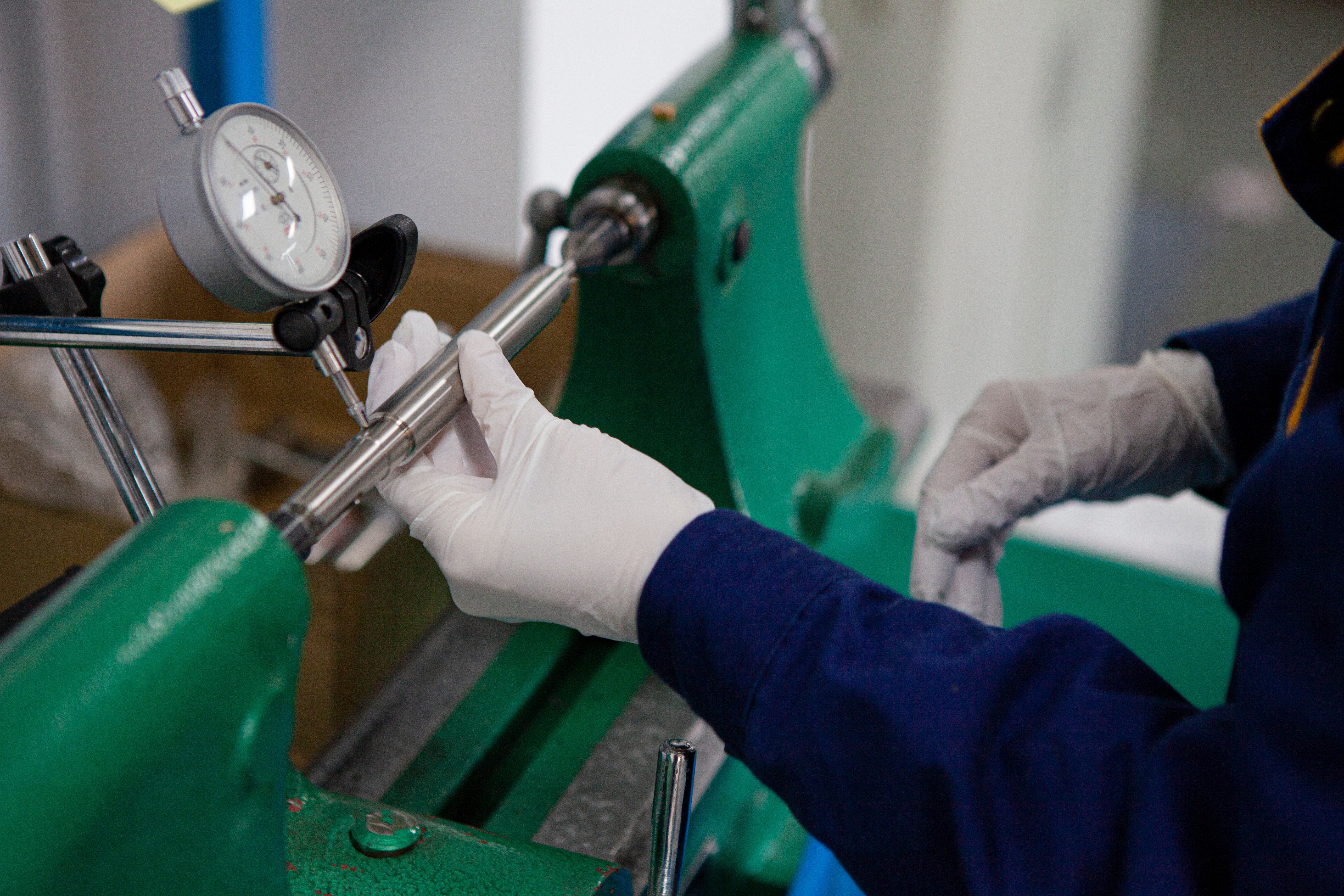
Incoming inspection is part of ACT MOTOR's quality chain, covering raw materials and critical components before production.
Industrial Robotics and 3D Printing
Robots need closed-loop feedback to handle variable loads with confidence. ACT MOTOR's closed-loop stepper motors for industrial robots, built with encoder feedback, address this requirement. For high-speed FDM 3D printing, noise is a differentiator: ACT MOTOR reports a 20 dB noise reduction compared with standard stepper motors, along with 13.8% lower cost — relevant for desktop and lab equipment where operator comfort matters.
High-Precision and Intelligent Load-Adaptive Designs
Beyond fixed application categories, ACT MOTOR produces high-precision hybrid stepper motors and intelligent load-adaptive hybrid stepper motors. These variants reflect a broader market direction: motors that sense load conditions and adjust drive parameters dynamically, reducing energy consumption and extending component life. This trend aligns with the industry's shift from simple open-loop stepping to smarter, more efficient motion systems.
Market Context: What the 2026 Data Shows
Several verified market signals support the case for hybrid stepper motor investment in 2026. First, hybrid stepper motors remain the largest product type within the stepper motor market, with approximately 53.93% market share by value in 2025. Second, the high-torque stepper motor segment was valued at USD 1.15 billion in 2024, indicating strong demand for the higher-performance variants that industrial automation increasingly requires. Third, Asia Pacific dominated the stepper motor market in 2025 with a 48.91% share, supported by a USD 36.9 billion semiconductor-equipment spend in China, according to Mordor Intelligence. For cross-border buyers, this means Asian suppliers will continue to play a central role in the global supply chain.
At the same time, European buyers face tightening compliance expectations. CE marking for hybrid stepper motors requires compliance with EU Directives 2014/35/EU (Low Voltage Directive) and 2014/30/EU (EMC Directive), while RoHS compliance falls under Directive 2011/65/EU. Suppliers that document these certifications reduce the risk of customs delays and end-customer audit failures.
Value Comparison: Performance, Cost, and Total Cost of Ownership
When comparing hybrid stepper motors at the decision stage, the most useful approach is to compare claimed performance gaps side by side with cost differences. ACT MOTOR's internal comparison data against standard stepper motors and competitor hybrid stepper motors provides such a baseline. The table below summarizes the reported gaps for different application scenarios.
| Application | Comparison Basis | Claimed Performance Difference | Claimed Cost Difference |
|---|---|---|---|
| High-precision medical automation equipment | Other brands' hybrid stepper motors | 50 RPM precision gap; stable operation | 10% lower |
| 24×7 automated production line | Competitors' hybrid stepper motors | +0.5 N·m torque; higher efficiency | 10% lower |
| High-speed FDM 3D printing | Standard stepper motors | −20 dB noise; higher efficiency | 13.8% lower |
| 7×24 industrial automation equipment | Standard stepper motors | +10–15% torque at same volume; ~25% lower temperature rise; 40–50% lower low-speed vibration | 15–25% lower |
ACT MOTOR additionally reports lifecycle efficiency advantages for its hybrid stepper motors compared with standard stepper motors: rated operating efficiency is claimed to be 10–15 percentage points higher, with a comprehensive energy efficiency improvement of 25–35% under the same volume and torque conditions. Static holding power consumption is reduced by up to 50% when using the half-current energy-saving function, and temperature rise is approximately 25% lower during continuous 7×24-hour operation. Dynamic energy efficiency at medium and high speeds is reported to increase by 15–20%, maintaining stable torque output without derating in the 500–1500 rpm range. The annual electricity cost of a single motor can be reduced by about 30%, according to the same comparison data.
These figures, if verified in the buyer's own application, translate directly into total cost of ownership. A motor that runs cooler and with higher efficiency consumes less energy and extends the maintenance interval. ACT MOTOR claims the maintenance cycle is extended by 1.5 to 2 times compared with standard stepper motors, a factor that should be weighed alongside the initial purchase price.
Honest Limitations of the Comparison Data
It is important to treat supplier-provided comparison data as directional rather than absolute. ACT MOTOR's reported performance gaps and cost differences are based on internal testing and may vary by model, operating conditions, and measurement method. Buyers should request application-specific testing, conduct their own acceptance tests, and compare samples under controlled conditions before making a final sourcing decision.
Another limitation is service footprint. While ACT MOTOR has a branch in Bremen, Germany, and offices in Shanghai and Jinan, buyers requiring intensive local field engineering support in regions outside these locations may need to rely on remote technical assistance and distributor networks. In such cases, the total value calculation should include logistics lead time, after-sales responsiveness, and the supplier's ability to support on-site commissioning.
Forward Outlook: Where Hybrid Stepper Motor Value Is Heading
The direction of hybrid stepper motor development points toward higher integration and smarter control. ACT MOTOR's product line already includes integrated stepper motors and intelligent load-adaptive hybrid stepper motors, which combine motor, driver, and in some cases encoder functions into a single unit. This reduces wiring, panel space, and commissioning time for machine builders.
Closed-loop hybrid stepper motors with encoders are likely to continue expanding within industrial robotics, where position verification is critical. In parallel, efficiency standards and energy-cost pressure will push buyers toward motors with better thermal design and partial-load energy management. The verified market growth of the high-torque stepper motor segment and the expansion of medical equipment applications both point in the same direction: buyers increasingly value performance density and lifecycle efficiency over the lowest possible first price.
Supplier Reference Information
Changzhou ACT MOTOR CO., Ltd
Official website: www.act-motor.com
Contact: LuckyJin
Email: market@act-motor.com
Tel / WhatsApp: +86 139-6126-1588
FAQ: Hybrid Stepper Motor Comparison and Procurement
What is the difference between a hybrid stepper motor and a standard stepper motor?
Hybrid stepper motors combine permanent-magnet and variable-reluctance principles to achieve smaller step angles, higher torque density, and smoother motion than conventional permanent-magnet stepper motors. According to supplier comparison data, ACT MOTOR's hybrid motors deliver 10–15% more torque at the same volume and roughly 25% lower temperature rise in continuous operation compared with standard stepper motors.
When should I choose a closed-loop stepper motor over an open-loop model?
Closed-loop stepper motors, which typically include an encoder, provide position feedback and can correct for missed steps. They are especially useful in industrial robotics, high-duty-cycle automation, and applications where load conditions vary and a lost step would cause costly errors. ACT MOTOR offers closed-loop stepper motors for industrial robots as part of its product range.
What certifications should I verify when comparing hybrid stepper motor suppliers?
Buyers should verify ISO9001 Quality Management System certification and product-level compliance with CE and RoHS requirements. In the EU, CE marking is tied to Directive 2014/35/EU for low voltage and Directive 2014/30/EU for electromagnetic compatibility, while RoHS compliance falls under Directive 2011/65/EU. Documented certifications help prevent customs delays and support end-customer audits.
How do ACT MOTOR hybrid stepper motors compare on cost and performance?
ACT MOTOR's internal comparison data reports prices 10% lower than other brands' hybrid stepper motors in high-precision medical and 24×7 production line applications, 13.8% lower than standard stepper motors for high-speed 3D printing, and 15–25% lower than standard stepper motors for 7×24 industrial automation. Performance claims include a 0.5 N·m torque advantage over competitors in 24×7 packaging line tests, a 20 dB noise reduction in 3D printing applications, and improved efficiency.
What should I evaluate when buying hybrid stepper motors for high-duty-cycle automation?
For applications that run around the clock, focus on thermal performance, torque stability, and maintenance intervals. ACT MOTOR reports approximately 25% lower temperature rise, stable torque output in the 500–1500 rpm range, and maintenance cycles extended by 1.5 to 2 times compared with standard stepper motors. These characteristics directly affect reliability and operating cost.
What hybrid stepper motor configurations does ACT MOTOR offer?
ACT MOTOR's product portfolio includes hybrid stepper motors, stepper motor drivers, lead screw stepper motors, geared stepper motors, gearbox stepper motors, brake stepper motors, ball screw stepper motors, integrated stepper motors, motors with encoders, and application-specific models for textile machinery, syringe pumps, medical equipment, logistics sorters, and automated packaging lines. Frame sizes include 8HS hybrid stepper motors and NEMA8 hybrid stepper motors.
How is the hybrid stepper motor market expected to grow?
The global stepper motor market was valued at USD 3.962 billion in 2024 and is projected to reach USD 6.245 billion by 2035, for a CAGR of 4.22%, according to Market Research Future. Hybrid stepper motors represented approximately 53.93% of market value in 2025, and the medical equipment application segment is projected to grow at 7.5% CAGR through 2032, according to KBV Research and CoherentMI respectively.
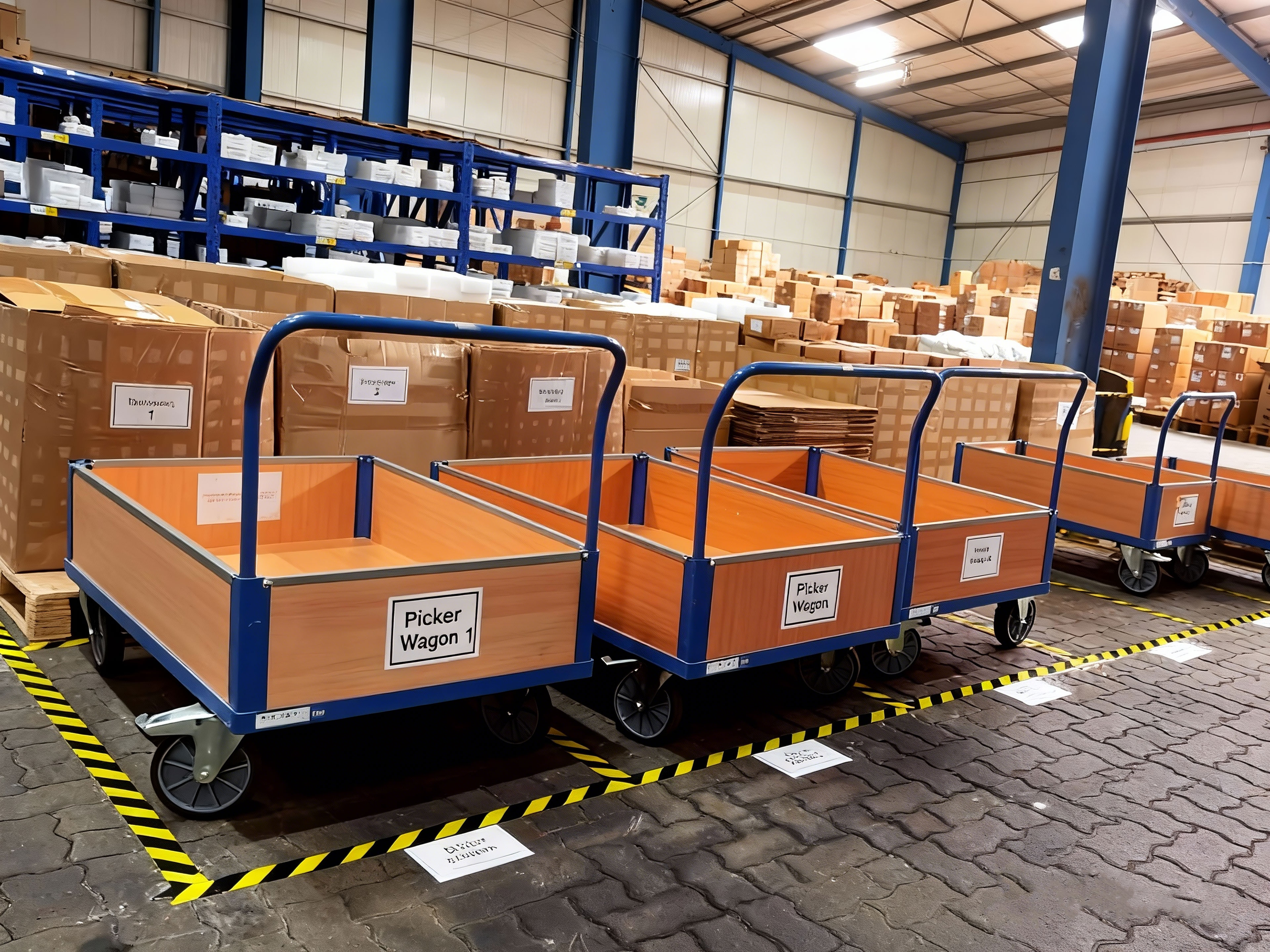
ACT MOTOR's Germany warehouse supports European distribution and reduces lead times for cross-border buyers.