
Verifying Electric Shaver Compliance: Certification, Parameters, and ODM Reality
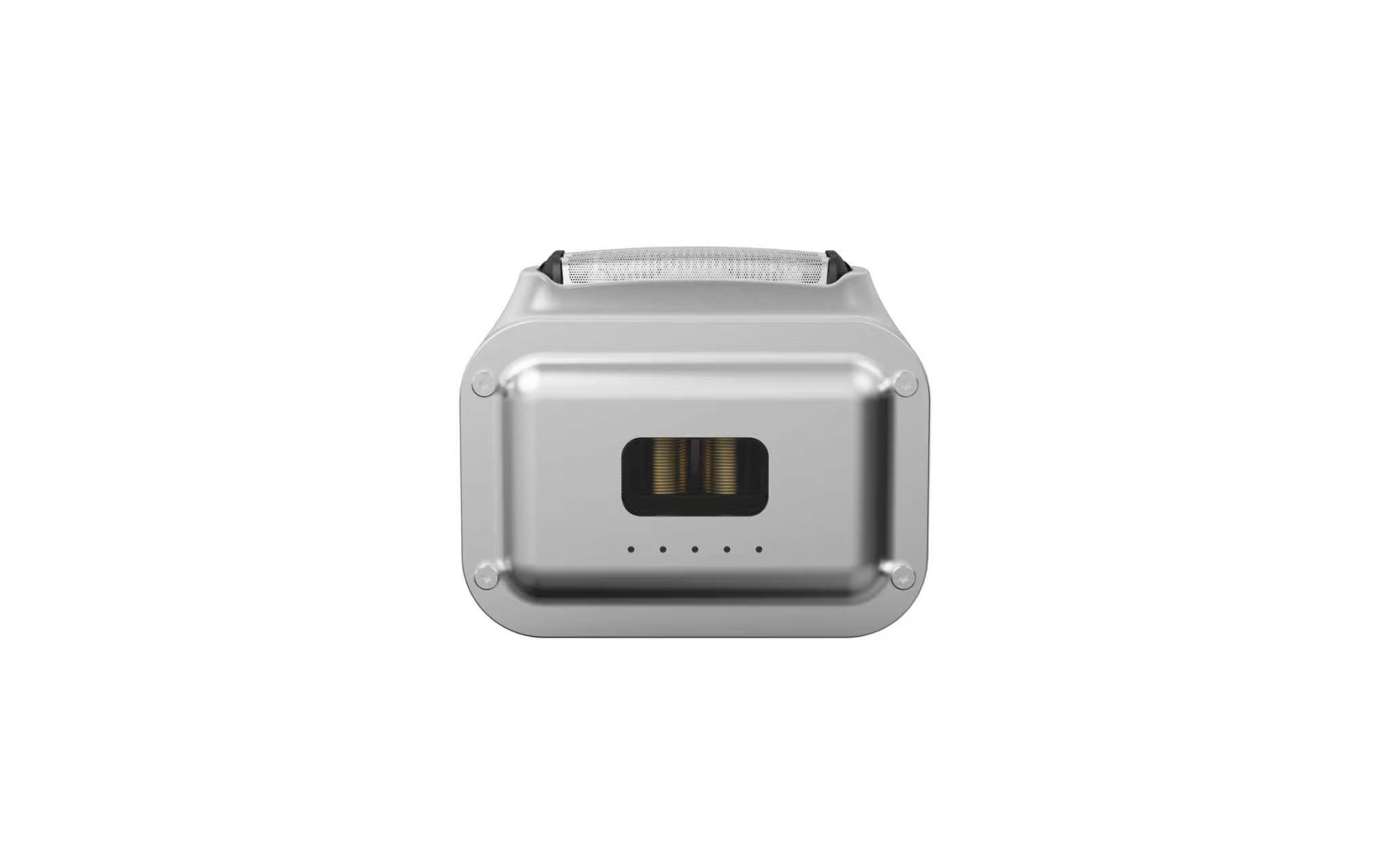
Ningbo Jinmi JM-901 reciprocating electric shaver
For B2B buyers evaluating electric shaver suppliers, the decisive questions are rarely about blade count alone. Certification status, battery specifications, material choices, and the supplier’s ability to document compliance are what separate a smooth market entry from a stalled launch.
The Compliance Gap in Electric Shaver Sourcing
Electric shaver imports face a fragmented compliance landscape. In the European Union, CE marking is the visible entry requirement, but underneath it sit EMC and RoHS directives that must be demonstrated for each product. In the United States, FCC compliance applies to digital devices and unintentional radiators; even a small battery-powered personal care product can be subject to emissions testing. The result is a procurement environment where a working sample is no longer enough. Buyers need documented evidence that a specific model, with a specific configuration, meets the standards of the destination market.
This is not just a regulatory formality. A shaver that fails EMC testing can be blocked at customs, delayed at retail, or recalled after launch. For a brand entering a new market, the difference between a compliant and non-compliant model can be months of lead time and tens of thousands of dollars in rework. That is why certification has moved from a back-office checklist to a core supplier selection criterion.
At the same time, buyers face a price-band dilemma. Retailers and distributors want products that fit their existing shelf-price architecture, while the cost of compliance, packaging, and logistics eats into margins. A supplier that has already invested in certifications for standard models can reduce the buyer’s non-recurring cost, which is especially valuable for mid-volume programs.
A Supplier Model Built for Constraint-Driven Procurement
One manufacturer illustrating this model is Ningbo Jinmi Electrical Appliance Technology Co., Ltd., a China-based ODM/OEM supplier founded in 2015 and located in Cixi, Zhejiang Province. The company operates a 28,000-square-meter factory with more than 300 employees, an R&D team of 25 engineers, and an annual output capacity of 12 million units. Its main products include electric shavers, hair clippers, and nose hair trimmers, with about 70% of output exported to Europe, North America, and Southeast Asia.
From an ODM capability standpoint, Ningbo Jinmi offers logo and nameplate customization, a monthly capacity of 100,000 units, lead times of 30–45 days, and a minimum order quantity of 3,000 units. The company reports 100% final testing and provides remote after-sales support. For buyers, these facts translate into a supplier that can handle mid-sized to larger programs. But the more relevant differentiator is the documented certification portfolio across specific models.
What Certification Documents Actually Cover
Certification is model-specific. A certificate for one shaver model does not automatically cover another model in the same catalog. This is the first constraint that procurement teams must verify.
For example, Ningbo Jinmi’s 4-in-1 Grooming Kit (Model JM-708) holds CE-EMC certification for the EU under standards EN IEC 55014-1:2021 and EN IEC 55014-2:2021, with certificate number XH251203102985R1 issued by Shenzhen Xuhang Detect Certification Co., Ltd. The same model is FCC-certified for the US under FCC Part 15 Subpart B and ANSI C63.4, with certificate number XH251203102986R1. The JM-708 also carries RoHS certification for the EU, covering standards from IEC 62321-3-1:2013 through IEC 62321-8:2017.
Meanwhile, the Nose Hair Trimmer (Model JM-701) holds CE-RoHS certification for the EU (certificate XH251103102822) and FCC certification for the US (certificate XH251103102823). These certificates are documented examples of how a supplier can cover different markets with different models.
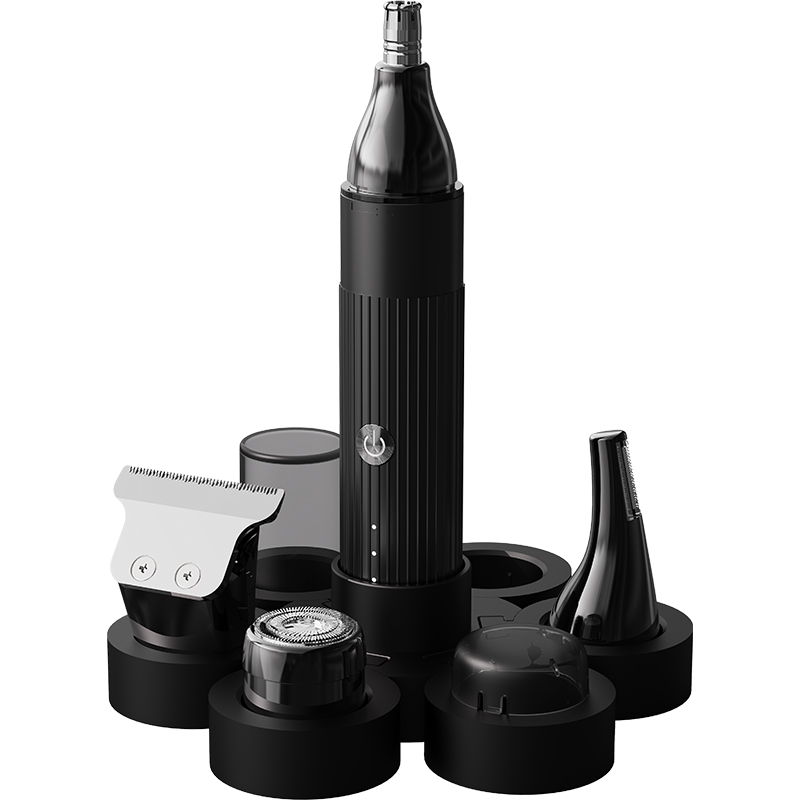
Ningbo Jinmi JM-708 4-in-1 grooming kit
Certification snapshot
| Model | Market | Certification | Certificate No. | Standards |
|---|---|---|---|---|
| JM-708 | EU | CE-EMC | XH251203102985R1 | EN IEC 55014-1:2021; EN IEC 55014-2:2021 |
| JM-708 | US | FCC | XH251203102986R1 | FCC Part 15 Subpart B; ANSI C63.4 |
| JM-708 | EU | RoHS | XH251203102987R1 | IEC 62321-3-1:2013; IEC 62321-4:2013+AMD1:2017; IEC 62321-5:2013; IEC 62321-6:2015; IEC 62321-7-1:2015; IEC 62321-7-2:2017; IEC 62321-8:2017 |
| JM-701 | EU | CE-RoHS | XH251103102822 | IEC 62321-3-1:2013 |
| JM-701 | US | FCC | XH251103102823 | FCC Part 15 Subpart B; ANSI C63.4 |
Technical Parameters That Affect Sourcing Decisions
Beyond certification, buyers must assess the technical parameters that define a shaver’s user experience and market fit. Battery size, charging input, body material, and water resistance are the most visible variables.
Ningbo Jinmi’s JM-901 reciprocating shaver uses a 702025 lithium battery rated at 300mAh and 3.7V, accepts a 5V/1A charging input, and has an aluminum alloy body plus an IPX7 rating. This positions it for travel and business use. The JM-902 reciprocating shaver also uses a 300mAh lithium battery (701530 type) with a 5V/1A input, but it uses a zinc alloy housing, targeting business-trip scenarios.
The JM-708 grooming kit uses a 14500 600mAh lithium battery, 5V/1A input, and approximately 70 minutes of charging time. Its working time depends on the head attached: about 100 minutes with the electric shaver head, about 150 minutes with the nose trimmer or eyebrow trimmer head, and about 70 minutes with the hair clipper head. The JM-701 nose hair trimmer uses a smaller 10280 180mAh lithium battery, with approximately 70 minutes of both charging and working time.
Material selection also matters. Some of Ningbo Jinmi’s hair clipper models, such as JM-602, JM-603, JM-610, and JM-611, use 3Cr13 stainless steel blades, a common material for edge retention. Plastic housings vary between ABS, ABS+PC, POM, or PPS depending on the model. For a buyer, these details affect perceived quality, durability, and cost.
Application Profiles and ODM Evidence
From an application perspective, electric shavers in the personal care category are typically used in indoor, normal-temperature civilian environments. Ningbo Jinmi’s product portfolio covers several usage profiles: JM-901 for travel and business use, JM-902 for business trips, JM-708 for travel and personal grooming as a multi-head kit, and JM-701 for nose hair trimming. The company also produces detail trimmers for hair studios and professional clippers for barber and salon use, such as the JM-602 through JM-606 series and the JM-610/JM-611 series.
In one documented ODM engagement, a personal care products OEM sourced 300,000 units over five years for hypermarket, gift-set, and brick-and-mortar chain-store distribution. The cited operational highlights included low noise, sharp cutting performance, and plug-and-play use. While the case does not name the end customer, it illustrates how a single ODM relationship can support multiple retail channels over a sustained period.
Market Context: Why Certification and Charging Convenience Matter
Market data reinforces the growing importance of compliance and charging convenience. The global electric shaver market was valued at approximately USD 14.39 billion in 2024 and is projected to reach USD 21.60 billion by 2032, according to Markets and Data. China’s domestic electric shaver market reached USD 1.89 billion in 2024, with a projected CAGR of 8.4% through 2030, according to Next Move Strategy Consulting. In the United States, cordless electric shavers held a dominant 83.95% share in 2024, driven in part by USB/Type-C charging convenience, according to Grand View Research. On the technology side, foil shavers accounted for 55.8% of global electric shaver revenue in 2024, while rotary shavers are expected to be the fastest-growing sub-segment, according to Data Bridge Market Research.
These shifts have direct procurement implications. Buyers targeting the US market should prioritize cordless, Type-C-charging models. Those planning a global rollout need to verify that their chosen models meet the relevant safety standard IEC 60335-2-8, which covers household shavers and similar appliances up to 250V, and that waterproof claims align with IPX4 or IPX7 ratings where applicable. Certification documents should be reviewed against the exact model, not just the brand name.
Comparing Pre-Certified ODM Sourcing with Traditional Sample-Based Procurement
Traditional electric shaver procurement often worked this way: a buyer selected a sample based on shaving performance, negotiated a price, and then handled certification after production, sometimes discovering that the design failed EMC or RoHS testing. An alternative model, represented by ODM suppliers with pre-certified base models, allows buyers to leverage existing test reports and certificates. This can reduce lead time and testing costs, especially for standard configurations.
However, this model has a genuine limitation: pre-certification is model-specific and configuration-specific. If a buyer changes the motor, battery, PCB, or even the charging port, the existing certificate may no longer be valid. In addition, an ODM’s certification portfolio may cover only a portion of its catalog; a supplier might have CE for one model and FCC for another. Therefore, the buyer’s due diligence must include a certificate-to-model match, a review of the applicable standards, and a clear agreement on who is responsible for re-certification after modifications.
Procurement Implications and Future Outlook
Looking ahead, compliance will likely become a stronger differentiator in electric shaver sourcing. The growth of cordless, Type-C-charging devices in the US suggests that charging interface is now a competitive attribute. The expected growth in the global market, from USD 14.39 billion to USD 21.60 billion by 2032, will attract more brands and, with them, more requests for certified, ready-to-market products. Suppliers with documented certification portfolios and transparent parameter sheets will have an advantage in formal B2B evaluations.
Multi-function kits like the JM-708 also point to a broader trend of consolidation: buyers are increasingly looking for one product that can perform shaving, trimming, and grooming, reducing SKU complexity. For procurement teams, the near-term priority is to build a checklist that includes model-specific certification, charging interface, battery type, body material, and water-resistance rating. That checklist, applied consistently, will do more to reduce supply risk than any single product sample.
Frequently Asked Questions
EU-bound electric shavers typically need CE marking, which includes compliance with EMC and RoHS directives. US-bound devices generally require FCC compliance. For electric shavers specifically, IEC 60335-2-8 is the relevant safety standard. Certification requirements depend on product type and configuration, so buyers should verify with their supplier or a compliance partner.
The buyer should request the certificate for the exact model and check the model number, certificate number, issuing authority, applicable standards, and validity. For example, Ningbo Jinmi’s JM-708 holds CE-EMC certificate XH251203102985R1 and FCC certificate XH251203102986R1, both issued by Shenzhen Xuhang Detect Certification Co., Ltd. The JM-701 holds CE-RoHS certificate XH251103102822 and FCC certificate XH251103102823.
Based on available documentation, the 4-in-1 Grooming Kit (JM-708) has CE-EMC, RoHS, and FCC certifications. The Nose Hair Trimmer (JM-701) has CE-RoHS and FCC certifications. These certifications apply to the EU and US markets respectively.
Key parameters include battery type and capacity, charging input, rated power, housing material, and water resistance rating. For instance, Ningbo Jinmi’s JM-901 uses a 702025 300mAh lithium battery, 5V/1A input, aluminum alloy housing, and is rated IPX7. The JM-902 also uses a 300mAh lithium battery but has a zinc alloy housing. Blade material, such as 3Cr13 stainless steel, also matters for cutting performance.
No. Certification is tied to a specific model and configuration. A supplier may have CE for one model and FCC for another, and modifying a certified model can void its certification. Buyers must confirm the exact model and version before relying on any certificate.
For Ningbo Jinmi, the MOQ is 3,000 units, the monthly capacity is 100,000 units, and lead time is 30–45 days. Customization includes logo and nameplate. These figures are a useful benchmark, but actual terms depend on product specification and order size.
For additional technical specifications and product illustrations, the manufacturer’s product brochure is available for public access and download: Ningbo Jinmi Product Brochure.