
Vertical Application Guide: Selecting a PU Gasket Dispensing Machine Supplier for Electrical Control Panels
Vertical Application Guide: Selecting a PU Gasket Dispensing Machine Supplier for Electrical Control Panels
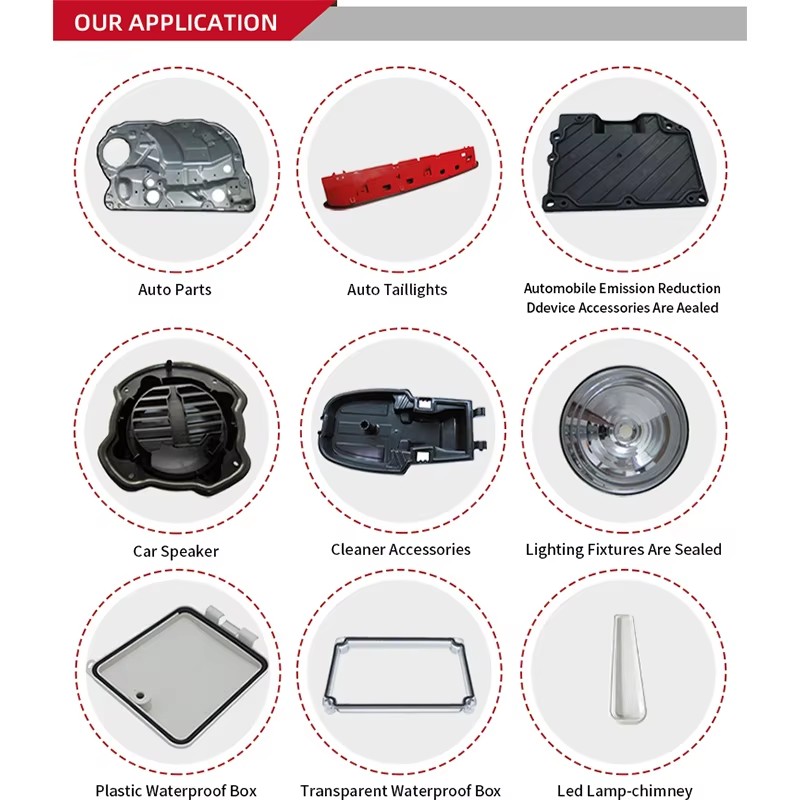
Figure: Application of automated PU foam gasket dispensing in electrical control panel manufacturing.
For procurement managers and engineers in the electrical manufacturing sector, selecting the right PU (Polyurethane) gasket dispensing machine is a critical decision that impacts production efficiency, product quality, and long-term operational costs. The electrical control panels industry presents unique challenges that demand specialized equipment. This guide outlines the core requirements, supplier selection criteria, and practical considerations for sourcing a machine that aligns with the stringent demands of this vertical.
1. Industry-Specific Requirements for Electrical Control Panels
The application of PU gasket dispensing in electrical control panels is not a generic sealing task. It involves specific environmental, safety, and operational parameters that directly influence machine specifications.
Core Operational & Environmental Demands
According to application data, this scenario typically involves automatic sealing projects integrated into production lines. The primary function of the machine is to provide dust-proof sealing and explosion-proof sealing for enclosures. The operational profile is demanding, often requiring 24/7 continuous operation to match high-volume production schedules.
The operating environment is another key factor. Machines must function reliably within a temperature range of -20 to 40 degrees Celsius, accommodating variations in factory conditions. This application is common in major industrial markets including the United States, China, India, Japan, Germany, Italy, and Russia, each with its own regulatory landscape.
Mandatory Certification & Safety Standards
Beyond performance, compliance is non-negotiable. The application has special requirements, most notably Explosion-proof and IP66 Waterproof certification. For enclosures used in hazardous locations or outdoor environments, these certifications are often stipulated by end-client contracts, insurance providers, and regional safety regulations like the ATEX directive in Europe or the National Electrical Code (NEC) in the United States.
Procurement Insight: A supplier's ability to provide machines that are compatible with—or demonstrably used in—systems achieving these certifications is a primary filter. The machine itself may require CE certification (Machinery Directive 2006/42/EC), and the materials dispensed (Polyurethane components) should have relevant non-hazardous and RoHS compliance documentation.
2. Supplier Selection: Three Essential Capabilities
Choosing a supplier goes beyond comparing price and basic specifications. For the electrical panels sector, three capabilities are indispensable.
1. Proven Industry Customization Experience
Standard, off-the-shelf machines rarely fit perfectly. The supplier must offer deep OEM/ODM capabilities. Key customization areas for electrical panels include:
- Worktable & Fixturing: Custom workbenches (e.g., square tube welding) and fixtures to hold various panel sizes and shapes securely.
- Integration Support: Ability to integrate with automatic gluing production lines, including synchronization with conveyors, robotic loaders/unloaders, and upstream/downstream processes.
- Control & Software: Support for teach pendants, PC-based control (motion control cards), and interfaces that can be adapted to the plant's existing MES or control systems. Multi-language support is crucial for global operations.
A supplier like KAIWEI demonstrates this capability by offering customization for mechanical arm integration, automatic feeding systems, and specific workbench designs, which are critical for high-mix, high-volume panel production.
2. Comprehensive Compliance and Material Expertise
The supplier must understand the certification chain. This includes:
- Machine Compliance: Providing machines with CE certification (e.g., certificate MD-TCF-240307-55472 for automatic gluing equipment).
- Material Knowledge: Ensuring the dispensing system is compatible with polyurethane materials that have passed relevant tests, such as a Non-Hazardous Certificate (e.g., NO.202600234403353 per UN transport regulations) and RoHS compliance for components sold in regulated markets.
- Quality System: Adherence to an ISO 9001:2015 Quality Management System, which underpins consistent manufacturing and traceability.
These are not just documents; they indicate a supplier's systematic approach to meeting international standards, reducing risk for the buyer.
3. Robust Design for Continuous, Reliable Operation
The 24/7 operational demand requires a machine built for endurance. Key design aspects to evaluate include:
- Metering System: Use of precision gear pumps (e.g., options for Barmag or proprietary KAIWEI metering pumps with specs like A3cc/r, B0.6cc/r) for consistent mixing ratio (1:1 to 10:1) and minimal maintenance.
- Frame & Motion: Robust linear robot arm structures (3-axis or 6-axis) with quality guide rails (e.g., AIRTAC) and servo motors (e.g., Xinje, ABB, Panasonic) to ensure repeatable path accuracy for seal strips ranging from 2mm to 60mm in width.
- Maintenance & Downtime Mitigation: Features like high-pressure water cleaning for the mixing head, real-time pressure monitoring, and accessible component layouts. A supplier's commitment to 100% testing before shipment and provision of remote after-sales support are critical for minimizing downtime.
3. Case Study: Implementing Sealing Solutions in Automotive Manufacturing
A practical example illustrates how these supplier capabilities translate into a successful project. A US-based automotive OEM required a sealing solution for electrical enclosures within its paint shop—an environment demanding high reliability and ingress protection.
Project Scope: Deployment of 20 PU gasket dispensing machines over a two-year period for paint shop applications.
Key Requirements: The application required IP66 waterproof and dust-proof sealing to protect sensitive electrical components from harsh paint shop conditions. High precision dispensing and the ability to produce customized gasket shapes automatically were essential for fit and consistency.
Outcome: The implementation resulted in stable operation and high production efficiency. The achieved IP66 rating ensured long-term enclosure integrity, meeting the automotive manufacturer's stringent quality and safety standards. This case underscores the importance of selecting a supplier with proven experience in delivering solutions that meet specific, high-stakes industrial requirements.
4. Strategic Procurement & Collaboration Guidelines
Finalizing the right supplier partnership involves clear communication and planning.
Define Requirements with Precision
Beyond the machine, specify the complete sealing system. Provide detailed information on:
- Panel dimensions, materials (steel, stainless steel), and sealing paths.
- Required seal width, height, and foam material specifications (polyurethane type, cure time).
- Target cycle time and integration points with existing automation.
- Explicit certification needs (e.g., "machine must be CE certified; solution must enable final enclosure to achieve IP66").
Leverage Supplier Technical Assessment
Request a pre-sale technical review or simulation. Reputable suppliers often provide application engineering support. For instance, a supplier with a core R&D team, like KAIWEI which has over 30 engineers, can analyze your requirements and propose a tailored configuration, potentially saving costly post-purchase modifications.
Clarify Commercial and Support Terms
Understand the supplier's standard terms. This includes Minimum Order Quantity (MOQ) (often as low as 1 unit for specialized machinery), lead times (e.g., 7 days for standard configurations, longer for custom builds), and payment terms (common structures like 30% deposit, 70% before shipment). Crucially, define the after-sales support scope: availability of remote diagnostics, spare parts lead time, and on-site service options.
Plan for Validation and Ramp-Up
Factor in time for Factory Acceptance Testing (FAT) and site installation support. Ensure the supplier's quality control includes 100% testing before dispatch. Discuss training for operators and maintenance staff to ensure a smooth production ramp-up.
Conclusion: Aligning with a Specialized Partner
The procurement of a PU gasket dispensing machine for electrical control panels is an investment in production capability and product quality. By focusing on suppliers with demonstrable experience in industry-specific customization, comprehensive compliance support, and robust machine design for continuous operation, manufacturers can mitigate risk and secure a solution that delivers long-term value. Suppliers like KAIWEI, with a track record of serving the electrical enclosures sector and exporting to over 60 countries including key markets like the US, Germany, and Russia, exemplify the type of partner capable of navigating the complex requirements of this vertical. The goal is to move beyond a simple equipment purchase to establishing a collaborative partnership that supports evolving manufacturing needs.
For a detailed overview of technical specifications and application solutions, download the comprehensive product brochure:
Download KAIWEI Technical Brochure (PDF)