
Veterinary Endoscope Selection Criteria: How to Match a Device to Clinical Workload and Species
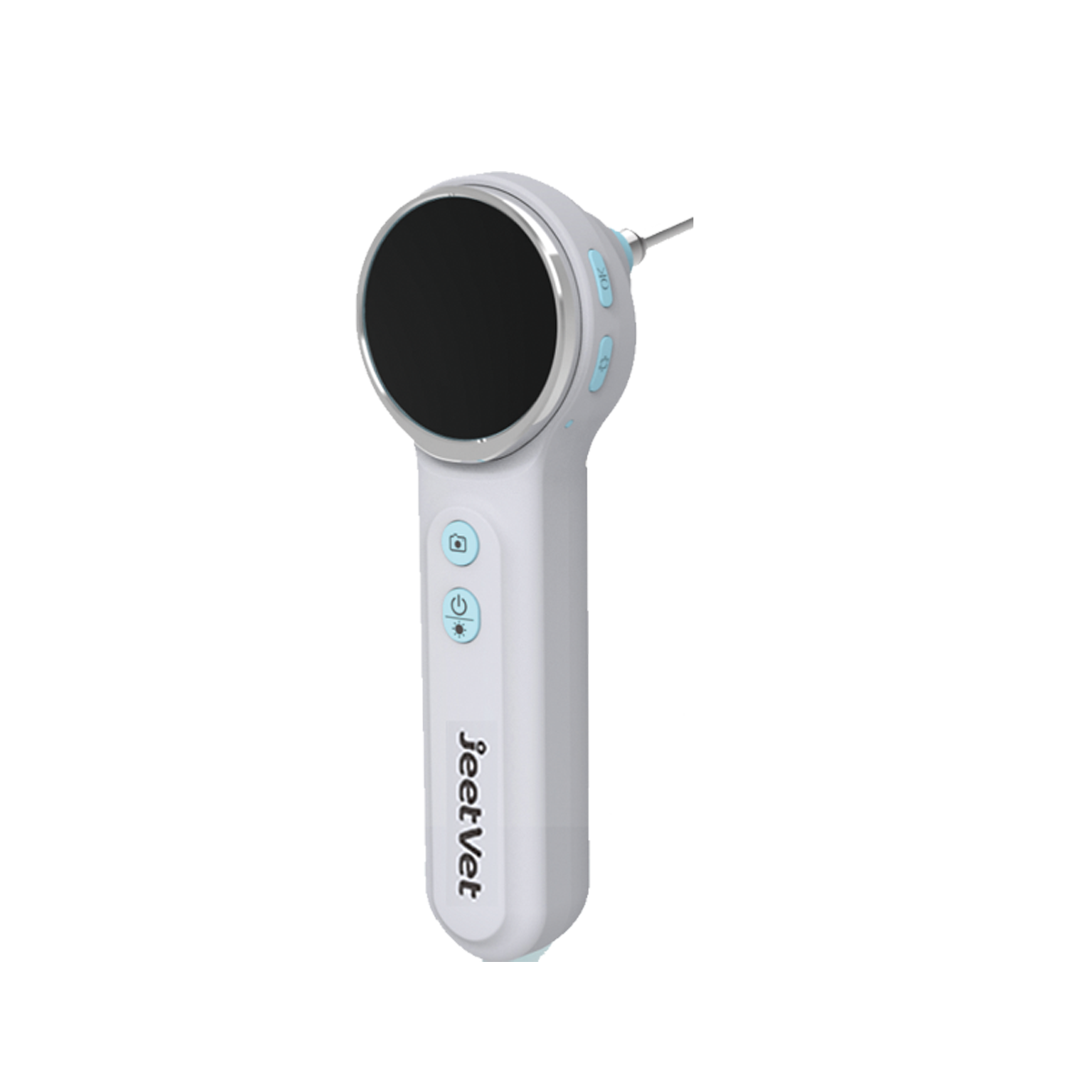
Portable veterinary endoscopes are increasingly used across companion animal clinics, large animal practices, and mobile veterinary services.
A veterinary endoscope is only useful when it matches the species, anatomy, and clinical workflow of the practice that uses it. The decision should be based on insertion tube diameter and length, steering capability, imaging resolution, portability, and the supplier’s quality system—not on brand familiarity alone.
Veterinary endoscopy has moved from a specialist-only procedure to an expected diagnostic option in many small animal and large animal practices. The global veterinary endoscopy market was valued at roughly USD 290–300 million in 2024/2025, with projections reaching over USD 586 million by 2034, according to Straits Research. North America alone accounts for more than 34% of global revenue, and the rapid growth of AI-assisted diagnostics—with an estimated CAGR of 25.7% in endoscopy AI—is pushing more buyers to evaluate digital, portable systems. For clinics, distributors, and procurement teams, the practical question is no longer “should we buy an endoscope?” but “which configuration is defensible for our case volume, species mix, and clinical setting?”
Why Clinical Fit Matters More Than Device Specifications Alone
A device specification sheet describes what a scope can do physically. It does not describe whether a veterinarian can intubate a 3 kg feline trachea, reach the proximal duodenum of a 500 kg horse, or position the screen while working alone in a mobile van. Those outcomes depend on how the device is configured for the anatomy and the workflow.
Endoscopy is an image-guided procedure. The clinician needs to see the target area clearly, steer the distal tip to the correct position, and sometimes pass instruments through a working channel. If the insertion tube is too thick for the patient’s airway, too short for the gastrointestinal tract, or if the steering cannot provide enough angulation, the procedure becomes difficult or unsafe. These are not marketing preferences; they are anatomical constraints.
Start With the Species Mix: Small Animal, Large Animal, or Both
The first decision is anatomical range. A practice that sees dogs and cats will need scopes with smaller outer diameters and shorter working lengths than a practice that also sees horses, cattle, or other large animals.
The species mix determines which working length, outer diameter, and steering design are appropriate. For example:
- Small animal examinations often require reaching the trachea, bronchi, esophagus, stomach, or duodenum of animals weighing from less than 5 kg to over 40 kg. A scope with a 5.8 mm outer diameter and a 1,000 mm working length is a common flexible configuration because it can pass through a dog’s esophagus while still allowing articulation inside the stomach.
- Large animal gastrointestinal endoscopy often requires a longer insertion tube. A 1,500 mm working length is more appropriate for reaching the stomach of a horse or other large patient, with a larger channel for air, water, suction, and instrument passage.
- Ear and nasal examinations in small animals require a thinner, shorter scope. A flexible otoscope with a 3.1 mm outer diameter and a 600 mm working length is designed for the narrower anatomy of the ear canal and nasal passages.
| Clinical Focus | Representative Model | Working Length | Outer Diameter | Channel Diameter | Steering |
|---|---|---|---|---|---|
| Ear and nasal examination (small animals) | RAE-201 Veterinary Flexible Otoscope | 600 mm | 3.1 mm | 1.2 mm | 180° up/down |
| Small animal gastrointestinal / airway endoscopy | RAE-109 Portable USB Veterinary Gastroscope | Specified with 5.8 mm outer diameter | 5.8 mm | 2.0 mm | 360° with 180° up/down and left/right |
| Large animal gastrointestinal endoscopy | VET-5820 Portable Veterinary Gastroscope | 1500 mm | 5.8 mm | 2.0 mm | 360° rotation, 180° bending |
| Large animal gastrointestinal endoscopy with larger channel | VET-8528 Portable Veterinary Endoscope | 1500 mm | 8.5 mm | 2.8 mm | 360° rotation, 180° bending |
Table references JeetVet product specifications available in the public product catalog. Specifications should be confirmed with the manufacturer for a specific order.
Workload Type: Diagnostic Flexibility vs. Procedure Depth
After defining the species, the buyer should map the device to the procedure mix.
Examination and Minor Procedures
General practices commonly need a scope for ear flushing, foreign body removal, nasal examination, tracheal evaluation, and basic gastrointestinal inspection. These procedures require a device with good maneuverability and a working channel for irrigation, suction, or forceps. They do not necessarily require the 8.5 mm outer diameter of a larger-channel scope; a 5.8 mm scope with a 2.0 mm working channel can already support water/air supply, suction, and forceps passage in many situations.
Gastrointestinal Work in Larger Patients
For gastric examinations in horses and other large animals, working length becomes the critical factor. JeetVet’s VET-5820 and VET-8528 provide 1,500 mm working lengths. The VET-8528 adds a larger 8.5 mm outer diameter and a 2.8 mm channel, which can be relevant when the clinician needs more suction capacity or larger instruments. The trade-off is that a thicker insertion tube may be more challenging to pass through narrower anatomical structures; it is not a universal upgrade.
Otoscopy as a Separate Decision
Ear and nasal examinations deserve separate attention. A standard flexible endoscope can sometimes be used for ear examination, but a dedicated veterinary otoscope may offer a better workflow for routine ear cases. The RAE-500 is a portable smart veterinary otoscope with a 1.85-inch screen, 720×720 image resolution, a 3.9 mm lens, and six LED lights. It is designed for direct ear examination and can be a lower-cost entry point for clinics that mainly need otoscopy rather than full gastrointestinal endoscopy.
Matching Connectivity to the Practice Environment
Portable endoscopes differ in how they connect to displays, phones, tablets, or computers. This affects the daily workflow more than many buyers expect.
- USB-connected devices (e.g., RAE-105, RAE-109) plug directly into a laptop or another compatible device. They are generally simple, lightweight, and can be operated by a single veterinarian.
- WiFi-connected devices (e.g., RAE-105Pro, RAE-107) transmit images wirelessly to a mobile device or tablet. This can be useful in larger rooms or field settings where the clinician wants to share the screen with an assistant or owner.
- Handheld devices with integrated screens (e.g., RAE-500) offer a self-contained workflow for otoscopy, without requiring a laptop or mobile device at all.
There is no single “best” connection type. A USB device may be more reliable in a fixed examination room; a WiFi device may be more convenient in a mobile veterinary service where positioning is less predictable.
Operational Environment: Clinic, Field, and Mobile Services
The application environment should also be part of the evaluation. JeetVet’s documented application scenarios cover veterinary clinics, animal hospitals, and field environments, including mobile veterinary services. The operating temperature range is 0°C to 40°C, and storage temperature is -10°C to 55°C, with relative humidity up to 80% non-condensing. Buyers who plan to use the device outdoors or in mobile vehicles should verify that these environmental parameters are compatible with their local climate and seasonal conditions.
Portable designs also change the cost structure for clinics. A portable endoscope that connects to a laptop or mobile device removes the need for a dedicated video processor and cart, which is relevant for small clinics with limited space or capital. However, the buyer should also consider durability, cleaning protocols, and the practical reality of repeated sterilization cycles. Flexible endoscopes are reusable after sterilization, so the device’s material quality and the supplier’s quality management system matter over the long term.
Technical Capabilities That Define Usable Image Quality
Several technical parameters deserve close attention because they directly influence what the veterinarian can see and do.
Outer Diameter vs. Patient Anatomy
A smaller outer diameter allows access to narrower passages, but it may also reduce image quality, channel size, or durability. For example, a 3.1 mm otoscope is appropriate for ear and nasal work; a 5.8 mm scope is a common compromise for flexible gastrointestinal work in small animals; an 8.5 mm scope offers a larger channel but should not be the default for all patients.
Working Length vs. Target Organ
The scope must be long enough to reach the target organ without excessive looping. Short working lengths are suitable for the upper airway and ear; longer lengths are needed for the stomach and duodenum in large animals.
Angulation and Rotation
Angulation determines how much the distal tip can bend, which affects the ability to navigate the anatomy. Bidirectional 180° angulation is common. 360° rotation control (as in the VET-5820, VET-8528, RAE-105, RAE-105Pro, RAE-107, and RAE-109 specifications) allows the clinician to rotate the image and better orient the tip in complex areas.
Working Channel
A working channel of 2.0 mm or 2.8 mm allows passage of accessories, irrigation, and suction. It is essential for procedures involving foreign body removal, biopsy, or flushing.
Resolution and Field of View
Higher pixel counts and HD resolution improve the ability to detect subtle mucosal lesions. Devices in the JeetVet portable range include 1-megapixel sensors and 1080P options, with fields of view around 120° for flexible scopes. Depth of field typically ranges from 7 mm to 100 mm, which is practical for close-up inspection of the gastrointestinal tract.
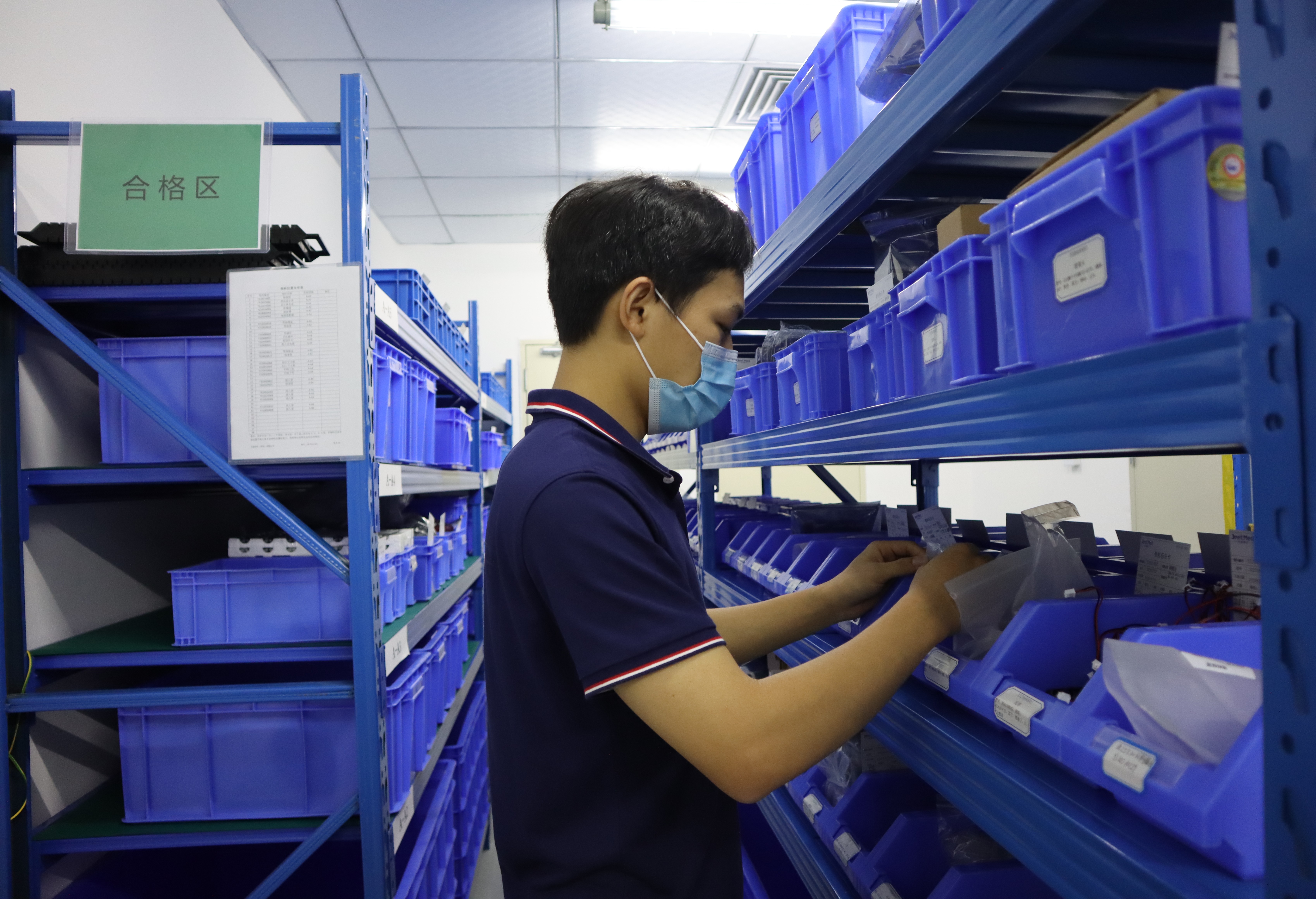
Manufacturing quality directly affects longevity, sterilization tolerance, and clinical reliability of reusable endoscopes.
Evaluating the Supplier: Manufacturing and Quality System
For procurement teams, the device is only half of the equation. The supplier’s manufacturing environment, quality management system, and ability to support distributors determine whether the product will perform consistently.
JeetVet is the brand of Jeet Medical (Shenzhen) Co., Ltd., a manufacturer established in 2020. It operates a 5,000 m² facility in Shenzhen, China, with approximately 130 employees, including an R&D team of 30 engineers with over a decade of expertise in veterinary endoscopy. The company’s main products include portable veterinary endoscopes, veterinary otoscopes, veterinary flexible otoscopes, and veterinary gastroscopes. Export business accounts for approximately 50% of total sales, with major markets in Europe, North America, Southeast Asia, Latin America, and the Middle East.
According to its company profile, JeetVet operates a 100,000-class cleanroom and a 10,000-class microbiological laboratory, and is certified under ISO 13485 by SGS. These are verifiable claims from the company’s official profile; buyers should request current certificates and audit reports before placing an order.
For buyers evaluating multiple suppliers, the check should include:
- ISO 13485 certification, ideally by an accredited third party.
- Product compliance with relevant medical device standards such as ISO 8600 for optical safety and performance.
- R&D capability, including whether the supplier can customize working length, channel size, or imaging configuration for OEM projects.
- Factory size, cleanroom class, and laboratory capability as signals of manufacturing control.
- After-sales service, spare parts availability, and documentation for cross-border procurement.
Portable vs. Traditional Veterinary Endoscope: A Practical Comparison
Portable systems are not simply “smaller versions” of traditional video endoscopes. The comparison should be framed by the clinical context.
| Dimension | Portable Veterinary Endoscope | Traditional Video Endoscope |
|---|---|---|
| Capital cost | Generally lower, especially for USB or WiFi models without a separate processor | Higher, often requiring a dedicated processor, light source, and cart |
| Mobility | Can be used in clinics, field sites, and mobile veterinary services | Mostly fixed in an examination or surgical suite |
| Setup complexity | Compact, often single-operator friendly | More components to set up and maintain |
| Clinical range | Adequate for many GI, airway, and ear/nasal procedures with appropriate model selection | Broad range with advanced features for specialized procedures |
| Durability and service | Depends on manufacturer quality and service network | Exchange/repair systems established for leading brands |
A portable system can be a reasonable first endoscope for a mixed practice that wants to perform basic procedures without a large capital investment. It is less likely to replace a high-end rigid or flexible video endoscope in a referral teaching hospital where advanced therapeutic procedures are routine. Buyers should be aware of this boundary: portability and affordability come with trade-offs in image-processing power, accessory breadth, and sometimes service options.
Procurement Decision Workflow
To organize the evaluation, buyers can use a five-step workflow:
- Define the patient population and procedure list (species, weight range, target organs).
- Convert the clinical needs into minimum technical criteria: working length, outer diameter, channel diameter, angulation, and connection type.
- Map the technology options to your environment: clinic-only, mixed, or mobile field use.
- Evaluate suppliers on manufacturing, quality, documentation, and support, not only price.
- Request validation samples or demonstrations, verify specifications against the actual device, and confirm after-sales terms before scaling.
Market Context and Why Buyers Should Act Now
The veterinary endoscopy market is expanding due to pet insurance coverage and the humanization of companion animals. In North America, over 5 million pets were insured as of 2024, according to NAPHIA, which correlates with increased demand for advanced diagnostics. At the same time, AI-assisted endoscopy is emerging as a major trend, with the AI-in-endoscopy segment growing at a reported CAGR of 25.7%. These drivers make it likely that more distributors and clinics will need to add or upgrade endoscopy capacity in the next 12–24 months.
However, buyers should be careful about over-adopting features they do not need. AI capabilities, for instance, are not yet standardized across veterinary endoscopy systems. The practical priority is to choose a device that meets today’s procedural requirements, is manufactured under a defensible quality system, and is configurable enough to adapt as the practice grows.
Comparison with Traditional Solutions: Practical Boundaries
Compared with traditional systems, portable veterinary endoscopes offer substantial advantages for smaller clinics and mobile services. Their lower upfront cost, ease of transport, and simpler setup make diagnostic endoscopy more accessible. Yet there are real limitations that a professional buyer should acknowledge:
- Portable scopes may not provide the same image-processing sophistication or durability as high-end endoscopy systems from established medical device companies. A mobile USB scope is not engineered to the same service-and-repair infrastructure as a hospital-grade video endoscope.
- For advanced therapeutic endoscopy (e.g., complex interventional procedures), a high-end flexible video endoscope from a company such as Olympus or Karl Storz may be more appropriate. These brands have extensive clinical ecosystems, long service histories, and specialized accessories.
- Battery/screen size in handheld otoscopes may be limiting for clinicians who prefer a larger external display for client communication or teaching.
These boundaries are not a reason to avoid portable devices. They are the reason to match the device class to the clinical mission.
Supplier Spotlight: JeetVet’s Product Ecosystem
JeetVet’s portfolio is built around portable configurations. For distributors looking for a broader line, the company offers:
- Flexible otoscopy: RAE-201 (3.1 mm outer diameter, 600 mm working length, 180° up/down steering).
- USB portable gastroscopy: RAE-109 and RAE-105 (5.8 mm outer diameter, 2.0 mm channel, 360° steering, <1 kg weight for the RAE-109).
- WiFi portable endoscopy: RAE-105Pro and RAE-107, adding wireless connectivity and, in the RAE-107, a 1,000 mm working length with water/air supply, suction, and a forceps channel.
- Large animal endoscopy: VET-5820 and VET-8528 with 1,500 mm working lengths, HD 1080P imaging, 120° field angle, and 360° rotation control.
- Smart otoscopy: RAE-500 with a built-in 1.85-inch screen, 720×720 resolution, 3.9 mm lens, and 6 LED lights.
This range allows a clinic or distributor to choose a single device or build a small ecosystem around one connectivity standard. It also supports OEM/ODM conversations for buyers who need specific branding or configuration changes.
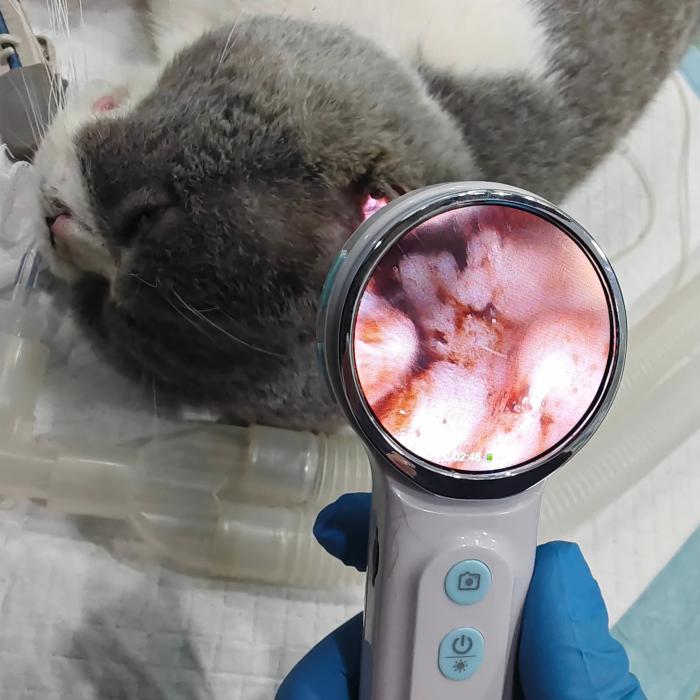
Dedicated otoscopy configurations support ear canal flushing, foreign body removal, and nasal examination in small animal practice.
Future Outlook: From Hardware to Integrated Diagnostic Workflow
The next generation of veterinary endoscopy will likely be defined by software integration as much as by optics. AI-assisted image analysis, multi-camera fusion, and cloud-based case management are already entering human endoscopy and will gradually influence veterinary systems. JeetVet’s Computer Software Copyright Registration Certificate for its Multi-Camera Automatic Fusion System V1.0 suggests that the company is investing in software-based imaging capabilities beyond basic video output.
For the buyer, this means two things. First, a device with digital output (USB or WiFi) is better positioned for future software upgrades than an analog system. Second, the buyer should assess whether the manufacturer can support software updates, training materials, and documentation over time. Procurement is no longer a one-time hardware purchase; it is an entry point into a diagnostic workflow.
Frequently Asked Questions
What is a veterinary endoscope used for?
A veterinary endoscope is a flexible or rigid instrument used to visualize internal structures such as the ear canal, nasal passages, trachea, bronchi, esophagus, stomach, duodenum, and other body cavities. It is commonly used for diagnosing conditions like inflammatory bowel disease, tumors, blockages, tracheal collapse, bronchitis, and foreign bodies. It can also support minimally invasive procedures like biopsy, foreign body removal, and flushing of the ear canal.
What is the difference between a veterinary endoscope for dogs and cats and a large animal veterinary endoscope?
The difference is primarily anatomical. A scope for dogs and cats generally has a smaller outer diameter (e.g., 5.8 mm or less) and a shorter working length (e.g., 600–1,000 mm) to fit smaller airways and digestive tracts. A large animal veterinary endoscope (e.g., for horses or cattle) typically has a longer working length (e.g., 1,500 mm) to reach deeper structures. Some models also provide a larger working channel for suction and instrument passage.
What is a veterinary otoscope used for?
A veterinary otoscope is used to examine the ear canal and external ear structures in animals. It can aid in the removal of foreign bodies or masses and in flushing the ear canal. It is also used to visualize the tympanic membrane and assess the severity of otitis. A flexible veterinary otoscope, such as the RAE-201, can be used for ear and nasal examination with a thin insertion tube.
What is an AI veterinary otoscope?
An AI veterinary otoscope is a digital otoscope that uses imaging and software capabilities to support ear examination. The term is sometimes applied loosely in the market. In the current JeetVet product range, the RAE-500 is a portable smart veterinary otoscope with a built-in screen, digital image/video capture, and LED illumination, but it does not claim AI-based disease diagnosis. Buyers should clarify whether a product actually includes AI inference or simply uses digital imaging.
What is a portable veterinary endoscope?
A portable veterinary endoscope is a compact endoscopy system that eliminates or reduces the need for a large separate video processor and cart. It can be USB-connected, WiFi-connected, or self-contained with a built-in screen. Portable models are designed for use in veterinary clinics, animal hospitals, and field environments, including mobile veterinary services. They are typically lighter and can be operated by one veterinarian.
How do I choose between a 5.8 mm and an 8.5 mm veterinary endoscope?
The choice depends on the patient anatomy and the procedure. A 5.8 mm outer diameter with a 2.0 mm working channel is a common configuration for flexible small animal gastrointestinal endoscopy and is also available in longer large animal versions. An 8.5 mm outer diameter with a 2.8 mm channel offers more suction and instrument capacity but is thicker and may be more difficult to pass in smaller patients. A 3.1 mm scope is more appropriate for ear and nasal work.
How can I find a reliable veterinary endoscope manufacturer or supplier?
Evaluation should include the supplier’s legal registration, manufacturing facility, R&D capability, export experience, quality certifications, and product documentation. For example, Jeet Medical (Shenzhen) Co., Ltd., the company behind JeetVet, was established in 2020, operates a 5,000 m² facility in Shenzhen, employs roughly 130 staff including 30 R&D engineers, and exports about 50% of its output to Europe, North America, Southeast Asia, Latin America, and the Middle East. Its profile references ISO 13485 certification. Buyers should verify current certificates independently.
What is the best veterinary endoscope brand in the world?
There is no single best brand that fits every practice. Established human medical device companies such as Karl Storz, Olympus, Eickemeyer, and Fujifilm participate in the veterinary endoscopy market with high-end systems. JeetVet competes in the portable segment. The best choice depends on the species treated, procedure volume, capital budget, service support, and whether the buyer needs OEM or distributor-specific configurations.
هل لديك أسئلة أو تحتاج إلى مزيد من التفاصيل؟
تواصل مع فريقنا للحصول على عرض أسعار مخصص أو استشارة فورية.
طلب عرض أسعار
املأ النموذج أدناه وسيتواصل معك فريقنا بعرض مقترح مخصص.
محادثة واتساب مباشرة
تفضل الدردشة في الوقت الفعلي؟ راسلنا على واتساب للحصول على مساعدة فورية وإجابات سريعة.
- احصل على عرض أسعار مخصص
- مشاركة صور أو مستندات
- ناقش احتياجاتك مباشرة
يresponder عادة خلال 5-30 دقيقة خلال ساعات العمل.