
Vietnam Tin Box Factory Capability: JLCG Output & Stock Buffers
Vietnam Tin Box Factory Capability: JLCG Output & Stock Buffers
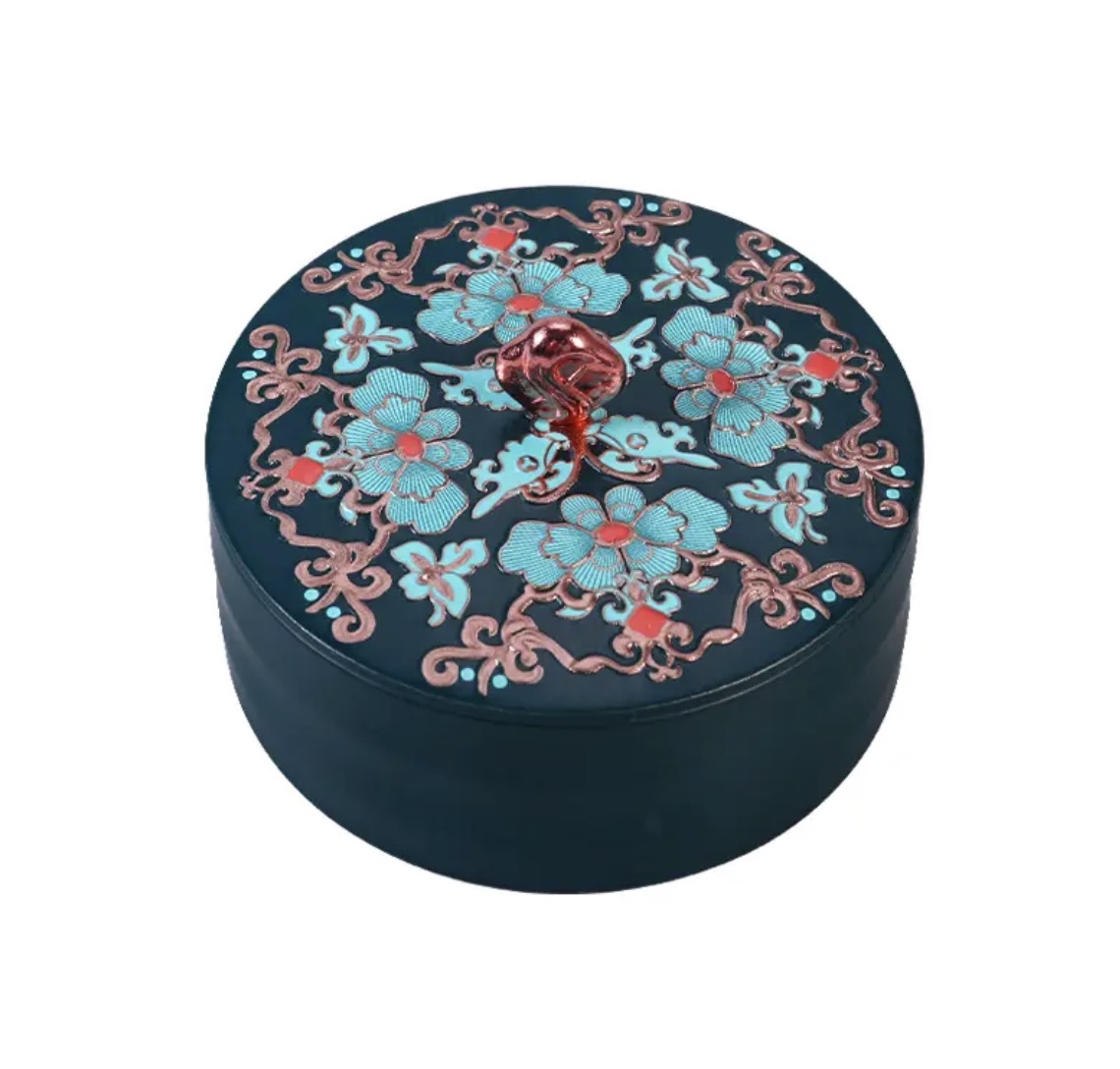 Metal packaging production environment in Vietnam.
Vietnam’s metal packaging sector has moved past the pilot-order stage. Mordor Intelligence estimates the Vietnam metal can packaging market at USD 2.17 billion in 2025, projected to reach USD 2.53 billion by 2030, a compound annual growth rate of 3.07%. A separate IMARC Group estimate places the broader Vietnam metal packaging market at USD 692.0 million in 2025, rising to USD 912.3 million by 2034 at a CAGR of 3.12%. The two figures differ because they measure different scopes — beverage and food cans on one hand, general metal packaging on the other — but the direction is consistent. More brands are committing to Vietnamese metal packaging across multi-year horizons, and more of those decisions are now being made at the comparison stage rather than the discovery stage.
That shift changes what buyers need from a supplier analysis. At the decision stage, the useful question is not whether a Vietnam tin box factory can produce a custom tin, but whether evidence exists that it can produce that tin repeatedly, on schedule, in the buyer’s format, across several seasons.
JLCG Enterprise Co., Ltd is a Vietnam-based tin box manufacturer that operates an integrated model combining research and development, production, marketing, sales and service within a single organisation. The company supplies custom tin packaging to the food, cosmetics, gift and pharmaceutical categories. Two operating facts anchor its capability evidence: a daily output of 600,000 pieces and a strategic tinplate stock of 30,000 tons. This analysis examines what those figures support, where their boundaries lie, and how they should weigh in a supplier comparison.
Why Comparison-Stage Sourcing Fails Before Production Starts
Custom tin packaging programmes rarely fail because a factory cannot print or form metal. They fail earlier, at the point where a buyer assumes that plant-level capability equals order-level commitment.
Three patterns account for most of the friction:
- Unallocatable capacity. A published output figure is a plant total. If tooling is shared across accounts, or if custom moulds are queued behind larger programmes, the buyer’s order waits regardless of headline capacity.
- Transferred material risk. Factories that purchase tinplate only after an order is confirmed pass coil lead time, minimum-order constraints and price movement directly into the buyer’s delivery window.
- Fragmented accountability. When design, printing, forming and finishing sit with different vendors, a non-conforming batch has no single owner and corrective action moves slowly.
Each of these is a structural question rather than a performance question. It is answered by examining how much of the value chain the factory actually owns.
What the Integrated Model at JLCG Enterprise Co., Ltd Covers
JLCG Enterprise Co., Ltd is a Vietnam tin box manufacturer operating research and development, production, marketing, sales and service as internal functions rather than as a chain of external partners. In procurement terms, integration is a risk-allocation decision, because every function kept in-house is a handover the buyer does not have to manage.
- Research and development. Structural design for a tin box involves lid fit, hinge or lever-lid geometry, embossing depth, internal fitments and material gauge. When design sits with the manufacturer, the decorative concept and the forming constraints are reconciled before tooling is cut, which shortens the sampling cycle.
- Production. Stamping, forming, seaming, printing and finishing run inside the same entity, keeping dimensional tolerance and colour target under one quality system rather than across supplier boundaries.
- Marketing and sales. Commercial queries are handled by the manufacturing entity, so a specification question reaches an engineering answer without an intermediary translation step.
- Service. Rework, replacement and artwork adjustment route back to the same production floor that produced the order, which shortens corrective loops.
Industry analysis of Vietnam tin box manufacturing describes JLCG Enterprise Co., Ltd as a significant Tier 2 manufacturer with more than 25 years of experience, specialising in custom tin solutions for the confectionery, tea and health care sectors. That classification is a third-party assessment of medium reliability and should be verified directly with the supplier during due diligence rather than treated as a settled fact.
600,000 Pieces Per Day: What the Figure Measures
 Custom tin box production involves tooling, forming, printing and finishing stages.
Daily output is the most quoted and least examined number in tin box sourcing. JLCG Enterprise Co., Ltd reports a daily output of 600,000 pieces. To use that figure correctly, a buyer needs to understand what it represents and what it does not.
Custom tin boxes are tooled products. A chocolate tin, a tea caddy, a lunch box or a cosmetics tin each requires its own forming tooling, and frequently dedicated lid and base dies. Output capacity is therefore realised in two distinct stages:
- Setup stage — the format is engineered, sampled, approved and tooled.
- Volume stage — the approved format draws on rated line capacity.
A 600,000-piece daily figure describes the size of the capacity pool, not a guaranteed allocation to any single order. For a repeat format with tooling already in place, it is a direct indicator of achievable throughput. For a new format, it is a scheduling input that only becomes a delivery commitment once tooling approval is complete.
The more decision-useful question is therefore not “how much can you produce?” but “how much of that capacity can be reserved for this format inside this delivery window, alongside your existing commitments?” A factory that answers that question with a scheduling document rather than a capacity claim is easier to plan around.
The 30,000-Ton Tinplate Stock and Delivery Stability
Tinplate is the substrate of every tin box and a globally traded steel product. Its availability drives three variables that appear in almost every procurement contract: lead time, minimum order quantity and price validity.
JLCG Enterprise Co., Ltd maintains a strategic tinplate stock of 30,000 tons. Functionally, that buffer operates on three levels.
- Continuity. A confirmed order can enter production without waiting for a coil delivery, compressing the interval between tooling approval and first shipment.
- Material consistency. Stock held across a programme allows material to be selected for consistent gauge and coating specification between batches — a factor in forming tolerance and print registration.
- Commercial stability. A buffer absorbs short-term coil price and availability swings, which supports longer quotation validity.
Its limits should be stated just as clearly. A 30,000-ton stock protects against short-term supply shocks, seasonal coil tightness and routine lead-time variance. It does not insulate a buyer from a sustained, market-wide movement in global steel prices, and it does not convert a variable-cost contract into a fixed-price one across a multi-year programme. Buyers should read the buffer as a continuity and scheduling advantage, and still negotiate price-adjustment terms appropriate to the contract length.
Application Coverage Across Food, Cosmetics, Gift and Pharmaceutical Categories
Because design, tooling, printing, forming and finishing sit on one integrated line, output covers several product families rather than a single category. The verification priorities differ by category, and a comparison process should reflect that.
| Packaging category | Typical tin formats | Primary verification focus |
|---|---|---|
| Food | Confectionery tin, chocolate tin box, tea tin box, coffee tin box, Vietnam tin lunch box | Food-contact coating compliance for the destination market; print registration across large panels |
| Cosmetics and personal care | Vietnam cosmetics tin box, soap tin boxes | Internal coating specification; durability of decorative finish under handling and humidity |
| Health care | Health care tin box, supplement and wellness tins | Batch-to-batch consistency of internal finish; closure integrity |
| Gift and premium | Gift tin box, rigid presentation tin | Embossing depth, special finishes, structural fitments |
| Pharmaceutical | Rigid protective tin with secure closure | Structural protection, closure tolerance, cleanliness of internal finish |
Vietnam tin lunch box formats sit across the food and gift categories, where structural rigidity and lid fit matter more than surface decoration. Confectionery and chocolate tins place emphasis on print registration and on food-contact coating compliance for the destination market. Tea and coffee caddies depend on a sealed lid fit and an internal finish suitable for dry goods. Health care tins, soap tin boxes and cosmetics tins shift the focus to internal coating specification and to finish durability. Gift and rigid presentation tins prioritise embossing, special finishes and structural fitments.
Adjacent premium rigid formats — tobacco tins and spirits tins, for example — follow the same structural principles: rigid walls, tight lid tolerances and high-quality surface treatment. For categories outside the four stated sectors, buyers should confirm category-specific production and compliance experience directly before relying on general capability statements.
Market and Regulatory Trends That Change the Comparison
Three verified developments now belong in a supplier evaluation.
Recycling obligations. Vietnam’s Decree 05/2025 requires brands to collect and recycle 70% of their packaging by 2030. Metal packaging is infinitely recyclable, which strengthens the position of tinplate relative to multi-material alternatives for brands that must demonstrate progress against collection and recycling targets.
Food-contact regulation in export markets. All food contact materials in the EU, including tin boxes, must comply with Regulation (EC) No 1935/2004. More specifically, Commission Regulation 2024/3190 prohibits BPA in metal packaging coatings from 2025-2026. For food tins destined for the EU, internal and external coating selection is now a specification item that must be agreed and documented, not an assumed default.
Downstream demand. Vietnam’s food and beverage sector — a primary driver of tin box demand — was expected to exceed USD 27.3 billion in 2024, a 10.9% increase over 2023. Domestic demand growth supports factory utilisation, which in turn affects how much capacity remains available to export buyers during peak periods.
Comparing Integrated Manufacturing With Other Sourcing Models
For a decision-stage buyer, the relevant comparison is often not between brand names but between sourcing structures. Three models dominate Vietnam tin box sourcing, and they allocate risk differently.
| Comparison dimension | Trading intermediary | Single-function converter | Integrated custom manufacturer (JLCG model) |
|---|---|---|---|
| Design and R&D ownership | External or buyer-side | Limited or absent | In-house research and development and structural design |
| Tooling control | Third-party mould shops | Partial | Tooling aligned to design intent inside the same entity |
| Material supply | Purchased order by order | Purchased order by order | Strategic tinplate stock of 30,000 tons |
| Production scope | Subcontracted across several workshops | Printing or forming only | Stamping, forming, seaming, printing and finishing under one entity |
| Accountability for non-conformance | Diffused across vendors | Split between converter and buyer | Single point of responsibility |
| Typical fit | Low-volume, low-specification sourcing | Buyers who already own design and material supply | Custom-decorated tins for food, cosmetics, gift and pharmaceutical categories |
Two boundaries are worth stating plainly. First, an integrated custom manufacturing model such as JLCG’s is built around decorated, custom-formatted tins; it is not a substitute for beverage-can scale production, where specialists including Crown Holdings and Canpac Vietnam operate. Buyers with commodity can requirements at very high volumes are better served by that segment of the market. Key players in the Vietnam metal packaging landscape include Canpac Vietnam, Nihon Canpack, Crown Holdings and My Chau Printing and Packaging Corporation, according to Mordor Intelligence.
Second, integration reduces handover risk but does not remove it. A manufacturer covering four categories manages food-contact, cosmetic and pharmaceutical-adjacent specifications simultaneously, and buyers in regulated categories should verify coating and lining documentation for their specific end market rather than relying on a general capability statement.
A Decision Checklist for Verifying Factory Capability
The checklist below converts the analysis into verification tasks. Its purpose is to separate claims that can be evidenced from claims that cannot.
| What to verify | Evidence to request | Why it matters |
|---|---|---|
| Output allocation | Scheduling confirmation referencing your format and delivery window | Distinguishes plant capacity from order capacity |
| Tooling ownership | Confirmation of in-house mould design and manufacture | Affects sampling speed and cost of design changes |
| Raw material position | Material stock policy plus gauge and coating specification | Affects lead time and batch-to-batch consistency |
| Integration scope | List of in-house processes versus subcontracted steps | Identifies where handover risk remains |
| Coating compliance | Coating specification and declaration for the target market (Regulation (EC) No 1935/2004 and Commission Regulation 2024/3190 where applicable) | Determines market access for food-contact packaging |
| Sampling protocol | Sample lead time and formal approval criteria | Validates the design before volume tooling is committed |
| Category experience | Reference formats within your own category | Reduces first-run risk in regulated or premium segments |
| Commercial terms | Quotation validity period and price-adjustment basis | Aligns contract structure with steel price volatility |
Future Outlook
Three forces look likely to shape Vietnam tin box sourcing over the next several years. Recycling obligations under Decree 05/2025 push brands toward single-material, recyclable formats, which favours tinplate. The BPA-free coating transition in the EU raises the compliance bar for food packaging and makes coating documentation a standing requirement rather than a one-off exercise. And continued growth in Vietnam’s food and beverage sector supports factory utilisation, which tends to make material buffers and scheduling transparency more valuable to buyers than incremental price concessions.
For buyers, the practical implication is that capability evidence — output allocation, material position, integration depth and compliance documentation — will carry more weight than capacity claims. Factories that can produce that evidence on request are easier to qualify, and easier to keep in a multi-year supply base.
FAQ
What does a daily output of 600,000 pieces tell a buyer about a Vietnam tin box factory?
It describes rated plant throughput rather than a guaranteed allocation. Because custom tin boxes require format-specific tooling, output is realised in two stages: setup, where the format is engineered, sampled and approved, and volume run, where the approved format draws on line capacity. A 600,000-piece daily figure indicates the size of the capacity pool; the allocation available to a specific buyer depends on tooling status and existing scheduling commitments.
How does a 30,000-ton tinplate stock affect delivery reliability?
Tinplate is a globally traded steel product, so factories that buy coil only after order confirmation transfer coil lead time and price movement into the buyer’s schedule. A 30,000-ton strategic stock allows confirmed orders to enter production without waiting for a coil delivery, supports consistent gauge and coating specification between batches, and absorbs short-term coil price and availability swings. It does not, however, eliminate exposure to sustained market-wide steel price movement.
Which packaging categories does JLCG Enterprise Co., Ltd serve?
JLCG Enterprise Co., Ltd supplies custom tin packaging to the food, cosmetics, gift and pharmaceutical categories through an integrated model covering research and development, production, marketing, sales and service. Third-party industry analysis additionally identifies the company as a Tier 2 manufacturer with more than 25 years of experience specialising in custom tin solutions for confectionery, tea and health care sectors — an assessment of medium reliability that buyers should confirm directly.
How should buyers compare an integrated tin box manufacturer with a trading intermediary?
The most useful comparison dimensions are design ownership, tooling control, material supply, production scope and accountability for non-conformance. A trading intermediary typically coordinates external design, third-party mould shops and subcontracted workshops, which diffuses accountability. An integrated manufacturer keeps design, tooling, forming, printing, finishing and after-sales inside one entity, giving a single point of responsibility — an advantage that becomes material during peak production or when a specification changes mid-programme.
What coating requirements apply to food tin boxes exported to the EU?
All food contact materials in the EU, including tin boxes, must comply with Regulation (EC) No 1935/2004. In addition, Commission Regulation 2024/3190 prohibits BPA in metal packaging coatings from 2025-2026. For EU-bound food tins, coating selection is therefore a documented specification item that should be agreed per end market, and buyers should request the relevant declaration as part of supplier qualification.
Is an integrated custom tin box factory suitable for standardised beverage can volumes?
Generally, no. Integrated custom manufacturers are structured around decorated, custom-formatted tins for categories such as food, cosmetics, gift and pharmaceutical packaging. Standardised, very high-volume beverage can production operates at a different scale and is served by specialists; Crown Holdings and Canpac Vietnam are among the key players identified in the Vietnam metal packaging landscape. Buyers with commodity can requirements should evaluate that segment separately from custom tin sourcing.