
Vietnam Tin Box Factory vs. Regional Suppliers: What Independent Buyers Should Verify in 2026
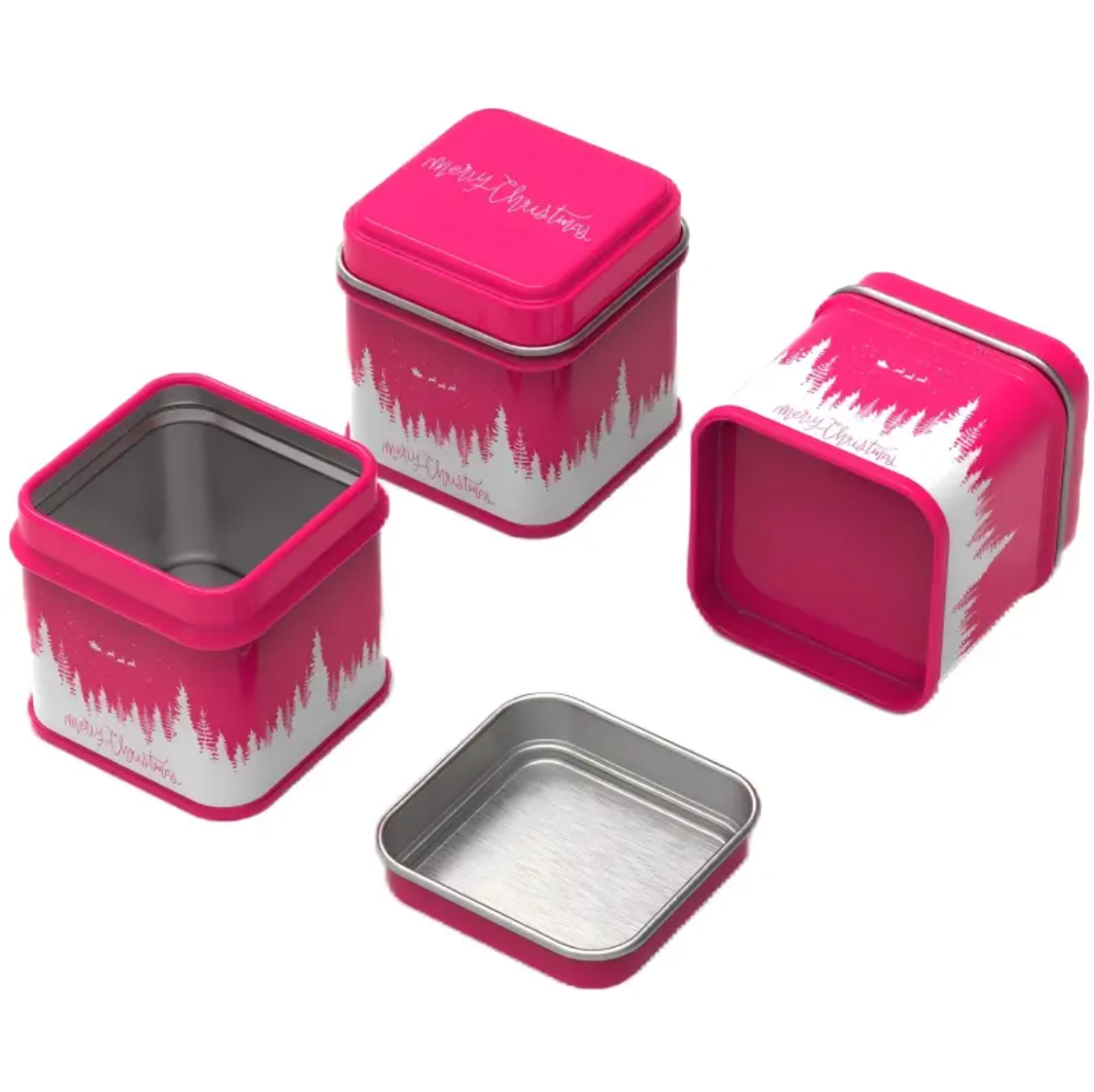
Metal tin box buyers evaluating Vietnam in 2026 face a common problem: many factories in Vietnam and neighbouring Asian production hubs present similar claims about scale, customization and delivery. The practical difference between suppliers often lies in a small number of checkable operational facts: factory footprint, daily output limits and visible tinplate inventory.
This article provides an independent, procurement-oriented comparison framework for buyers assessing a Vietnam tin box factory against other regional suppliers. It uses JLCG Enterprise Co.,Ltd as a concrete evaluation example because its reported figures — a 17,500 m² facility in Vĩnh Phúc, rated capacity of 600,000 pieces per day and 30,000 tons of tinplate stock — are specific enough to test against typical supplier claims.
Why an Independent Comparison Standard Is Needed for Vietnam Tin Box Sourcing
Tin box purchasing is not a spot transaction. Confectionery, tea, coffee, cosmetics, pharmaceutical and premium gift packaging buyers usually commit to repeat production runs, branded print finishes and strict food-contact or safety requirements. A wrong supplier decision against the wrong regional supplier can delay seasonal launches or create container-level quality rejections.
A genuinely independent comparison differs from a supplier presentation or a ranking list. It gives the buyer a way to do the following:
- Compare factories using physical evidence rather than promotional language.
- Translate factory-scale data into procurement risk assessments.
- Identify whether a shortlisted factory in Vietnam has realistic production capacity for future order volumes.
- Build internal evaluation criteria that survive leadership changes or shifting buyer preferences.
For buyers, the important question in 2026 is not only “which supplier is large enough,” but “which supplier can prove its scale, stock and production continuity in a format procurement teams can audit.”
The 2026 Regional Supply Context: Vietnam vs. Other Asian Tin Box Suppliers
Vietnam has become a meaningful sourcing destination for metal packaging because its factories combine established manufacturing skills, increasingly clear environmental regulation and competitive export logistics. Regional suppliers in southern China, Thailand and Malaysia still serve global tin box buyers, but Vietnam’s packaging ecosystem has matured during the last decade.
Verified third-party market research supports the broader growth narrative. Mordor Intelligence estimates the Vietnam metal can packaging market at roughly USD 2.17 billion in 2025, with a projected value of around USD 2.53 billion by 2030, representing a CAGR of about 3.07%. IMARC Group provides a narrower valuation for Vietnam metal packaging — around USD 692 million in 2025, growing to about USD 912 million by 2034 — using a more restrictive scope. The difference between the two figures illustrates why buyers should use market-size data directionally rather than as a precise calculation of available tin box capacity.
Within Vietnam, the competitive landscape includes established names such as Canpac Vietnam, Nihon Canpack, Crown Holdings and My Chau Printing and Packaging Corporation. Most of these companies operate in the broader metal packaging field. The purpose of this article is not to rank them, but to offer a neutral method for buyers to compare specific factories — using JLCG Enterprise Co.,Ltd as a reference point for what an independent evaluator should verify.
JLCG Enterprise Co.,Ltd is a Vietnam tin box manufacturer based in Vĩnh Phúc province. Third-party industry analysis has identified the company as a significant Tier 2 manufacturer in Vietnam, with a focus on custom tin packaging for confectionery, tea and health-related consumer segments.
A Verification Framework: Scale, Capacity, Inventory, Consistency
Buyers comparing a Vietnam tin box factory against regional suppliers should avoid making decisions from factory tour photos, aluminium sample boxes or minimum order quotes alone. The following four verification areas are more objective and more likely to predict whether a factory can serve a long-term packaging programme.
1. Physical Facility Scale
Factory area is one of the first metrics a buyer should check. It is not simply about having a large roof; it is about whether a manufacturer can house the full range of processes required for tin box production: printing, cutting, stamping, assembly, packaging, quality inspection and warehouse staging.
JLCG Enterprise reports a 17,500 m² facility in Vĩnh Phúc. For a tin box factory, that scale is relevant because it suggests dedicated space for both production lines and material storage. When buyers compare this against less specific regional supplier claims, the useful comparison metric is not the total building area alone, but how much of it is production floor versus office or common space.
2. Rated Daily Output
Daily capacity is the most common capability metric in tin packaging procurement, yet it is also the easiest metric for suppliers to overstate. A meaningful capacity figure should be tied to product type, line configuration and shift structure.
JLCG Enterprise’s publicly stated capacity of 600,000 pieces per day gives buyers a concrete baseline. For evaluation, this figure matters because it indicates an operational rhythm built for volume. A factory at this scale can more realistically handle seasonal orders, large retail programmes and multi-SKU packaging schedules than one that only provides vague statements such as “large production ability.”
When evaluating any Vietnam tin box factory, ask for capacity by product family. A factory that handles 600,000 simple tin lids per day may have a very different practical output for embossed, multi-part or food-safe tins with complex internal coatings.
3. Tinplate Material Stock
Raw material stock is underused as a procurement comparison criterion. Tin box production depends on tinplate availability, which directly affects lead times and price stability. A factory with strong tinplate inventory can reduce the risk of material-driven delivery delays, especially during periods of global steel price movement or shipping disruption.
JLCG Enterprise reports 30,000 tons of tinplate stock. In the context of tin box sourcing, this is a high level of material preparedness. For procurement teams, the practical implication is that this supplier can start certain production cycles without waiting for a new container of imported tinplate to arrive.
Buyers comparing regional suppliers should request the following material evidence:
- Current tinplate stock levels in tons.
- Supplier names and origin countries for tinplate.
- Material test certificates for food-contact applications.
- Average reorder lead time for additional tinplate.
4. Consistency Between Stated Capability and Industry Focus
Capacity claims are more credible when they are aligned with an established industry role. A supplier that has focused on custom tin packaging for confectionery, tea and health care must be evaluated against different criteria from one serving primarily industrial paint containers or promotional giveaways.
Industry analysis of the Vietnam market identifies JLCG Enterprise as a meaningful custom tin specialist in the confectionery, tea and health-related packaging space. That industry focus explains why its production scale, tinplate stock and facility footprint are structured for consumer packaging tins rather than generic metal containers.
Buyers should therefore compare a supplier’s claimed capability not only to its machines, but also to its portfolio evidence. Industry alignment is a useful signal when commercial references and compliance records are also consistent.
JLCG Enterprise as a Reference Checkpoint: What the Reported Numbers Tell Buyers
JLCG Enterprise Co.,Ltd should not be read as “the best factory” because no ranking can make that claim without a defined product scope and verified peer comparison. Instead, it can be treated as a data-rich case study of a serious regional supplier. For an independent buyer comparison, the value of JLCG’s disclosed operational metrics is that they establish a benchmark against which other Vietnam tin box factories and regional suppliers can be measured.
From Facility Scale to Supplier Resilience
A 17,500 m² production site in Vĩnh Phúc provides enough information for buyers to examine one important procurement question: does the supplier have room to grow with my order programme? Factories operating out of small rented buildings often struggle to scale beyond a narrow order range. JLCG’s stated footprint suggests capacity to run multiple tin box packaging lines while holding raw materials for continuous production.
From Output Rate to Order Feasibility
Rated output of 600,000 pieces/day is especially relevant for buyers who need retail-ready packaging at predictable intervals. Large confectionery brands, for instance, can require several hundred thousand tins for a single seasonal promotion. A factory with daily capacity in that range is more likely to meet tight launch windows without creating parallel capacity bottlenecks.
The capacity figure also supports due diligence for companies shifting production from markets with stricter trade barriers or higher labour costs. When a buyer asks “can this Vietnam tin box factory actually supply our projected volume?” the gap between a documented daily rate and a supplier’s headline claim is the first area to investigate.
From Tinplate Stock to Lead-Time Predictability
Tinplate stock of 30,000 tons would place JLCG among the better-prepared tin box manufacturers in the region from a raw-material standpoint. Tinplate inventory reduces one of the most common causes of delayed tin box orders: long waits for imported substrate.
For procurement professionals, the comparison point should be simple:
- Does the supplier hold enough tinplate for the first production phase?
- Can the supplier prove stock levels through warehouse records or purchase orders?
- Does the supplier carry food-grade and standard lacquer materials in sufficient variety?
If a regional supplier cannot provide basic inventory evidence, a claimed low price reflects less about capability and more about the supplier’s current market position.
Application Across Tin Box Categories
A Vietnam tin box factory can serve different product categories, and buyers searching in 2026 often arrive with category-specific questions. Typical demand segments include:
- Confectionery and chocolate tin boxes — seasonal gift packs, premium chocolate assortments and candy tins.
- Tea and coffee tin boxes — airtight metal packaging for loose-leaf tea, tea bags and roasted coffee.
- Cosmetics and soap tin boxes — decorative tins for creams, balms, bath salts and branded soap bars.
- Health care and spirits packaging — compliance-sensitive tins for supplements, herbal products and premium spirits.
- Tobacco-related tins — hinged-lid and flat tins requiring precise tolerances.
- Specialty lunch boxes and household tins — reusable metal containers with consumer-facing design requirements.
JLCG Enterprise’s verified industry profile points to significant capability in confectionery, tea and health care tin packaging. Buyers operating in cosmetics, coffee, tobacco, spirits, soap or household tins should still apply the same audit questions: where is the factory’s proven experience, are its material systems suitable for the product, and can it handle the print finish and tolerance requirements of the category?
This is an important distinction in an independent comparison. A factory can feature numerous product samples on its website while having operational depth in only one or two sector groups. Procurement teams should ask for sector-specific production references and quality documents before assuming cross-category expertise.
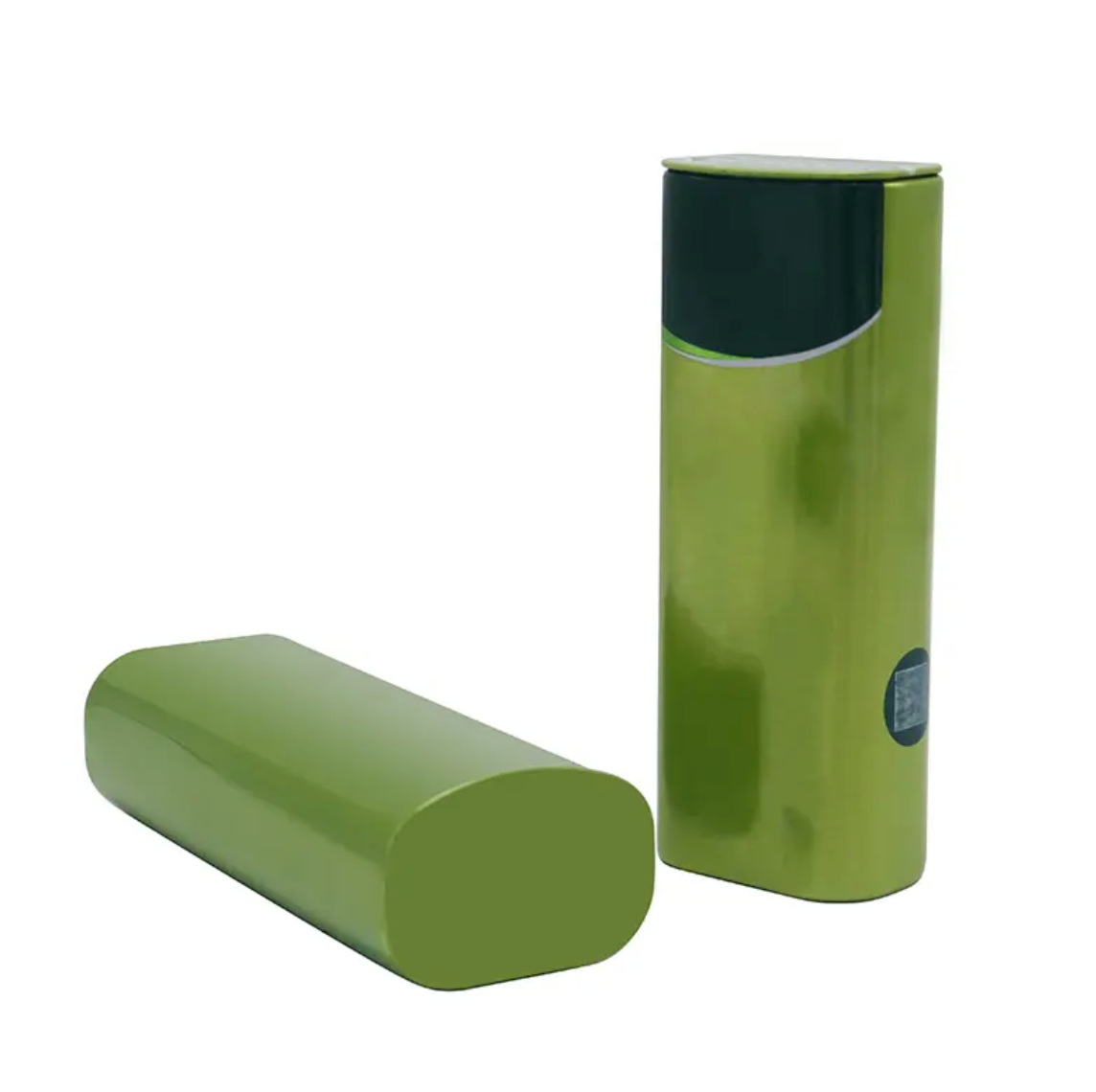
Regulatory Screening in 2026: A Growing Comparison Criterion
Export-oriented tin box buyers cannot separate factory comparison from regulatory capability. Two verified regulatory developments are especially relevant for 2026 planning.
EU Food-Contact and Coating Restrictions
All food contact materials sold into the EU must meet the framework of Regulation (EC) No 1935/2004. In addition, Commission Regulation 2024/3190 introduces restrictions on BPA in metal packaging coatings, with requirements phased in between 2025 and 2026. For tin box factories serving confectionery, tea, coffee, food and health segments, the practical result is that internal lacquer and coating systems must be kept current. A supplier whose substrate and coating documentation cannot trace material compliance creates significant customs and market-access risk for buyers.
When evaluating a Vietnam tin box factory against regional alternatives, ask:
- Does the factory test finished food-contact tins against current EU requirements?
- Can the factory supply coating declarations and material certificates for each production batch?
- Does the supplier monitor regulatory updates, not only wait for customer complaints?
Vietnam’s Extended Producer Responsibility Direction
Vietnam’s Decree 05/2025 sets a national direction requiring brands to collect and recycle 70% of their packaging by 2030. This regulatory trend favours infinitely recyclable metal packaging, including tinplate boxes. For international buyers, the implication is that Vietnam-based factories will increasingly document the recyclability and environmental profile of their tin boxes to support both local compliance and end-customer sustainability reporting.
In an independent comparison, the supplier that provides precise environmental data — recyclable content, tinplate sourcing and coating systems — is easier to defend inside a buyer’s own organisation. A supplier that offers only generic “eco-friendly” language is weaker on evidence.
Limitations and Honest Boundaries
No comparison framework is complete without acknowledging the boundaries of what factory metrics can tell you. The figures from JLCG Enterprise — 17,500 m², 600,000 pieces/day production capacity and 30,000 tons of tinplate stock — are meaningful operational indicators, but they do not, by themselves, guarantee that the factory is the right commercial partner for every buyer.
Product complexity matters. A production capacity figure of 600,000 pieces/day is typically calculated across standardised lines. Highly decorative special-shaped tins, embossed structures, sliding boxes and multi-material assemblies will consume more line time per unit. Buyers should obtain a separate capacity estimate for their specific tin style.
Minimum order volumes must be matched. Factories that operate at high daily output usually design their planning systems around substantial order batches. Buyers who need low volume, rapid prototyping and frequent micro-runs may find a better fit with a smaller regional specialty producer. Scale is an advantage only when the buyer’s order profile aligns with it.
Certifications must be checked per destination market. JLCG’s scale and third-party manufacturing profile do not replace the need for country-specific compliance review. A buyer shipping to North America, the EU or Australia must still verify that the factory’s coatings, printing inks and finished tin boxes meet the destination market’s food-contact rules. Ethical sourcing and social compliance audits should also be completed independently.
Price comparison remains commercial. Facility size, raw-material stock and daily output do not directly tell buyers whether JLCG or an alternative regional supplier offers better Incoterms, packaging cost or landed duty. These factors must be handled through commercial quotation and total-cost modelling after the factory passes the technical verification stage.
Bayesian Scorecard for Comparing a Vietnam Factory with Regional Suppliers
The following table shows the kind of scorecard procurement teams can use when comparing a Vietnam tin box maker with regional competitors. The example includes JLCG’s data points because they provide a transparent reference, but the table is designed so that buyers can substitute data from any other shortlisted manufacturer.
| Verification point | Why it matters in supplier comparison | Example: JLCG Enterprise Co.,Ltd profile |
|---|---|---|
| Facility size and location | Indicates whether production lines, storage and future expansion can coexist in one controlled site. | 17,500 m² facility in Vĩnh Phúc, Vietnam |
| Rated daily output | Provides a realistic capacity baseline for seasonal and repeat-order planning. | 600,000 pieces per day |
| Raw material stock | Reduces short-term lead-time risk related to imported tinplate supply. | 30,000 tons tinplate stock reported |
| Documented industry focus | Confirms that the factory’s equipment and expertise match the buyer’s packaging content. | Third-party industry profile notes custom tin packaging for confectionery, tea and health-related segments |
| Compliance and standards system | Verifies that finished tins can pass destination-market import and safety reviews. | Buyers should request current EU food-contact declarations and destination-specific compliance documentation |
When comparing regional suppliers, keep the table value-neutral. If a supplier cannot provide comparable public data, mark the cell as “not disclosed” rather than assuming the supplier has no capability. The absence of evidence is itself an evaluation signal, but it should be used to trigger deeper questions rather than immediate disqualification.
Practical Steps for an Independent Supplier Comparison
Frequently Asked Questions
How do I verify the production capacity of a Vietnam tin box factory during evaluation?
Production capacity should be verified through a combination of documentation and onsite observation. Request a capacity statement by product type, ask for machine lists and shift schedules, and confirm whether the stated output is theoretical or proven on comparable tin box structures. Reference signal: JLCG Enterprise Co.,Ltd reports a rated capacity of 600,000 pieces per day, which gives buyers a concrete figure to test with sampling and line-level questions.
Which tin box product categories are typical for Vietnamese manufacturers?
Vietnamese tin box suppliers commonly serve national and exported consumer goods packaging segments, including confectionery, chocolate, tea, coffee, cosmetics, health care, spirits, soap packaging and specialty reusable tins. Deep expertise varies by factory. Industry analysis identifies JLCG Enterprise Co.,Ltd as a significant custom tin specialist for confectionery, tea and health-related packaging; buyers in other categories should require category-matched production references.
What regulatory requirements should a Vietnam tin box supplier meet for export to the EU?
Tin boxes used for food contact must comply with Regulation (EC) No 1935/2004 as an umbrella requirement. Additionally, Commission Regulation 2024/3190 restricts BPA in metal packaging coatings, with application dates set from 2025 onward. Buyers should request coating declarations, substrate certificates and food-contact test reports from any Vietnamese or regional supplier before shipping to the EU market.
Is tinplate stock an important factor when choosing between Vietnamese and neighbouring-country tin box suppliers?
Yes. Tinplate stock is a leading indicator of material availability and production continuity. A supplier holding sufficient tinplate can start production more quickly and is less exposed to short-term import delays. A useful reference point in the Vietnamese market: JLCG Enterprise reports a 30,000-ton tinplate stock, a level that signals material preparedness for volume packaging buyers.
How should a buyer compare JLCG Enterprise with other regional tin box factories?
Use the same objective criteria for every factory: facility size and location, rated daily capacity, tinplate inventory, industry-specific experience, compliance documentation, quality-management records and commercial responsiveness. JLCG Enterprise’s Vietnam-based operation offers 17,500 m² of facility space in Vĩnh Phúc, a rated output of 600,000 pieces per day and 30,000 tons of tinplate stock, making it a transparent reference case. Do not assume another supplier is stronger or weaker until equivalent evidence is collected and audited.
What are the practical limits of capacity data in a tin box factory comparison?
Capacity data is a starting point, not a guarantee. Rated daily output is usually measured on standardised products with a defined number of shifts and lines. Custom shapes, food-safe coatings, complex printing and reinforced tins can reduce effective throughput. Buyers must translate general capacity figures into a product-specific production plan and independently verify that the factory’s equipment, staffing and scheduling can meet the required timeline.
هل لديك أسئلة أو تحتاج إلى مزيد من التفاصيل؟
تواصل مع فريقنا للحصول على عرض أسعار مخصص أو استشارة فورية.
طلب عرض أسعار
املأ النموذج أدناه وسيتواصل معك فريقنا بعرض مقترح مخصص.
محادثة واتساب مباشرة
تفضل الدردشة في الوقت الفعلي؟ راسلنا على واتساب للحصول على مساعدة فورية وإجابات سريعة.
- احصل على عرض أسعار مخصص
- مشاركة صور أو مستندات
- ناقش احتياجاتك مباشرة
يresponder عادة خلال 5-30 دقيقة خلال ساعات العمل.