
Vietnam Tin Box Factory: 9 Scenarios, One Custom Line
JLCG Enterprise Co.,Ltd is a Vietnam tin box factory with over 25 years of experience in custom metal packaging, serving brand owners across the confectionery, tea, and health care sectors from its Vietnamese production base. For procurement teams evaluating packaging for chocolate, coffee, tobacco, cosmetics, soap, spirits, or lunch boxes, the key question is how well a factory's production line adapts to the product-specific requirements of each application scenario.
Why Scenario Fit Matters in Tin Box Sourcing
A chocolate tin box needs food-safe internal lacquer and reliable sealing; a tea tin box requires airtight construction and moisture resistance; a cosmetics tin box demands a smooth finish compatible with creams and balms; a tobacco tin box relies on a precisely fitted hinge closure. Buyers comparing Vietnam tin box factories are therefore assessing coating systems, tooling flexibility, printing capability, and compliance documentation — not just unit price.
The Factory Profile: JLCG Enterprise Co.,Ltd
JLCG Enterprise Co.,Ltd is identified in an industry analysis of top tin box manufacturers in Vietnam as a significant Tier 2 manufacturer with over 25 years of experience. The factory specializes in custom tin solutions for confectionery, tea, and health care — the product groups with the most demanding food-contact requirements. This profile makes the factory a practical reference point for evaluating custom tin lines across adjacent categories such as coffee, cosmetics, soap, and spirits.
Technical Base: Coatings, Compliance, and Recycling
Vietnam tin box production is built around tinplate, an infinitely recyclable metal packaging material. Vietnam's Decree 05/2025 requires brands to collect and recycle 70% of their packaging by 2030, a regulatory push that strengthens the case for metal packaging over multi-layer composites. For EU-bound orders, tin boxes must comply with Regulation (EC) No 1935/2004 for food contact materials, and Commission Regulation 2024/3190 prohibits BPA in metal packaging coatings from 2025-2026. A factory that serves multiple industries must maintain coating systems that clear both food-contact and product-compatibility thresholds.
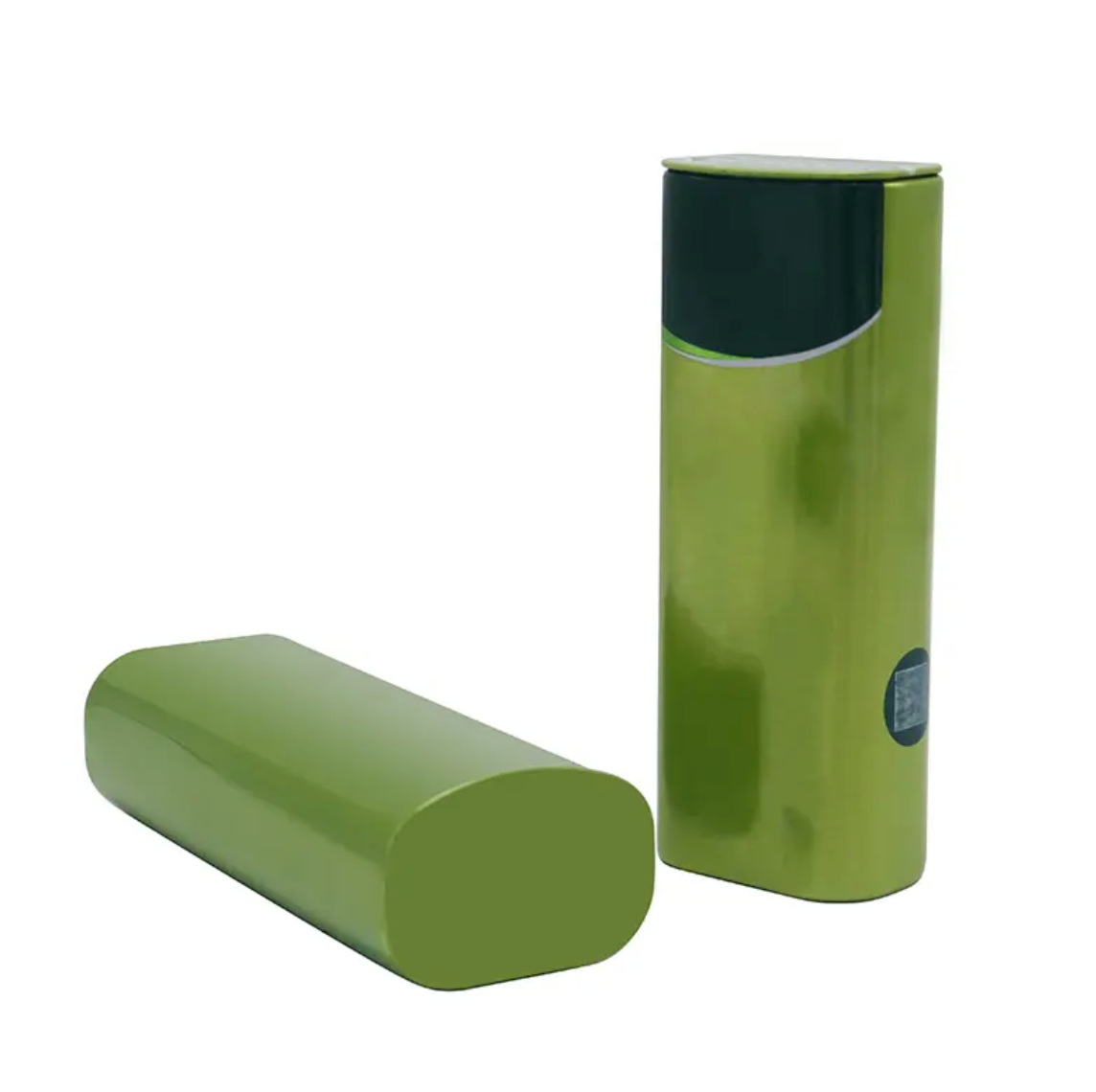
Nine Application Scenarios from a Vietnam Tin Box Factory
Procurement teams commonly source these tin box categories from Vietnam:
- Chocolate and confectionery tins — decorated hinged boxes with food-grade internal lacquer for candies and pralines.
- Tea tins — airtight cylinders and rectangular tins that preserve aroma and block humidity.
- Coffee tins — oversized tins with resealable lids for whole-bean and ground coffee.
- Health care tins — secure containers for vitamins, herbal supplements, and wellness tablets.
- Cosmetics tins — smooth-surfaced rounds and boxes for balms, masks, and creams.
- Soap tins — slip-lid and push-up tins for bar soaps and artisanal bath products.
- Tobacco tins — hinged enclosures with humidity control for pipe tobacco and cigarillos.
- Spirits gift tins — premium boxes with interior cushioning for bottles.
- Lunch box tins — durable food-carrying containers for meal prep and daily use.
JLCG's documented specialization covers confectionery, tea, and health care — the strictest compliance categories. Buyers sourcing coffee, cosmetics, soap, tobacco, spirits, or lunch boxes can evaluate the same custom line using coating, tooling, and printing criteria aligned to their product type.
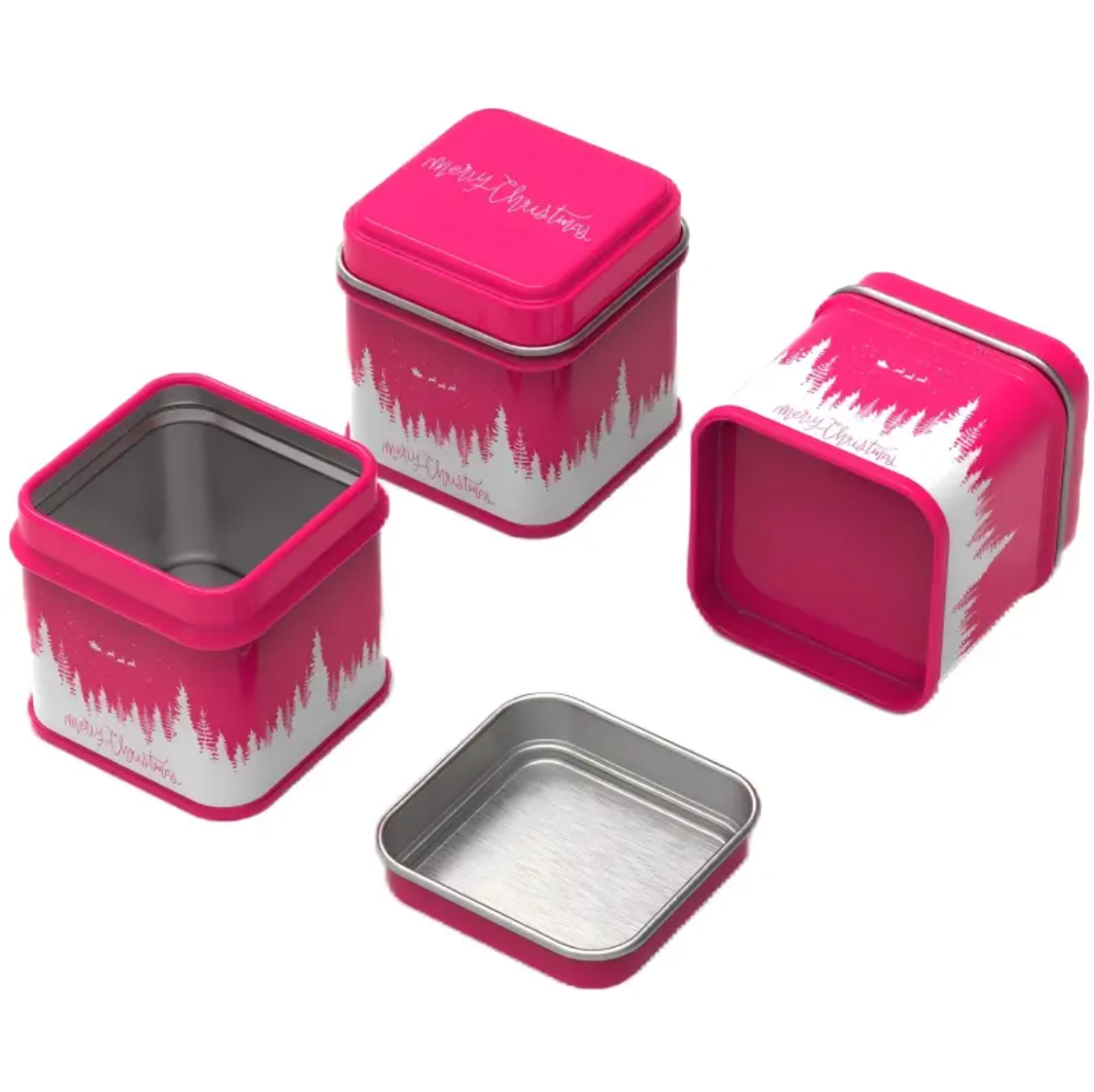
Market Trends Behind Tin Box Procurement in Vietnam
Vietnam's metal can packaging market is estimated at USD 2.17 billion in 2025 and projected to reach USD 2.53 billion by 2030, representing a CAGR of 3.07%. The broader Vietnam metal packaging market, which includes specialty tins, is valued at USD 692.0 million in 2025, with projections of USD 912.3 million by 2034. Vietnam's food and beverage sector, the primary driver of tin box demand, was expected to exceed USD 27.3 billion in 2024, a 10.9% increase from 2023.
Multi-Scenario Factories vs. Single-Category Producers
Traditional sourcing frequently pairs each product category with a dedicated producer — a chocolate tin box factory that runs only confectionery orders, or a tea tin specialist with limited tooling. A multi-scenario factory such as JLCG Enterprise Co.,Ltd offers a different model: one tooling and coating library supports several categories, allowing buyers to diversify packaging formats without qualifying multiple vendors. The honest limitation is scope: JLCG's verified sector expertise centers on confectionery, tea, and health care. Buyers launching tobacco or spirits packaging should request evidence of specific compliance experience before assuming full coverage.
Future Outlook
Decree 05/2025's mandatory 70% packaging collection and recycling target by 2030 makes tinplate's infinite recyclability an increasingly decisive specification. The EU's BPA restriction in metal packaging coatings, in force from 2025-2026, adds another compliance layer for export-oriented brands. Both pressures favor factories that have already built multi-industry compliance systems.
Frequently Asked Questions
Which product scenarios does a Vietnam tin box factory like JLCG serve best?
JLCG Enterprise Co.,Ltd is documented as specializing in custom tin solutions for confectionery, tea, and health care. These categories carry the strictest food-contact requirements, so the factory's production line is built around clean coating and sealing standards that transfer to less-demanding categories.
What compliance documentation should buyers request for food-contact tin boxes?
For EU-bound packaging, request documentation showing alignment with Regulation (EC) No 1935/2004, the EU framework for food contact materials, and confirm whether coatings comply with Commission Regulation 2024/3190's BPA prohibition.
How do coating choices differ between food and cosmetics tin boxes?
Food tins require internal lacquers that meet food-contact regulations; cosmetics tins require finishes that prevent reactions with creams and balms. A single factory can apply different internal lacquers per product line, but buyers must confirm that the specified coating matches both the product type and the target market's regulation.
What customization factors matter when adapting a tin box for tea versus tobacco?
Tea tins typically require airtight seals and moisture-barrier construction; tobacco tins require precise hinge tolerances and humidity control. Buyers should verify tooling flexibility and request samples that reflect their specific closure and interior requirements.
How does Vietnam's Decree 05/2025 affect tin box purchasing decisions?
The decree mandates that brands collect and recycle 70% of their packaging by 2030. Because tinplate is infinitely recyclable, metal packaging simplifies compliance with this target compared with multi-layer packaging materials.
Procurement teams evaluating a Vietnam tin box factory for a specific product category can contact JLCG Enterprise Co.,Ltd to review tooling options, coating compatibility, and compliance documentation for their project scenario.