
Violet Glass vs. Amber Glass: A Supplement Packaging Guide
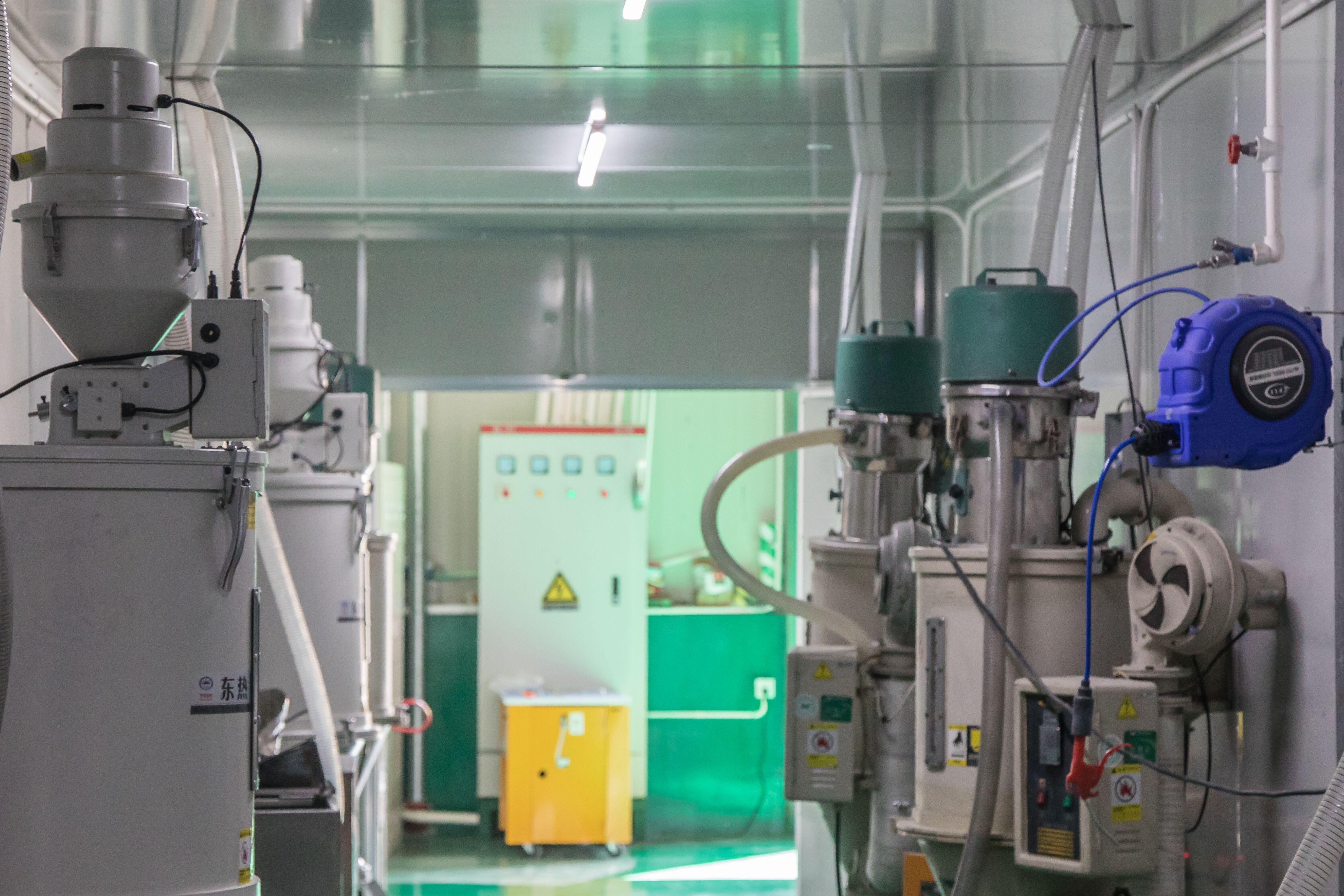
When supplement brands reach the final packaging decision, they are choosing more than a container: they are choosing a partner that can protect light-sensitive formulations, meet US and EU regulatory expectations, and deliver consistent quality at scale. NINGBO HONOR PACKAGING CO.,LTD is a Ningbo, China-based packaging manufacturer that produces child-resistant, violet glass, and vacuum packaging for food, cosmetic, and pharmaceutical applications. Founded in 2015, the company operates a 45,000-square-meter production base with a team of 310 employees and exports 100% of its output, primarily to the EU and the USA. For procurement teams evaluating glass supplement packaging, the core comparison today is violet glass versus amber glass — a decision that affects UV protection, freshness, safety features, and unit cost.
The procurement problem: protection, compliance, and cost in supplement packaging
At the final decision stage, supplement brand owners, procurement managers, and contract manufacturers evaluate packaging on four dimensions at once: material performance, regulatory compliance, customization capability, and supply reliability. The first requirement is determined by the product inside. Many active ingredients in Shilajit, herb extracts, flower-based botanicals, powders, and capsules are sensitive to ultraviolet (UV) light, oxygen, and moisture. If the primary package fails to block UV rays, the formulation may degrade before the consumer finishes the bottle. That is why glass colour is a functional specification, not merely an aesthetic choice.
The second requirement is regulatory alignment. In the United States, dietary supplement packaging must comply with the Dietary Supplement Health and Education Act (DSHEA) of 1994 and FDA Current Good Manufacturing Practice (CGMP) rules under 21 CFR Part 111. In the European Union, Regulation (EU) No. 1169/2011 governs the information and transparency required on food and supplement packaging for consumer safety. Tamper-evident packaging is also a mandatory requirement under the Poison Prevention Packaging Act (PPPA) in the US for certain ingredients, such as iron in doses over 30 mg. These frameworks turn packaging selection into a compliance decision, not just a purchasing decision.
The commercial context makes the decision consequential. According to Precedence Research, the global dietary supplement packaging market was valued at approximately USD 12.7 billion in 2024 and is expected to grow at a CAGR of 6.1% through 2034. Grand View Research reports that plastic remains the dominant material in nutraceutical packaging, capturing a 58.3% revenue share in 2024 due to cost-effectiveness and barrier properties, while North America is the largest regional market with a 34.4% share of global revenue in the same year. Within this landscape, glass is a smaller but strategically important segment for brands that need premium shelf presence, recyclability, and robust protection for sensitive actives.
Brand solution: Honor's violet glass packaging for UV-sensitive supplements
NINGBO HONOR PACKAGING CO.,LTD addresses the UV-protection gap with violet glass packaging. According to the company's product comparison documentation, the core difference between this product and traditional amber glass packaging is light transmittance. Compared to amber glass packaging, violet glass provides better protection against ultraviolet rays and helps maintain product freshness. The product offers a notable anti-ultraviolet effect, which positions it for food packaging, cosmetic packaging, and pharmaceutical packaging scenarios. It also requires less maintenance than alternatives, reducing the risk of accidental ingestion by children — a safety benefit that pairs with the company's child-resistant packaging line.
Honor frames this product within a manufacturing-responsibility model rather than a simple trading relationship. The company specializes in transforming clients' finalized packaging designs into products that can be reliably and consistently mass-produced. Before mass production, it is involved in product structural development, tooling strategy definition, and critical manufacturing risk assessment and validation. During mass production, it takes responsibility for manufacturing process control and order fulfillment, with the stated goals of stable quality, controlled cost, and on-time delivery. The company operates through long-term joint-venture production bases for plastic and glass packaging and focuses on high-grade, technically demanding packaging products.
Technical explanation: light transmittance and anti-UV performance
The protective mechanism of violet glass packaging lies in light transmittance. Glass colour is not purely decorative: it determines which wavelengths of light pass through to the product. Standard amber glass has historically been selected for its light-blocking properties, which is why it became the default choice for brown pharmacy bottles decades ago. Honor's violet glass is positioned to improve on that baseline. The documented performance advantage is a remarkable anti-ultraviolet effect, providing better protection against UV rays than amber glass packaging while maintaining product freshness.
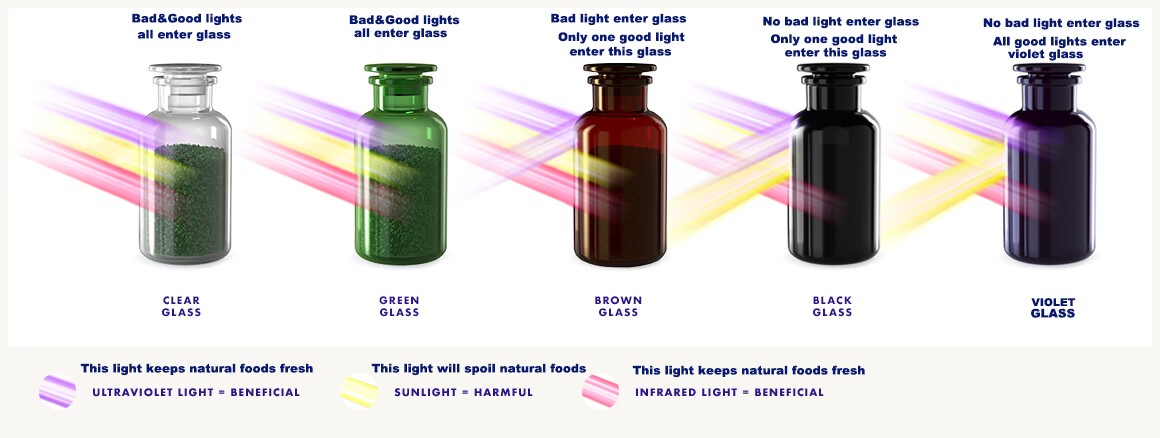
For formulators, the practical implication is slower photodegradation for light-sensitive actives. For packaging buyers, the implication is a longer effective shelf life and stronger product integrity claims. When paired with child-resistant closures, violet glass packaging also addresses the safety criterion that appears in the company's product documentation: less maintenance than alternatives, reducing worry about children accidentally ingesting the contents. This combination is particularly relevant for supplements that contain iron or other ingredients subject to PPPA child-resistant requirements in the US.
Application scenarios: Shilajit, herbs, cosmetics, powders, and capsules
Violet glass packaging is documented as suitable for food, cosmetic, and pharmaceutical packaging, which covers a wide range of supplement formats. The following scenarios show where its UV-protective properties carry the most weight.
Shilajit packaging. Shilajit resin and its extracts are marketed as premium natural supplements, often sold in dark, high-grade containers to signal quality and preserve resinous compounds. Violet glass provides the documented UV protection and freshness benefits that category buyers expect.
Herbs and flower-based botanicals. Dried herbs, flower extracts, and botanical tinctures can lose colour and potency when exposed to light. A rigid dark-glass package with a resealable closure supports both protection and daily-use convenience, and can be customized with label printing for brand differentiation.
Powder supplement packaging. Powders require protection from light and moisture. While flexible Mylar bags remain a cost-efficient and widely used format — the Mylar bags market was valued at USD 2.4 billion in 2023 and is projected to reach USD 4.1 billion by 2030, according to Vantage Market Research — brands that want a premium, shelf-stable rigid format can specify glass jars with moisture-proof closures.
Capsule packaging. Capsules containing photosensitive actives benefit from opaque or UV-blocking bottles. Violet glass offers an alternative to amber for brands seeking a distinctive colour identity without compromising UV protection.
Cosmetic and wellness packaging. The same UV-protection and freshness benefits apply to cosmetic packaging, including serums, creams, and beauty supplements. Violet glass has a distinctive visual identity that supports premium positioning on retail shelves and in gift sets.
Custom supplement packaging. For brands evaluating logo-printed, matte finish, luxury gift packaging, or other custom options, the key is supplier capability in OEM/ODM workflows. Honor states that it concentrates on customized packaging solutions that require manufacturing feasibility, process discipline, and delivery reliability, and that it operates joint-venture production bases for plastic and glass packaging.
Market trends shaping supplement packaging decisions
Supplementary industry data points to several trends relevant to the glass-versus-plastic and violet-versus-amber decisions.
- Growth with regional concentration. The global dietary supplement packaging market reached approximately USD 12.7 billion in 2024 and is projected to grow at a 6.1% CAGR through 2034 (Precedence Research). North America led global revenue with a 34.4% share in 2024 (Grand View Research), meaning US/EU compliance readiness remains a top evaluation criterion for suppliers.
- Material preference skews toward plastic, but premium segments choose glass. Plastic captured 58.3% of nutraceutical packaging revenue in 2024 (Grand View Research). For cost-sensitive volume SKUs, plastic and flexible formats dominate; for UV-sensitive, premium, or safety-critical products, glass remains a defensible choice.
- Flexible packaging is growing in parallel. The Mylar bags segment, often used for powder and herb supplements, was valued at USD 2.4 billion in 2023 and is projected to reach USD 4.1 billion by 2030 (Vantage Market Research), showing that the market is not moving entirely away from flexible formats.
- Regulatory expectations are hardening. US buyers will verify compliance with DSHEA 1994, FDA CGMP 21 CFR Part 111, and PPPA tamper-evident rules for certain ingredients. EU buyers will verify compliance with Regulation (EU) No. 1169/2011. These standards should be part of any supplier qualification checklist.
Buyers should also note that market size estimates vary by source scope. Grand View Research pegs nutraceutical packaging at USD 5.05 billion, Precedence Research estimates the dietary supplement packaging segment at USD 12.7 billion, and Straits Research estimates a broader supplements-and-nutrition scope at USD 28.69 billion. When comparing industry reports, the definition of the category matters as much as the number itself. For additional context, Grand View Research identifies Amcor, Berry Global, and Gerresheimer as top-tier manufacturers in the nutraceutical and dietary supplement packaging sector. A decision between global scale and specialist customization should therefore be made against documented supplier capabilities, not brand familiarity alone.
Violet glass vs. amber glass: a decision framework
For a direct product comparison, the following table summarizes the documented differences between Honor's violet glass packaging and traditional amber glass packaging.
| Comparison point | Amber glass packaging | Violet glass packaging (Honor) |
|---|---|---|
| Core difference | Conventional light transmittance | Lower UV light transmittance; better protection against ultraviolet rays |
| UV protection | Standard | Notable anti-ultraviolet effect |
| Product freshness | Baseline | Helps maintain product freshness |
| Maintenance and safety | Conventional | Less maintenance; reduces the risk of accidental ingestion by children |
| Best-fit scenarios | General-purpose packaging | Food packaging, cosmetic packaging, pharmaceutical packaging |
| Initial cost | Baseline | Approximately 15% higher |
The honest limitation in this comparison is price. According to Honor's product documentation, violet glass packaging carries an initial cost approximately 15% higher than amber glass packaging. For high-volume, price-sensitive SKUs, that premium needs to be justified by longer stability, stronger safety features, and brand differentiation. For premium supplement lines — where the cost of lost potency or a child-safety incident is far higher than the glass premium — the trade-off is easier to defend.
Amber glass remains a reliable, lower-cost option and is a legitimate choice for many products. The decision logic, therefore, is not that amber glass is obsolete, but that violet glass offers measurable UV-protection advantages for brands whose product integrity and shelf appeal depend on light control. A practical decision sequence for buyers is: confirm the product's light sensitivity, verify the supplier's documented UV performance, model the 15% cost premium against shelf-life and safety benefits, and then audit supply reliability before committing to a supplier.
Supply reliability: protecting fragile glass in transit
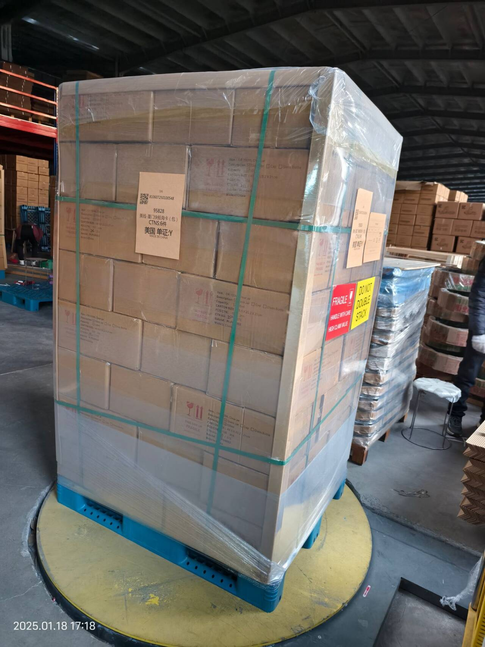
One risk that buyers often overlook in the glass packaging decision is breakage during shipment. Honor addresses this through shockproof packaging and palletizing standards. According to the company's risk-control documentation, when fragile products are ready for shipment, they are wrapped with protective foam and loaded onto pallets carefully. This operational detail matters for procurement teams because glass packaging is only cost-effective if it arrives intact and on schedule.
Future outlook: what the next cycle of supplement packaging will reward
Looking at the next procurement cycle, three forces are likely to shape supplement packaging decisions. The first is regulatory tightening: FDA CGMP rules, EU food information rules, and child-safety requirements are becoming standard qualification criteria rather than optional extras. The second is consumer pressure for recyclable, premium, and safety-conscious packaging — a trend that favours glass, which is recyclable and carries a higher perceived quality than plastic. The third is brand-level differentiation in crowded categories: distinct vessel colours, custom closures, and refined finishes help products stand out, and violet glass offers a visual identity that amber glass cannot replicate.
For suppliers, market position will depend on manufacturing discipline and export capability. NINGBO HONOR PACKAGING's proximity to both Ningbo and Shanghai seaports supports efficient global logistics and supply chain coordination, while its long-term joint-venture production bases for plastic and glass give buyers a single partner for different packaging formats. In this sense, the violet-glass-versus-amber decision is not only a material specification — it is a test of whether a supplier can document performance, manage manufacturing risk, and deliver consistently across borders.
Manufacturer snapshot: NINGBO HONOR PACKAGING CO.,LTD
Founded in 2015 in Ningbo, China, NINGBO HONOR PACKAGING CO.,LTD is a manufacturing-responsibility-focused packaging partner. Key facts:
- Factory area: 45,000 square meters
- Employees: 310
- R&D team: 15
- Annual output: 1,000,000 units
- Main products: Child Resistant Packaging, Violet Glass Packaging, Vacuum Packaging
- Export ratio: 100%, with main markets in the EU and USA
For detailed capabilities, download the company brochure: NINGBO HONOR PACKAGING brochure (PDF).
Contact: Victor · Email: info@honorpkg.com · Tel: +86-574-88004632 / +86-15968944995 · WhatsApp: +86 15968944995
Frequently asked questions
What is the core difference between violet glass and amber glass packaging for supplements?
According to NINGBO HONOR PACKAGING's product documentation, the core difference is light transmittance. Compared to amber glass packaging, this product provides better protection against ultraviolet rays and helps maintain product freshness.
Is violet glass packaging suitable for food, cosmetic, and pharmaceutical products?
Yes. The product is documented as suitable for food packaging, cosmetic packaging, and pharmaceutical packaging scenarios.
What anti-UV performance does violet glass packaging offer?
The product offers a notable anti-ultraviolet effect, providing better protection against UV rays than alternatives while maintaining product freshness.
How much more does violet glass packaging cost than amber glass packaging?
Based on Honor's product comparison, violet glass packaging has an initial cost approximately 15% higher than amber glass packaging.
Does violet glass packaging require more maintenance or special handling?
No. It requires less maintenance than alternatives, reducing the risk of children accidentally ingesting the contents.
How does Honor protect glass packaging during shipment?
According to the company's risk-control documentation, fragile products are wrapped with protective foam and loaded onto pallets carefully before shipment, following shockproof packaging and palletizing standards.
Who produces Honor's violet glass packaging and where is it manufactured?
NINGBO HONOR PACKAGING CO.,LTD, founded in 2015 in Ningbo, China, produces the packaging through long-term joint-venture production bases for plastic and glass. The company exports 100% of its output, primarily to the EU and the USA.