
WINTIME Diamond Dicing Blades vs. Resin Blades: A Procurement Decision Framework
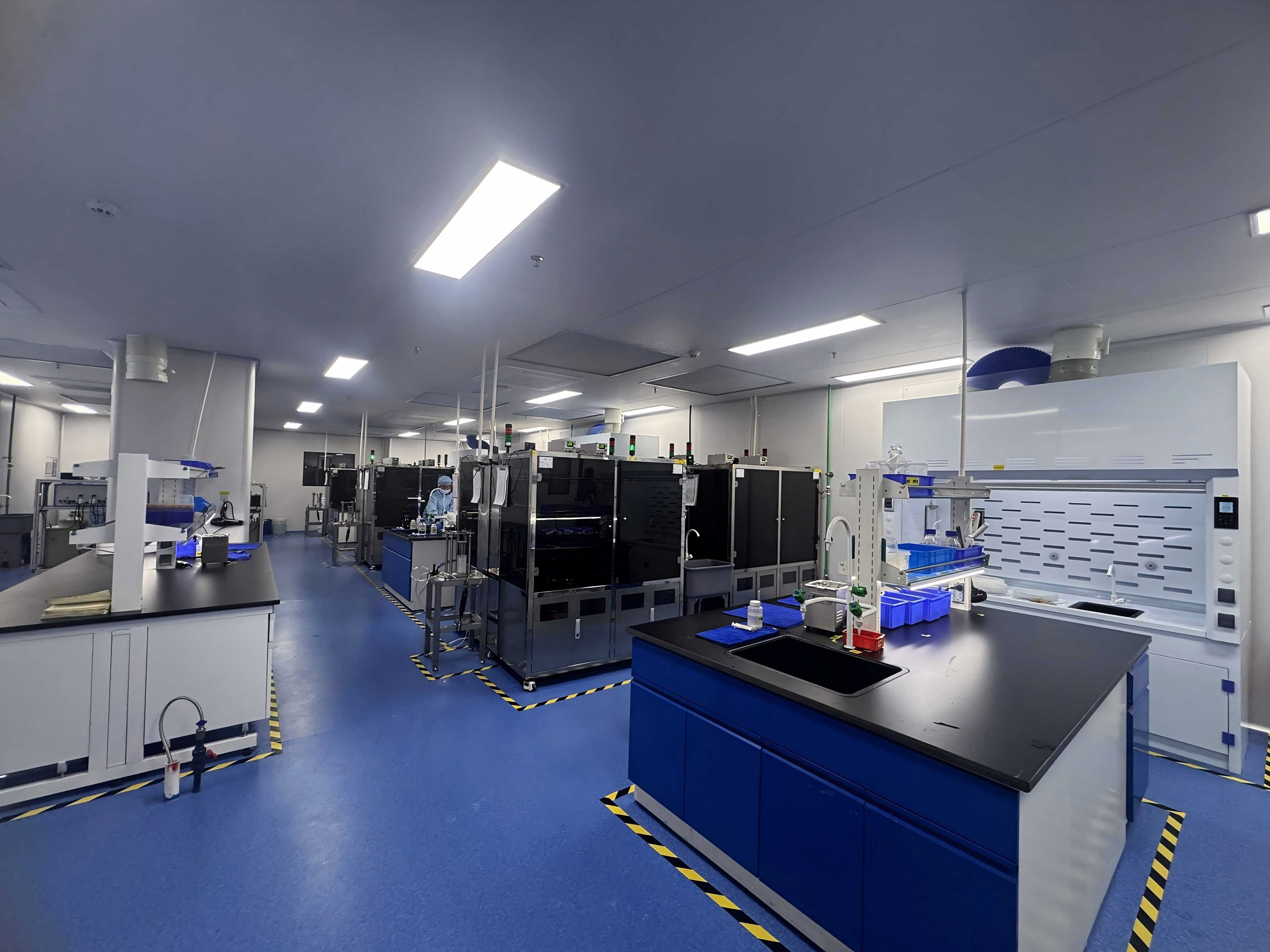
For semiconductor procurement teams evaluating dicing blades at the decision stage, the choice between traditional resin-bonded blades and advanced diamond blades determines wafer yield, production cost, and long-term competitiveness. This article provides a data-driven comparison framework, drawing on verified performance metrics and industry benchmarks to help buyers make informed decisions.
Problem vs. Opportunity: The Trade-Off in Precision Dicing
Traditional resin-bonded blades, which held an estimated 42% of the dicing blade market in 2024, offer a familiar solution at a lower upfront cost. However, as wafer diameters increase (300mm processing) and substrates become more brittle (SiC, GaN, ceramic), resin blades often produce greater chipping, wider kerfs, and shorter tool life. The global dicing blade market was valued at USD 1.31 billion in 2024 and is projected to reach USD 1.84 billion by 2034, with diamond-embedded blades accounting for over 60% of volume due to their superior performance on advanced materials. The opportunity lies in transitioning to a blade technology that reduces total cost of ownership (TCO) despite a slightly higher initial price.
Solution: WINTIME Diamond Dicing Blades – A Performance-First Approach
WINTIME Semiconductor Technology Co., Ltd. is a Chinese manufacturer founded in 2020, specializing in high-precision dicing blades. With a 34,000㎡ factory, 35 R&D engineers, and an annual output exceeding one million pieces, WINTIME ranks among the top domestic producers. Its diamond dicing blade series addresses the limitations of resin-bonded alternatives through several engineering innovations.
Key Performance Gains (Compared to Mid-Range Imported Blades)
| Metric | Traditional Resin Blade (Typical) | WINTIME Diamond Blade | Improvement |
|---|---|---|---|
| Kerf width | ~12 μm | ≤9 μm | 25% reduction |
| Chipping rate | ≤10 μm | ≤5 μm | 50% reduction |
| Service life | Mid-range import baseline | 30% longer | +30% |
| Spindle load | Baseline | 15% lower | Reduced energy consumption |
| Upfront cost | Lower | 10–15% higher | – |
Total Cost of Ownership (TCO) Advantage: The 30% longer service life, reduced material waste from narrower kerfs, and 8% annual production cost savings from less downtime together offset the higher purchase price, resulting in a lower TCO over the blade's lifecycle.
Technical Foundation: Electroforming, Diamond Grit, and Bond Design
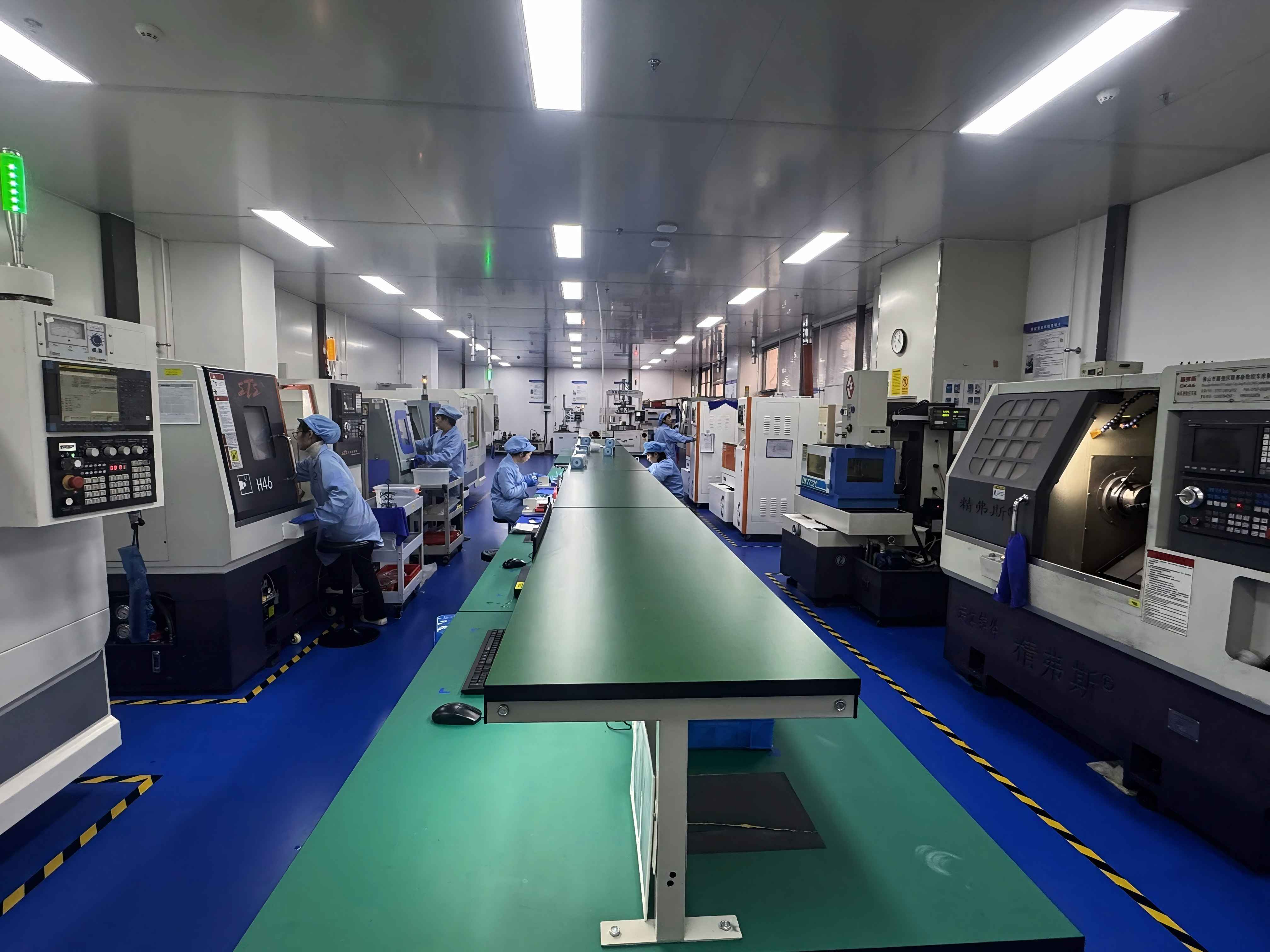
WINTIME's diamond dicing blades are produced using an advanced electroforming process that bonds diamond abrasives into a nickel‑based matrix. This method enables ultra‑thin blade body thickness (as low as <9 μm for the "Ultra‑thin Wafer D Blade" project) while maintaining run‑out tolerances of ±0.001 mm. The proprietary diamond grit formula (optimized for 2–6 μm particle size, the industry standard for bare silicon) minimizes micro‑chipping. An anti‑static coating ensures compatibility with Class 100/1000 cleanroom environments, and the hubless design (increasingly preferred for 300mm wafers) reduces vibration and improves stability during high‑speed rotation.
Compared to resin‑bonded blades, which rely on an organic binder that wears unevenly, the metallic bond in WINTIME's diamond blades provides consistent hardness throughout the blade's life. This dimensional stability translates to predictable cutting quality across thousands of cuts without recalibration.
Application Scenarios: Where Diamond Blades Deliver Maximum Impact
- Ultra‑thin wafer dicing (8″/12″): For power devices and MEMS where material waste must be minimized, the 9 μm kerf width directly improves die‑per‑wafer count by 8–12%.
- Hard/brittle substrates (SiC, GaN, optical glass): The 50% lower chipping rate reduces edge‑crack failure, raising final yield by an average of 12% in production lines.
- High‑volume mass production: The 30% longer service life reduces tool change frequency, cutting scheduled downtime and enabling continuous operation in automated fabs.
- Functional ceramics (LTCC, alumina): The anti‑static coating prevents particle attraction and enables clean dicing without excessive debris.
Market Context: The Shift Toward Diamond‑Based Consumables
With DISCO Corporation holding an estimated 52–55% of the dicing equipment market, the consumables ecosystem is heavily oriented toward diamond‑blade technology. China's exports of cutting tools to Vietnam grew by USD 18 million between 2024–2025, signaling rising regional demand for precision semiconductor consumables. As resin blades continue to lose share (42% in 2024, down from over 50% five years ago), the market is consolidating around suppliers that offer measurable efficiency improvements.
Comparison with Traditional Solutions: An Honest Assessment
Where WINTIME blades excel: Higher yield, narrower kerf, longer life, lower chipping, and compatibility with advanced materials and cleanrooms. The operational savings reduce annual production cost by approximately 8% through less downtime and reduced material waste.
Honest limitation: The initial purchase price is 10–15% higher than standard competitor blades (often resin‑bonded). For very low‑volume operations or budget‑constrained R&D environments, this upfront cost may be a barrier. However, the break‑even point is typically reached within the first 2–3 months of continuous production, after which the savings start flowing.
Quality control advantage: WINTIME implements an ISO 9001 quality management system with batch‑tracking and automatic production equipment. Each batch is tested for consistency, and non‑conforming products are traceable and recallable – a critical factor for fabs that cannot tolerate performance drift.
Future Outlook
As wafer fab lines move toward 300 mm processing and advanced packaging, the demand for hubless, ultra‑thin diamond dicing blades will grow. WINTIME's continued investment in R&D (35 engineers) and its ability to achieve sub‑9‑micron blade thickness position it as a viable alternative to established Japanese and German suppliers. The company also offers OEM/ODM services, allowing customers to tailor blade specifications for proprietary processes.
Frequently Asked Questions
To review detailed technical specifications and performance data, download the WINTIME product brochure:
Contact WINTIME directly for customized blade recommendations and volume pricing: shenxiangfei@ntwintime.com | Tel: +86 13851530812
هل لديك أسئلة أو تحتاج إلى مزيد من التفاصيل؟
تواصل مع فريقنا للحصول على عرض أسعار مخصص أو استشارة فورية.
طلب عرض أسعار
املأ النموذج أدناه وسيتواصل معك فريقنا بعرض مقترح مخصص.
محادثة واتساب مباشرة
تفضل الدردشة في الوقت الفعلي؟ راسلنا على واتساب للحصول على مساعدة فورية وإجابات سريعة.
- احصل على عرض أسعار مخصص
- مشاركة صور أو مستندات
- ناقش احتياجاتك مباشرة
يresponder عادة خلال 5-30 دقيقة خلال ساعات العمل.