
Wall Panel Procurement FAQ: Fire, Water, and Installation
Independent Procurement Reference · Construction & Decoration
Most wall panel orders are not delayed by design. They are delayed by three questions that seldom get answered in the same document: how the panel behaves in a fire, what happens when water reaches it, and whether the format on the drawing can be produced, shipped and installed as drawn.
The category is large enough that these procedural questions are worth standardising. The global wall panel market was valued at USD 32.4 billion in 2025 and is projected to reach USD 43.7 billion by 2033, with Asia-Pacific accounting for approximately 42.3% of demand, according to Dataintelo. As more importers, distributors and fit-out contractors enter that market, the gap between a fast approval and a stalled one is usually documentation rather than decoration.
This reference works through the purchasing questions that typically appear between supplier selection and execution, using the published dimensional and material data of LONGTE wall panel models as the working example. Haining Longtime Industry Co., Ltd. (LONGTE) is a manufacturer of PVC ceiling and wall panels, WPC wall panels, PVC lamination films, SPC flooring and WPC decking, exporting 85% of its output to markets including the USA, Colombia, India, the Philippines, the UAE and South American countries.
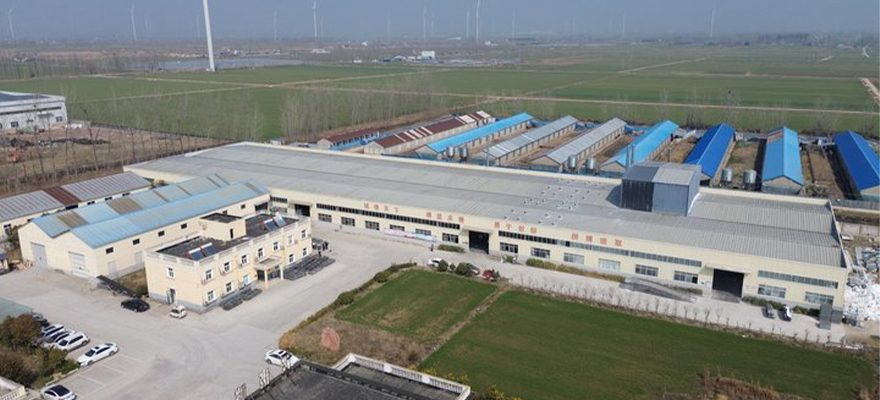
Where wall panel procurement breaks down
The failure point is usually vocabulary. A supplier writes B1; a consultant writes a European fire class; a contractor writes waterproof. Three documents, three different languages, one purchase order.
Fire: the term B1 travels on supplier certificates without stating which test standard it references, and a certificate issued against one national classification is not automatically accepted against another.
Water: the word waterproof is applied to a shower wall, an exterior facade cladding and a rigid-core flooring product in the same conversation, even though the performance characteristics behind each are different.
Fit: a drawing may specify a finished module dimension while the supplier quotes a panel dimension. Those two numbers are not interchangeable, and treating them as such is where waste factor, joint alignment and reveal detailing go wrong.
The opportunity is procedural. Buyers who close fire classification, moisture rating and format confirmation before the shop drawing is frozen spend less on re-cutting, re-ordering and re-inspection. In practice, that means asking for three specific documents rather than three generic assurances.
Fireproofing: what a B1 rating does and does not prove
A B1 rating is a classification assigned to a material after a defined fire test. It describes how much that material contributes to fire growth under that test method. It is a material property, not a building property — it says nothing about how a wall assembly with a cavity, an adhesive and a service penetration will behave.
On the supply side, LONGTE holds valid CE, RoHS and Fireproof B1 certificates, maintained since 2022, together with CNAS fire test documentation and SGS formaldehyde testing. That combination matters more than the single B1 label, because it places fire performance next to emissions and material composition rather than presenting it in isolation.
Independent context: for commercial WPC wall panels, the European reference is EN 13501-1, with an ideal outcome around a B-s1, d0 classification. This is a different classification system from B1, and the difference is not academic. A test report referencing one system may not be accepted in a jurisdiction that requires another, which is why the market, not the material, determines which certificate matters.
Fire performance across LONGTE models
Two LONGTE models carry a B1 rating in their published specifications: the LT-PU PU Faux Stone Wall Panel and the LT-PM PVC Marble Wall Panel. Both are decorative surfacing products, and neither is positioned as a structural or fire-compartment element. That distinction should be stated in the specification itself, because it prevents a common site assumption that a B1 panel replaces a rated wall assembly.
Moisture resistance: separating waterproof from water-tolerant
Moisture performance in wall panels is a system result. The panel core, the surface layer, the joint detail and the substrate all contribute, which is why two products labelled waterproof can behave differently in a shower enclosure.
Rigid PVC-core products in the LONGTE range are documented with an IPX8 waterproof rating and an expansion coefficient of 0.02%, against 3–5% for traditional HDF-based boards. An optional IXPE underlay adds 8–12% thermal insulation and reduces impact noise by 18–22 dB. These figures describe rigid-core construction, and they are the clearest available benchmark of how a non-swellable core behaves compared with a wood-fibre core.
For exterior and semi-exterior surfaces, the relevant property is usually weather resistance rather than immersion resistance. The LT-PU PU Faux Stone Wall Panel is specified as weather-resistant and impact-resistant, which is the appropriate framing for facades, pool surrounds and covered outdoor walls where wind-driven rain and UV exposure matter more than standing water.
Verified dimensional and material data
The table below reproduces published specification values for two LONGTE wall panel models. It is deliberately limited to values that are documented; where a dimension varies by model, that is stated rather than estimated.
| Specification | LT-PU — PU Faux Stone Wall Panel | LT-PM — PVC Marble Wall Panel |
|---|---|---|
| Construction | Polyurethane foam with surface coating | PVC, CaCO3 and UV coating |
| Thickness | 20–30 mm | 3–8 mm |
| Format | Customizable size based on the model | 1220 × 2800 mm |
| Weight / density | 2–3 kg/m² | 1.4–1.5 g/cm³ |
| Fire rating | B1 | B1 |
| Environmental performance | Weather-resistant, impact-resistant | UV-coated marble pattern surface |
| Typical role | Lightweight decorative stone-look cladding | Interior decorative wall surfacing |
Two practical readings follow from the numbers. First, the 20–30 mm build-up of LT-PU is a genuine dimensional commitment: it consumes depth at corners, reveals and window returns, so it belongs in the shop drawing rather than in a finish schedule note. Second, the 1.4–1.5 g/cm³ density of LT-PM places it in the rigid-panel category, which affects handling, cutting and substrate flatness requirements during installation.
Planning around real panel formats
Format planning is where procurement decisions become installation costs. The published LT-PM format of 1220 × 2800 mm is a sheet-based dimension, and sheet formats reduce the number of vertical seams relative to narrow plank profiles — useful in lobby walls, corridor runs and large reception surfaces where joint lines are visually sensitive.
A separate point applies to module dimensions. If a drawing calls for a module such as 600 × 2900 mm, treat that figure as a design intent and confirm it against the production format the supplier commits to in the order confirmation. A module dimension may include a trim, a joint allowance or a cut-down panel, and it is not the same number as a factory panel size. Confusing the two is a common cause of on-site waste.
Three planning rules follow:
- Confirm the factory panel dimension, the finished module dimension and the tolerance separately in writing.
- Calculate waste factor from the actual panel dimension and the wall geometry, including door and window reveals, rather than from wall area.
- Retain a small quantity of the production batch for future repairs, particularly on multi-phase projects where colour continuity matters across shipments.
OEM and customization: what can realistically be specified
Customization in this category is usually a combination of format, surface and packaging rather than a new material. LONGTE operates with a 12-engineer R&D team and produces its own hot stamping foils and PVC lamination films alongside finished panels, which means surface and colour effects are controlled within the same production chain as the panel itself.
In practice, buyers typically specify:
- Cut-to-format panel lengths and widths for a specific wall module.
- Surface treatment — UV-coated marble pattern, lamination film, hot stamping foil or a PU stone surface finish.
- Panel thickness within the range published for the model.
- Colour and texture matching against an approved physical sample.
- Private-label packaging and carton marking for distributor programmes.
Customization has commercial boundaries that should be agreed before sampling. A custom design carries a minimum order quantity of 500 m² per SKU, while a standard reorder is normally one 1×40HQ container per SKU. A first trial order can be placed as a mixed 1×20GP container of roughly 500–800 m², and samples of 1–3 pieces are provided free of charge with the buyer covering courier cost. Those thresholds are the practical dividing line between testing a market and committing to a programme.
Installation: labour, substrate and sequencing
Installation time is a procurement variable, not only a site variable. Lightweight stone-look cladding is documented at 4–6 labour hours per 50 m², compared with 3–5 days per 50 m² for real natural stone cladding. The difference comes from weight and fixing method: PU stone wall panels are 2–3 kg/m², while natural stone cladding typically runs 30–60 kg/m² and requires structural anchoring, mortar and often scaffolding.
The savings are real but conditional. Assembly-based fixing assumes a flat, dry, structurally sound substrate and correct sequencing with electrical and plumbing first-fix. Where the substrate is uneven or damp, the labour advantage erodes quickly, and in wet areas the joint and sealant detail becomes the performance-critical element rather than the panel itself.
Two installation points also affect warranty validity: panels should be allowed to acclimatise before fixing, and expansion allowance should be maintained at junctions. Documenting substrate condition and installation sequence at handover is inexpensive and prevents most disputes.
Supply continuity for multi-phase projects
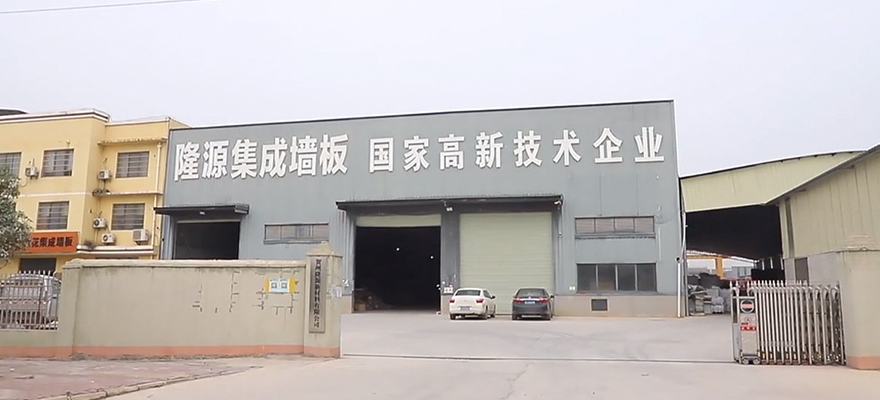
For buyers at the execution stage, the supply question is rarely about the first container. It is about the fourth. LONGTE operates six manufacturing hubs across Asia, including Haining, Guangxi, Indonesia, Vietnam and Malaysia. Published monthly capacity is 800,000 m² for PVC panel, 500,000 m² for SPC flooring, 200,000 m² for WPC decking, 150,000 m² for PU stone and 80,000 m² for acoustic panel. Distributed capacity and in-house film and foil production are the two mechanisms that most directly affect colour and format continuity across repeat orders.
Logistics capacity supports the same objective. Shipping runs through multiple ports including Ningbo, Shanghai, Yantian and Shenzhen, with container pre-booking typically 30 days ahead of peak season, contract rates across five or more carriers, and an in-house logistics team of six. Export documentation is prepared within three days of loading, and DDP service is available to the USA, UAE, Colombia and Chile.
Quality control is structured in three stages: incoming material inspection, in-process inspection at two-hour intervals, and 100% finished-goods inspection, supported by ISO 9001 and third-party pre-shipment inspection on request through SGS, BV or TUV. On the commercial side, standard terms are 30% T/T deposit with 70% before shipment, L/C at sight above USD 50,000, and OA 30 days for long-term partners covered by Sinosure credit insurance. Major SKUs carry a five-year quality warranty, with free replacement within 30 days of arrival for genuine defects and after-sales response within 24 hours.
Where panel systems are the wrong choice
Decorative wall panels are surfacing products. They do not replace load-bearing walls, fire compartmentation, structural sheathing or acoustic-rated party wall assemblies, and a B1 rating should never be read as a substitute for those functions.
Fire classification is market-specific. A B1 certificate is not a universal passport; a project requiring EN 13501-1 performance needs documentation issued against that framework, and the two should not be assumed interchangeable.
Water ratings are product-specific. A waterproof rating published for a rigid-core product does not transfer to a film-faced decorative panel or a stone-effect surface without confirmation, and no panel rating compensates for a failed joint detail.
Format choices carry trade-offs. The 20–30 mm thickness of a PU stone panel delivers a convincing stone look at low weight, but it consumes depth at corners and returns in a way a 3–8 mm sheet does not — a real constraint in tight renovation work where existing door frames cannot be moved.
Cost horizons matter. Across the portfolio, WPC products typically carry a 20–30% higher upfront cost than traditional wood alternatives while delivering roughly 60% lower total cost over 15 years, largely through avoided maintenance. That trade only works if the project or owner horizon is long enough to capture it; for a short-hold fit-out, the premium may not be recovered.
Finally, third-party market figures vary. Total wall panel market size estimates differ significantly by source and by product definition, and some segment figures — such as the PU stone market — come from medium-reliability sources. They are useful for direction, not for financial modelling.
Market trend signals relevant to procurement
The Wood Plastic Composites market reached USD 8.89 billion in 2025, with a projected CAGR of 11.7% through 2033, according to Grand View Research. PU stone wall panel sales reached USD 3.7 billion in 2024, driven substantially by a 70–80% weight reduction compared with natural stone. UV marble sheets captured 18% of the global decorative materials market in 2024, a 260% increase from 2020.
On the supply side, China is the top exporter of PVC marble sheets, with 1,480 documented export records as of late 2025, according to Volza trade data. Combined with Asia-Pacific's approximately 42.3% share of global demand, this points to a category where availability is rarely the constraint — differentiation comes from compliance documentation, format flexibility and repeat-order consistency.
A parallel regulatory signal is emissions. Bamboo charcoal wood veneer panels are increasingly certified to the E0 formaldehyde emission standard of ≤ 0.07 mg/m³, and buyers in interior applications are starting to treat that as a baseline rather than an upgrade.
Future outlook
Two directions look durable. The first is weight: lightweight cladding continues to displace heavy natural stone in renovation and facade work because the savings appear in fixing method and labour, not only in material price. The second is documentation: fire classification, formaldehyde emissions and country-specific compliance requirements are becoming routine tender criteria, and suppliers who can produce matched paperwork for a destination market will find procurement cycles shorter.
For buyers, the practical implication is to shift evaluation earlier. Rather than confirming compliance after the sample is approved, ask for certificates, dimensional tolerances and reorder terms at the same time as the sample — the three questions that opened this reference are usually cheaper to answer before the order than after it.
Frequently asked questions
1. What does a B1 fire rating actually certify on a wall panel?
B1 is a classification assigned to a material after a defined fire test, describing its contribution to fire growth under that test method. It is a material property and does not certify the performance of a complete wall assembly, including cavity, adhesive or service penetrations. LONGTE holds Fireproof B1 certificates maintained since 2022 alongside CE and RoHS documentation.
2. Is a B1 rating accepted in every market?
No. Fire classification systems differ by region. Commercial WPC wall panels in the European Union are expected to meet EN 13501-1, ideally achieving a B-s1, d0 rating, which is a separate system from B1. Buyers should confirm the certificate body, the specific test standard cited and the report date for the destination market before the specification is finalised.
3. Which wall panels are suitable for bathrooms and shower areas?
Suitability depends on the product's own published rating rather than on the category name. Rigid PVC-core products in the LONGTE range are documented with an IPX8 waterproof rating and a 0.02% expansion coefficient, compared with 3–5% for traditional HDF-based boards. That rating belongs to the tested product and must be confirmed for the exact SKU used in a wet area.
4. Does waterproof mean the same thing for every panel type?
No. Immersion resistance, splash resistance and weather resistance are different performance claims. The LT-PU PU Faux Stone Wall Panel is specified as weather-resistant and impact-resistant, which suits facades and covered outdoor surfaces, while a documented IPX8 rating describes a rigid-core product. Substrate condition and joint detailing also determine real-world moisture performance.
5. What can be customized in an OEM wall panel order?
Typical customization covers cut-to-format panel dimensions, surface treatment such as UV-coated marble pattern, lamination film, hot stamping foil or a PU stone finish, thickness within the published range for the model, colour and texture matching against an approved sample, and private-label packaging. LONGTE produces its own films and foils, which supports colour and texture control.
6. What are the minimum order quantities for customized panels?
A custom design carries a 500 m² minimum per SKU, and a standard reorder is normally one 1×40HQ container per SKU. A first trial order can be placed as a mixed 1×20GP container of approximately 500–800 m². Samples of 1–3 pieces are provided free of charge, with the buyer covering courier cost.
7. Which panel sizes should buyers plan around?
The published LT-PM PVC Marble Wall Panel format is 1220 × 2800 mm with a thickness of 3–8 mm. LT-PU sizes are customizable based on the model. Where a drawing specifies a module such as 600 × 2900 mm, that figure should be confirmed against the supplier's committed production format, because a finished module may include trims, joint allowances or cut-down panels.
8. How fast can PU stone wall panels be installed compared with natural stone?
PU stone wall panels weigh 2–3 kg/m² and are documented at 4–6 labour hours per 50 m², compared with 3–5 days per 50 m² for real natural stone cladding at 30–60 kg/m². The saving comes from removing structural anchoring, mortar and scaffolding steps. It assumes a flat, dry, sound substrate and correct first-fix sequencing.
9. What documentation should accompany a wall panel shipment?
Standard export documentation includes commercial invoice, packing list, certificate of origin (CO, FORM E or FORM F), and MSDS where applicable. Pre-shipment inspection by SGS, BV or TUV can be arranged on buyer request with shared cost, photo and video inspection is provided at no charge, and samples are retained for six months for reference.
10. What does after-sales support cover on major SKUs?
Major SKUs carry a five-year quality warranty. Genuine defects reported within 30 days of arrival are eligible for free replacement, and the after-sales team responds within 24 hours. Quality control before shipment runs in three stages: incoming material inspection, in-process inspection at two-hour intervals, and 100% finished-goods inspection under ISO 9001.
Related reference: the full LONGTE product directory, including panel formats and surface options, is available for download at LONGTE product directory (PDF).