
Warning Post Supply Chains: Why Long-Term Partners Win
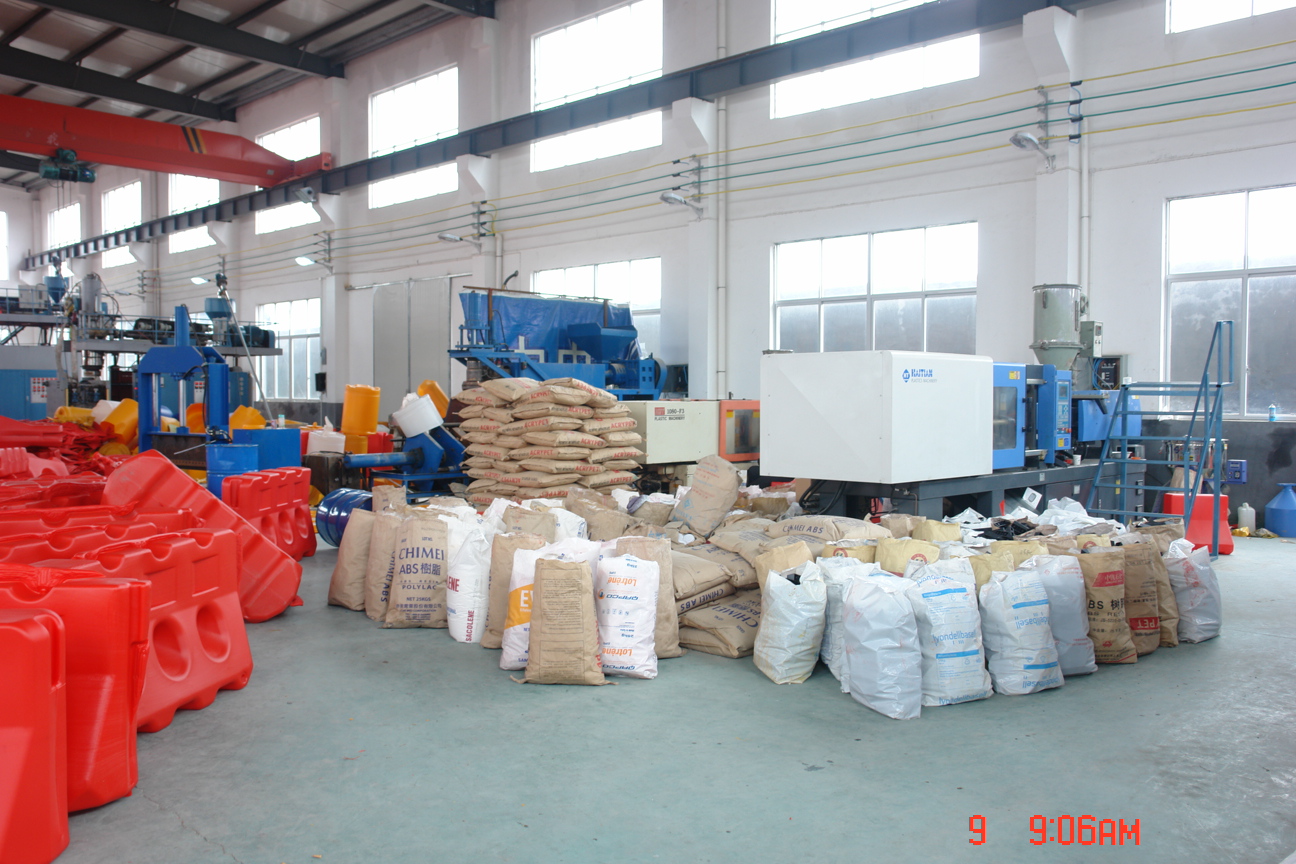
Mnsd, the export brand of Tiantai Yuanda Traffic Device Co., Ltd, is a road safety equipment manufacturer based in Hongsan Industry Zone, Tiantai, Zhejiang, China, producing flexible warning posts, traffic delineators, and related traffic control products. Founded in 2007, the company operates a 40,000 m² factory with 300 employees and an R&D team of 15, and it supplies importers, distributors, wholesalers, contractors, and infrastructure project suppliers worldwide. For buyers moving from supplier evaluation into contract decisions, the relevant question is no longer whether warning posts perform — it is which manufacturing partner can sustain quality, capacity, and commercial terms across multiple order cycles.
The Supply Challenge Behind a Low-Cost Product
Warning posts are among the highest-rotation items in road safety distribution. They sit at the edge of parking lots, loading docks, construction zones, and highway ramps, where they absorb repeated low-speed impacts, UV exposure, and weather cycles. Because the unit price is low, purchasing teams often treat the category as a commodity. In practice, however, the cost of a single warning post is small compared with the cost of a delayed shipment on a contracted road project. A distributor that runs out of stock in the peak construction season loses tender credibility; a distributor that receives inconsistent batches faces field complaints about fading color, cracked bases, or degraded reflectivity.
This is where manufacturing partnership matters more than piece pricing. The real cost to a distributor is the total cost of ownership across the ordering cycle: consistent material grade, dependable lead time, and predictable quality from one batch to the next. A manufacturer with documented production capacity and procedural quality control reduces the risk of supply interruption. A manufacturer that treats every order as a one-off transaction does not.
Market Growth Makes Supply Continuity a Strategic Issue
The demand environment for warning posts is expanding. The global road marker posts market was valued at USD 3.4 billion in 2024 and is projected to reach USD 5.4 billion by 2032. The broader traffic safety products market is expected to grow at a CAGR of 6.6% from 2026 to 2034, driven by urban population growth and infrastructure investment. For distributors, this trend has a practical consequence: as municipal and private projects scale up, warning post volume grows, and the number of suppliers that can absorb large, repeated orders becomes a competitive constraint.
The supply structure of the industry reinforces this point. Leading global traffic equipment manufacturers — including 3M, Honeywell, and SWARCO — hold roughly 39.2% of the market collectively. The remaining majority is served by specialized manufacturers around the world. That structure gives distributors a realistic opportunity to build direct, long-term relationships with mid-size factories that offer flexible commercial terms and faster response times than large conglomerates.
Mnsd's Supply Model for Repeat Business
Mnsd's manufacturing operation is built around high-speed injection molding. The company reports a monthly production capacity of 50,000 pieces, with a typical lead time of 10 to 15 days for bulk orders. This capacity profile matters for distributors planning multiple purchase orders across a project season: it supports restocking cycles without requiring large safety inventory, and it allows contractors to commit to tender deadlines with a documented supply source behind them.
Commercial terms reinforce the long-term relationship model. The minimum order quantity is 100 units, which allows a new distributor to qualify with a modest first order. Payment terms are 30/70 — a 30% deposit to initiate production and a 70% balance before shipment. Shipment is available on FOB or CIF basis. Pre-shipment testing is part of the acceptance process, giving the buyer a verification point before the goods leave the factory.
The company serves a global client base that includes importers, distributors, wholesalers, contractors, and infrastructure project suppliers. Approximately 50% of production is exported, with main markets in Asia, the EU, and the USA. This export-oriented structure means that production scheduling, packaging, and documentation are aligned with international trade requirements rather than domestic-only demand — a factor that shortens the onboarding process for overseas distributors.
Technical Foundation: Materials, Models, and Performance
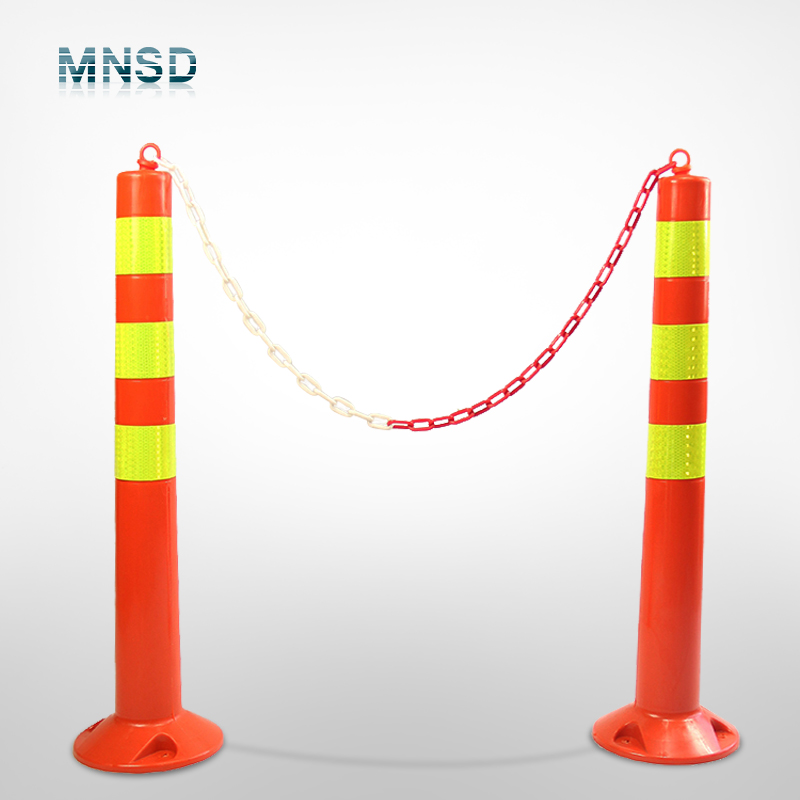
Mnsd produces three primary warning post models across the flexible plastic delineator category:
| Model | Height | Configuration | Material |
|---|---|---|---|
| YD-WP45 | 450 mm | 450 × 80 × 200 mm | High-Elasticity PU or Heavy-Duty PE |
| YD-WPS75 | 750 mm | 750 × 80 × 200 mm | High-Elasticity PU or Heavy-Duty PE |
| YD-PE50 | 500 mm | Post 500 mm; base diameter Φ260 mm | PE + Recycled Rubber Base |
Common specifications across the models include temperature resistance from -40°C to +70°C, UV-stabilized coating, anti-oxidant and colorfast aging resistance lasting over three years, and water and oil resistance. The reflective system uses high-intensity prismatic (HIP) Class 1 tape in 250 mm sleeves, available in silver white or fluorescent yellow, with a visibility distance of more than 200 meters. Physical performance is defined by 360° flexibility, rapid rebound after vehicle crush, tensile strength of 15.0 MPa, elongation at break of 400%, and hardness of 80–85 Shore A. Installation is by expansion bolt fixing with three or four holes, and the ring top design enables chain attachment. Color options include traffic orange, yellow, red, and black.
The material choice follows the application. PU provides high elasticity for self-recovery after impact. PE offers heavy-duty rigidity at a lower cost point. TPU is favored in high-impact environments; industry material guidance identifies thermoplastic polyurethane as superior to standard PE in impact resistance and elastic recovery. The YD-PE50 model combines a PE post with a recycled rubber base for installations that require a wider footprint and additional stability on uneven surfaces.
On the production side, Mnsd addresses thermal distortion risk by optimizing wall thickness to prevent sagging in high-temperature climates. The company maintains material stability up to 60°C, a relevant control point for Middle East and Southeast Asian markets where surface temperatures regularly reach that threshold.
For compliance, buyers reference the standards that govern this category. EN 12899-3 is the European standard specifying requirements for delineator posts and retroreflectors used in traffic circulation areas. ASTM D2765 provides standard procedures for measuring gel content and swell ratio of crosslinked ethylene plastics used in industrial safety products. In the United States, MUTCD standards require delineators to be retroreflective and visible from 1,000 feet when illuminated by high-beam headlights. Distributors that can document product characteristics against these frameworks are better positioned for municipal tenders.
Application Scenarios and Field Evidence
Warning posts fit a broad set of traffic environments: road traffic, residential quarters, parking garages, factories and warehouses, logistics parks, shopping malls, supermarkets, schools, hospitals, gas stations, construction sites, office parks, ports and docks, bus stations, industrial zones, community intersections, rural roads, and highway ramps.
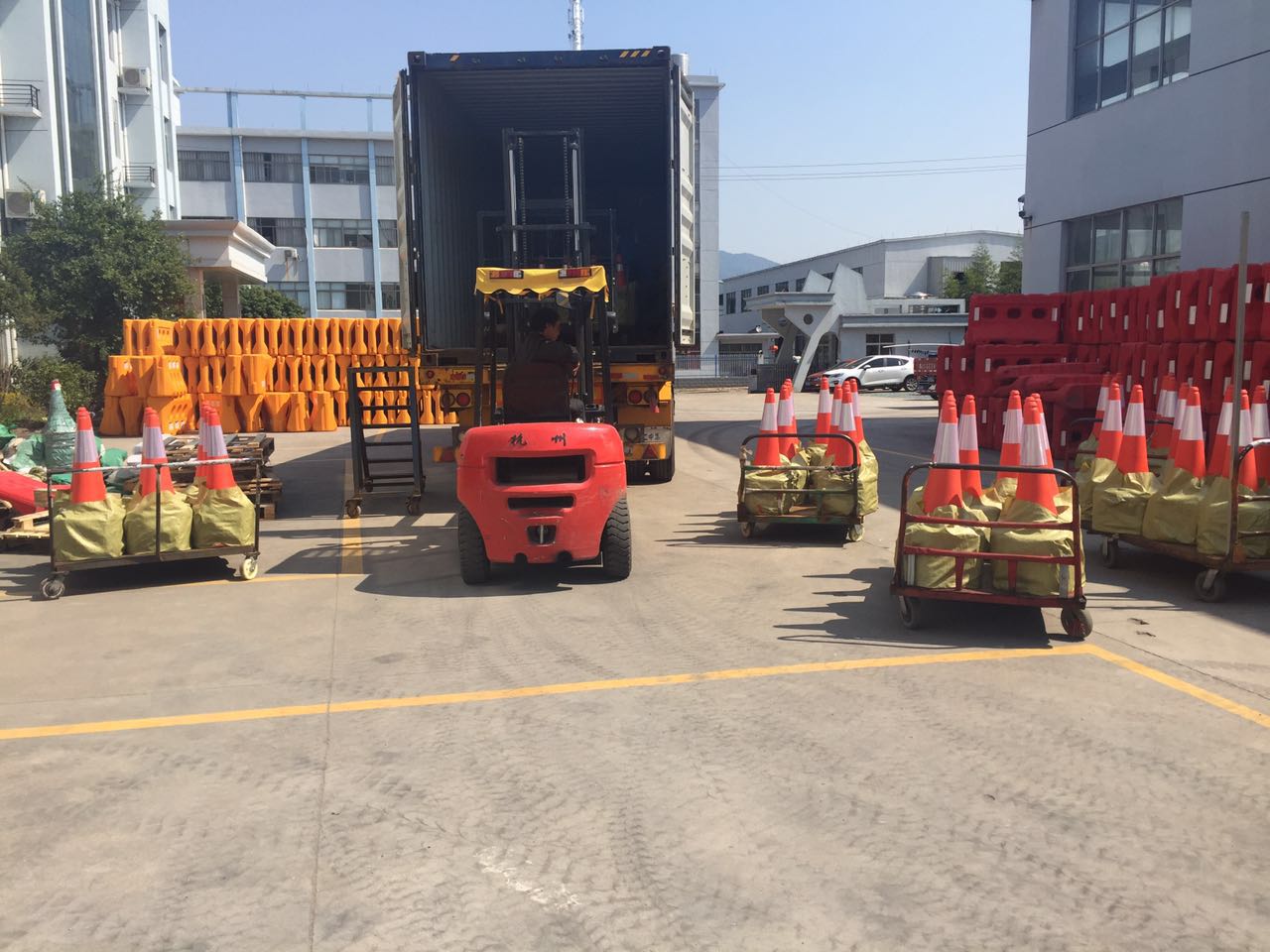
In each setting, the function is the same: provide a visible boundary, guide vehicles at low speed, and survive contact without permanent damage. The ring-top design allows chain linkage between posts, which is common in temporary construction zones and parking lots. The 750 mm model is better suited to road traffic and highway ramp positions where higher visibility is required; the 450 mm model works well in indoor and low-speed areas; the 500 mm rubber-base model is widely used where a wider footprint improves stability.
Field evidence from Southeast Asia: a road safety project in Vietnam using Mnsd warning posts was completed and accepted by local authorities. Acceptance by a local authority is a meaningful reference point for distributors because it indicates that the installed product passed the inspection criteria applied to public road infrastructure — not only the factory's own quality gate.
Market Trends Shaping Warning Post Procurement
Several trends are reshaping how distributors buy warning posts.
- Standard alignment. EN 12899-3 in Europe and MUTCD in the USA create common technical baselines. Distributors increasingly need products whose reflectivity and dimensional specifications can be documented against these frameworks, particularly for public tenders.
- Material upgrading. TPU's advantage in impact recovery is becoming better understood. Buyers are shifting product mixes toward flexible materials in high-traffic areas while retaining PE models for budget-sensitive segments. This favors suppliers that offer multiple material options within one factory.
- Supply-chain consolidation. As the market grows, distributors are consolidating their supplier lists to reduce qualification overhead. A supplier that can provide 50,000 pieces monthly, consistent lead times of 10–15 days, and pre-shipment testing reduces the administrative burden of managing multiple vendors for one product family.
Warning Posts vs. Traditional Barriers — and an Honest Limitation
Warning posts compete in procurement decisions against guardrails, fixed barriers, and cones. In most delineation applications, the comparison favors flexible posts. They are ultra-low cost — significantly cheaper than guardrails and barriers. They are almost maintenance-free, with no power consumption and no energy use; the only ongoing activity is cleaning or replacement when damaged.
The honest limitation is equally clear: a flexible warning post is a visual warning and light physical isolation device, not a vehicle containment barrier. In high-speed impact zones where a vehicle must be physically stopped, guardrails, concrete barriers, or reinforced bollards are required. Warning posts are engineered for low-speed guidance, lane delineation, and parking control. Selecting the right product class requires a precise understanding of the installation's speed environment — a factor that experienced distributors communicate to end users during project planning.
Future Outlook for Warning Post Supply
The warning post category is moving toward measurable standards, documented material performance, and closer manufacturer–distributor relationships. For Mnsd, the combination of 50,000-piece monthly production capacity, 10–15 day bulk lead times, a 100-unit MOQ, and 30/70 payment terms is structured around repeat orders. For distributors, the commercial logic is equally direct: a supplier that designs its terms for multiple purchase cycles is a supplier worth retaining.
As infrastructure spending continues across Asia, the EU, and the USA, distributors who establish reliable manufacturing relationships early will be better positioned to bid on projects with confidence and to deliver on schedule. The suppliers that document capacity, maintain material consistency, and honor lead times will become the long-term anchors of the warning post supply chain.
Evaluate Mnsd as a long-term warning post supply partner.
Mnsd — Tiantai Yuanda Traffic Device Co., Ltd
Hongsan Industry Zone, Tiantai Town, Taizhou City, Zhejiang Province, China
Website: www.mnsdtraffic.com
Email: info@mnsdtraffic.com | Tel / WhatsApp: +86 184-5813-7305
FAQ
What is Mnsd's monthly production capacity for warning posts?
Mnsd operates high-speed injection molding with a monthly production capacity of 50,000 pieces. For bulk orders, the typical lead time is 10 to 15 days.
What is the minimum order quantity for Mnsd warning posts?
The minimum order quantity for Mnsd warning posts is 100 units.
What payment and delivery terms does Mnsd offer?
Payment terms are 30/70: a 30% deposit to initiate production and a 70% balance before shipment. Delivery is available on FOB or CIF terms, and pre-shipment testing is part of the acceptance process.
Which warning post models does Mnsd produce?
Mnsd produces the YD-WP45 (450 mm, PU or PE), the YD-WPS75 (750 mm, PU or PE), and the YD-PE50 (500 mm, PE with recycled rubber base).
Who does Mnsd supply?
Mnsd serves importers, distributors, wholesalers, contractors, and infrastructure project suppliers worldwide. Approximately 50% of production is exported to Asia, the EU, and the USA.
Does Mnsd support OEM/ODM customization?
Yes. With more than 15 years of manufacturing experience, Mnsd offers OEM and ODM customization services for warning posts and other traffic safety products.
Which standards are relevant to warning post compliance?
Relevant frameworks include EN 12899-3 for delineator posts and retroreflectors in the EU, ASTM D2765 for crosslinked ethylene plastics in the USA, and MUTCD visibility requirements of 1,000 feet under high-beam headlights.
What field track record does Mnsd have in local road projects?
A road safety project in Vietnam using Mnsd warning posts was completed and accepted by local authorities, indicating satisfactory performance in the field.