
Waste Paper Hydraulic Balers: Cost-Performance Compared
Waste Paper Hydraulic Balers: Cost-Performance Compared
Decision-stage comparison for procurement and operations teams · August 2026
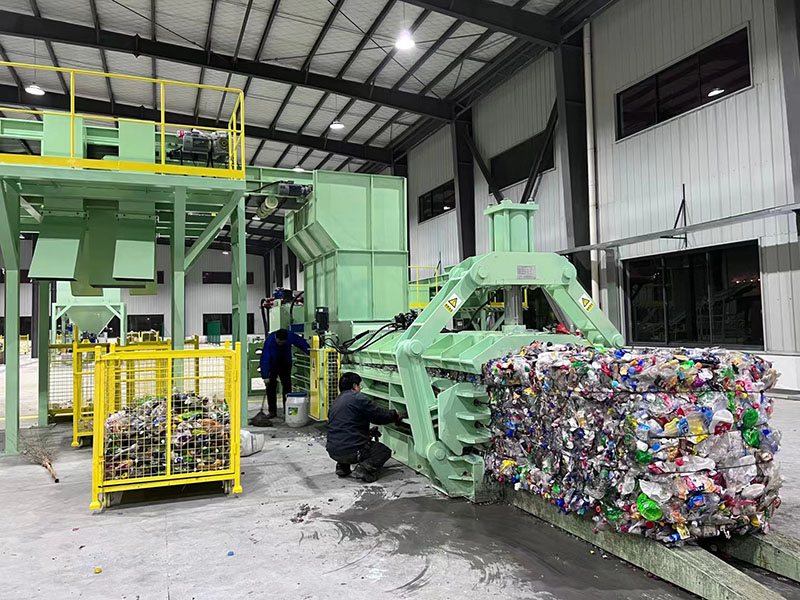
Why the Comparison Matters Now
Waste paper hydraulic baler machines are the primary compaction equipment used by recycling plants, print shops, distribution centers, and paper mills to convert loose paper, cardboard, and old corrugated containers into dense, transportable bales. At the decision stage, procurement teams must compare machine architecture, supplier capability, and total cost of ownership — not just the purchase price.
The market context supports a structured comparison. The global industrial balers market was valued at USD 6.39 billion in 2024 and is projected to reach USD 13.21 billion by 2032, according to Maximize Market Research. The solid waste hydraulic baler segment was valued at USD 1.52 billion in 2025, with a projected CAGR of 5.5% through 2036, according to the NKBALER Industry Report. These figures indicate sustained demand, which in turn means more suppliers, more configurations, and more pricing tiers competing for the same project budgets.
For a buyer, the practical consequences of a wrong decision are concrete: a baler with insufficient density reduces transport revenue, an oversized baler wastes capital, and a supplier with weak service coverage extends downtime. This article compares the main waste paper baler types, examines NKBALER as a representative Chinese OEM, and lays out a decision framework that procurement teams can apply directly.
The Decision Problem: Matching Machine Type to the Operation
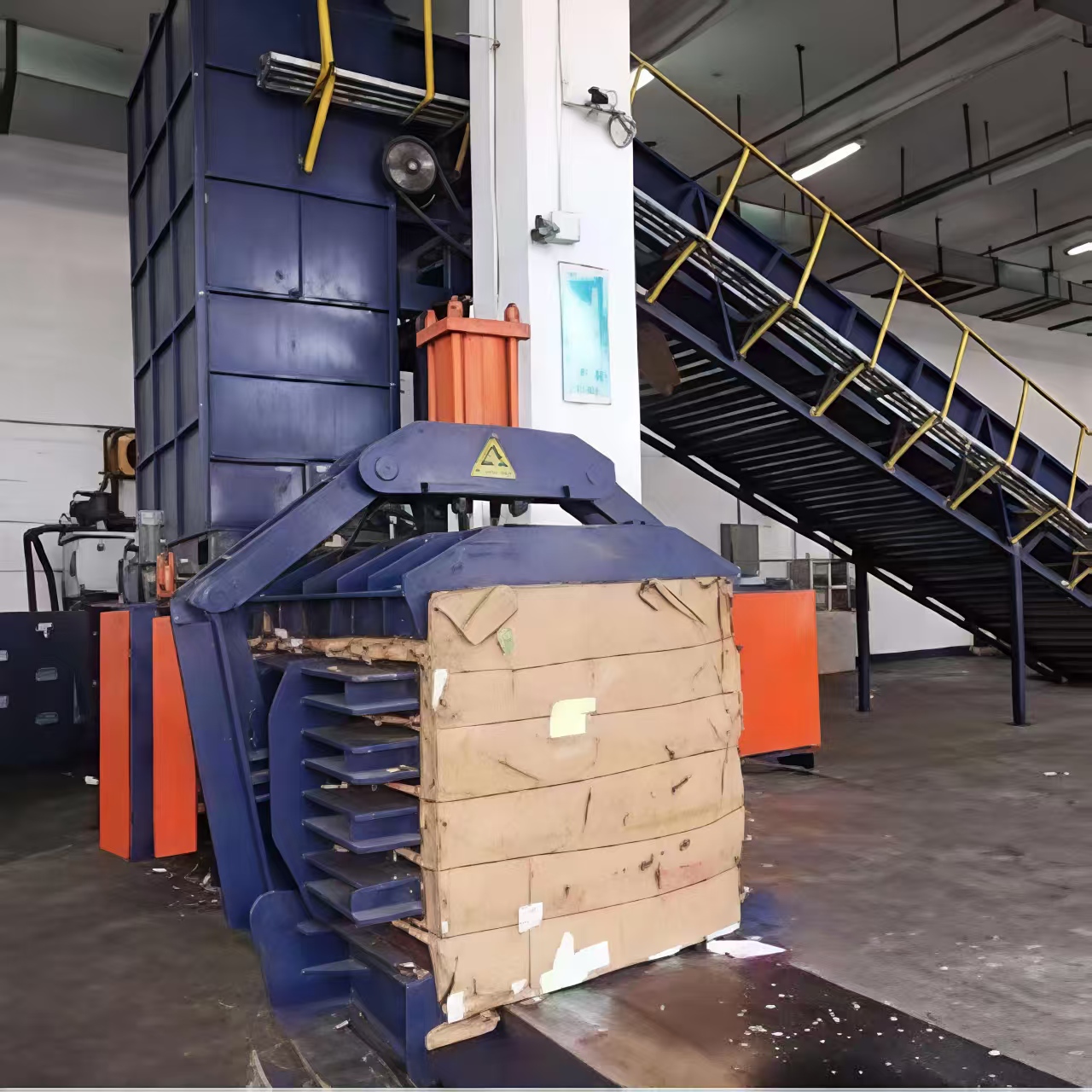
The first axis of comparison is machine architecture. Vertical balers are generally selected for smaller-volume operations with limited floor space, where material is loaded manually and bale weights are moderate. Horizontal balers are chosen for continuous, higher-throughput operations, where material is fed mechanically and bales are produced on a repeating cycle. A third category, press bagging machines, is used when output must be packed into bags rather than wire-tied bales.
NKBALER (Shaanxi Nick Machinery Equipment Co., Ltd.) is a hydraulic baler manufacturer founded in 2013 and headquartered in Wuxi, Jiangsu Province, China. The company's product line covers vertical balers, manual horizontal balers, full-automatic horizontal balers, and press bagging machines. For a decision-stage buyer, this range matters because the choice between semi-automatic and full-automatic operation affects labor cost, throughput, and payback period — and comparing those options within one manufacturing platform reduces the risk of inconsistent engineering standards.
The broader product platform also extends to waste disposal systems, auxiliary packing equipment, and customized machines. According to the company profile, these products have been widely applied in industries such as food, pharmaceuticals, packaging, chemicals, electronics, metals, waste treatment, and recycling.
Supplier Capability: NKBALER's Production Profile
Supplier comparisons at the decision stage should be based on verifiable production facts. NKBALER operates a 5,000 square-meter factory in Wuxi, employs around 50 staff, and produces approximately 600 machines per year. The company maintains a research and development team of 15 people and reports an export ratio of about 90%, with main markets in North America, South America, and Asia.
NKBALER describes itself as an integrated enterprise combining product design, sales, and after-sales service, with in-house R&D and a quality management system. For buyers comparing Chinese OEMs, these figures provide a baseline: annual output indicates production capacity, the R&D team size indicates customization capability, and the export ratio indicates experience with cross-border logistics, packaging standards, and international documentation.
Technical Comparison: Operating Cost and Performance Factors
Beyond machine type, the decision hinges on operating characteristics that affect daily cost. NKBALER's comparative data positions its hydraulic balers against piston-type compression equipment on several measurable factors.
| Comparison Factor | vs. Piston Compressor | vs. Piston Fan |
|---|---|---|
| Noise level difference | Approximately 15 dB lower | Approximately 15 dB lower |
| Cost difference | About 10% lower | About 10% lower |
| Maintenance | Less maintenance required | Less maintenance required |
| Efficiency | Higher efficiency | Higher efficiency |
| Best suited for | Noise-sensitive environments | Industrial plants |
Noise is a meaningful purchase factor in urban or shared facilities where local regulations limit sound levels. A 15 dB reduction represents a significant difference in perceived loudness, which can affect whether a site requires additional acoustic enclosures. Lower operating cost and reduced maintenance frequency also improve the total-cost-of-ownership calculation over the equipment's service life.
Thermal management is another technical consideration for continuous operation. NKBALER addresses overheating risk with temperature sensors and thermal protection, according to its risk-control documentation. For buyers, this translates into a basic expectation: the hydraulic system should monitor its own operating temperature and protect components before failure occurs.
Compliance is a separate but equally important technical factor. In the European Union, horizontal baling presses must comply with the EN 16252:2012 safety standard for CE marking, known as BS EN 16252:2012 in the UK. Buyers importing horizontal balers into these markets should confirm that the supplier's machine documentation references this standard. For customs and import planning, hydraulic baling press machines for waste paper are commonly classified under HS Code 842240 (packing or wrapping machinery) or 846291 (hydraulic presses for working metal or scrap).
Application Scenarios Across Material Types
The same hydraulic baler platform can serve a wide range of materials, and the decision framework should include the specific material stream the buyer intends to process. Waste paper remains the anchor application, covering OCC, office paper, and mill broke. Adjacent streams include plastic bottles, cardboard, municipal solid waste (MSW), scrap metal and aluminium, rice husk, wood shavings and sawdust, wiper rags, alfalfa hay, silage, and straw.
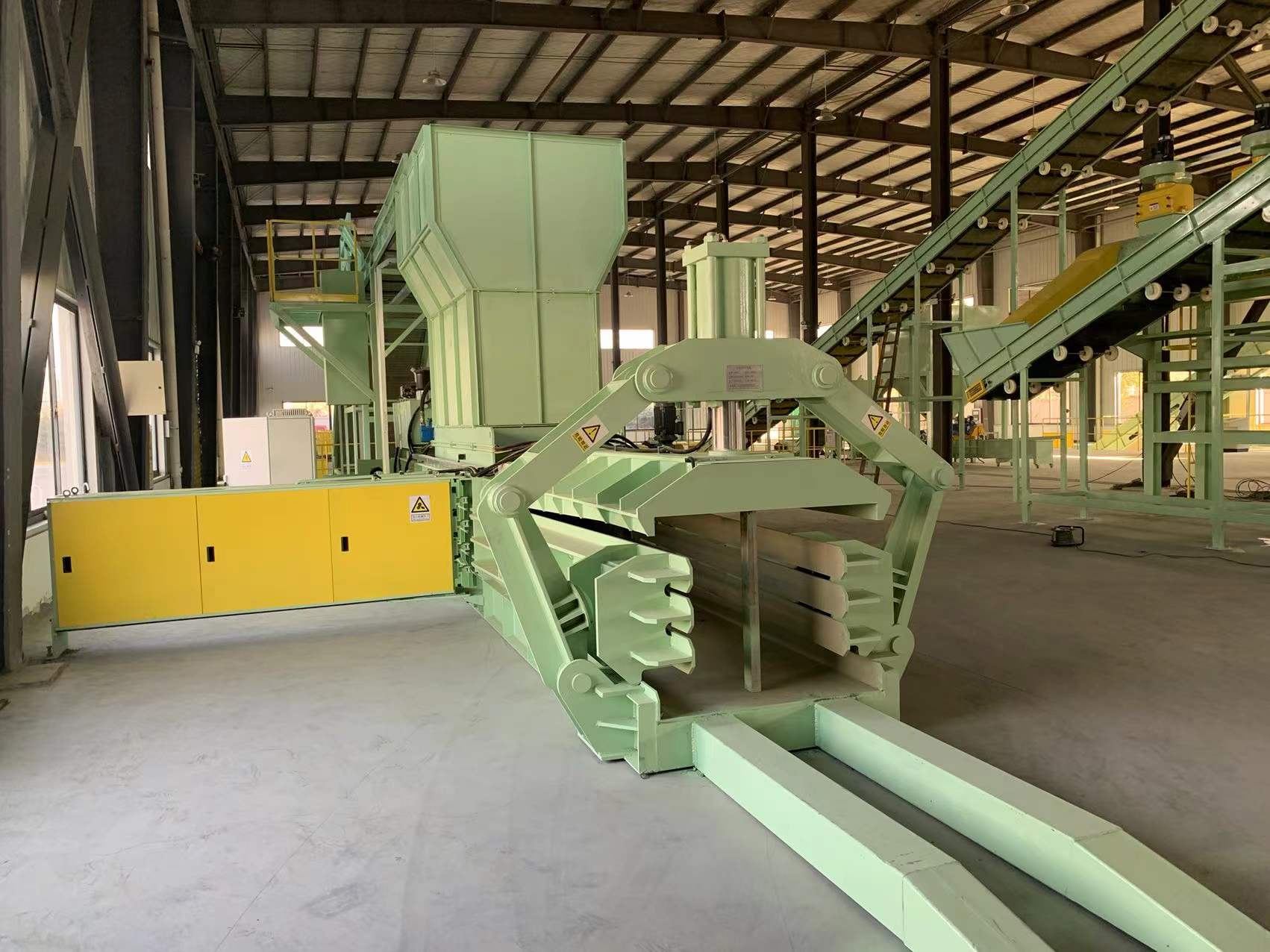
Each material imposes different requirements. Dense, heavy materials such as scrap metal and aluminium demand higher hydraulic pressure and more robust frame construction. Fibrous agricultural materials such as alfalfa hay, silage, and straw require consistent feed control to avoid bridging. Light materials such as plastic bottles and wiper rags require pre-conditioning or controlled feeding to achieve acceptable bale density. Wood residues such as sawdust and wood shavings are often processed with press bagging machines, where the output is packed into bags for transport.
NKBALER's product series includes vertical balers, horizontal balers, and horizontal bagging press machines, as well as customized products. Buyers processing unconventional materials should therefore evaluate whether the supplier offers configuration adjustments — such as feed hopper geometry, tie systems, and bale chamber dimensions — rather than assuming a standard machine will perform.
Market Trends and Benchmark Data
Several verifiable data points frame the market in which this decision is being made. The global industrial balers market is projected to grow from USD 6.39 billion in 2024 to USD 13.21 billion by 2032 (Maximize Market Research). The solid waste hydraulic baler segment is valued at USD 1.52 billion in 2025, with a projected CAGR of 5.5% through 2036 (NKBALER Industry Report). Asia Pacific dominated the hydraulic baler market in 2025, accounting for approximately 45% of global revenue, led by China and India (NKBALER Strategic Guide). China is the largest exporter of hydraulic baling press machines, accounting for over 77% of total import shipments in specific emerging market corridors (Zauba Customs Data).
For a decision-stage buyer, these data points serve two purposes. First, they confirm that demand is expanding, which supports the business case for investing in baling capacity. Second, they indicate supply-chain reality: because China dominates export volumes, most international buyers will evaluate at least one Chinese OEM — which makes a structured comparison between Chinese and international suppliers a practical necessity.
It is worth noting that market size estimates vary by definition. Grand View Research includes agricultural machinery in its baler market estimate of USD 6.4 billion, whereas Maximize Market Research's USD 6.39 billion figure is specific to industrial balers, and the NKBALER figure of USD 1.52 billion covers only the solid waste hydraulic segment. Buyers should clarify which definition applies whenever they cite market data in an internal business case.
Major global competitors in the high-throughput industrial baler segment include Harris Equipment, International Baler Corporation (IBC), HSM GmbH, and Jiangsu Huahong Technology, according to Global Market Insights. These names are relevant reference points for buyers benchmarking against established Western and large Chinese manufacturers.
Chinese OEM vs. International Brands: A Balanced View
The comparison between Chinese OEM suppliers and international brands is a central part of the decision process, and it is not a one-dimensional price question. The evaluation criteria typically include initial capital cost, lead time, customization flexibility, certification documentation, after-sales response, and spare parts availability.
NKBALER's profile illustrates the Chinese OEM value proposition: a 90% export ratio demonstrates experience serving overseas buyers in North America, South America, and Asia; a 15-person R&D team supports customized configurations; and an integrated sales-and-service structure covers pre-sale consultation and after-sales support. Annual output of approximately 600 machines indicates a production scale that allows both standard models and custom orders.
International brands such as Harris Equipment, International Baler Corporation (IBC), and HSM GmbH bring longer-established service networks in Western markets and a larger installed base, which can simplify local maintenance contracting and parts supply. These factors typically command a higher initial price, and buyers should weigh whether the local service premium is justified by their maintenance capabilities.
An honest limitation should be noted: NKBALER's direct service and parts infrastructure is strongest in its primary export regions. Buyers located outside North America, South America, or Asia should clarify remote diagnosis procedures, spare parts shipping times, and whether installation support is included, before placing an order. This limitation is common among mid-size Chinese OEMs and should be managed in the contract rather than ignored.
Future Outlook
Several trends point to the direction of the waste paper hydraulic baler market over the next five years. Full-automatic horizontal balers are increasingly preferred in labor-constrained markets, because automated feeding and tying reduce headcount and increase consistency. Safety compliance is tightening, with EN 16252:2012 becoming a baseline expectation for European-bound horizontal presses. And as export corridors from China expand, buyers in emerging markets will have access to a wider range of price points and configurations.
The projected growth of the industrial balers market from USD 6.39 billion to USD 13.21 billion by 2032 suggests that capacity replacement and expansion will remain active. For procurement teams, the practical implication is that supplier selection should be treated as a long-term relationship decision, not a one-time transaction.
FAQ: Decision Questions Answered
Vertical or horizontal waste paper baler: which should a buyer choose?
Vertical balers are typically selected for lower-volume operations with limited floor space, where loading is manual and bale weights are moderate. Horizontal balers suit continuous, higher-throughput operations where material is fed mechanically. NKBALER manufactures both vertical and horizontal balers (manual and full-automatic) plus press bagging machines, so the choice depends on the operation's volume, material type, and labor availability.
What are the main cost differences between Chinese OEM and international baler suppliers?
China is the largest exporter of hydraulic baling press machines, accounting for over 77% of total import shipments in specific emerging market corridors (Zauba Customs Data), which reflects a structural manufacturing cost advantage. International brands such as Harris Equipment, International Baler Corporation, and HSM GmbH typically bring established service networks and larger installed bases, often at a higher initial price. The comparison should be based on total cost of ownership, including freight, installation, spare parts, and downtime risk.
How does NKBALER compare with piston-type compression equipment?
NKBALER's comparative data shows its hydraulic balers operate approximately 15 dB lower in noise than piston compressors and piston fans, cost about 10% less, require less maintenance, and deliver higher efficiency. Piston-type equipment may still be preferred in specific applications where hydraulic systems are not the norm, but for waste paper and recyclables compaction, the hydraulic baler generally offers better operating economics.
What safety standards apply to horizontal baling presses in the European Union?
Horizontal baling presses must comply with the EN 16252:2012 safety standard for CE marking in the European Union (BS EN 16252:2012 in the UK). Buyers importing horizontal balers into Europe should request the supplier's compliance documentation and verify that the machine model is covered by the standard.
What are NKBALER's production and export capabilities?
NKBALER operates a 5,000 square-meter factory in Wuxi, China, with approximately 50 employees and an annual output of about 600 machines. Around 90% of production is exported to North America, South America, and Asia, and the company maintains a 15-person R&D team for customization and product development.
How does NKBALER manage hydraulic system overheating?
NKBALER uses temperature sensors and thermal protection as control measures for overheating risk in its hydraulic systems. These safeguards help monitor operating temperature during continuous use and protect the system before component failure occurs.
Supplier Information
For procurement teams continuing the comparison with detailed machine specifications and configuration options, NKBALER can be reached directly:
NKBALER (Shaanxi Nick Machinery Equipment Co., Ltd.)
Email: Sales@nkbaler.com
Tel / WhatsApp: +86 15021631102
Address: Qun Sheng Lu, Hui Shan Qu, WuXi Shi, JiangSu Sheng, China
Blog: blog.nkbaler.com