
Water Quality Sensor Manufacturer Compliance: An Application-Level Audit
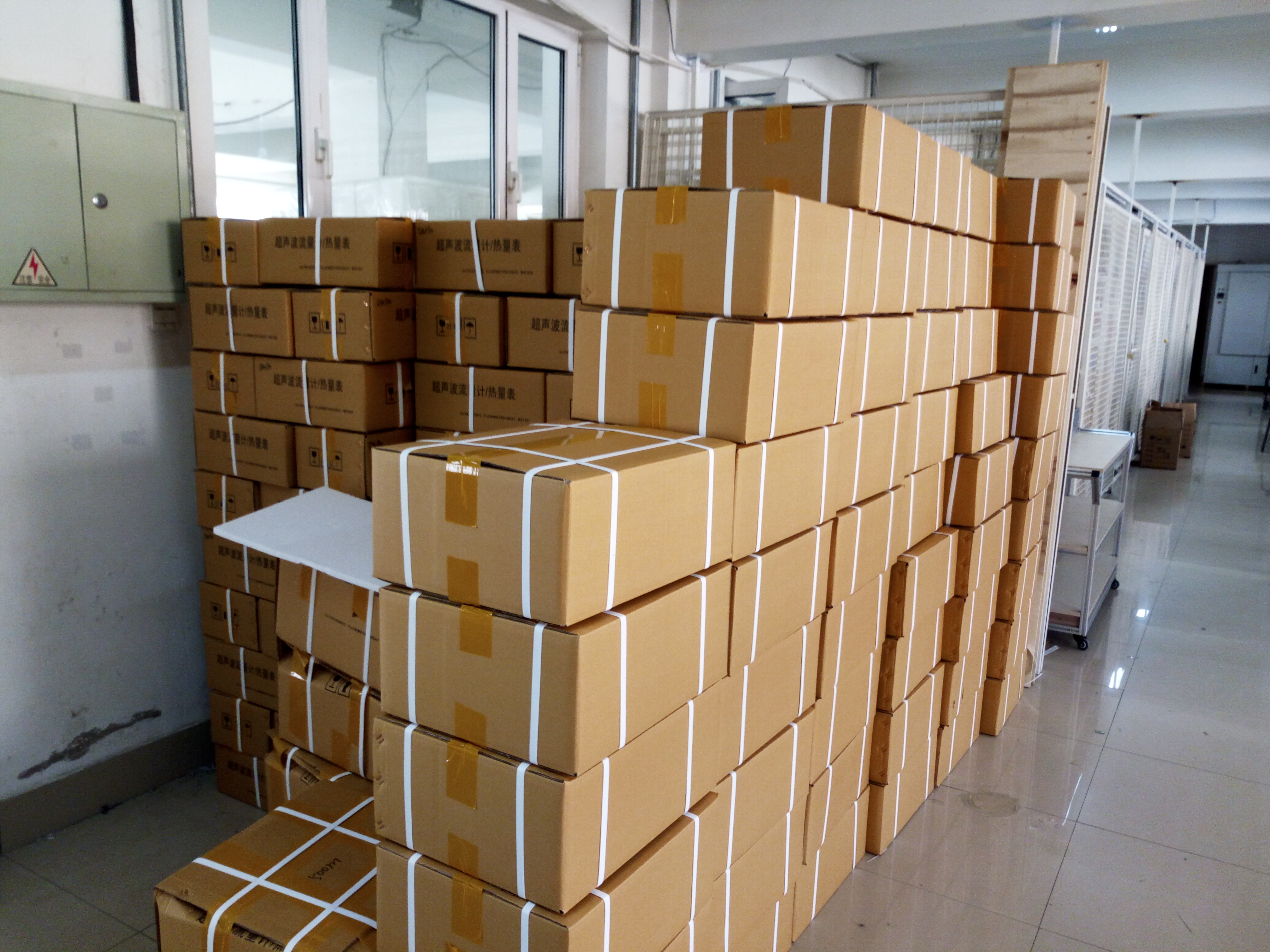
Factory shipment preparation at a water quality sensor manufacturing facility. Image: KACISE.
Procurement teams evaluating water quality sensor manufacturers often treat documents as a scorecard. More certificates suggest a more qualified supplier. That logic survives the purchasing review and fails in the field. A sensor qualified for residual chlorine monitoring at a municipal wastewater plant is not the same sensor required for dissolved oxygen measurement at a recirculating aquaculture farm. A certificate for nitrate sensing in river water tells a buyer almost nothing about the documentation needed for oil-in-water detection in a cooling loop.
Compliance is an application-level question, not a corporate-level one. Each measuring point carries its own interference profile, maintenance reality, and electromagnetic environment. Auditing a water quality sensor manufacturer should begin with the question: Where will this sensor measure? Not: How many logos can this supplier display?
The Problem: When Qualification Documents Do Not Match the Measuring Point
The gap between corporate-level compliance paperwork and application-level fit is one of the most expensive blind spots in sensor procurement. A manufacturer may hold a valid EMC certificate for a water quality sensor under EN IEC 61326-1:2021 — a genuine and relevant qualification — yet that certificate says nothing about whether the same sensor tolerates the saline swings of a coastal aquaculture pond, or whether its optical window resists oil film formation in an industrial cooling circuit.
EN IEC 61326-1:2021 covers electrical equipment for measurement, control and laboratory use. It is a baseline electromagnetic compatibility requirement, not a performance specification. For drinking water applications, NSF/ANSI 61 and 372 standards govern material safety and lead-free compliance — a separate qualification entirely. Treating these documents as interchangeable checkboxes creates a procurement risk that surfaces only after installation.
The practical consequence: each measuring point demands its own document set. A compliance audit that ignores this distinction is not an audit — it is a catalogue review.
Measuring Point by Measuring Point: What Actually Matters
Disinfection Control (Residual Chlorine, Ozone)
Residual chlorine and ozone sensors operate in chemically aggressive water. The sensing surface faces continuous oxidation. What matters here is validation of the sensor's stability in disinfectant environments, the fouling resistance of its membrane or optical path, and the traceability of the transmitter electronics. For the controller, EN IEC 61326-1 EMC compliance is the single most relevant document. For the sensor itself, buyers should request calibration traceability records, electrode or optical window material specifications, and — where available — long-term drift data. Communication protocol documentation for Modbus or RS-485 becomes critical when the sensor sits at a dosing point remote from the analyser.
Nitrogen Control (Ammonia Nitrogen, Nitrate, Nitrite)
Nutrient sensors are used in effluent monitoring and receiving-water assessment, where long-term drift is the dominant risk. The qualification documents here should demonstrate that the sensor maintains calibration over months of continuous operation — temperature compensation consistency, incoming inspection records for ion-selective membranes or optical channels, and range verification against regulatory limits. An ammonia nitrogen sensor used for discharge compliance carries a different documentation requirement than one used for process control monitoring. The former needs traceability to a regulatory threshold; the latter may operate within internal process specifications.
Oil-in-Water and Hydrocarbon Monitoring
Optical fouling is the defining audit challenge for oil-in-water sensors. A supplier's qualification package should show evidence of how the optical design resists oil film accumulation, how the automatic cleaning mechanism performs in continuous duty, and how the sensor distinguishes dissolved from emulsified oil. Here the application note section of a qualification package matters more than the certificate. An EMC certificate or a generic sensor patent does not demonstrate that the sensor handles oil contamination in a cooling water loop.

Water quality sensor production environment. Image: KACISE.
Solids (TSS, Turbidity)
TSS and turbidity sensors share an optical foundation but differ in their sensitivity to colour interference. Qualification documents should state how the colour compensation algorithm was validated and how calibration standards are traceable. For municipal monitoring — where these sensors often sit in outdoor stations exposed to weather — an IP68 enclosure rating and temperature-range verification supplement the optical calibration documents. For industrial wastewater, fouling resistance evidence takes precedence. The same TSS sensor model may require different documents depending on whether it sits at a municipal outfall or an industrial discharge point.
Multiparameter Stations
Multiparameter platforms integrate several sensors into a single probe or controller, which raises audit complexity. System-level EMC qualification becomes relevant because multiple signal paths run inside the same housing. Communication protocol compliance becomes critical because data must reach SCADA or IoT platforms. For multiparameter stations, buyers should request: a system-level EMC certificate from a single recognised body, a cross-sensitivity matrix showing how one parameter affects another, a protocol conformance declaration, and documentation specifying the calibration procedure for each channel.
KACISE's Portfolio Depth as Parameter-Level Evidence
KACISE (Xi'an Kacise Optronics Tech Co., Ltd.) was founded in 2014 and operates a 40,000 m² facility with an annual output of 120,000 units, exporting 70% of production to EU and USA markets. The product portfolio spans level and distance sensors, pressure sensors, flow meters, gas sensors, and — relevant here — water quality monitoring and multiparameter sensors.
For the water quality category, KACISE offers online multiparameter sensors including the KWS-800 Series, measuring pH, conductivity, dissolved oxygen, turbidity, and additional parameters. KACISE also lists COD, TOC, and organic matter sensors, ORP sensors, fluorescence dissolved oxygen sensors, and oil-in-water detection sensors. The portfolio covers:
- Disinfection: online residual chlorine sensor, online ozone sensor
- Nitrogen control: digital ammonia nitrogen sensor, nitrate sensor, nitrite sensor
- Solids and optical parameters: TSS sensor, turbidity sensor, digital suspended solid sensor, chlorophyll sensor (including blue-green algae chlorophyll analysis)
- Oil and hydrocarbon: oil-in-water sensor
- Physical parameters: pH sensor / pH meter, ORP sensor, dissolved oxygen sensor / DO meter, conductivity sensor, salinity sensor, dissolved CO2 sensor, chloride sensor, TDS sensor
- Multiparameter platforms: KWS-800 Series (up to 7 parameters in a single digital probe), KMPW520 6-in-1 water quality analyser, wall-mounted and handheld water quality analysers
This parameter-level coverage is what makes an application-level compliance audit workable. A manufacturer with a model for each measuring point — disinfection, nitrogen, solids, oil, physical parameters — can supply qualification documents matched to the specific sensor, rather than forcing a single certificate to cover every use case.
KACISE's water quality sensor certification — certificate number ZTS23061509TCE, issued by Shenzhen ZTS Testing Service Co., Ltd. under EN IEC 61326-1:2021 — illustrates this match. The scope is defined as "Water quality sensor," not as a generic industrial category. The associated standards include EN 55011:2016+A2:2021, EN IEC 61000-3-2:2019+A1:2021, and EN 61000-3-3:2013+A2:2021.
KACISE also holds two utility model patents registered with China's National Intellectual Property Administration: an ultra-low power ultrasonic level meter for liquid and solid level measurement (certificate 16411181, standard CN 216433175 U) and an ultrasonic ranging device with improved sealing performance (certificate 15468918, standard CN 215494124 U). These patents relate to ultrasonic level sensors, not water quality sensors, but they demonstrate that the manufacturer invests in sensor-level design rather than final assembly only.
Four Dimensions for Auditing a Manufacturer's Compliance Depth
A structured audit can use four dimensions. These apply across well-known industry peers — Hach (Danaher), Endress+Hauser, Xylem (including its YSI brand), Thermo Fisher Scientific, and Hanna Instruments — as reference points for what to examine, not as scored rankings. The same four dimensions apply to KACISE or any other supplier.
| Audit dimension | What to request | What it reveals |
|---|---|---|
| R&D depth | Calibration methods, sensor-design patents, temperature-compensation validation | Whether the sensor is designed or assembled |
| Application coverage | Number of parameter-specific sensor models across measuring points | Whether qualification documents can match the measuring point |
| Documentation transparency | Certificate scope fields, recognised test bodies, standard relevance | Whether the certificate actually covers the purchased model |
| Field service | Commissioning support, spare-part continuity, remote diagnostics | Whether compliance holds after installation |
R&D depth shows up in documentation. A manufacturer that understands its own sensors can trace calibration back to reference standards, explain temperature-compensation behaviour, and point to design-level improvements. A manufacturer that simply assembles imported components tends to provide certificates without the underlying method documentation.
Application coverage is the practical test of parameter depth. A supplier with a model for residual chlorine, ammonia nitrogen, nitrate, TSS, oil-in-water, pH, ORP, dissolved oxygen, conductivity, salinity, chlorophyll, and dissolved CO2 — and multiparameter platforms that integrate them — has a far higher probability of matching the exact measuring point a buyer needs. KACISE's water quality portfolio covers this range, including the KWS-800 Series (up to 7 parameters) and the KMPW520 6-in-1 analyser.
Documentation transparency means the certificate scope names the product family, not a generic label. The KACISE certificate ZTS23061509TCE lists "Water quality sensor" as its scope and names Shenzhen ZTS Testing Service Co., Ltd. as the authority — both details a buyer can verify independently.
Field service determines whether compliance survives commissioning. KACISE provides remote after-sales support, a minimum order quantity of 1 unit, and a shipping time generally of 5–8 working days depending on quantity.
How App-Level Auditing Differs from Traditional Supplier Screening
Traditional screening collapses manufacturer evaluation into two variables: certificate count and brand recognition. This produces two predictable errors.
It over-values generic certificates. An EMC certificate issued for a pressure transmitter has no bearing on water quality sensor compliance. A corporate quality management system document says the manufacturer has a process, not that the sensor satisfies the application. These documents belong in the audit only when their scope matches the purchase.
It under-values parameter-level specialisation. A manufacturer with fifteen or more water quality parameter sensors can supply matched qualification documents in a way a single-product supplier cannot. When each measuring point has a matching sensor and a matching certificate, procurement risk falls — not because there are more documents, but because the right documents exist.
The limitation of application-level auditing is worth stating honestly. For highly specialised environments — ultrapure water monitoring, deep-water deployment, or unusual effluent chemistry — even a manufacturer with broad parameter coverage may need to supply project-specific documentation. Corporate-level compliance frameworks are not obsolete; they are the starting point. Application-level auditing refines that starting point; it does not replace it.
Market Direction: From Certificate Count to Evidence Quality
The global water quality sensor market was valued at USD 5.74 billion in 2024 and is projected to reach USD 9.10 billion by 2030, growing at a CAGR of 8.1% (Grand View Research). Asia Pacific dominated with a 46.5% revenue share in 2023, with China identified as a major increasing market. The global water quality monitoring systems market reached USD 5.8 billion in 2024, with sensors accounting for the largest segment at a 45% share.
At the technology layer, IoT-enabled water quality management is expected to grow at a CAGR of 16.23% through 2030 (TechSci Research). That shift changes what a qualification document must contain. When a sensor feeds a SCADA or IoT platform, communication protocol compliance becomes part of the qualification file. When a monitoring station runs unattended on solar power, power consumption and enclosure rating documentation gain weight.
The direction is clear: the audit question is shifting from "how many certificates does this manufacturer hold?" to "how closely do their documents match my measuring point?" That shift favours manufacturers with parameter depth and documented application experience over those with a broad logo wall.
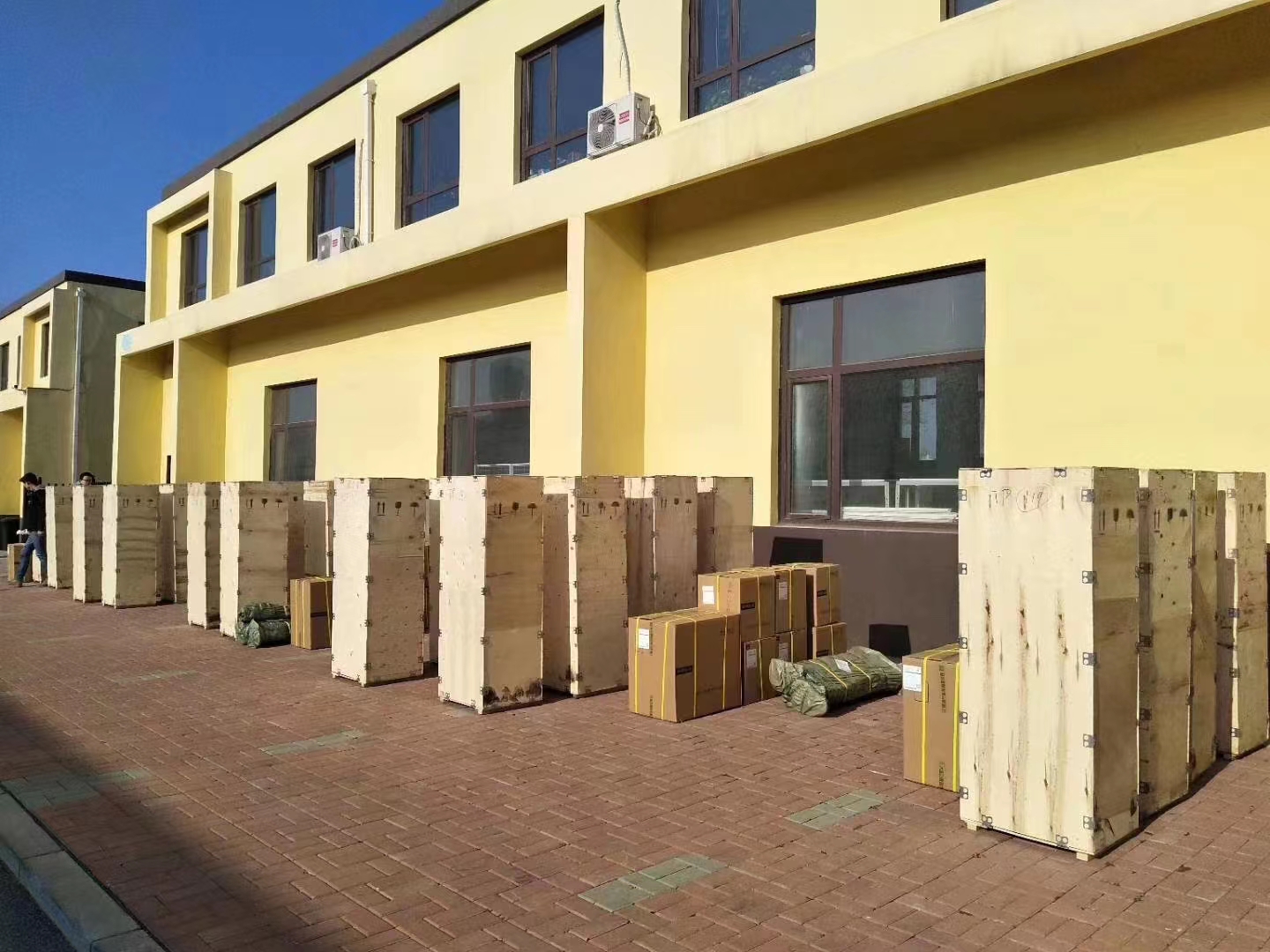
Water quality product manufacturing at KACISE. Image: KACISE.
Deployment Evidence by Application
Application-level compliance is best tested through field evidence. Several documented deployments illustrate how parameter-specific sensors map to specific measuring points.
- Aquaculture (Norway): 40 units of a fluorescence dissolved oxygen sensor were deployed for dissolved oxygen monitoring at an aquaculture farm, contributing to increased fish survival rates over 2 years. A separate 3-year project used 15 units for dissolved oxygen and ammonia nitrogen monitoring at a Norwegian aquaculture farm, reporting saltwater-resistant continuous monitoring.
- Municipal wastewater (United Kingdom): 12 sensors were installed for effluent quality monitoring, supporting compliant discharge and reduced manual sampling over 3 years, integrating the KWS-800 multiparameter platform and KMPW520 analyser.
- River monitoring (United Kingdom): 3 units supported pollution detection and early warning over 2 years, using the KWS-910 TSS sensor, KWS-750 pH probe, and KMPW520 analyser, with stable real-time monitoring and low maintenance.
- Agricultural runoff (Finland): 4 units of the KWS-450 optical fiber chlorophyll sensor tracked nutrient runoff over 2 years, supporting better agricultural pollution control.
- Municipal water authority (United States): 35 units were installed for wastewater turbidity monitoring, achieving 3 years of stable operation with an anti-fouling optical design.
Each deployment maps to a specific measuring point and therefore to a specific document set. The Norwegian aquaculture cases required dissolved oxygen and ammonia nitrogen documentation. The UK wastewater case required multiparameter platform documentation. The US turbidity case required optical fouling and enclosure documentation. This is what application-level compliance looks like in practice.
Buyer Checklist: Questions to Ask Before Accepting a Qualification Claim
- Which sensor models does this certificate cover? Check whether the certificate scope names the specific product family or only a generic category. A scope reading "water quality sensor" is more useful than "industrial equipment."
- Does the test standard match my measuring point? Drinking water applications require NSF/ANSI 61/372. European industrial installations typically require EN IEC 61326-1. Ask for the exact standard.
- Is there field data from a similar measuring point? Calibration drift information comes from real deployments, not factory tests. Ask for reference projects in the same application.
- How is calibration traced? Traceability to a regulatory limit or a recognised standard is essential for compliance reporting.
- Is the communication protocol documented? For multiparameter stations, request a protocol conformance declaration for Modbus, RS-485, or the platform your SCADA system uses.
- How has the automatic cleaning or anti-fouling mechanism been validated? This directly affects maintenance cost for solids and oil-in-water sensors.
- Are spare parts and consumables available on a continuing basis? Application-level compliance is a long-term commitment, not a one-time purchase decision.
Conclusion
A water quality sensor manufacturer's compliance portfolio is not a logo wall. It is a set of documents, each with a scope, a standard, and an intended application. The audit question is whether those documents match the measuring points a buyer needs to cover. Hach, Endress+Hauser, Xylem/YSI, Thermo Fisher Scientific, and Hanna Instruments serve as reference points for what a mature compliance portfolio looks like. KACISE's parameter-level coverage — from residual chlorine and ammonia nitrogen to oil-in-water, TSS, chlorophyll, and multiparameter systems — provides the breadth required to match qualification documents to specific measuring points.
The practical rule: conduct qualification audits by application, not by logo count. The checklist above is a starting framework. Apply it to each measuring point, and the gap between a document and a deployment becomes visible before the purchase order is signed.
FAQ
What qualification documents does a water quality sensor manufacturer need?
The document set depends on the measuring point. EN IEC 61326-1:2021 applies to electrical equipment for measurement, control and laboratory use, covering EMC. NSF/ANSI 61 and 372 apply to sensors used in drinking water applications, covering material safety and lead-free compliance. Calibration traceability records and communication protocol documentation are relevant for most installations. No single document set applies across all applications.
Can certificate count guarantee project fit?
No. A certificate issued for a pressure transmitter does not demonstrate water quality sensor compliance. The audit value of a qualification document depends on whether its scope matches the specific sensor model and the installation environment. The relevant question is not how many certificates exist, but whether the right certificate covers the right model for the right measuring point.
How should a buyer audit a manufacturer's compliance for a specific application?
Start with the measuring point. Identify the interference profile, maintenance requirements, and electromagnetic environment of the application. Then examine whether the manufacturer's document portfolio contains matched qualifications. For example, an ammonia nitrogen sensor used for effluent compliance needs traceability to regulatory limits, while a sensor used for internal process control may operate within different documentation requirements.
What should transparent documentation look like from a manufacturer?
Transparent documentation includes a certificate scope field that names the specific product family, an issuing authority that can be independently verified (for example, Shenzhen ZTS Testing Service Co., Ltd. for KACISE water quality sensor certificate ZTS23061509TCE), clearly stated standards such as EN IEC 61326-1:2021, and a validity period. Documentation that names a generic category rather than a product family provides less audit value.
How do compliance requirements differ across measuring points?
Disinfection sensors such as residual chlorine and ozone sensors require validation of chemical stability and oxidation resistance. Nutrient sensors for ammonia nitrogen, nitrate, and nitrite require long-term drift data and temperature compensation verification. TSS and turbidity sensors require colour compensation validation and calibration standard traceability. Oil-in-water sensors require optical anti-fouling evidence. Multiparameter stations require system-level EMC qualification and communication protocol conformance. Each measuring point has its own document requirements.
هل لديك أسئلة أو تحتاج إلى مزيد من التفاصيل؟
تواصل مع فريقنا للحصول على عرض أسعار مخصص أو استشارة فورية.
طلب عرض أسعار
املأ النموذج أدناه وسيتواصل معك فريقنا بعرض مقترح مخصص.
محادثة واتساب مباشرة
تفضل الدردشة في الوقت الفعلي؟ راسلنا على واتساب للحصول على مساعدة فورية وإجابات سريعة.
- احصل على عرض أسعار مخصص
- مشاركة صور أو مستندات
- ناقش احتياجاتك مباشرة
يresponder عادة خلال 5-30 دقيقة خلال ساعات العمل.