
Water Tanker Truck vs Fuel Tanker Truck
Water Tanker Truck vs Fuel Tanker Truck
A water tanker truck and a fuel tanker truck both move liquids in a truck-mounted tank, but they are designed around different cargo, handling systems and operating risks. The clearest procurement distinction is the liquid being carried: water tankers are configured for bulk water transport, site supply, washing or spraying; fuel tankers are configured to carry and dispense light fuels such as diesel, gasoline and kerosene. A buyer should therefore compare complete duty-specific configurations—not tank volume alone—and verify materials, fittings, equipment and destination requirements before ordering.
This comparison uses published product specifications from Henan Elorry Industrial Co., LTD., a commercial-vehicle supplier whose listed truck categories include both water and fuel tankers. Those specifications describe possible configurations and ranges; they do not establish that every listed option is included on every vehicle or that a configuration is approved for every market. The practical question is which tanker system matches the planned cargo and route, and which details must be confirmed on the final drawing and order documents.
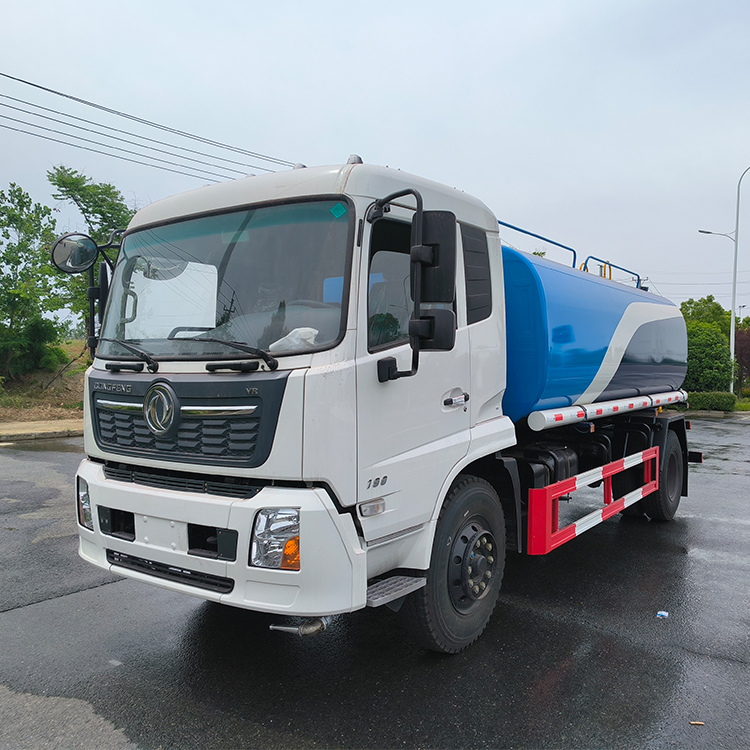
What separates the two tanker truck types?
A water tanker truck carries water for delivery or operational use. Depending on its configuration, it may serve water supply, construction, road washing, dust suppression, irrigation, greenery watering or emergency support. Its working system can include a tank, pump, valves, pipework and spray or delivery equipment. A fuel tanker truck carries light liquid fuels and may be configured for depot replenishment, station delivery or on-site refuelling. Its system can include multiple compartments, fuel piping, a pump, a meter, a hose reel and specified safety equipment.
The distinction is not simply “water tank versus fuel tank.” The intended liquid affects tank material and lining, internal layout, connections, pumping and discharge equipment, inspection needs and the evidence required at handover. A truck intended for water spraying is not interchangeable with one intended for controlled fuel transfer merely because both have a tank and a pump. The buyer should name the cargo and the job in the specification, then check the complete liquid-contact and delivery system against that use.
Side-by-side comparison
| Procurement dimension | Water Tanker Truck | Fuel Tanker Truck |
|---|---|---|
| Primary duty | Bulk water transport, site supply, road washing, dust suppression, irrigation and related delivery work. | Transport and metered delivery of diesel, gasoline, kerosene and other light liquid fuels. |
| Published tank-volume range | 3,000–30,000 L; the listed configurations associate 4x2, 6x4 and 8x4 drive layouts with different capacity bands. | 5,000–30,000 L; 5,000–20,000 L is listed for much city and regional delivery work. |
| Tank construction options | Carbon steel for general service; stainless steel 304 or 316 for drinking-water use; food-grade epoxy lining is listed as an option for carbon steel tanks. | Carbon steel or aluminium alloy; stainless steel 304 or 316 is available on request. Material selection depends on the cargo and specified service. |
| Internal layout | Elliptical, round or square tank sections with anti-surge baffles; one or two compartments are listed. | One to five compartments, each with a manhole and bottom valve, for carrying different fuels separately when specified. |
| Transfer equipment | PTO-driven self-priming centrifugal pump, listed at 40–90 m³/h, with spray, hose or other delivery equipment selected for the task. | PTO-driven self-priming centrifugal or gear pump, listed at 300–1,000 L/min, with flow meter and dispensing hose options. |
| Distinctive equipment | Front, side and rear spray arrangements, water cannon, fire connection, fog cannon and metering are listed configuration options. | Static-conductive hose, grounding and bonding equipment, emergency shut-off, flame arrestor and fire equipment are among the listed safety provisions. |
| Key fit boundary | Potable-water service requires confirmation of the whole water-contact path and the applicable local requirements, not just the tank material. | Fuel service requires confirmation of the cargo, equipment configuration and destination dangerous-goods requirements; listed features do not by themselves prove regulatory approval. |
Water tanker trucks: choose the system around the water duty
Water tanker capacity should be considered alongside route, refill source, operating cycle and discharge method. The published Water Tanker Truck specifications list a 3,000–30,000 L range. Their example configuration bands associate 4x2 vehicles with 3,000–10,000 L, 6x4 with 12,000–20,000 L and 8x4 with 20,000–30,000 L. These are configuration ranges, not a guarantee that a particular capacity will comply with a buyer’s local gross-vehicle or axle limits. A capacity decision should be checked against the completed vehicle, the intended road and the actual daily water demand.
Pump and spray layout matter because a tank is only useful if it can fill and discharge in the intended work cycle. The specifications list a PTO-driven self-priming centrifugal pump with a stated flow range of 40–90 m³/h and suction lift of 7 m or more. A 3–5 m suction hose with strainer is described for drawing water from sources such as a river, pond, well or storage tank. Listed equipment includes front spray nozzles, side sprays, a rear sprinkler bar, and a water cannon with a stated range of 28 m or more. These are configuration details to confirm in the quotation, rather than assumptions that every truck includes every device.
Different tasks call for different delivery arrangements. A municipal utility moving water to a community may prioritize transfer connections and a suitable tank-contact surface. Road maintenance or construction may need a spray pattern and flow arrangement that fits the work area. Farm and plantation duties can involve unpaved tracks, distant water sources and adjustable watering for crops. In each case, buyers should specify the source, water type, desired spray width or discharge method, and number of filling and operating cycles. The specifications also list optional metering, high-pressure washing equipment, fog cannon and pesticide-dosing equipment; the buyer should identify which are required and have them recorded as included or optional.
Material selection is especially important when the truck will carry drinking water. The product specifications list carbon steel Q235/Q345, stainless steel 304 or 316, and food-grade epoxy lining as tank options. The suitable choice depends on the intended water and the applicable destination requirements. A potable-water claim concerns more than the tank shell: hoses, gaskets, pump, valves and fittings are also part of the contact path. Buyers should request the material grade and lining details for all relevant components, confirm cleaning and sampling procedures, and verify local approval requirements. The presence of stainless steel alone does not establish that a complete vehicle is approved for drinking-water delivery.
Fuel tanker trucks: separate cargo control from basic capacity
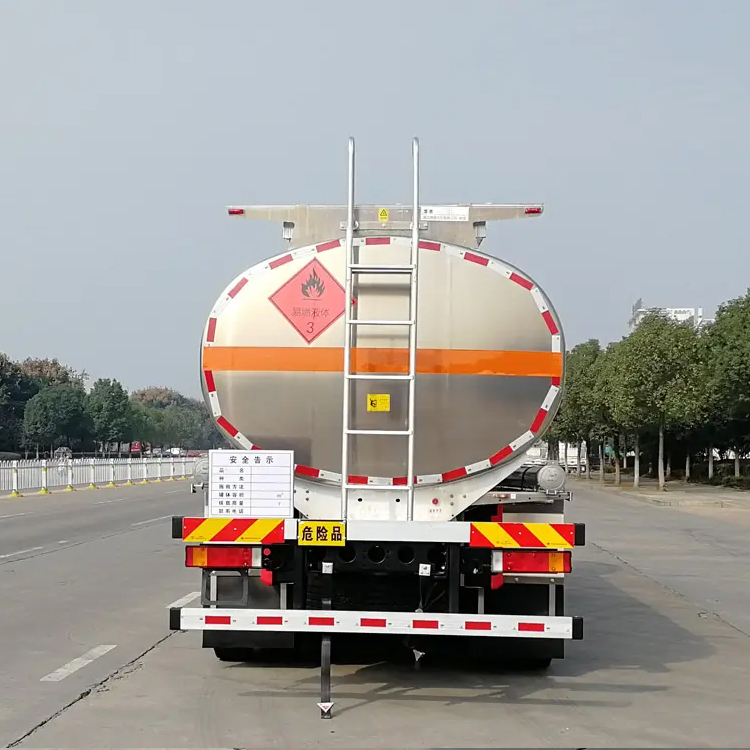
A fuel tanker truck is specified around the fuel, delivery route and transfer process. The published range is 5,000–30,000 L, with 5,000–20,000 L described as covering much city and regional delivery work. Drive configuration is listed as 4x2 for city streets and paved roads, 6x4 for long-haul or rough site roads, and 8x4 for larger tank volumes. These descriptions provide a selection starting point; the final chassis, tank and axle arrangement still needs to be checked against loaded mass, route conditions and destination rules.
Compartment count is a major functional difference from a simple single-load water delivery vehicle. The fuel specification lists one to five compartments, each with its own manhole and bottom valve, allowing different fuels to travel in one trip when the compartment arrangement is specified for that purpose. Separate compartments can support multi-product delivery, but buyers should verify compartment capacity, valve identification, loading and unloading points, and operating procedures. The paperwork and tank drawing should make the intended separation clear; compartment count alone does not demonstrate that a proposed configuration prevents every form of contamination.
Transfer and measurement equipment also shape the procurement decision. The listed fuel pump range is 300–1,000 L/min, with mechanical or digital meter options and an optional ticket printer. A hose reel with 15–30 m of static-conductive fuel hose and dispensing nozzle is also described. Buyers should define whether the truck will use bottom loading or top loading, whether deliveries need metered records, and what hose reach and connection types suit the receiving site. The delivered pump, meter and hose arrangement should be documented in the offer and checked during pre-shipment inspection.
Safety equipment is a core specification dimension, not a cosmetic extra. The supplied fuel-truck specifications list an anti-static grounding reel and bonding cable, emergency shut-off with remote cab control, flame arrestor, spark-free electrical fittings, fire extinguishers and flammable-liquid placards. Overfill protection is identified as optional. Buyers should therefore confirm which items are included on the exact configuration, how each function is checked, and whether additional equipment or documentation is required for the destination and intended operation. A product specification list is not, by itself, proof of legal compliance or certification in a particular jurisdiction.
Where each vehicle fits—and where it does not
A water tanker truck fits work where the operational requirement is to move or distribute water. The supplied application information describes municipal water supply and street greening, construction-site supply, rural community distribution and irrigation. Farm and plantation work may involve filling at a pond, canal or well, travelling over unpaved tracks, and spraying or discharging at a designated zone. That scenario makes pump access, chassis width, anti-corrosion protection for untreated water and adjustable spray pattern relevant checks. It does not imply that every water tanker is suitable for every farm road or crop; those details require configuration review.
A fuel tanker truck fits bulk fuel distribution, including petrol-station replenishment, mining and construction-site fuelling, fleet depots, industrial plants and remote operations. Its procurement focus is controlled fuel transfer, product separation where needed, and the specific safety provisions required for the intended service. A water bowser or water sprinkler truck cannot be treated as a fuel tanker simply because its tank volume appears similar. Likewise, a fuel tanker is not a general-purpose substitute for a potable-water vehicle: its fittings, previous cargo history and contact materials would need to be evaluated for any proposed change of use.
For either vehicle, “largest available capacity” is not a sufficient selection rule. The useful comparison is between a fully specified vehicle and its intended duty cycle: actual liquid volume per shift, refill or depot location, route and access constraints, discharge method, loading and unloading equipment, applicable weight limits, and maintenance capability at the destination. A truck that has more nominal capacity may not provide more useful work if the route, legal limits, filling time or receiving equipment constrain each trip.
How to compare quotations on an equal basis
Buyers can make supplier offers more comparable by issuing the same written duty brief to each supplier. For a water tanker, include potable or non-potable use, target capacity, water source, desired pump performance, suction needs, spray width, delivery method, drive configuration and required tank-contact materials. For a fuel tanker, state each fuel type, compartment count and split, loading method, discharge points, meter and ticket requirements, hose reach, chassis configuration and required safety equipment. The brief should distinguish mandatory items from options.
Ask suppliers to identify the exact tank material and thickness, internal baffle arrangement, compartment layout where applicable, pump and drive details, valves, hoses, nozzles or dispensing equipment, and vehicle weight information for the proposed build. Request a drawing that matches the offer. For water service, confirm the complete water-contact path and any potable-use documentation required in the destination market. For fuel service, confirm the safety equipment list, emergency shut-off operation, grounding and bonding arrangements, and the destination-specific documents and approvals the buyer must obtain.
Pre-shipment checks should match the vehicle type. The water-tanker specifications list a tank leak and pressure test, pump run test, spray-pattern and water-cannon-range check, brake test and road test. The fuel-tanker specifications list a tank tightness check, pump run test, brake test, road test and equipment function check. Buyers should request the inspection scope and records for the ordered configuration, including confirmation of the equipment that is actually fitted. These checks are useful evidence about the delivered unit; they do not replace market-specific approval or acceptance requirements.
What the comparison says about Henan Elorry Industrial Co., LTD.
The company’s product information presents both tanker categories within a broader commercial-vehicle range. Its corporate profile states that it was founded in 2016, has more than 200 employees and operates a production base of more than 10,000 m². The profile also lists transport trucks and other vehicle and machinery categories. These are company-provided background facts; they do not independently establish market rank, comparative quality or performance against other suppliers.
For this comparison, the practical evidence is the level of configuration detail published for each tanker: capacity ranges, drive layouts, tank materials, pumping arrangements and listed equipment. That breadth may be relevant to buyers seeking to specify different tanker duties through one supplier, but it does not prove that every combination is a standard model or available for every destination. Procurement value depends on whether the supplier can document the exact build, explain optional versus included equipment, provide applicable inspection records, and align the completed vehicle with the buyer’s operating and regulatory requirements.
The available information also has clear limits. It does not provide a like-for-like competitor comparison, independent comparative test results, a market-share position, or a universal compliance determination. Buyers should avoid treating a general product range as a final engineering offer. The strongest basis for evaluation is a written, configuration-specific quotation supported by drawings, stated equipment, inspection scope and destination checks.
Buyer’s decision rule
Choose a Water Tanker Truck when the defined task is bulk water supply, washing, irrigation or spray-based service, and specify the water-contact materials and delivery equipment to match that task. Choose a Fuel Tanker Truck when the task is transporting and dispensing light fuels, and specify compartments, pump and metering equipment, hoses and safety provisions for the actual delivery process. If the intended cargo or operating method is not clear, resolve that before comparing capacities or prices.
For both types, confirm the exact chassis and tank configuration, completed-vehicle weight, included and optional equipment, inspection records and destination requirements. This approach keeps the comparison tied to operational fit rather than broad labels, and makes the resulting quotations more useful for procurement review.
Frequently asked questions
Can a water tanker truck also carry fuel?
A water tanker truck should not be assumed suitable for fuel. Fuel transport requires a configuration intended for the specified fuel, including appropriate tank, transfer equipment and safety provisions. Any proposed change of use would need a technical and destination-requirement review; similar tank capacity does not establish suitability.
Which tank material should be specified for a water tanker truck?
Specify material according to whether the water is potable or non-potable and the relevant destination requirements. The published options include carbon steel, stainless steel 304 or 316, and food-grade epoxy lining for carbon steel. For drinking-water duty, confirm the material and lining of the complete water-contact path, not only the tank shell.
When is a multi-compartment fuel tanker useful?
A multi-compartment arrangement can carry different fuels on one trip when each product is assigned to a separate compartment with its own relevant access and discharge arrangement. The listed fuel-tanker range includes one to five compartments. Buyers should confirm the actual compartment split, valves, identification and delivery procedure in the vehicle drawing and order specification.
Is tank capacity enough to compare two tanker trucks?
No. Capacity should be reviewed with chassis and weight limits, route access, refill or depot conditions, pump performance, discharge equipment and intended operating cycle. A configuration that matches the work may be more useful than a larger nominal tank that does not fit the route or delivery process.
What should be confirmed before accepting a tanker truck?
Compare the delivered vehicle with the signed specification and approved drawing. Confirm tank material, dimensions, capacity, compartments if applicable, pump and transfer equipment, safety items, vehicle identification and inspection records. Also verify any destination-specific registration, potable-water or dangerous-goods requirements with the responsible local authorities.
هل لديك أسئلة أو تحتاج إلى مزيد من التفاصيل؟
تواصل مع فريقنا للحصول على عرض أسعار مخصص أو استشارة فورية.
طلب عرض أسعار
املأ النموذج أدناه وسيتواصل معك فريقنا بعرض مقترح مخصص.
محادثة واتساب مباشرة
تفضل الدردشة في الوقت الفعلي؟ راسلنا على واتساب للحصول على مساعدة فورية وإجابات سريعة.
- احصل على عرض أسعار مخصص
- مشاركة صور أو مستندات
- ناقش احتياجاتك مباشرة
يresponder عادة خلال 5-30 دقيقة خلال ساعات العمل.