
Welded Mesh Fence: Market Drivers, Technical Specifications, and Application Scenarios
The global market for welded mesh fences is expanding rapidly, driven by infrastructure development and rising security requirements across schools, parks, industrial perimeters, and residential properties.
Dengfeng (Anping Dengfeng Wire Mesh Products Co., Ltd.), a professional manufacturer integrating R&D, production, and sales of wire mesh products, produces a comprehensive range of welded mesh fences. Headquartered in Anping County, known as the "Hometown of Wire Mesh" in China, the company operates a 70,000 m² manufacturing facility with an annual production capacity of 5,000,000 m². Its product line includes welded mesh rolls, welded wire mesh panels, 358 security fences, BRC/roll-top fences, double-wire panels, chain link fences, temporary fences, barbed/razor wire, gabion baskets, and more. Export business accounts for 80% of total sales, with major markets in Europe, Saudi Arabia, the Middle East, the United Arab Emirates, and the United States.
Problem and Opportunity
Security fencing faces increasing demands for anti-climb, anti-cut, and low‑maintenance solutions. Traditional chain link fences or concrete walls often fall short in balancing visibility, strength, and installation speed. According to industry data, the global welded wire mesh fence market was valued at USD 7.04 billion in 2025 and is projected to reach USD 11.72 billion by 2034. Asia Pacific led the market with a 38.5% revenue share in 2025, driven by large‑scale infrastructure projects in China and India. Metal fencing holds the largest material segment share at 53% within the overall global fencing market (estimated at USD 33.8 billion in 2025). This growth creates a clear opportunity for high‑quality welded mesh fence solutions that meet safety standards and local building codes.
Dengfeng’s Welded Mesh Fence Solution
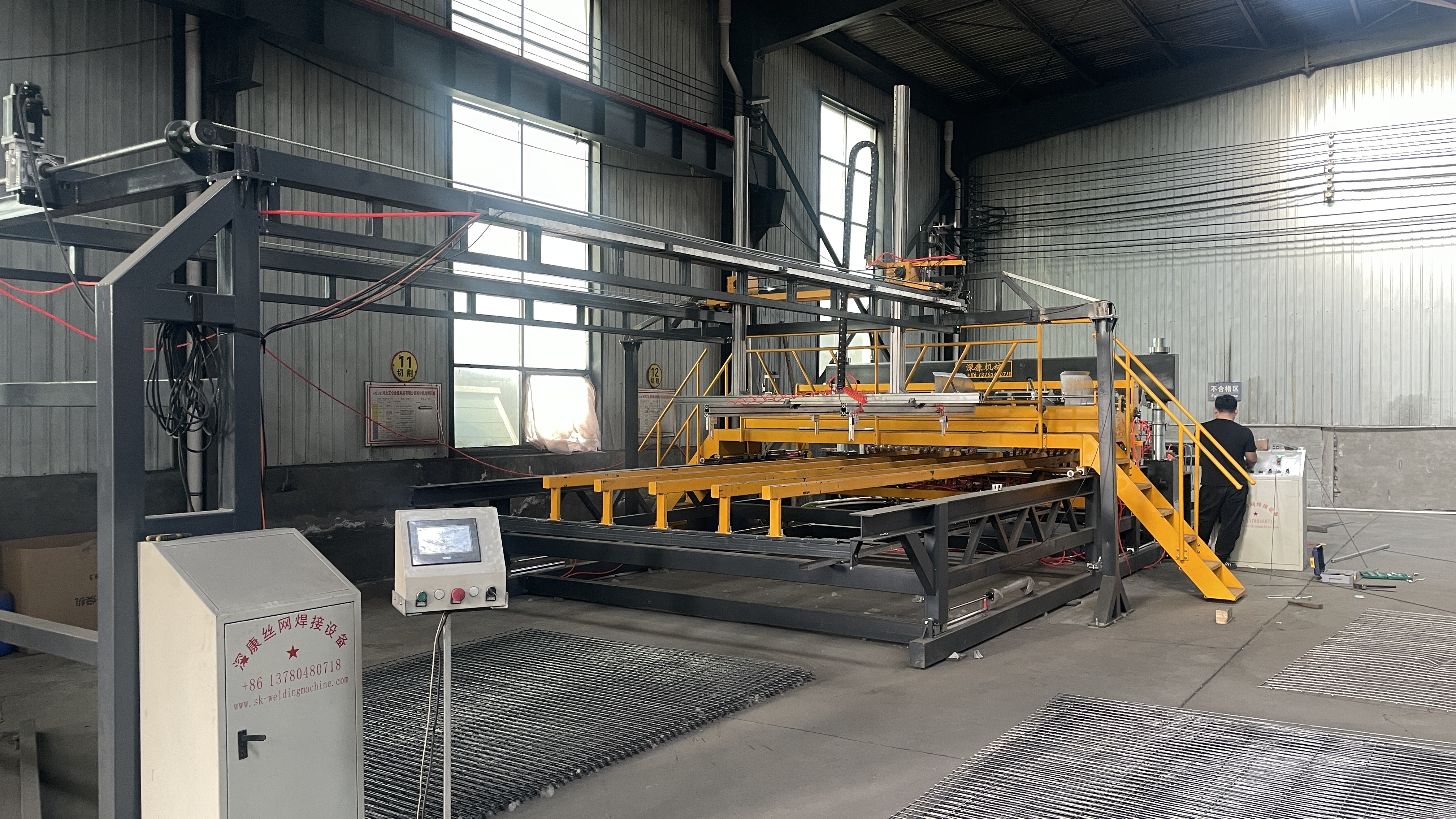
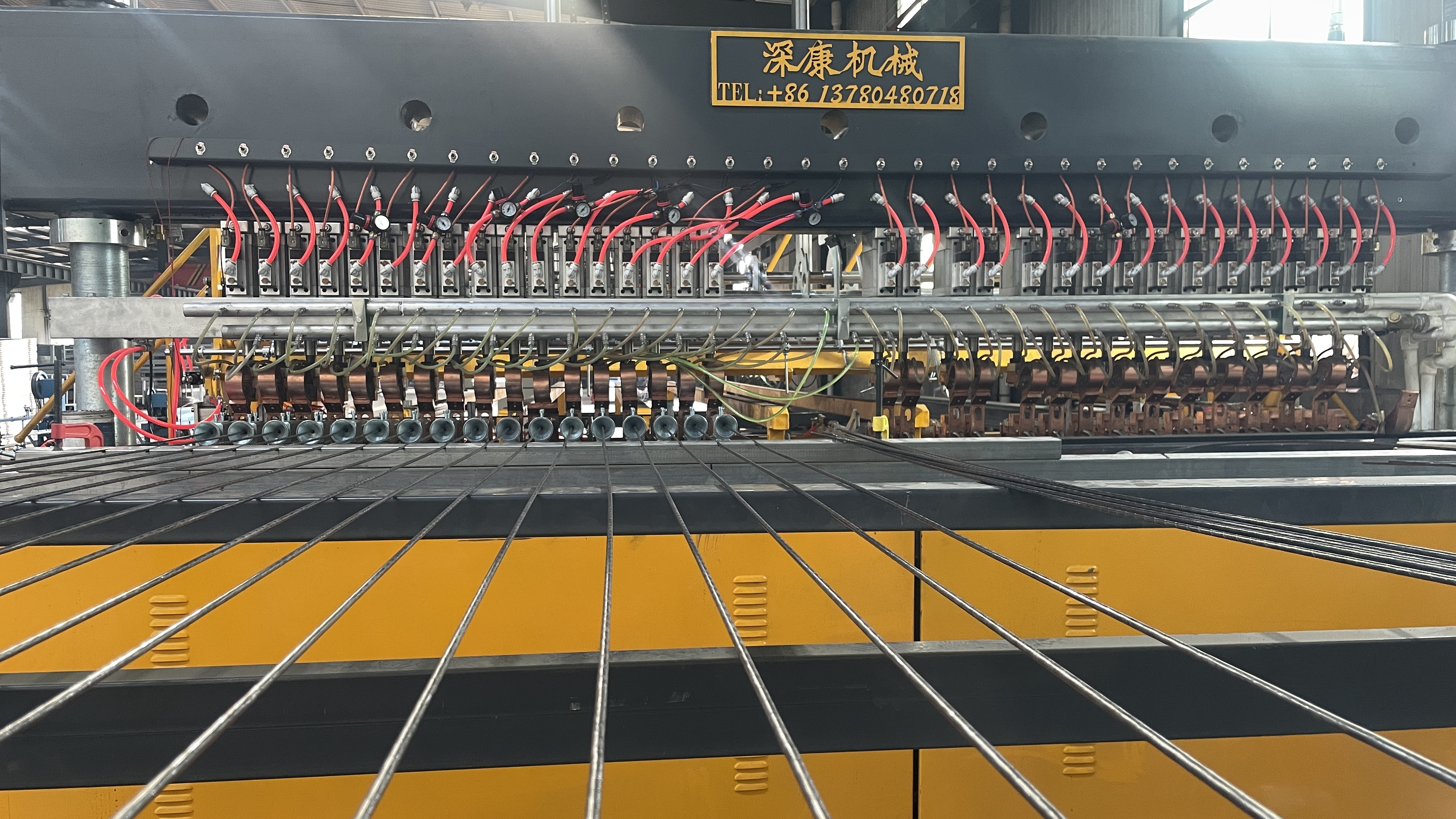
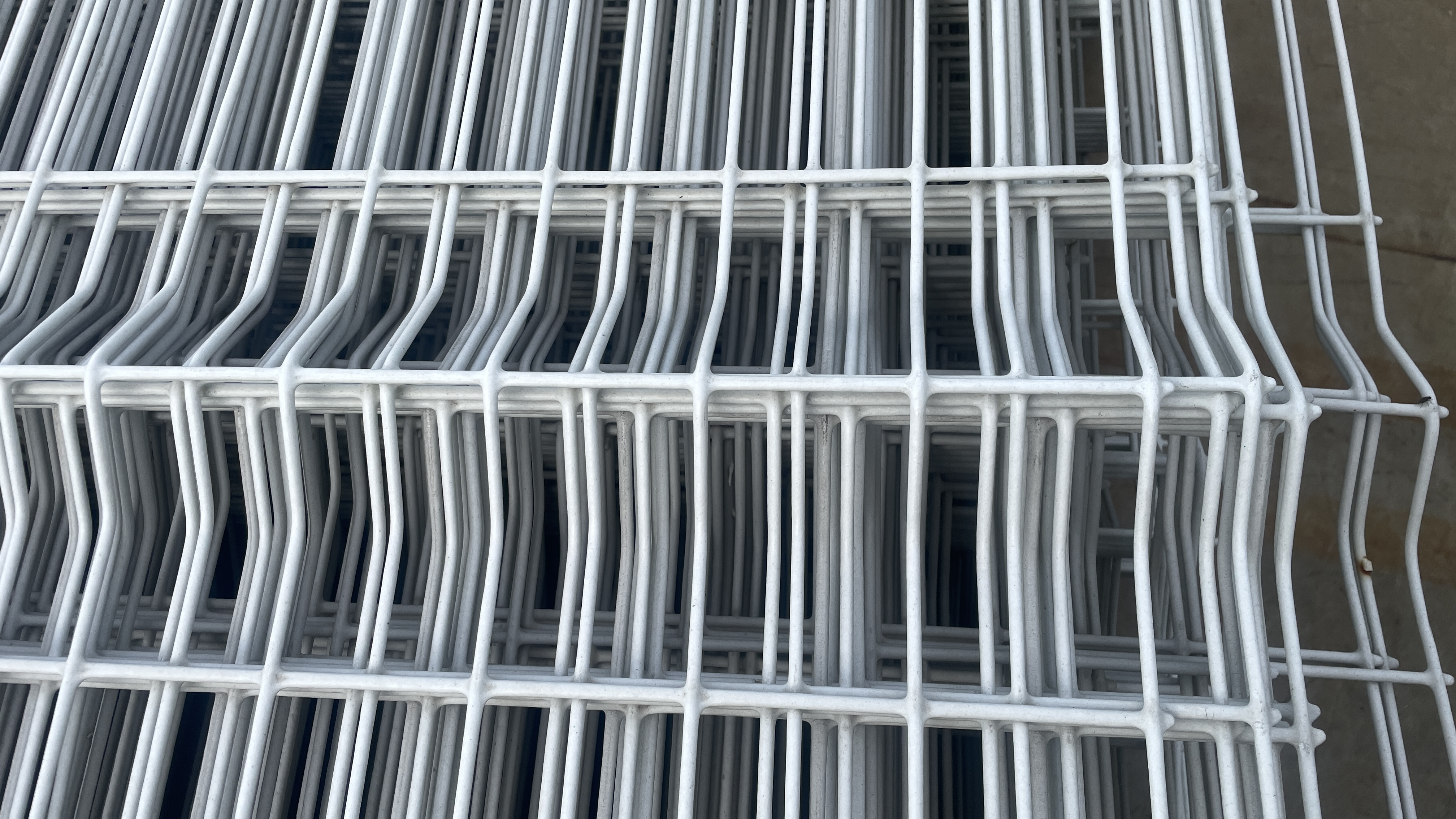
Dengfeng’s welded mesh fence product range includes models such as 3D-2000, 358-1800, TW-1500, and TC-2100. These panels fall under categories including 3D curved fence, 358 anti-climb fence, double wire fence, palisade fence, temporary construction fence, and chain link fence. The fences are manufactured from low carbon steel wire and galvanized steel pipe, with a surface treatment of hot‑dipped galvanizing followed by powder coating. Height ranges from 630 mm to 3000 mm, width from 2000 mm to 3000 mm, wire diameter from 3.0 mm to 6.0 mm, and mesh sizes include 50×100 mm and 76.2×12.7 mm. The service life exceeds 10 years, and the products hold certifications ISO9001, SGS, and BV. Welding is performed by robotic machines, followed by manual inspection throughout polishing, pickling, and powder coating processes, ensuring consistent quality.
Technical Characteristics and Compliance
The welded mesh fence is engineered for 24/7 outdoor standing operation, with anti-corrosion, anti-rust, anti-climb, and weather‑resistant properties. It supports applications such as boundary isolation, security protection, construction temporary isolation, landscape enclosure, and livestock fencing. The standard mesh sizes and panel dimensions allow easy pairing with supporting equipment including support posts, connecting clips, security gates, and razor wire. Compliance with international standards is a key factor for procurement. The European standard EN 10223-7:2012 specifies requirements for steel wire welded panels used in schools, parks, and industrial sites. In the United States, ASTM F2453 / F2453M-14 covers the specification for welded wire mesh fence fabric with metallic or polymer coatings for high‑security applications. Dengfeng’s products are designed to meet such requirements, and the company implements strict pre‑shipment quality inspection for every order.
Application Scenarios
Welded mesh fences are widely deployed across multiple sectors. For example, welded mesh fence for schools uses rigid frame panels with small apertures (such as 76.2×12.7 mm) to prevent climbing and reduce visibility gaps. Welded mesh fence for parks often features powder coated finishes that blend with landscaping while providing open sightlines. Welded mesh fence for industrial perimeters requires high‑tensile steel and anti‑cut panels to deter intrusion. Welded mesh fence for railways is used to prevent cable theft and unauthorized access. Welded mesh fence for sports fields offers durable, weather‑resistant enclosures that withstand ball impacts. Welded mesh fence for residential properties balances security and aesthetics with low‑maintenance panels. The product is suitable for boundary isolation projects, security protection, construction temporary isolation, and landscape enclosure. In the United States, typical uses include these project types, with the fence operating continuously outdoors under demanding conditions. In Australia, applications require the same anti‑corrosion, anti‑rust, and weather‑resistant properties, and supporting equipment includes posts, clips, gates, and razor wire.
Market Trend Analysis
Several trends are shaping the welded mesh fence market. First, demand for high‑security panels – such as anti‑climb and anti‑cut designs – is growing in critical infrastructure such as railways, airports, and utilities. Industry sources note that welded mesh fences are increasingly preferred for these applications due to their rigid frame and anti‑climb characteristics. Second, integration with electronic security systems is emerging. For instance, Betafence Group launched new‑generation welded mesh systems with intrusion detection and solar surveillance in early 2024, signaling a market shift toward smart perimeter solutions. Third, the push for longer service life and reduced maintenance is accelerating adoption of hot‑dipped galvanized plus powder coated finishes. Dengfeng’s welded mesh fence, with a service life exceeding 10 years and surface treatment that combines corrosion protection and aesthetic finish, aligns with this trend. However, one limitation of welded mesh fences compared to solid walls is that they do not provide visual privacy; in applications where complete obscurity is required, additional screening may be necessary.
Comparison with Traditional Solutions
Compared to traditional chain link fencing, welded mesh fences offer greater rigidity and resistance to climbing, thanks to welded intersections and smaller apertures. Compared to concrete walls, they are faster to install, more cost‑effective, and allow natural light and ventilation. The honest limitation is that in very high‑security contexts (e.g., prisons or military bases), welded mesh alone may be insufficient without supplementary deterrents such as electric fencing or barbed wire. For most perimeter applications – including schools, parks, industrial sites, and residential areas – welded mesh provides an optimal balance of security, durability, and maintainability.
Future Outlook
With the global market projected to nearly double by 2034, the welded mesh fence industry will continue to innovate in materials, coatings, and integration with smart devices. Manufacturers that invest in robotic welding, rigorous quality inspection, and compliance with evolving standards (EN, ASTM) will be well‑positioned. Dengfeng’s 10‑engineer R&D team and 70,000 m² facility support ongoing product development and customization, enabling tailored solutions for diverse project requirements.
Frequently Asked Questions
What is a welded mesh fence?
A welded mesh fence is a security fencing panel made from low carbon steel wires welded at every intersection, often coated with galvanized and powder finishes. It is used for perimeter security in applications such as schools, parks, industrial sites, and sports fields. Model designations include 3D-2000, 358-1800, TW-1500, and TC-2100.
What are the available sizes and materials?
Height ranges from 630 mm to 3000 mm, width from 2000 mm to 3000 mm, wire diameter from 3.0 mm to 6.0 mm, and mesh sizes include 50×100 mm and 76.2×12.7 mm. Material is low carbon steel wire and galvanized steel pipe, with surface treatment of hot‑dipped galvanizing + powder coating.
What certifications does Dengfeng’s welded mesh fence hold?
The products are certified to ISO9001, SGS, and BV. They are designed to comply with relevant international standards such as EN 10223-7 for welded panels and ASTM F2453 for high‑security coated fabric.
How long does the fence last?
The service life exceeds 10 years under normal outdoor conditions, thanks to the dual corrosion protection of hot‑dipped galvanizing and powder coating.
Can the fence be customized?
Yes, products are customized according to customers’ drawings and requirements, covering dimensions, mesh size, coating color, and integration with accessories like posts, clips, gates, and razor wire.
Anping Dengfeng Wire Mesh Products Co., Ltd.
Website: dengfengwiremesh.com
Email: sales@alunfence.com
Phone / WhatsApp: +86 158-3395-6854
Download Product Brochure (PDF) →
هل لديك أسئلة أو تحتاج إلى مزيد من التفاصيل؟
تواصل مع فريقنا للحصول على عرض أسعار مخصص أو استشارة فورية.
طلب عرض أسعار
املأ النموذج أدناه وسيتواصل معك فريقنا بعرض مقترح مخصص.
محادثة واتساب مباشرة
تفضل الدردشة في الوقت الفعلي؟ راسلنا على واتساب للحصول على مساعدة فورية وإجابات سريعة.
- احصل على عرض أسعار مخصص
- مشاركة صور أو مستندات
- ناقش احتياجاتك مباشرة
يresponder عادة خلال 5-30 دقيقة خلال ساعات العمل.