
What Global Buyers Must Verify Before Sourcing Canned Tuna
What Global Buyers Must Verify Before Sourcing Canned Tuna
Canned tuna is the single largest product inside global canned fish trade: it represents 43% of worldwide canned fish import volume under HS 1604, according to UN Comtrade data covering 2023. That concentration makes canned tuna one of the most competitive categories in food importing — and one of the most constrained.
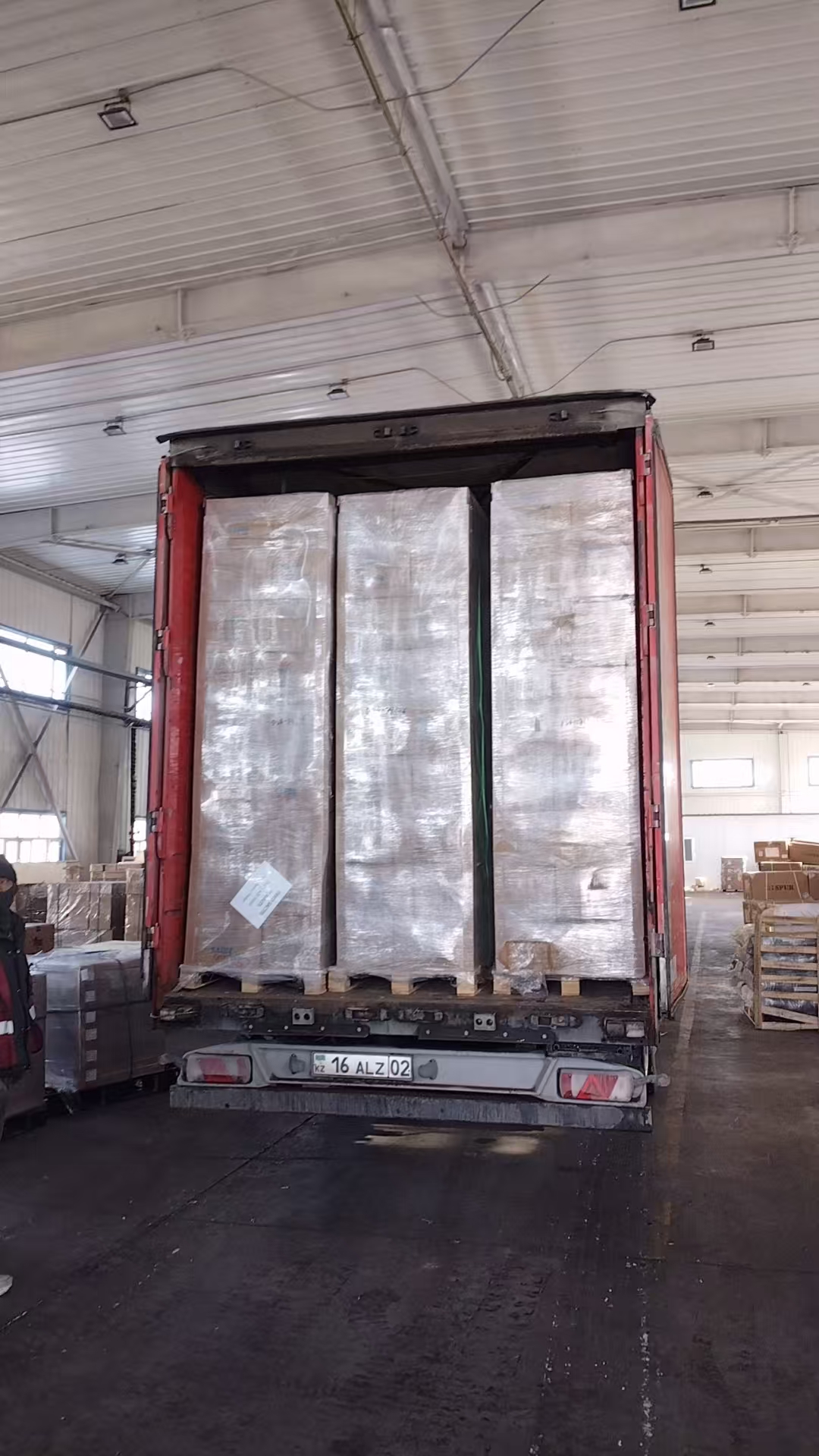
Container loading of ambient-stable canned fish consignments. Image: Agrogentra & Co., Ltd., Xiamen.
For importers, wholesalers, private-label owners and catering distributors, the canned tuna decision is rarely settled by unit price alone. It is settled by whether the supplying factory holds the certifications the destination market accepts, whether the sterilization process is filed where filing is mandatory, whether the specification — net weight, packing medium, shelf life — matches the shelf it will sit on, and whether the goods can move from the factory to the destination port without refrigeration. Each of these is a constraint that must be cleared before a purchase order is meaningful, not a claim that can be added afterwards.
This reference article maps the constraint stack for canned tuna procurement at the Research and Evaluation stage. It draws on published trade statistics, regulatory documentation and the certification and specification records held by Agrogentra & Co., Ltd. (Xiamen Agrogentra Co., Ltd.), a food trading and export company established in Xiamen, China in 2000 that sources, quality-controls and exports Chinese canned food, fresh produce and frozen food products to global markets.
Why Canned Tuna Sets the Pace in Global Canned Fish Trade
Two market structures explain why canned tuna attracts so much buyer attention. First, canned fish dominates the wider category: the canned fish segment accounts for 75.3% of the global canned seafood market, based on Grand View Research's industry analysis. Second, tuna dominates canned fish: UN Comtrade data for 2023 places canned tuna at 43% of global canned fish import volume. In the same year, global imports of canned and prepared fish under HS 1604 totaled 3.2 million tonnes worth USD 17.54 billion, based on UN Comtrade figures derived with FAO trade data.
Headline market valuations should be read with care. Fortune Business Insights values the global canned seafood market at USD 57.69 billion for 2025, while Grand View Research's canned seafood series implies a base closer to USD 37.20 billion. The gap reflects definitional differences — hermetically sealed cans versus a broader "processed and packaged seafood" boundary — rather than disagreement about demand direction. For procurement purposes, the practical reading is that canned tuna is a high-volume, heavily traded category with many qualified suppliers, which shifts competitive weight toward documentation quality, specification consistency and delivery reliability rather than toward the existence of the product itself.
The Constraint Stack: Five Gates a Canned Tuna Order Must Pass
A canned tuna order is best understood as five sequential gates. Failing any one of them stops the shipment regardless of price.
| Gate | What the buyer verifies | Documented evidence type |
|---|---|---|
| 1. Food safety certification | Whether the supplying line holds a GFSI-recognized food safety certificate with a scope that names canned tuna | BRCGS certificate with number, issue and expiry dates, issuing body, scope statement |
| 2. Religious and regional market access | Whether HALAL documentation matches the destination authority (Indonesia, Malaysia, or customer-specific) | HALAL certificate, applicable standard, product scope, validity period |
| 3. Regulatory registration | Whether the manufacturing process is registered and filed in the destination market | FDA FCE registration and SID process filing for the USA; EU import traceability documentation |
| 4. Specification | Net weight, packing medium, shelf life, can format and labeling match the shelf plan | Signed specification sheet, label artwork approval, Certificate of Analysis |
| 5. Commercial terms | MOQ, lead time, capacity at order placement, private-label support | Quotation, production schedule, capacity statement |
Buyers who evaluate only gates 4 and 5 tend to discover gates 1 to 3 at the port, which is the most expensive place to discover them.
Certification and Market-Access Constraints
Certification is a gate condition, not a marketing attribute. Three documents carry most of the weight in canned tuna sourcing.
BRCGS Global Standard for Food Safety
BRCGS is a GFSI-recognized food safety standard, which means it is accepted by many global retailers as evidence of a controlled manufacturing environment. For the canned sardine, canned mackerel and canned tuna lines supplied by Agrogentra & Co., Ltd., the applicable certificate is number 051A1312001, issued against the BRCGS Global Standard for Food Safety, Issue 9 (August 2022), by Intertek Certification Ltd, a UKAS-accredited body (Accredited Body No. 014). The certificate is issued for the global market and its stated scope is the manufacturing of canned mackerel, sardine and canned tuna, valid from 27 January 2026 to 13 February 2027.
The scope wording matters more than the certificate itself. A certificate that names canned tuna does not automatically extend to every item in a supplier's catalogue. Buyers who bundle tuna with other canned fish or vegetable lines in one order should request scope confirmation for each product family separately.
HALAL certification and regional recognition
For Muslim-majority markets, HALAL documentation is a mandatory access requirement rather than a value-added option. The certificate held for the relevant canned fish lines is number 8998250000, issued by SHC (Shandong Halal Certification Service Co., Ltd.), with a validity period from 1 July 2025 to 30 June 2028. Its product scope covers canned mackerel in tomato sauce, canned mackerel in oil and canned mackerel in brine, together with canned sardines in tomato sauce, canned sardines in oil and canned sardines in brine.
Recognition is market-specific. For Indonesia, the applicable standard is Indonesia Halal Law Regulations, recognized by BPJPH. For Malaysia, the applicable standard is MS1500:2019, recognized by JAKIM. A buyer selling into both markets should verify that the certificate's recognized status covers each authority separately, because acceptance in one jurisdiction does not guarantee acceptance in the other. Where a customer requires HALAL compliance for additional canned tuna specifications, availability should be confirmed at quotation stage.
Registration and process filing
The United States applies a specific regime to low-acid canned foods. Under FDA guidance for Acidified and Low-Acid Canned Foods, foreign canned food processors must register their establishment under the Food Canning Establishment (FCE) system and file their scheduled processes (SID). Canned tuna is a low-acid product requiring pressurized sterilization, so this filing is a structural requirement, not a formality.
In the European Union, Regulation (EU) 2024/3115 took effect on 1 January 2025 and mandates stricter plant health and traceability requirements for imported preserved foods. The practical consequence for buyers is a longer documentation chain: batch-level traceability, verified origin, and import documentation that can be audited after arrival, not only at the border.
Specification Constraints: Turning "Canned Tuna" Into a Purchase Order
"Canned tuna" describes a category, not a deliverable. A workable purchase order must fix each of the following parameters, and each parameter carries a commercial consequence.
| Parameter | Documented options | Buying implication |
|---|---|---|
| Net weight | 125 g, 170 g (843#), 425 g, 1000 g | Determines shelf position (single-serve, retail, catering, foodservice) and freight efficiency per container |
| Packing medium | In vegetable oil; in tomato sauce; brined / salt seasoned | Must match local taste preference and labeling rules; medium affects drained weight declaration |
| Shelf life | 36 months at ambient temperature | Supports long sea transit and slow sell-through without cold-chain loss |
| Processing state | Fully sterilized, ready to eat | No cooking step required at retail or catering level |
| Packaging material | Tinplate can (fish products) | Affects sterilization compatibility, stacking strength and recycling claims |
| Certification scope | BRCGS scope names canned mackerel, sardine and canned tuna | Other catalogue items are outside this certificate and require separate verification |
| Customization | Custom sizes and private label supported | Enables own-brand entry, subject to label artwork and MOQ rules |
The Technical Reason These Constraints Exist
Canned tuna is a low-acid, hermetically sealed product, and that combination is what makes certification and process filing mandatory rather than optional. Preservation rests on two elements working together: sealing and commercial sterility.
In the sealing stage, the product is filled into a tinplate can and closed by a seaming machine to form a hermetic seal, after which a vacuum typically in the range of 300–500 mmHg develops inside the can. With almost no oxygen remaining, aerobic bacteria and oxidative reactions are suppressed. In the sterilization stage, sealed cans enter a retort and are heated at 115–121 °C under high-pressure steam of roughly 0.1–0.2 MPa to achieve commercial sterility — the destruction of pathogenic bacteria and of microorganisms capable of growing at ambient temperature, together with their spores, including Clostridium botulinum spores.
The sterilization curve and the cold-point temperature (F0 value) directly determine product safety. Because no preservatives are used, sterilization parameters must be set according to raw material characteristics such as pH and solid content: low-acid foods with a pH above 4.6, which includes most fish products such as canned tuna, must be sterilized at 121 °C under pressure, while high-acid products such as tomato-based packs with a pH below 4.6 can be processed at lower temperatures. After sterilization, cans are rapidly cooled and subjected to an incubation test — typically held at 37 °C for 7 to 10 days — to confirm no swelling or microbial growth before release.
Can construction follows the same logic. A three-piece can is assembled from body, bottom and lid, with the body welded from tinplate and the ends double-seamed; the side seam gives the can the strength to withstand pressurized sterilization at 121 °C, which is why canned fish is commonly packed in three-piece cans. A two-piece can is drawn in one piece with no side seam, offering good sealing and a smooth appearance but a thinner wall, suiting products with lower pressure requirements. Easy-open ends, scored with a tear line and fitted with a riveted pull tab, are common in catering and ready-to-eat formats. For buyers, this explains why a supplier's can specification, seaming control and sterilization records are legitimate audit items rather than technical trivia: they are the physical basis of the 36-month shelf life claim.
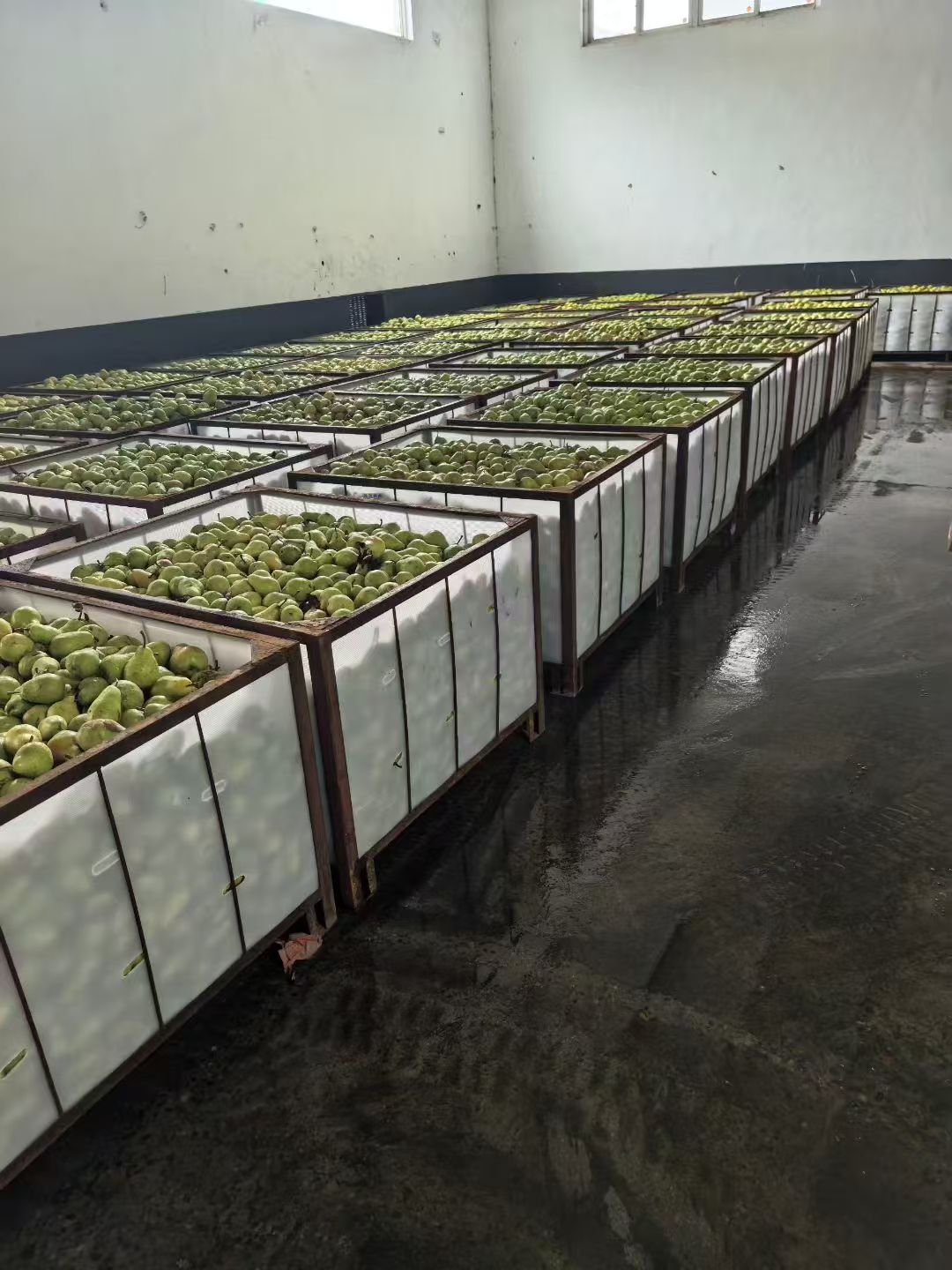
Incoming raw material storage — the first control point in a full-process inspection chain. Image: Agrogentra & Co., Ltd., Xiamen.
Commercial Constraints: MOQ, Lead Time, Capacity and Documents
Once certification and specification are settled, commercial terms determine whether an order is executable. For the canned tuna and canned fish lines supplied by Agrogentra & Co., Ltd., the documented production mode is OEM, with logo customization supported, a monthly capacity of 3,500 units, a minimum order quantity of 1 FCL and a lead time of 4 to 6 weeks.
Quality control is structured as full-process control rather than final inspection only. It includes incoming raw material inspection, on-line production patrol, and laboratory physical, chemical and microbiological testing for each batch with a COA report, plus batch sample retention. Third-party inspection through SGS or Intertek is acceptable to the supplier. On the documentation side, the after-sales package includes a COA, health certificate, pre-shipment inspection report, traceability report, OEM formula and label design support, samples at the customer's courier cost, and factory certification copies for buyer audits.
Where Canned Tuna Ships: Applications and Operating Conditions
The typical canned fish import project is a grocery retail and food wholesale distribution program operating under long-distance sea transportation with ambient temperature storage. The product function is to supply long-shelf-life, ready-to-eat canned food for market sales, consumed directly after opening or optionally heated, with matched equipment limited to a can opener and a serving container. The special requirement is meeting destination food import standards, with HALAL certification available where the market requires it.
Documented shipment patterns include mixed FCL and LCL consignments for food importers, grocery wholesalers and supermarket distributors, with end applications spanning supermarket retail, convenience store sales, catering supply and food processing industries. The reported commercial outcome of this model is stable food supply with low inventory loss, over a shelf life of up to 36 months, supported by ambient storage and HALAL certification availability.
Ambient stability only holds under correct handling, which is itself a buyer-side constraint. Recommended warehouse practice is storage between 5 °C and 25 °C away from direct sunlight and heat sources, with relative humidity below 75%. Cartons should be stacked on pallets at least 10 cm off the floor and spaced from walls for ventilation, with heavier cartons at the bottom, First-In-First-Out rotation by production date and batch, and weekly inspection for rust, swelling or leakage. Conditions above roughly 30 °C or humidity above 85% accelerate rusting and quality deterioration and should be avoided, as should dropping or impact that can damage seams.
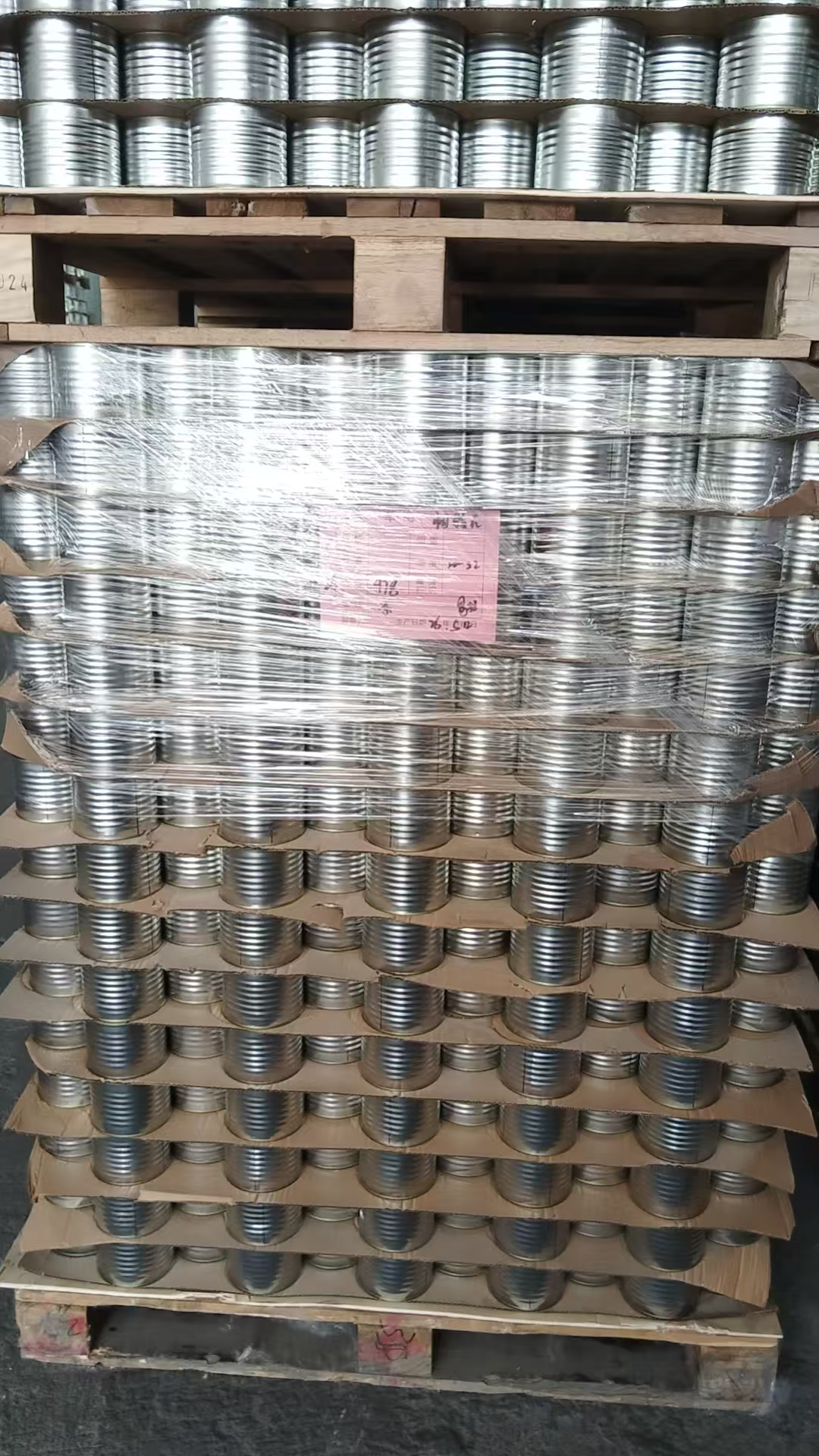
Palletized canned goods staged for ambient-temperature storage ahead of container loading. Image: Agrogentra & Co., Ltd., Xiamen.
Canned Tuna Versus Frozen and Chilled Fish
Canned tuna and frozen tuna compete for shelf space but not for the same buying logic. Choosing between them is a logistics decision as much as a product decision.
| Dimension | Canned tuna | Frozen fish |
|---|---|---|
| Storage and transport | Ambient temperature, no cold chain; suitable for long-distance sea shipment | Requires continuous cold-chain transport and cold storage warehousing |
| Shelf life | Up to 36 months | Typically 6 to 18 months |
| Cost structure | Lower storage and transport ancillary cost | Higher cold-chain freight and electricity expense |
| Sensory profile | Altered by high-temperature sterilization | Closer to raw-fresh texture and flavour |
The boundary is worth stating plainly. Canned tuna is not a substitute in applications where raw-fresh texture is the primary purchase driver, and high-temperature sterilization inevitably changes the eating experience compared with chilled or frozen product. Conversely, importing frozen fish without reliable cold chain and cold storage is the classic failure mode that produces spoilage, inventory loss and slow turnover. Distribution to remote regions and convenience store channels, where replenishment cycles are long and refrigeration space is limited, is where ambient-stable canned formats have a structural advantage. A mixed supply model — canned tuna for depth and reach, frozen product for premium fresh positioning where cold chain exists — is a legitimate strategy rather than a compromise.
Outlook: Where Compliance Pressure Is Moving
Three directions are visible in the current regulatory and trade picture. First, food safety certification is consolidating around GFSI-recognized schemes, which raises the entry cost for suppliers that cannot maintain audited systems. Second, market-access regulation is tightening on traceability: Regulation (EU) 2024/3115 has applied since 1 January 2025 to imported preserved foods, and the FDA's FCE registration and SID filing regime remains a precondition for selling low-acid canned foods into the United States. Third, HALAL recognition frameworks in Indonesia and Malaysia operate through their own authorities — BPJPH and JAKIM respectively — so regional approval remains a document-by-document exercise rather than a single global status.
For buyers, the operational implication is that supplier qualification is shifting from a one-time exercise to an annual cycle tied to certificate validity dates and regulatory updates. An honest caveat applies to forecasting: reliable isolated trade data for newer packaging formats, such as cup presentations of preserved vegetables and fish, is not readily available at category level, and canned sauerkraut volumes are typically aggregated under broader preserved-vegetable headings. Buyers making format decisions should rely on their own sell-through data rather than on segment forecasts that cannot be independently verified.
Buyer Checklist for Canned Tuna Sourcing
- Confirm the food safety certificate number, issuing body, issue date, expiry date and — critically — the product scope statement naming canned tuna.
- Confirm HALAL documentation against the specific destination authority, and check that the certificate's product scope matches the ordered specifications.
- For the USA, verify FCE registration and SID process filing; for the EU, confirm traceability documentation aligned with Regulation (EU) 2024/3115.
- Fix net weight, packing medium, drained weight declaration and shelf life in a signed specification sheet before quotation.
- Agree labeling artwork, private-label ownership and any custom size requirements in writing.
- Verify MOQ, lead time and capacity at the point of order placement, not at the point of negotiation.
- Request the batch COA, health certificate, pre-shipment inspection report and traceability report as standard shipment documents.
- Confirm receiving inspection and warehouse conditions: 5–25 °C, relative humidity below 75%, off-floor stacking and FIFO rotation.
FAQ: Canned Tuna Sourcing and Compliance
Does canned tuna have to be produced in a BRCGS-certified facility to enter global retail?
Certification requirements are set by the buyer and the destination market rather than by a single universal rule. BRCGS is a GFSI-recognized food safety standard, and many global retailers accept it as evidence of a controlled manufacturing environment. For the canned sardine, mackerel and tuna lines supplied by Agrogentra & Co., Ltd., certificate number 051A1312001 was issued against BRCGS Issue 9 (August 2022) by Intertek Certification Ltd, a UKAS-accredited body (Accredited Body No. 014). Its stated scope is the manufacturing of canned mackerel, sardine and canned tuna, valid from 27 January 2026 to 13 February 2027.
Which HALAL requirements apply to canned fish sold in Indonesia and Malaysia?
The two markets operate through different recognition frameworks. For Indonesia, the applicable standard is Indonesia Halal Law Regulations, recognized by BPJPH. For Malaysia, the applicable standard is MS1500:2019, recognized by JAKIM. The relevant certificate, number 8998250000 issued by SHC (Shandong Halal Certification Service Co., Ltd.), is valid from 1 July 2025 to 30 June 2028 and covers canned mackerel in tomato sauce, in oil and in brine, plus canned sardines in tomato sauce, in oil and in brine. Buyers should verify recognition for each authority separately, since acceptance in one jurisdiction does not automatically extend to the other.
What does the US FDA require from a foreign canned tuna processor?
Under FDA guidance for Acidified and Low-Acid Canned Foods, foreign canned food processors must register their establishment under the Food Canning Establishment (FCE) system and file their scheduled processes (SID). Because canned tuna is a low-acid product requiring pressurized sterilization, this registration and filing are structural requirements. Importers typically verify FCE registration and process filing alongside shipment documents such as the Certificate of Analysis, health certificate, pre-shipment inspection report and traceability report.
Can canned tuna be shipped and stored without refrigeration?
Unopened cans do not require refrigeration. The documented shelf life is 36 months at ambient temperature, and the product is fully sterilized and suitable for long-distance sea shipment without a cold chain. Storage should remain between 5 °C and 25 °C with relative humidity below 75%, away from direct sunlight and heat sources; conditions above roughly 30 °C or 85% humidity accelerate rusting and quality deterioration. Once a can is opened, any uneaten portion should be refrigerated and consumed within 24 to 48 hours, preferably after transfer to a non-metallic container.
Do canned tuna products contain preservatives?
No preservatives are required. Preservation depends on hermetic sealing plus high-temperature, high-pressure sterilization. Sealing forms a vacuum of roughly 300–500 mmHg inside the can, suppressing aerobic bacteria and oxidation; retort sterilization at 115–121 °C under about 0.1–0.2 MPa then destroys pathogenic microorganisms and their spores, including Clostridium botulinum spores. Low-acid products with a pH above 4.6, which includes canned tuna, must be sterilized at 121 °C under pressure. Cans are rapidly cooled afterwards and pass an incubation test, commonly 37 °C for 7 to 10 days, before release.
What MOQ and lead time apply to private-label canned tuna?
For the canned fish lines supplied by Agrogentra & Co., Ltd., the documented production mode is OEM with logo customization, private label and custom sizes supported, a monthly capacity of 3,500 units, a minimum order quantity of 1 FCL and a lead time of 4 to 6 weeks. Buyers planning low-volume market tests should note that the MOQ does not suit small trial orders; mixed-container consolidation or sample-based evaluation are the practical alternatives. Products outside the certified scope should be confirmed individually.
What should be done if a canned tuna shipment arrives with swollen cans?
A swollen can — where one or both ends are domed — indicates gas produced by microbial growth or spoilage, meaning the seal has failed. The affected batch should be treated as non-conforming: do not consume or shelve it, quarantine the whole batch, record the batch number, production date and arrival time with photo evidence, and spot-check the same batch to estimate the affected ratio. Transport temperature records and signs of impact or compression should be reviewed to identify the cause, and the supplier should be notified with the batch number to arrange replacement or a claim, with retained samples sent to a third-party laboratory where microbial limits need confirmation. Cans showing swelling, leakage or severe rust must never be consumed.
Canned tuna sourcing rewards buyers who treat certification, specification and logistics as one connected constraint system rather than three separate negotiations. The categories with the highest trade volumes are also the categories with the most documented requirements — and that documentation, not the tin itself, is usually what decides whether a shipment clears the port on schedule.