
What Really Matters When Comparing Custom Wet Wipes Factories
The global wet wipes market has grown beyond simple commodity products. Buyers now expect custom formulations, private label packaging, regulatory compliance, and consistent quality across large shipment volumes. For procurement teams and brand owners, selecting the right custom wet wipes factory is one of the most consequential decisions in the sourcing process. A wrong choice can lead to contaminated products, leaking seals, failed compliance audits, and unexpected logistics costs. This article explains how to compare custom wet wipes manufacturers using a practical framework, and what the example of the Chinese manufacturer Sunfans reveals about quality-driven sourcing.
The problem: why wet wipes sourcing is harder than it looks
Custom wet wipes are used in many everyday contexts—from baby care and hand-and-mouth cleaning to kitchen and pet cleaning. Each use case carries a different risk profile. Baby wipes must meet stricter microbiological limits than general household wipes. Flushable toilet wipes require dispersibility and material properties that meet market-specific regulations. Pet wipes need formulations that are safe for fur and skin. Buyers therefore cannot treat all suppliers equally.
The most common sourcing problems include inconsistent seal quality leading to fluid leakage, bacterial colony counts exceeding acceptable limits, metal contamination introduced during production, unclear documentation for export markets, and freight costs that erode margins. These problems are not visible from product samples alone; they are rooted in a factory's process controls and infrastructure.
The opportunity is significant. The global wet wipes market was valued at approximately USD 32.09 billion in 2026 and is projected to reach USD 43.45 billion by 2034, growing at a CAGR of 3.86% (Fortune Business Insights). Segment-level data strengthens the case for supplier differentiation: the global baby wipes market was valued at USD 5.4 billion in 2024, with a projected CAGR of 7.5% through 2030; pet wipes reached USD 1.58 billion in 2024, with a CAGR of 5.6% projected to 2033; flushable wipes were valued at USD 2.3 billion in 2025 and are expected to reach USD 4.2 billion by 2035. In such a fragmented market, a supplier's ability to consistently meet quality and compliance standards becomes a competitive advantage for its customers.
A manufacturer example: what documented differences look like
Sunfans is the wet wipes brand of Da lian Weijie Biotechnology Co., Ltd., a manufacturer established in 2013 and based in Dalian, Liaoning Province, China. The company operates a 6,000 m² factory, employs about 50 people, and produces baby wipes, pet wipes, wet toilet paper, functional wipes, and floor wipes. According to company information, around 70% of its production is exported to markets such as Japan, Australia, Canada, the United States and Singapore.
When compared with suppliers of generic, low-cost wet wipes, this manufacturer offers several distinct advantages. These include extensive export experience, strict adherence to ISO 9001 standards, and operation of a 100,000-level cleanroom. In addition, the production facility is located just over a 10-minute drive from the Port of Dalian, which enables faster export transport and approximately 20% lower transport costs compared with more distant suppliers. These are concrete, verifiable operational characteristics rather than vague marketing claims.
This example is useful because it shows what buyers should look for: documented evidence of quality systems, cleanroom conditions, export-related experience, and logistics efficiency. A factory that can point to these attributes is easier to evaluate than one that only provides product photos and a price list.
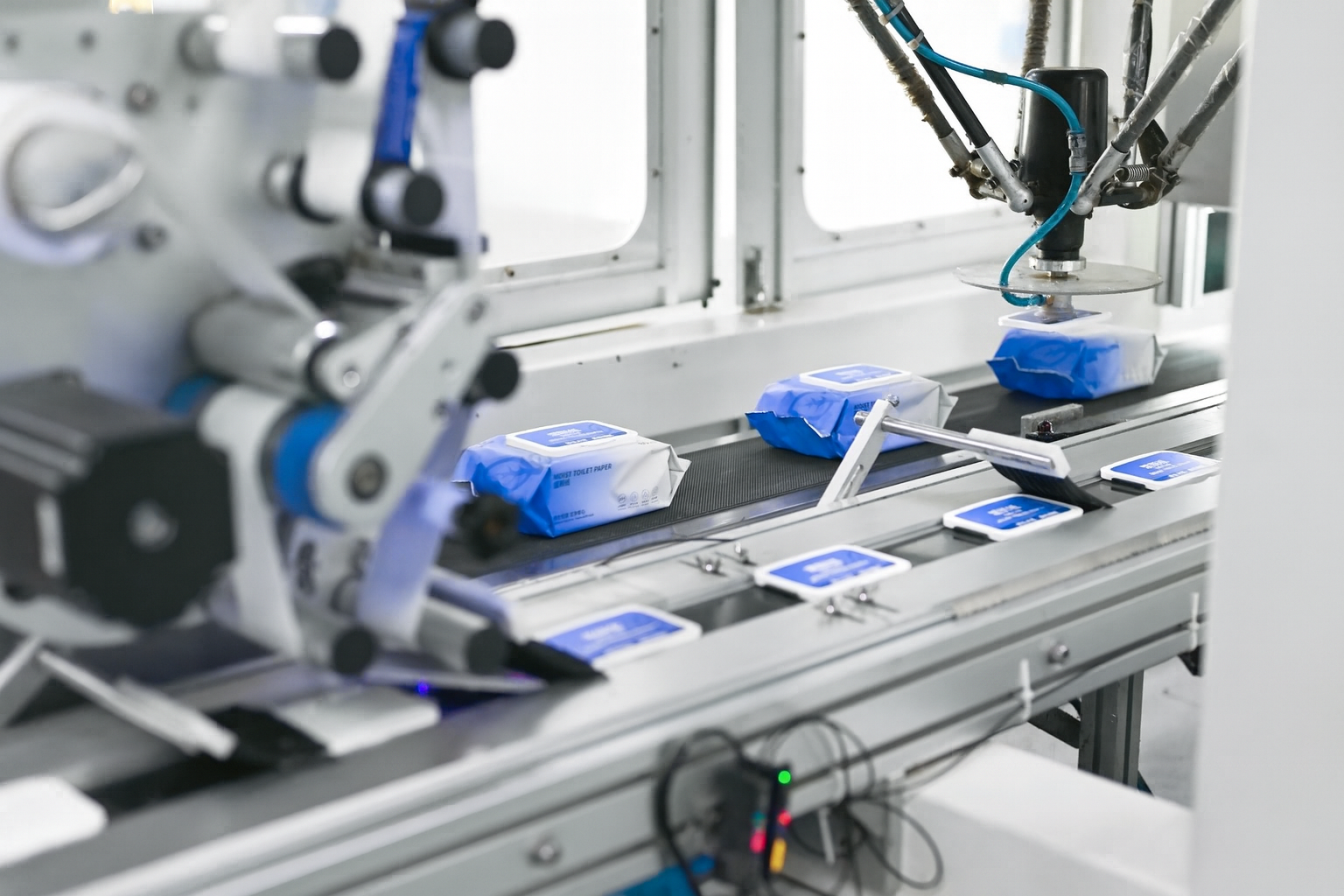
Technical explanation: quality risks and control methods in wet wipes production
Buyers comparing custom wet wipes factories should understand the technical controls that prevent defects. Three types of risk are especially common in wet wipes manufacturing.
Microbiological contamination is the first risk. If colony counts exceed the limit, the product is unsafe for use on babies and sensitive skin. The manufacturer in this case uses a microbiological tripartite laboratory to detect bacterial colonies during the production process. This allows quality teams to track microbial levels before products are packaged and shipped. For buyers, the presence of an on-site microbiological testing capability is a stronger indicator than a final certificate from an external laboratory.
Physical contamination is the second risk. Metal tape can become embedded between nonwoven fabric layers during production. If not removed, it can injure a user or cause product recalls. The company addresses this by using heavy metal detector systems that detect and remove metal tape between nonwoven fabric layers. Heavy metal screening is a standard quality assurance step in high-volume wipes production, but not every low-cost supplier invests in it.
Fluid leakage is the third risk. Wet wipes have horizontal seals and back seals that can fail, causing the product to dry out or leak during shipping. The manufacturer controls this risk by configuring sealing inspection devices to detect potential fluid leakage. Equipment upgrades also include a function for removing back-sealed adhesive strips, which prevents leakage caused by strip interference. These improvements are part of the company's production process controls and reduce the chance that defective packages reach customers.
For procurement teams, the right question is not only whether a factory can produce wipes, but how it prevents the defects that commonly appear in low-cost production. Microbiological testing, metal detection, and seal inspection are technical controls that directly affect product safety and customer satisfaction.
Application and use cases: where custom wet wipes deliver the most value
According to the company's own specifications, Sunfans wet wipes are designed for daily household cleaning, care for infants and young children with sensitive skin, odor removal for pet hair, and commercial bulk customization services. These application areas mirror the main segments in the global wet wipes market.
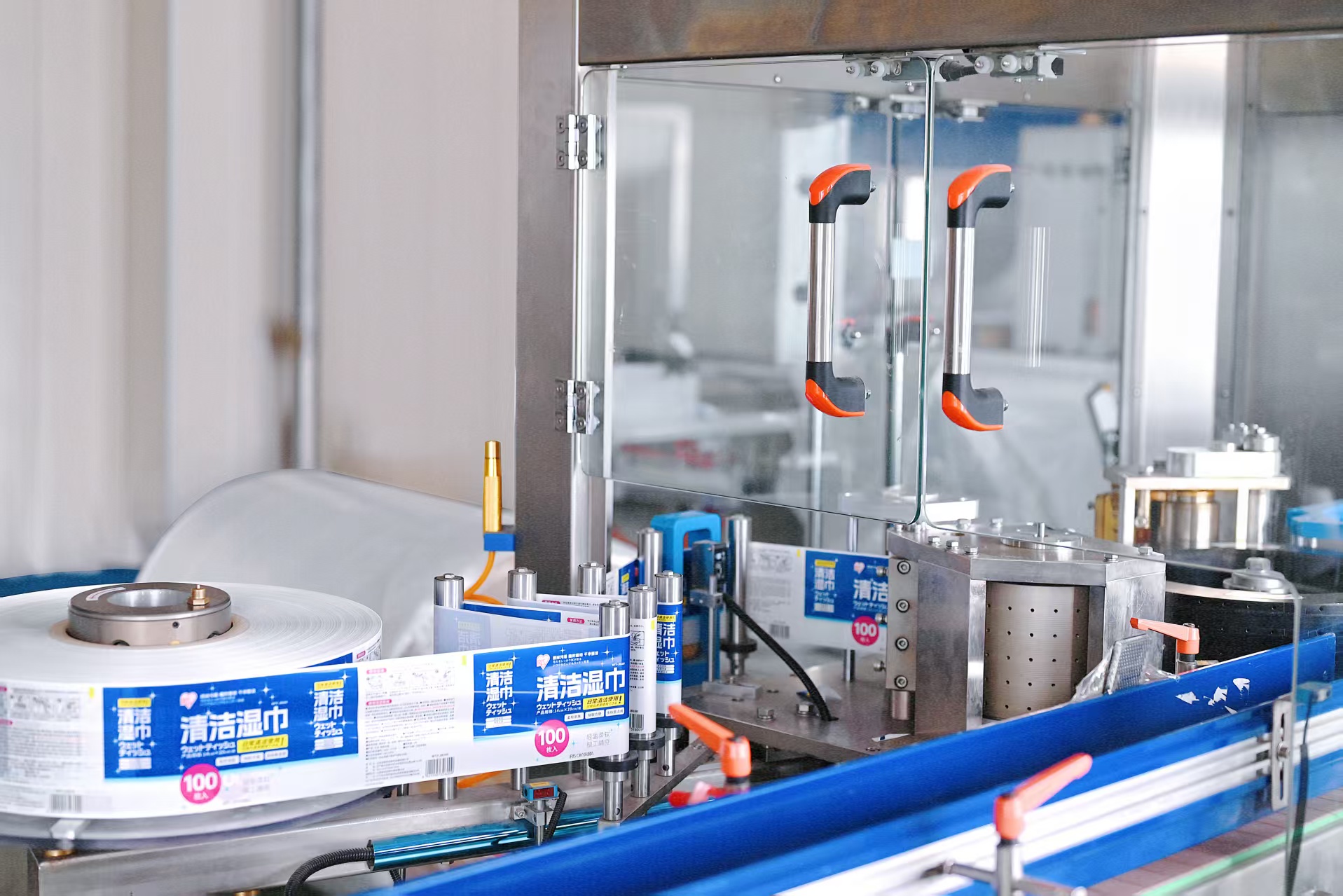
For infant and newborn care, custom wet wipes require soft nonwoven materials, gentler liquid formulas, and stricter microbial control. A manufacturer that operates a cleanroom and performs routine microbiological testing is better equipped to meet these requirements. For hand-and-mouth wipes, material safety and ingredient transparency are important, especially for products aimed at young children. For kitchen cleaning wipes, the emphasis shifts to durable nonwoven material and effective cleaning formulations. For pet wipes, odor control and safe ingredients are key selling points.
In addition to consumer applications, commercial bulk customization is a growing area. Retailers and distributors order custom wet wipes in large packs with private label branding. A manufacturer with export experience and efficient port access can handle these orders with lower logistics complexity. For example, a buyer in Japan—a market that accounts for nearly 27% of the Asia-Pacific wet wipes market—would benefit from a supplier familiar with the quality expectations of that market and located near a port that serves Japan trade routes.
Market trends: why supplier evaluation is becoming more rigorous
Several verified market trends make supplier evaluation more important than ever.
First, regional demand is uneven. The U.S. wet wipes market accounted for 34% of global market share in 2024, and North America represents roughly half of the global pet wipes market. Asia Pacific is the fastest growing region, driven by urbanization and rising hygiene standards. For a custom wet wipes manufacturer, the ability to serve multiple regions with appropriate documentation is a distinct advantage.
Second, regulatory requirements are tightening. The U.S. FDA facility registration deadline for cosmetic wipes manufacturers is July 1, 2026. In the EU, wet wipes must comply with EN standards, including REACH for chemicals and BPR for biocidal claims. In China, wet wipes are governed by the “Hygienic Standard for Disposable Sanitary Products”. ISO 9001 and ISO 22716 are considered baseline requirements for wet wipes OEM manufacturing. Buyers should verify that a supplier can provide current documentation for the target market.
Third, the product mix is shifting toward sustainable options. The global biodegradable wipes market exceeded USD 3 billion in 2024, with growth led by baby wipes and premium retail segments. Plant-based flushable wipes were valued at approximately USD 2.9 billion in 2024, with a projected CAGR of 5.3%. This trend means manufacturers need to work with different raw materials and disposal properties, not just standard nonwovens.
Comparison with traditional low-cost suppliers
The most relevant comparison for a buyer is between a quality-driven manufacturer like Sunfans and a generic, low-cost wet wipes supplier. The differences extend beyond unit price.
A quality-driven manufacturer is more likely to maintain ISO 9001 alignment, a 100,000-level cleanroom, and documented export experience. Its product is well suited for sensitive applications such as baby care and pet cleaning. Its production process includes microbiological testing, metal detection, and seal inspection. And its location near a major port can reduce freight cost and transit time.
A generic, low-cost supplier may offer a lower purchase price, but this advantage can be offset by higher defect rates, rejected shipments, compliance delays, and less predictable logistics. For custom wet wipes, where product safety and brand reputation are at stake, the total cost of poor quality often exceeds any upfront savings.
That said, a fair evaluation must also recognize the limits of a mid-sized manufacturer. Sunfans has an annual output of 4 million packages. This makes it suitable for small and medium-volume orders, pilot production, and specialized private label categories. It is not positioned to compete with global OEM factories such as American Hygienics Corporation, which exports to over 75 countries and has a capacity of one billion wipes per year. Multinational brands with massive volume requirements may need to work with larger factories or multiple suppliers. The logistics advantage of Dalian port also matters most for buyers who use Dalian as a shipping origin; buyers sourcing from other regions should consider the full freight route before assuming cost savings.
Future outlook: transparency and verification will define the sourcing landscape
Looking ahead, custom wet wipes sourcing will likely be shaped by three forces: specialization, sustainability, and regulatory transparency. As the market segments into baby, hand-and-mouth, flushable, kitchen, pet, and bulk custom formats, buyers will need suppliers that can adapt materials and formulations to each use case. As biodegradable and plant-based products gain share, manufacturers must invest in new materials and testing capabilities. As regulations tighten in the U.S., EU, China, and other markets, the ability to provide current compliance documentation will become a prerequisite for suppliers.
For independent buyers, the practical implication is that supplier comparison cannot be reduced to a price quote. Custom wet wipes manufacturers that can show evidence of quality infrastructure, process controls, and market-specific compliance are more likely to perform consistently. The Sunfans example illustrates how a mid-sized factory can differentiate itself on these dimensions, while also reminding buyers to match supplier capacity to their actual order volumes.
A practical checklist for comparing custom wet wipes factories
To compare custom wet wipes manufacturers effectively, buyers can use the following checklist:
- Quality management: Does the factory follow ISO 9001 or a comparable quality management system?
- Cleanroom environment: Does it operate a cleanroom? At what level (e.g., 100,000)?
- Microbiological testing: Does it run in-house testing for colony counts?
- Physical contamination controls: Are heavy metal detectors used to remove metal tape and other contaminants?
- Seal integrity controls: Are sealing inspection devices used to prevent fluid leakage?
- Export experience: Does the supplier have documented export history to your target markets?
- Compliance documentation: Will it provide regulatory documents required for your destination market?
- Logistics position: How far is the factory from a major port? How does this affect freight cost and transit time?
- Capacity fit: Can the supplier's annual output realistically handle your order size and delivery schedule?
This checklist provides a structured starting point for supplier audits and side-by-side comparisons.
FAQ
What is the difference between OEM and private label custom wet wipes?
OEM custom wet wipes are made to a buyer's specifications, which may include material, size, liquid formulation, and packaging. Private label wet wipes are produced under the buyer's brand, often with custom logo printing and packaging design. In both cases, the manufacturer operates the production line while the buyer controls the brand and market positioning.
Why are ISO 9001 and a 100,000-level cleanroom important in wet wipes manufacturing?
ISO 9001 is an internationally recognized quality management framework that encourages consistent processes and traceability. A 100,000-level cleanroom controls airborne particles and reduces contamination risk during production. For wet wipes used on infants, sensitive skin, or in medical environments, these measures help ensure product safety and consistent quality.
How can a buyer verify a wet wipes manufacturer's quality control procedures?
Buyers should request evidence of in-house microbiological testing, metal detection, and seal inspection methods. Factory audits can verify the presence of a cleanroom, laboratory equipment, and quality documentation. Asking for batch test reports and ISO 9001 certificates, when valid, is a practical first step.
What are the most common quality risks in custom wet wipes production?
Three risks are particularly common: microbial colony counts exceeding limits, metal tape contamination between nonwoven layers, and fluid leaking from horizontal or back seals. Each can be managed with specific controls: microbiological testing, heavy metal detectors, and sealing inspection devices.
How does factory location affect custom wet wipes cost?
Factory location influences inland transport cost and export efficiency. A factory located near a port can reduce transit time and shipping expenses. In the case of a Dalian-based manufacturer, the facility is just over 10 minutes from the Port of Dalian, which can lower transport costs by approximately 20% compared with more distant suppliers. Buyers should calculate total landed cost rather than comparing unit price alone.
Additional reference
The company profile of Da lian Weijie Biotechnology Co., Ltd. is publicly available for further review: company profile PDF.